01
Strict Process and Quality Limits
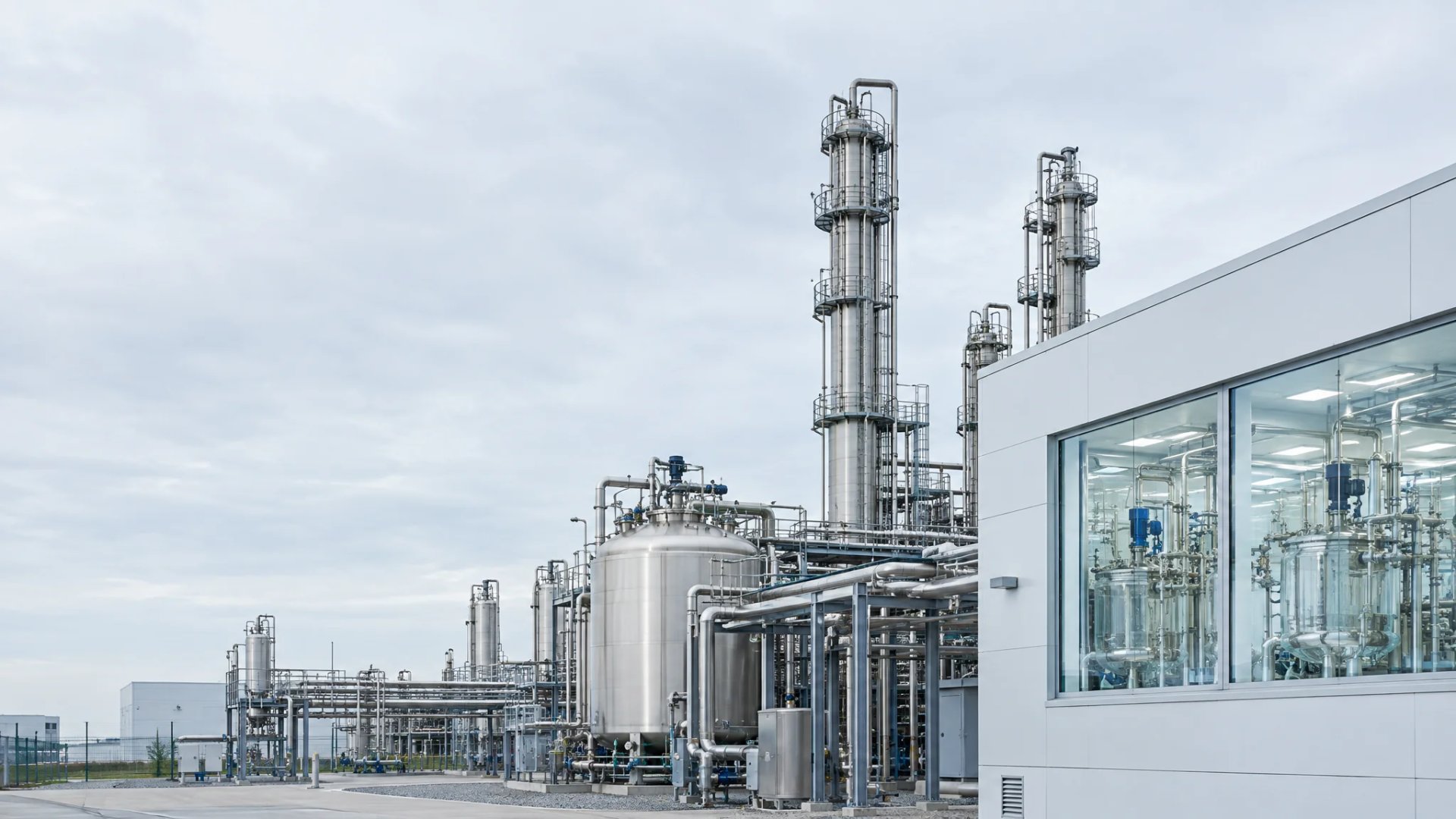
Reactors, columns, fermenters, and batch lines must stay inside approved temperature, pressure, chemistry, and quality bands. Running too carefully protects compliance but can leave yield and efficiency unused.

Support decisions from continuous chemical plants through specialty batch lines, pharmaceutical manufacturing, and biotech operations, with plant-specific recommendations that work alongside the control, historian, and quality systems you already run.
Reactors & Columns
Stabilize continuous process units as feeds and utilities change.
Batch Consistency
Keep recipes, quality, and changeovers aligned across campaigns.
Regulated Operations
Support compliant process decisions with traceable guidance.
Process Reliability
Spot developing issues on critical fermentation and utility assets.
Industry Challenges
Chemicals and life sciences producers must protect quality, yield, energy, and compliance as feeds, recipes, equipment condition, and regulatory expectations change across continuous and batch operations.
01
Reactors, columns, fermenters, and batch lines must stay inside approved temperature, pressure, chemistry, and quality bands. Running too carefully protects compliance but can leave yield and efficiency unused.
02
Feed quality, catalyst performance, raw-material lots, and product schedules shift over time. When feedback is delayed, plants lose quality or burn more energy before the issue is corrected.
03
Safety checks, changeover steps, batch records, and troubleshooting notes often live with experienced crews. Multi-site and multi-shift consistency suffers as teams and products change.
04
Pumps, compressors, agitators, utilities, and clean-utility systems sit on the critical path. Unplanned stops cascade into quality holds, scrap, and delayed release.
Relevant Capabilities
Optimize continuous and batch operations, and keep approved procedures accessible across shifts. For pumps, compressors, and similar equipment, Predictive Maintenance supports earlier visibility into equipment health.
 Continuous & Batch
01Process Optimization
OptiStudio
Support process and utility decisions using plant-specific AI models built from your operational data. Recommendations stay within approved operating limits, and your team reviews every suggestion before anything changes in the control system.
Typical focus areas
Process OptimizationOperational KnowledgeClearer Plant Decisions
 Safety & Procedures
02Operational Knowledge
ExpertFlow AI
Give operators and engineers fast access to approved procedures, safety documents, and changeover guidance. Answers stay linked to the source, so teams can act with more consistency during startups, handovers, and inspections.
Typical focus areas
Ready to discuss your operational challenges? Talk to Our Engineers
Implementation
Every deployment starts with your existing plant systems. AI models are validated before recommendations are introduced into operations.

Understand your operational objectives, connect existing plant systems, and assess available data to identify the highest-value Industrial AI opportunities.

Develop and validate AI models using your operational data to deliver reliable recommendations aligned with your production objectives before deployment.

Provide AI recommendations and trusted operational knowledge to plant teams, supporting confident decisions while operators remain in control.

Expand proven AI applications across your operations with continuous optimization, governed knowledge, and ongoing engineering support.
Operational Outcomes
Industrial AI helps chemicals and life sciences producers improve process consistency, strengthen day-to-day decisions, and keep operating knowledge available across shifts. Outcomes depend on priorities, available data, and deployment scope.
01
Support more consistent reactor, column, batch, and fermentation performance when feeds, recipes, or utility availability change.
02
Identify opportunities to improve steam, cooling, and power efficiency while staying within quality and safety limits.
03
Give operators and engineers practical recommendations and trusted procedures for more consistent decision-making.
04
Keep approved safety and operating procedures accessible across teams, reducing reliance on informal knowledge.
No. INSUS works alongside your existing control systems, historians, laboratory systems, MES, and plant software. Industrial AI provides recommendations and operational intelligence while your operators and engineers remain in control of what gets implemented.
The right combination depends on your priorities. Producers typically use OptiStudio for reactor, column, and batch guidance, ExpertFlow AI for safety and operating procedures, and Predictive Maintenance for critical rotating equipment. Dedicated pages for Chemicals go deeper on continuous process workflows.
Every AI model is developed and validated using your plant data before deployment. Recommendations stay within approved operating limits, remain traceable, and are reviewed by your team before implementation.
Yes. The same integration approach applies across continuous chemicals, specialty batch operations, pharmaceutical manufacturing, and biotech processes. Scope, data readiness, and regulatory constraints define where to start.
Talk to Our Engineers
Share the reactor, batch, procedure, or reliability challenge you want to improve. Our engineering team will identify practical opportunities and the right INSUS capabilities for your operation.