01
Unexpected Equipment Failures
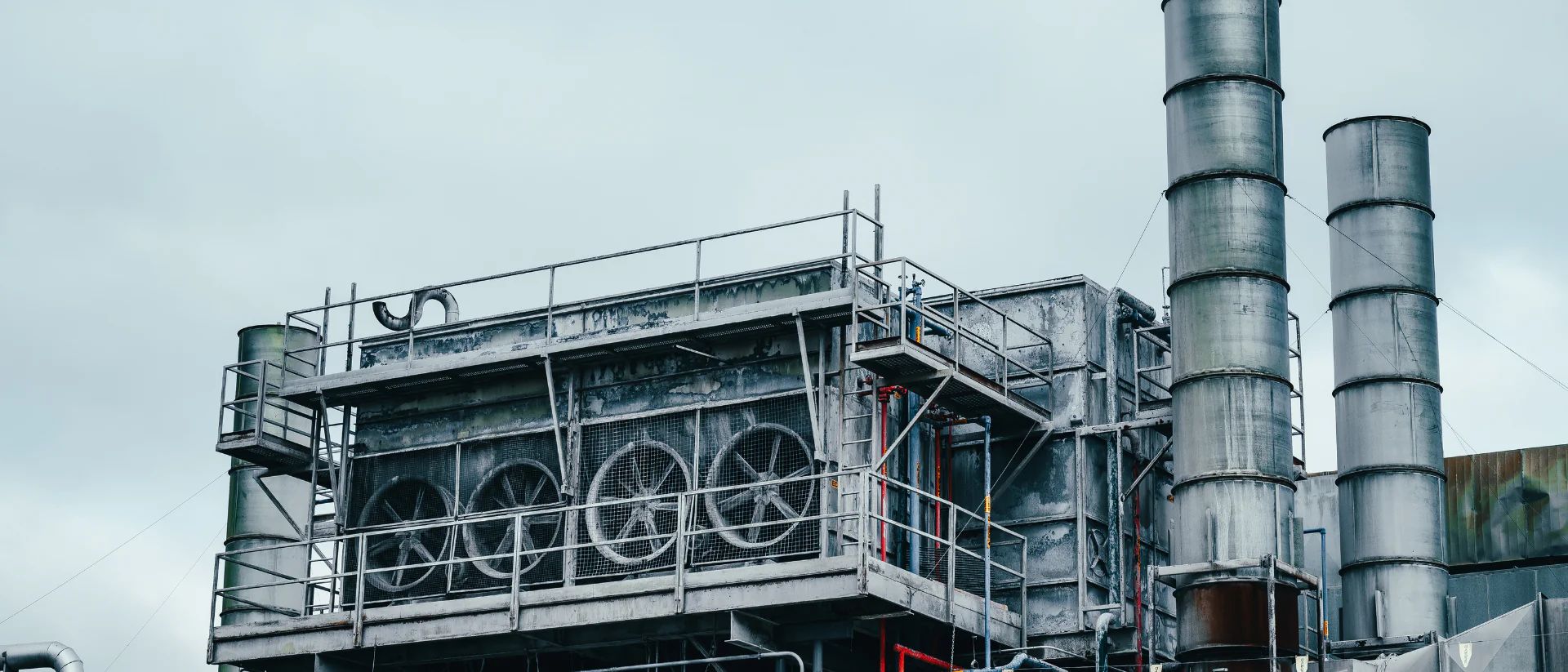
Unplanned downtime costs manufacturers 5–20% of productive capacity. Most failures are predictable weeks in advance yet go undetected until too late.

AI-powered monitoring that identifies equipment failure weeks before it happens across rotating assets, electrical systems, and process units in oil & gas, cement, utilities, and mining.
The challenge
Heavy industry runs on margins that cannot absorb surprise. When equipment fails without warning, costs cascade far beyond repair.
Unplanned downtime costs manufacturers 5–20% of productive capacity. Most failures are predictable weeks in advance yet go undetected until too late.
Time-based maintenance wastes resources on healthy assets while missing actual failure patterns. Work orders stay reactive, not risk-ranked.
No unified view of equipment health across facilities creates blind spots. Operators make critical decisions with incomplete, delayed information.
Fixing after failure is 3–9× more expensive than predictive intervention. Emergency spend erodes margins and delays capital decisions.
The solution
Keep machines running efficiently and maximize uptime with real-time equipment monitoring, predictive wear analysis, and optimized maintenance planning.
Continuous sensor data analysis to detect anomalies before they become failures.
Machine learning models that forecast component degradation and remaining useful life.
AI-driven scheduling that balances maintenance costs, production priorities, and failure risk.
Transform raw sensor data into clear, prioritized maintenance actions.
Connect to existing ERP, CMMS, and IoT infrastructure without disruption.

How it works
A clear path from field data to maintenance decisions built for plants that need reliability without adding operational complexity.

High-fidelity IoT sensors capture real-time vibration, temperature, pressure, and performance data from critical assets.

Machine learning models trained on your operating envelope detect anomalies and predict failure probability in real time.

Unified health scores, risk assessments, and maintenance recommendations give operators clear, prioritized visibility.

Intelligent alerts and work orders reach maintenance teams with actions, parts, and time windows before failures occur.
Key features
Six capabilities deployed as a connected suite or targeted against your most critical asset class first.
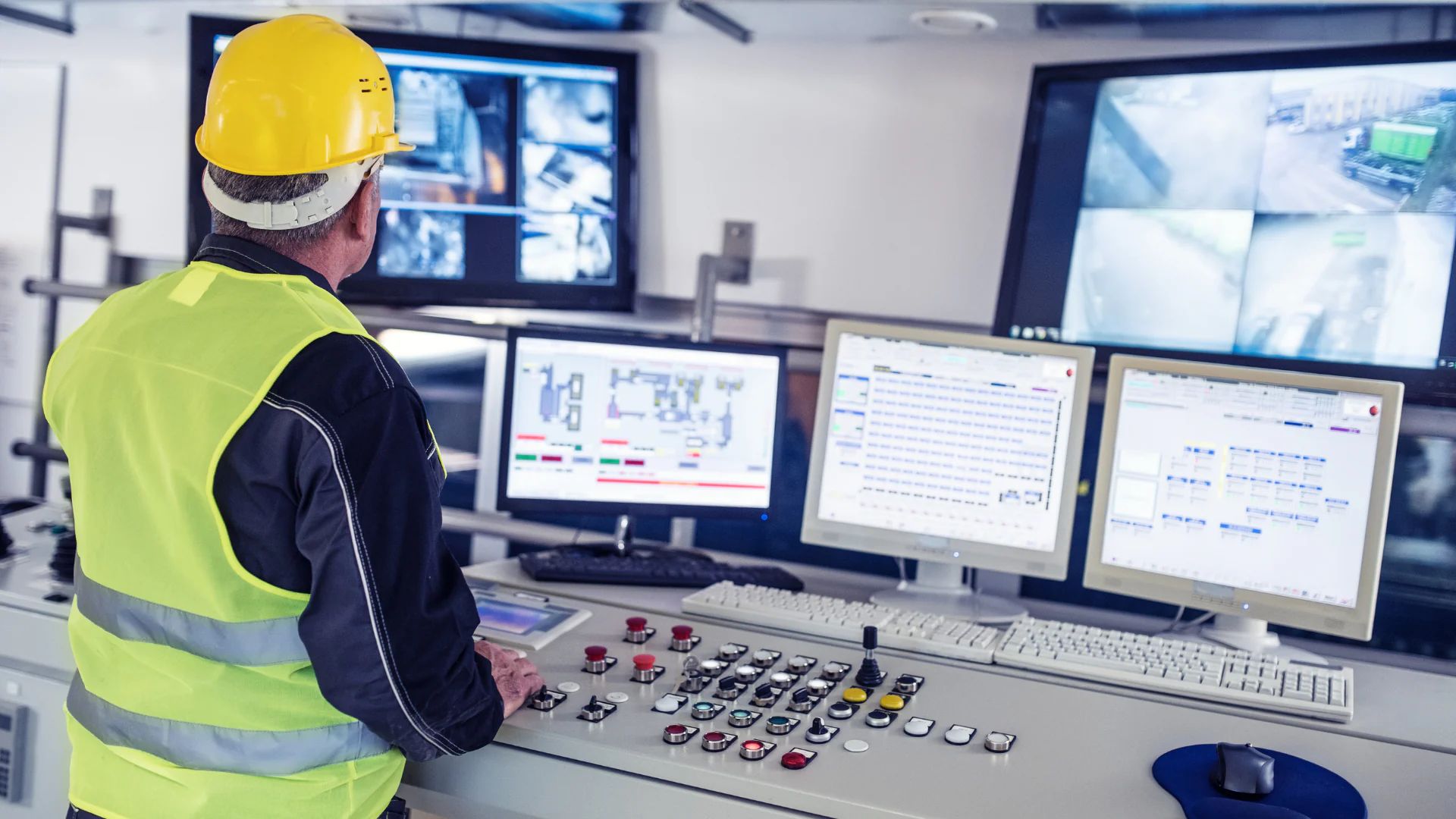
Identify equipment irregularities milliseconds after they occur across vibration, thermal, acoustic, and electrical signatures.
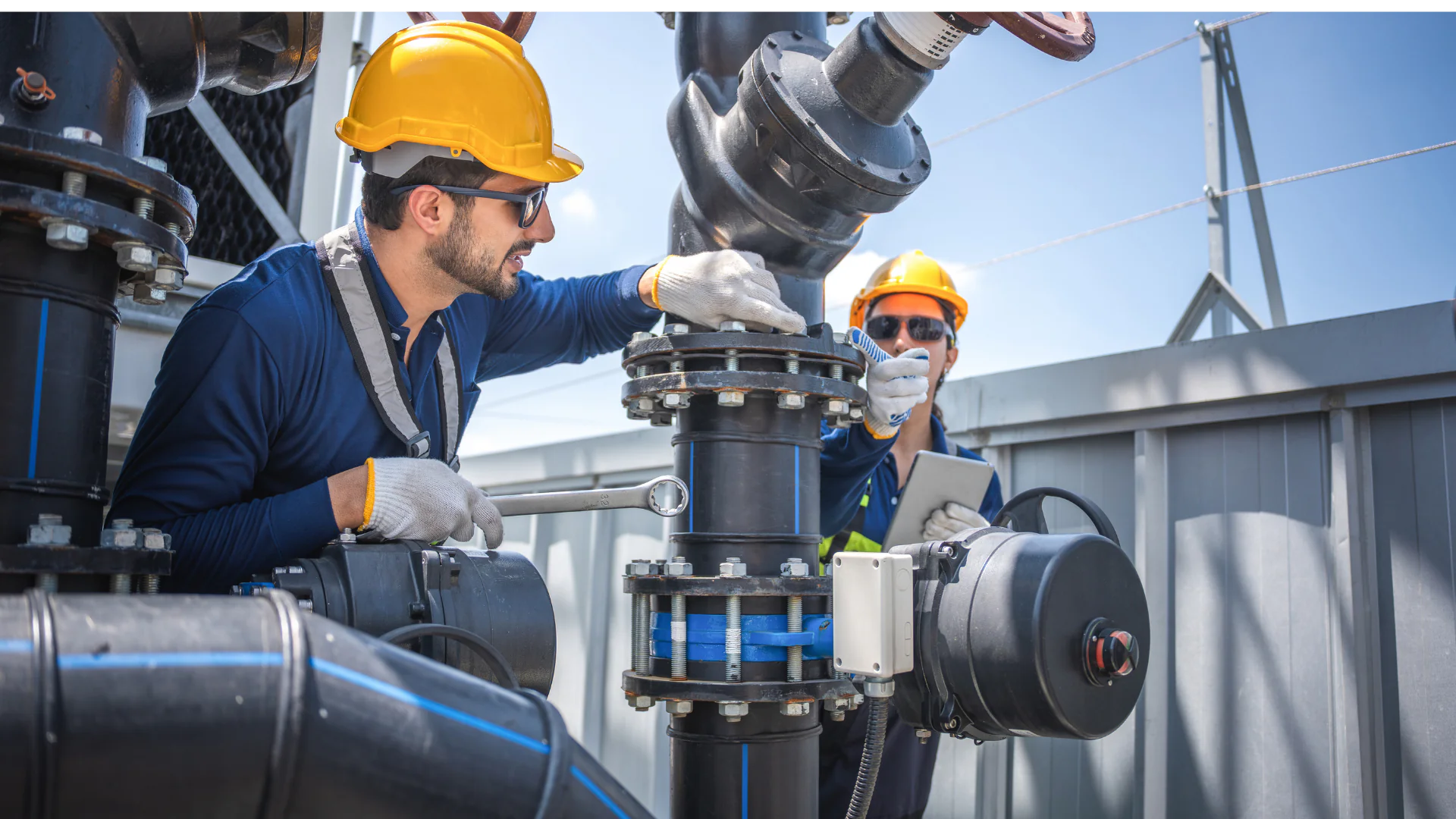
Forecast component degradation and remaining useful life with high accuracy maintenance windows planned around actual condition.
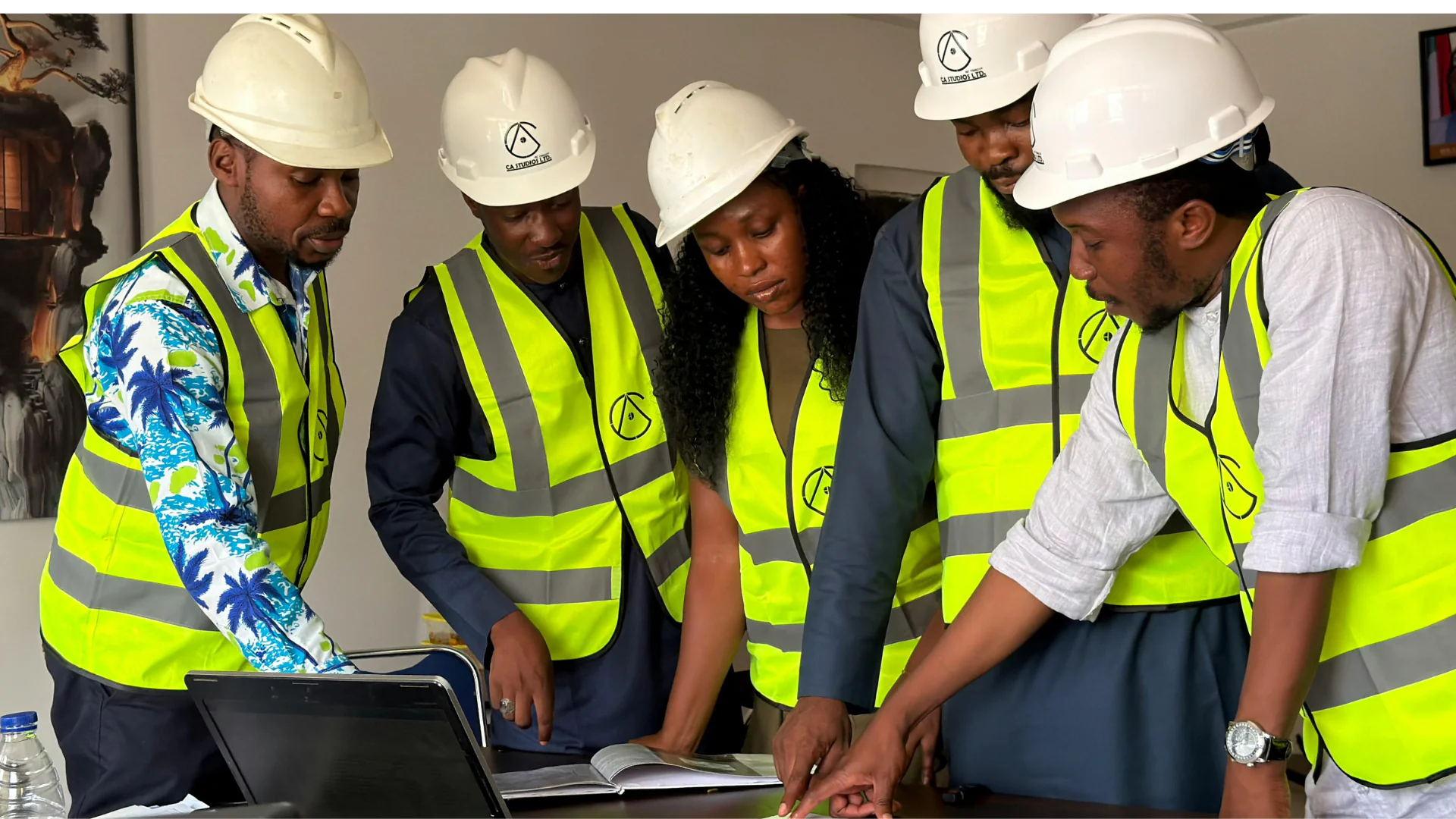
Coordinate maintenance windows with production schedules to minimize impact while keeping risk within tolerance.

Quantify the ROI of every maintenance decision with financial modeling tied to your margins and production value.

Sync maintenance data with SAP, Oracle, and other enterprise systems seamlessly your workflow stays intact.

Industrial-grade security with role-based access, audit trails, and compliance-ready data handling for regulated environments.
Use cases
Domain models trained on your industry's physics, failure modes, and operating constraints not generic AI applied to an industrial context.

Monitor compressors, pumps, and rotating equipment across refineries and production facilities before failures disrupt throughput.

Predict failures in CNC machines, motors, conveyors, and production line equipment before they halt production.
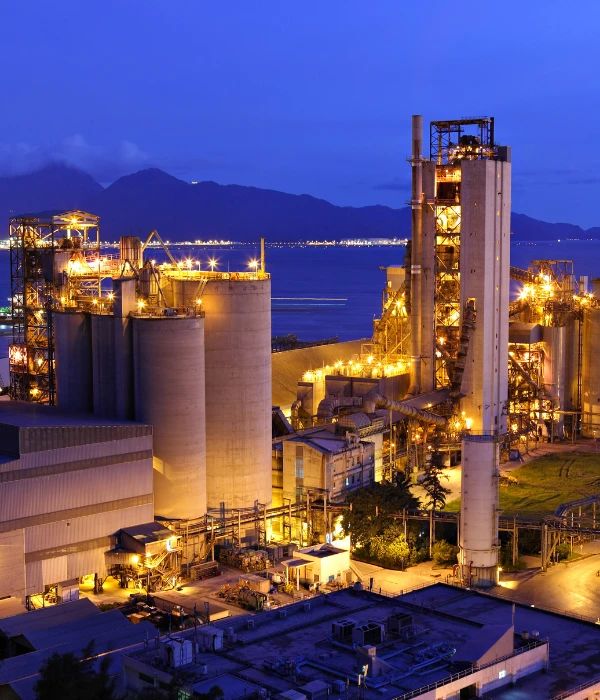
Track cranes, excavators, generators, and critical site machinery to prevent costly delays and safety incidents on major projects.
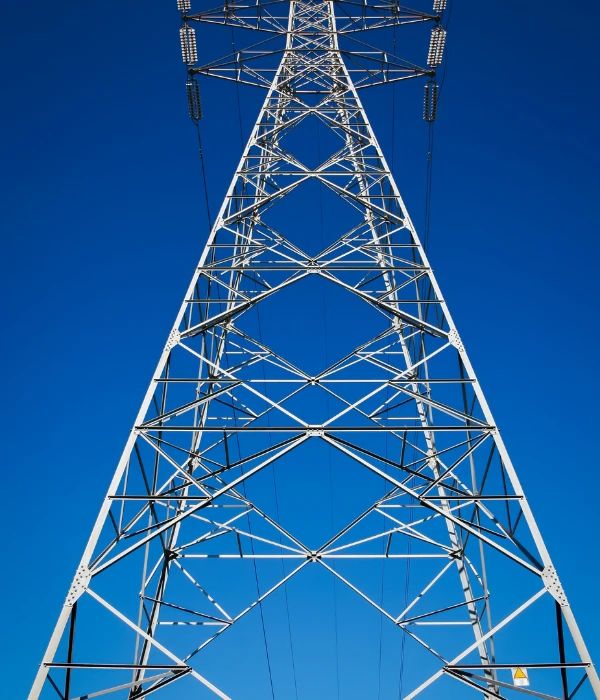
Detect inefficiencies in motors, compressors, and drives to reduce energy waste and operating costs.
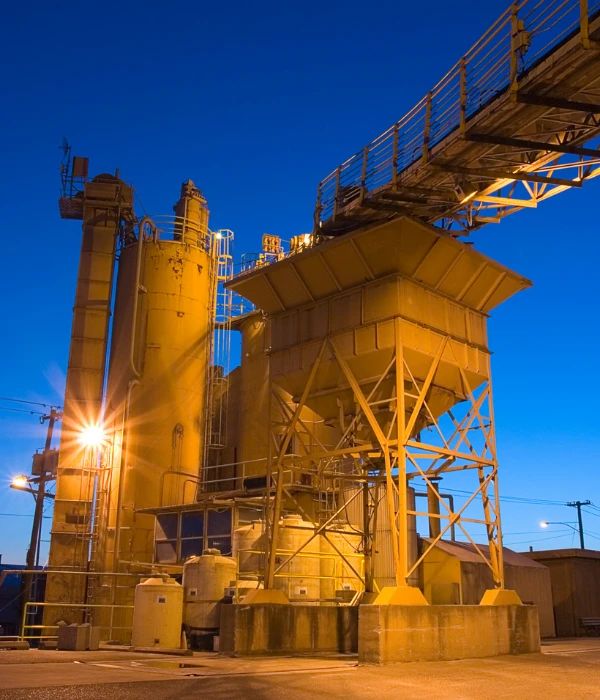
Monitor reactors, pumps, compressors, and processing equipment for early fault detection, process instability, and component wear.

Track vehicle health in real time, predict breakdowns, and optimize service schedules across entire fleets.
Expected outcomes
Anomaly detection shifts maintenance from reactive firefighting to condition-based intervention before failures occur.
Predictive scheduling aligns spend with actual asset risk eliminating unnecessary interventions and emergency repair bills.
Early degradation detection in motors, compressors, and drives reduces energy waste before secondary damage compounds.
Preventive maintenance follows fixed schedules regardless of asset condition. Predictive maintenance uses live sensor data and machine learning to intervene only when degradation is detected reducing unnecessary work while catching failures earlier.
Most pilots begin with existing historian, SCADA, or IoT sensor streams vibration, temperature, pressure, and runtime data. We map your assets and data sources in the first two weeks and define success metrics before models are trained.
A focused pilot on one asset class or production line usually runs 6–10 weeks: discovery and integration in weeks 1–2, model training and validation in weeks 3–6, and live monitoring with ROI tracking through week 10.
Yes. INSUS connects to SAP PM, Oracle EAM, IBM Maximo, OSIsoft PI, and common SCADA platforms. Risk-ranked work orders and alerts can flow into the systems your maintenance teams already use.
Rotating equipment, compressors, motors, and critical process units in oil & gas, cement, mining, and manufacturing often show measurable downtime reduction within the first pilot especially where unplanned stoppages carry high production cost.
Yes. Deployments support on-premises, private cloud, and hybrid models. UAE data residency is available for organisations with data localisation requirements.
Models are trained on your operating envelope and back-tested against historical failures and known events. Pilots include transparent accuracy tracking, operator review workflows, and continuous retraining as conditions evolve.

Get started
Book a predictive maintenance assessment. We will map your highest-impact assets and outline what a pilot could return no commitment required.