01
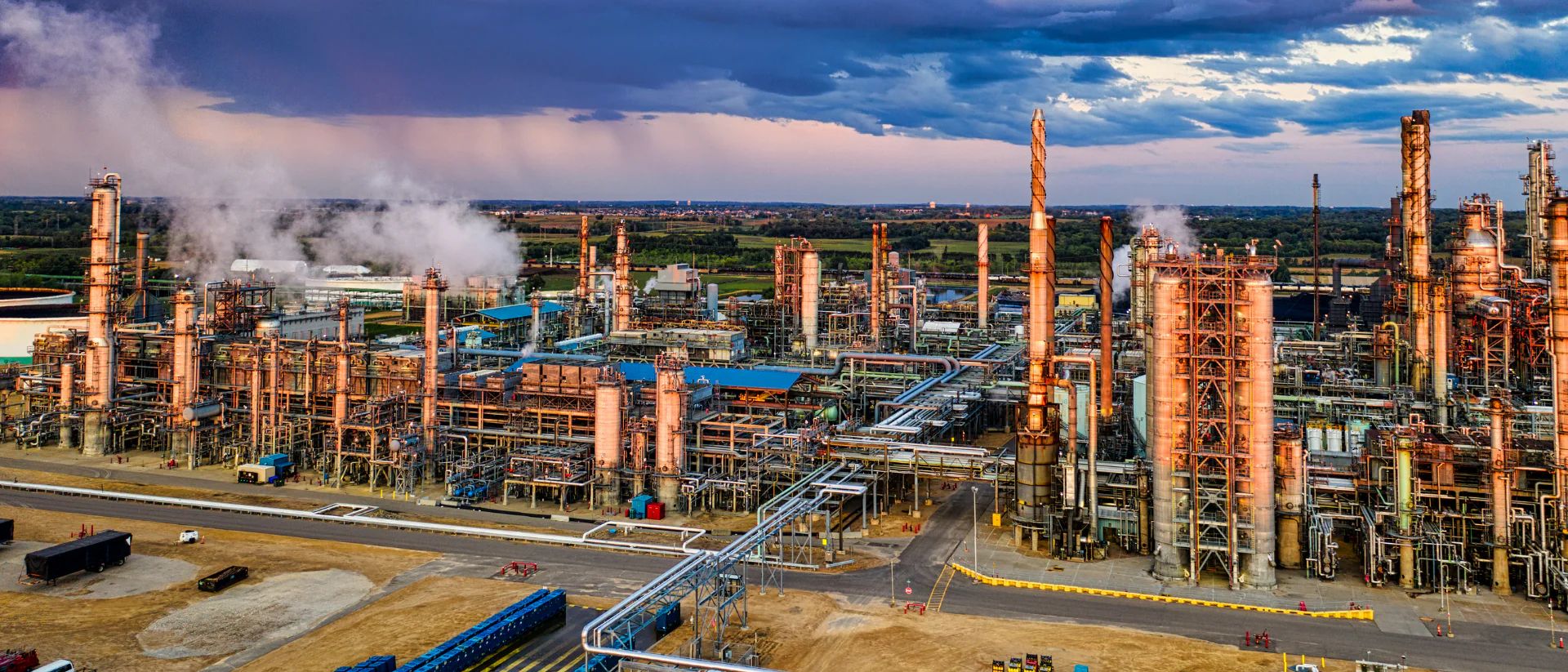
Fragmented data
Quality data trapped in lab systems, PLCs, and spreadsheets with no unified view across lines, shifts, or sites.
A unified web and mobile platform connecting plant telemetry, lab results, and AI-driven analytics real-time concrete performance and mix quality for faster, smarter production decisions.
The challenge
Traditional quality systems hide inefficiencies in siloed data, delayed lab feedback, and manual mix checks reducing consistency, speed, and customer trust.
Quality data trapped in lab systems, PLCs, and spreadsheets with no unified view across lines, shifts, or sites.
Lab results arrive hours after production, leaving defects undetected until rework or customer escalation.
Manual comparison of mix designs drives variability, non-conformances, and disputes between production and quality teams.
Rejected batches and rework consume materials, energy, and capacity eroding margins and delivery confidence.
The solution
Transform quality management with a platform built for speed, precision, and consistency connecting telemetry, lab results, and AI analytics for a live view of mix performance across every line.
AI-powered checks validate every batch against specifications in real time eliminating manual inspection bottlenecks.
Live visibility into mix performance, deviations, and optimization opportunities across all production lines.
Reduce material waste and energy use through precise mix control and predictive quality management.

How it works
Capture, analyze, act, and learn closing the loop between the plant floor, the lab, and quality leadership.
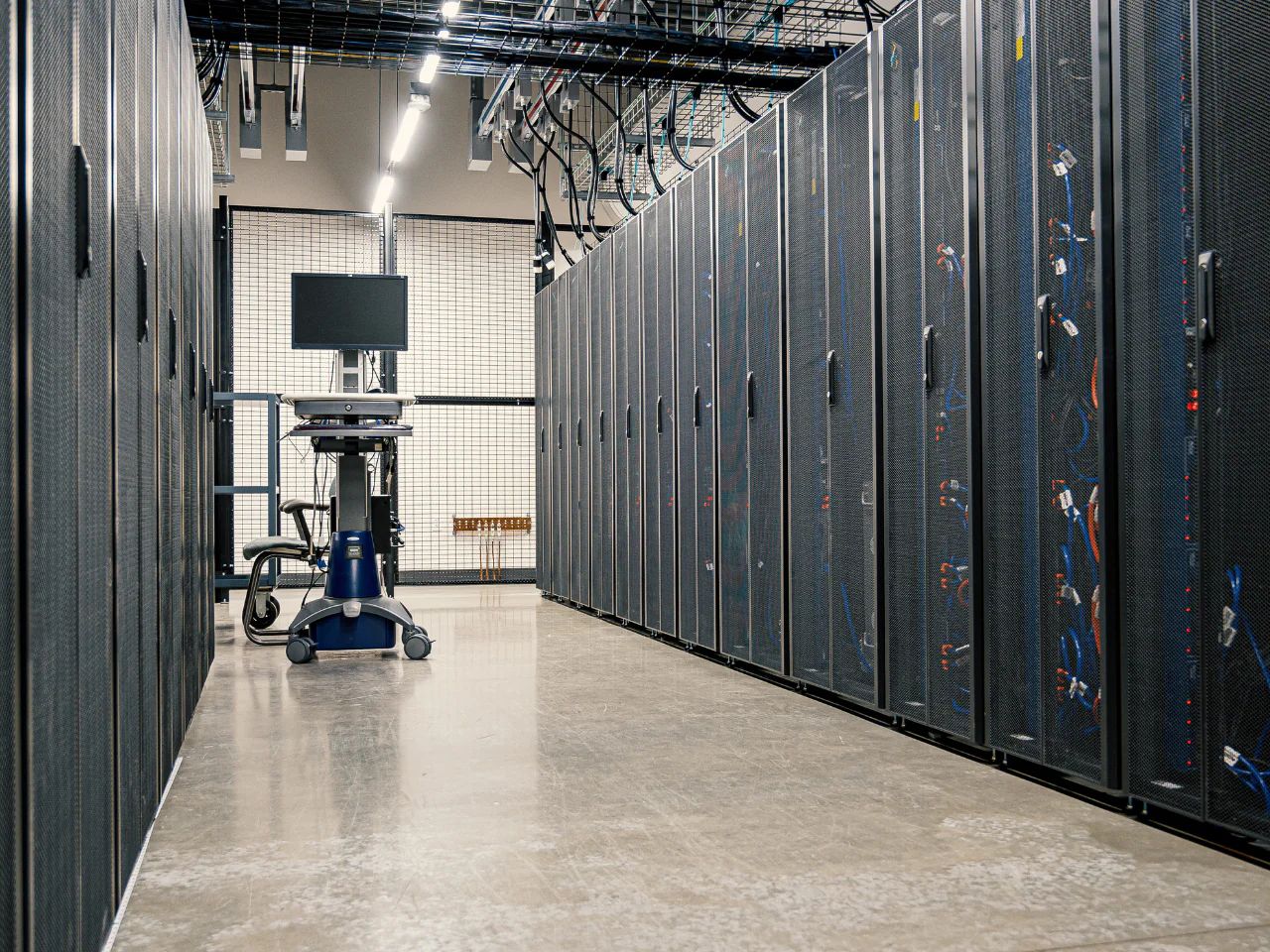
Plant telemetry, lab results, and sensor data are collected and unified in real time no more siloed spreadsheets.

Machine learning models analyze batch data against specifications detecting deviations and predicting quality outcomes.

Dashboards surface actionable insights, alerts, and recommendations for quality and production teams in the moment.

Historical performance feeds back into models raising prediction accuracy and tightening process standards over time.
Key features
Six capabilities that connect production, quality, and sustainability without ripping out systems that already run your plant.

Automated batch validation against specifications with anomaly detection and deviation alerts before release.

Live visibility into production quality across all lines, batches, and shifts from one unified dashboard.

Reduce material waste and energy consumption through optimized mix control and predictive quality.

Cut costs from rework, rejected batches, and manual inspection measurable savings per line and site.

Connect to ERP, SCADA, IoT devices, and laboratory systems without disrupting day-to-day operations.

Industrial-grade security with role-based access, audit logs, and compliance-ready data handling.
Use cases
From ready-mix concrete to multi-site production BatchVision keeps mix design, lab results, and line performance aligned.
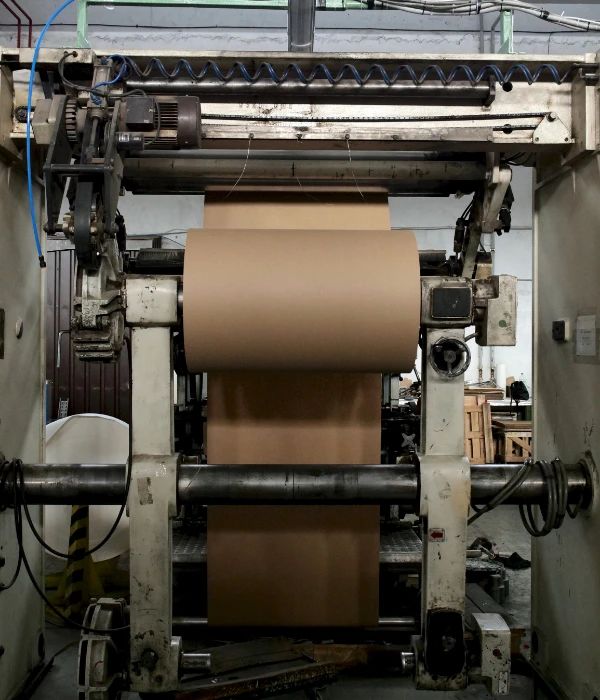
Validate every load against mix design and specs before dispatch catch deviations while materials are still in the mixer.

Compare performance across lines and shifts with one dashboard standardize quality standards site-wide.
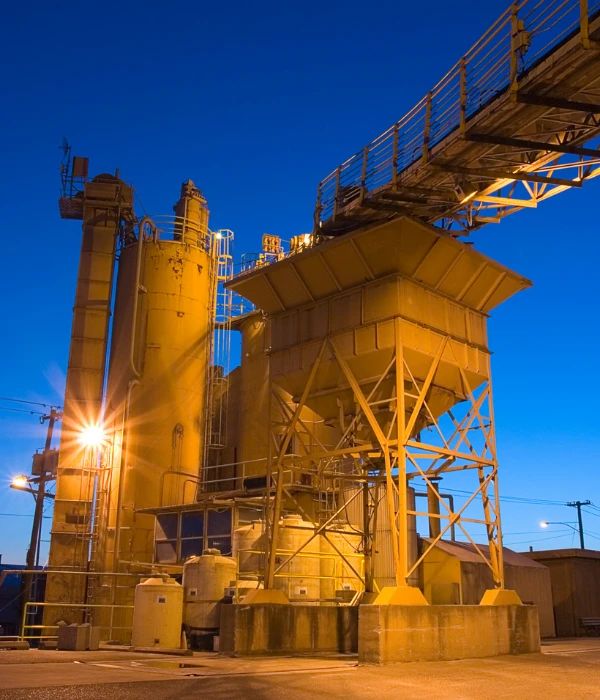
Close the gap between lab cycles and production surface results and recommendations when they still change outcomes.
Expected outcomes
Higher throughput and quality consistency when validation runs in real time not after the batch has left the plant.
Measurable savings from less rework, waste, and manual inspection freeing capacity for profitable production.
Real-time insights replace delayed lab cycles so teams release, adjust, or hold batches with confidence.
BatchVision integrates with ERP, SCADA, IoT devices, laboratory information systems, and cloud APIs unifying telemetry and lab data without replacing your core plant systems.
Validation runs in real time as batch data arrives alerts and pass/fail status are available during production, not hours later from the lab.
The platform is built for industrial batching and mix-controlled manufacturing especially where lab results, recipes, and plant telemetry must stay synchronized.
Models learn from historical batches, deviations, and outcomes predicting quality issues, recommending adjustments, and tightening specifications over time.
Yes. Web and mobile access let quality and production teams monitor lines, acknowledge alerts, and review batch records on the floor.
Typical pilots run 6–10 weeks: connect one line or plant zone in weeks 1–2, tune models and alerts in weeks 3–6, then measure rework, waste, and approval cycle time through go-live.
Role-based access, audit logs, and industrial-grade security controls support compliance and OT/IT governance requirements.

Get started
Contact the INSUS team for a BatchVision briefing integration map, pilot scope, and success metrics aligned to your highest-volume lines.