Mining industry

Where miningloses the picture

Tailings and pit-wall instruments are read in isolation. Permit conditions sit across years of documents. Near-miss reports are filed and never read together. The records are already on site — they are not in one place, and they are not interpreted together.

  • 01

    Interpreted monitoring streams

    Fuse radar, piezometers, survey and satellite already on the facility into one view, with an alert when the combined signal is unusual.

  • 02

    Obligations you can search

    Turn permits, conditions and regulatory correspondence into answers that carry the source passage they came from.

  • 03

    Learning that comes back

    Read the near-miss corpus across tasks and shifts, so recurring conditions reach the crew instead of waiting for a serious event.

On the mine site

The data is there. The picture is not.

Productivity has been falling even as digital spend rises. The site's own records are split across systems, teams and paper. In Europe, overlapping environmental reporting sits on top of that. None of that is a missing dashboard. It is a missing shared record.

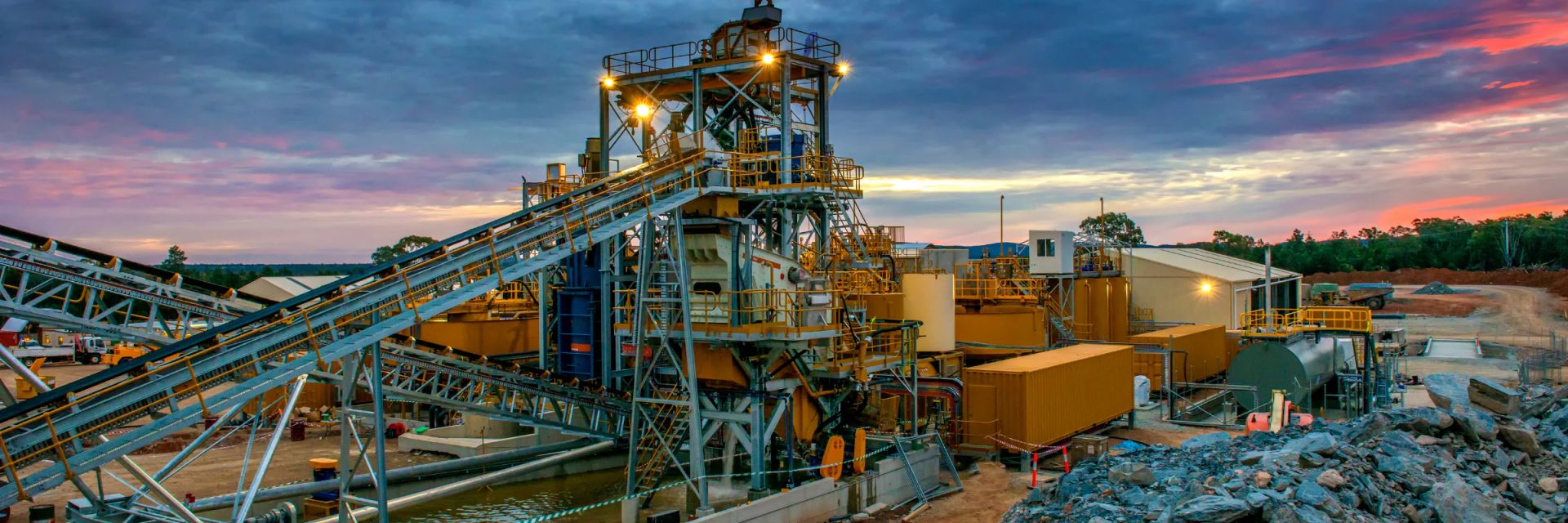
Heavy industrial plant equipment under loadProductivity

Output is harder to hold even as tools multiply

McKinsey benchmarks mining as about 28% less productive than a decade ago once ore-grade decline is counted. Overall equipment effectiveness sits at 27% underground and 39% in open pits, against 88–92% in oil and gas, steel and refining.

Operations team reviewing plant data across disconnected screensOperations data

The shift picture is still assembled by hand

Equipment failures are still diagnosed by piecing together radio calls, equipment logs and shift schedules. Month-end reporting still means gathering data from multiple sources into spreadsheets and checking it for accuracy.

Regulatory and technical documentation being assembled for reviewReporting

European sites document the same facts several times

Water, nature, industrial emissions and soil frameworks each ask for their own evidence pack. Euromines calls the result duplication and gold plating, on top of permitting that can take up to 15 years.

AI spend is rising. Siloed data is why that investment is not paying off yet.

EY finds 21% of miners plan to raise AI budgets by more than 20% in the next year, and names fragmented data as the main limit on return. INSUS works from the instruments and records a site already runs. If the gap is a missing sensor, a maintenance job or an existing system, that is what we will say.

Explore the possibilities

Industry figures

The scale of what is being decided

Four external figures, each with its source. Nothing on this page is an estimate we made up. Where we cannot cite a number, we describe the situation in words instead.

GISTM

67%

of 836 ICMM member tailings facilities are in full conformance with the Global Industry Standard on Tailings Management. 33% remain partial. Conformance is a continuous process, not an endpoint.

Source: ICMM, Tailings Progress Report (2025)

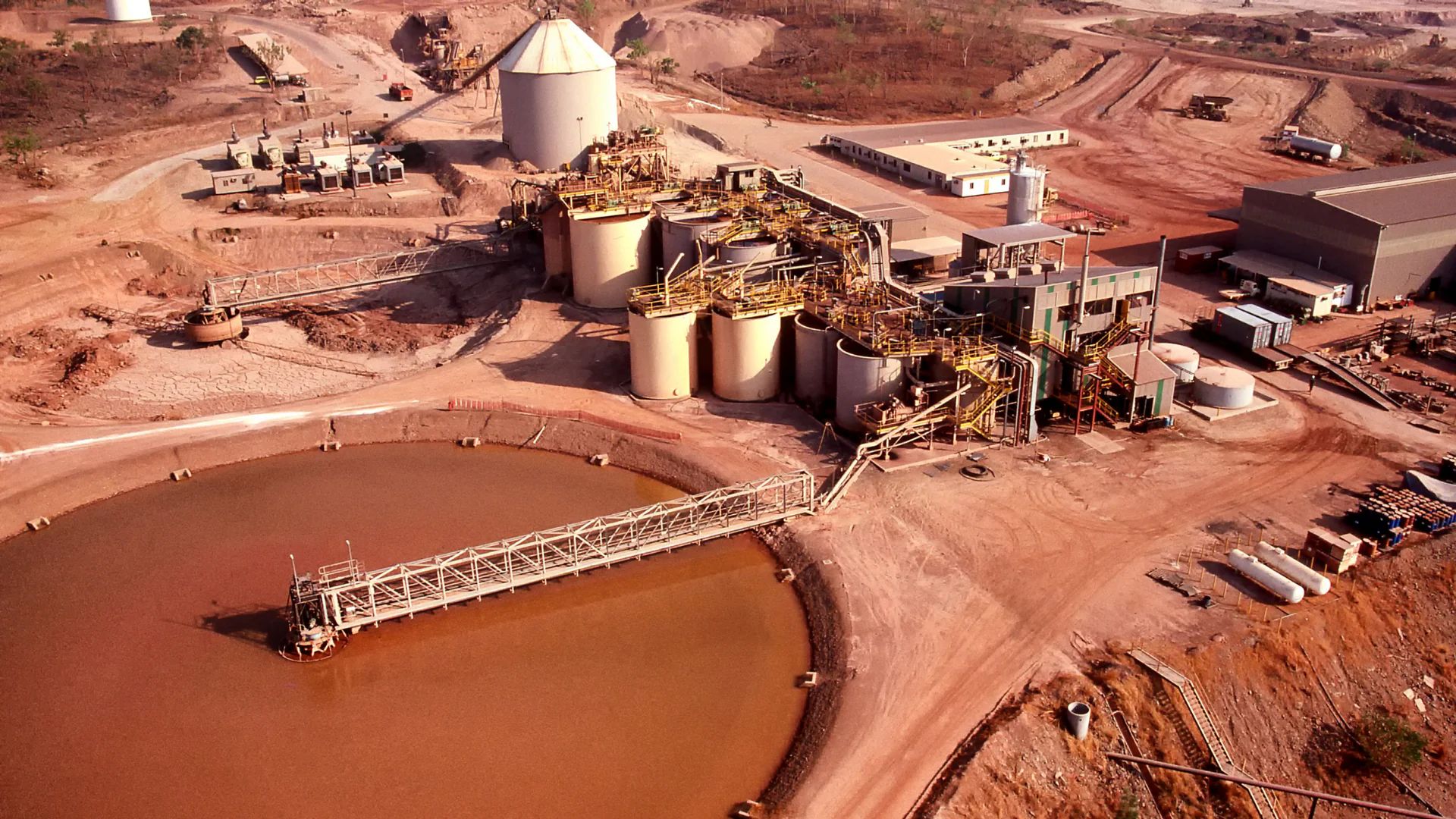
Fixed plant and heavy equipment of the kind used in crushing, grinding and materials handling

Common problems

Problems that cost you before you notice

None of these shows up as a single alarm. They show up in an instrument stream nobody reads alongside the others, in the audit folder still being assembled, and in a report that was filed and never came back.

  1. Tailings instruments are watched, not interpreted together

    Survey markers, inclinometers, radar, piezometers and satellite InSAR typically sit with different specialists on different schedules. At Feijão Dam I, piezometers were read manually about monthly until shortly before failure. The Expert Panel found no single stream detected the collapse that killed 270 people — the gap was interpretation, not missing instruments.

    See: Tailings Geotechnical Signal Integration
  2. EU environmental reporting asks for the same evidence several times

    Water, Natura 2000, nature restoration, industrial emissions and soil directives each have their own process. There is no shared underlying data layer. That load sits on permitting that Euromines says can take up to 15 years.

    See: EU Mining Permitting & Compliance
  3. Near-miss reports are filed, then never come back as learning

    Free-text reports accumulate faster than a safety team can read them across tasks, locations, equipment and shifts. The precursor conditions are in the corpus, but they are usually only found after a serious event forces a retrospective review.

    See: Near-Miss & Incident Intelligence

Use cases

Places worth a closer look

Each is a specific starting point — this tailings facility, this permit corpus, this reporting history — and a next conversation if it is worth your time.

Instrumented industrial monitoring infrastructure of the kind installed on tailings storage facilities
Risk management

Tailings Geotechnical Signal Integration

Time-align piezometer, inclinometer, radar, survey and InSAR streams into one reviewable record, with joint anomaly flags and GISTM monitoring evidence for geotechnical review.

See the full use case
Mining permits, conditions and regulatory correspondence assembled for compliance review
Safety & compliance

EU Mining Permitting & Compliance

Make mining permits, conditions and regulatory obligations searchable with cited answers, so compliance teams can find what is required and where it comes from.

See the full use case
Mining safety reports reviewed for recurring hazard conditions
Safety & compliance

Near-Miss & Incident Intelligence

Analyze mining near-miss and incident reports to surface recurring hazard conditions and return relevant past events to the crews facing similar situations.

See the full use case

FAQ

Questions that come up in every first call

A practical look at what INSUS needs, where it fits and what your team can expect.

The work that fits a software and data company is reading records a site already has: tailings and geotechnical instrument streams read together rather than instrument by instrument, the permit, EIA and regulatory corpus made searchable with cited answers, and the near-miss and incident corpus analysed for recurring conditions. Wear inspection and stockpile volumetrics that need new capture are not the starting point.

Usually not. Tailings signal integration, permitting intelligence and incident learning can all be scoped from existing radar, piezometers, survey, document stores and EHS reporting history. If a signal is genuinely missing, we say so in week one rather than build on a gap.

No system should promise that. The Feijão Dam I Expert Panel found that pre-failure deformations were too small and slow for the real-time systems then in place, and that ground-based radar also produced large false readings from vegetation and moisture. The useful work is interpreting several existing streams together, with honest limits, not claiming a failure will always be seen in time.

No. The people who know the pit wall, the mill and the permit pack stay responsible. The aim is to stop them rebuilding the same picture from radio, paper and isolated instrument files, and to surface an unusual combined signal while there is still time to look.

Whatever the site already keeps that describes the problem you want to solve: historian and equipment logs, shift reports, tailings instrument files, survey, InSAR, incident records, and the environmental or GISTM packs you already file. You do not need every source on day one. We first identify what is available, what is reliable and what is actually required.

Yes. The approach is built around the systems you already run rather than a rip-and-replace stack. Integration is defined during the assessment. Safety interlocks and statutory reporting remain yours.

The first step is the current workflow, the data you already hold and whether the gap is software, a missing record or a maintenance job. That assessment is what tells you if a single-site pilot is sensible. The mining work behind this page is still discovery, not a finished architecture or ROI model.

Yes. A focused starting point is usually the practical path: one tailings facility, one underground or open-pit operation, one EU evidence pack, or one mill line. Measure that, then decide whether to widen.

Contact

Talk to a mining expert

  • 30 minA focused conversation about the mining problem you are trying to solve. No sales deck.
  • OutcomeA practical view of whether INSUS can help, what data would be needed and where it makes sense to start.
  • We will first understand your current process, what information you have and where the biggest gap is.
  • If the right answer is a better inspection process, a missing record, a maintenance action or an existing system, that is what we will tell you.

Request a call

We reply within one working day, from a person, with a proposed time.