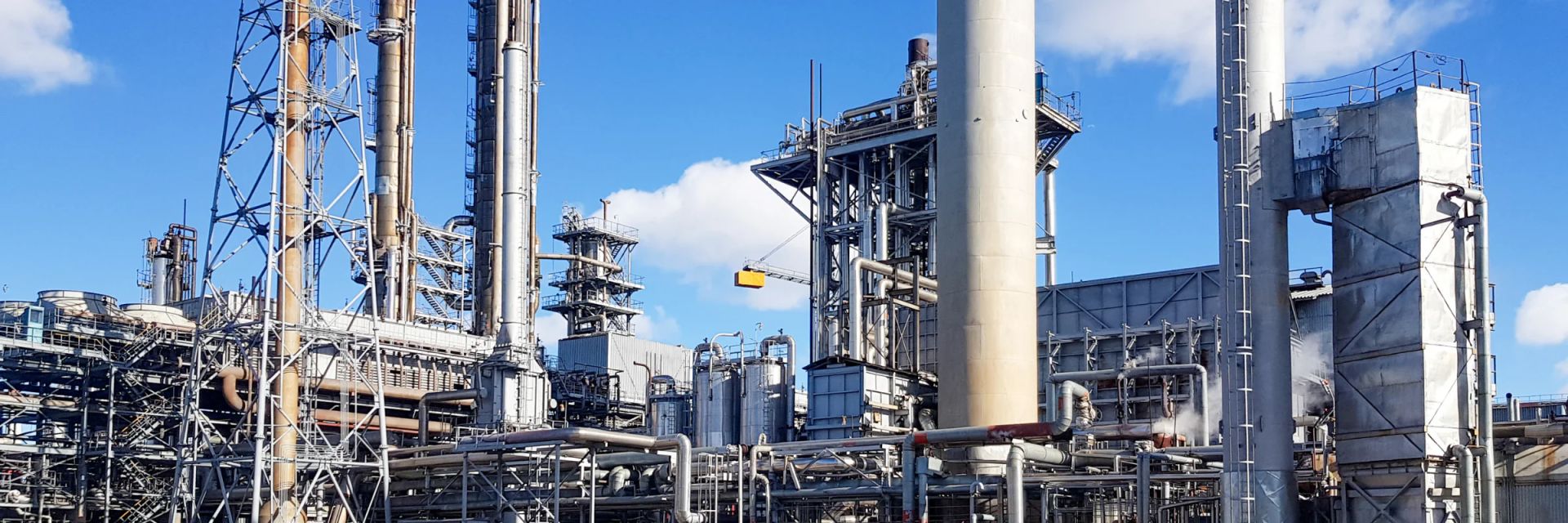

Construction chemicals industry

Where the CoAcatches up later

Admixtures are dosed in fractions of cement weight — then asked to hold slump, set and strength on someone else's concrete. Mother liquor solids, compounding temperature and cement chemistry still decide the batch. The drums still have to ship.

  • 01

    This batch, not last week's solids

    Hold mother-liquor solids, water and small-material tickets against the recipe you already keep, so a fixed ratio is not the only answer when feed assays drift.

  • 02

    Compatibility caught before the ready-mix complaint

    Keep cement, SCM and trial-mix results with the product lot that produced them — not after a site reports unexpected slump loss.

  • 03

    The stop while filling can still be planned

    Read reactor, mixer, pump and filling-line signals already in the historian, so wear is flagged while the campaign can still be protected.

On the reactor and the filling line

Performance is decided before the drum leaves

Construction chemicals plants lose money in three places that rarely share one screen: a compounding batch run on a fixed ratio while solids have drifted, a lab ticket that arrives after drums are already labelled, and a cement-compatibility miss found at the ready-mix plant. Most of that is already in batch tickets, QC assays and equipment logs — after the fact.

Industrial liquid handling and utility systems used in chemical compoundingThe feed

Mother liquor and small materials do not stay at the recipe value

Polycarboxylate mother liquors and powdered components can lose or pick up water in storage and transit. Fixed-ratio compounding then ships a product whose effective dispersant concentration is not the one on the formulation sheet.


Specialty chemical reactors and compounding equipmentThe batch

Compounding still often runs one temperature and one stir rate

Dissolution, blending and functional synergy need different temperature and agitation windows. A single constant setpoint covers uncertainty — and can leave uneven composition that only shows up in concrete performance testing.

Quality and production records being reviewed for specialty chemicalsThe jobsite

The customer finds the miss on their cement, not yours

ASTM and EN standards judge admixtures against control mixes. Real cement chemistry, SCM content and temperature still change water reduction and slump retention. When lot history is thin, the first signal is a ready-mix complaint.

Shipping on solids within band is the easy gate. It is not the same as concrete performance.

INSUS works from batch tickets, solids and density assays, compounding tags, trial-mix results and equipment logs a plant already keeps. If the gap is feed assay, a drifting reactor profile, or a compatibility file that never joined the CoA, that is what we will say. Recommendations stay advisory. Existing control systems stay on the loop.

Explore the possibilities

Industry figures

The scale of what is being decided

Four external figures, each with its source. Nothing on this page is an estimate we made up. Where we cannot cite a number, we describe the situation in words instead.

ASTM types

8

chemical admixture types are defined in ASTM C494/C494M — water-reducing, set-controlling and high-range classes (Types A–G) plus Type S specific-performance admixtures — before air-entraining products under ASTM C260.

Source: ASTM C494/C494M, Chemical Admixtures for Concrete

EN 206 dosage

≤5%

by weight of cement is the permitted admixture dosage under EN 206 as summarised for practice; quantities below 0.2% are only allowed when dissolved in part of the mixing water, and liquid volumes above 3 L/m³ must enter the w/c calculation.

Source: Sika, Concrete Admixtures guide (EN 206 / EN 934-2)

Active content

8–12%

variation in water-reduction performance between production batches was reported in a documented PCE admixture case when powder active content ranged from about 88% to 97% while finished solids stayed inside a nominal band — enough to move ready-mix slump at the same dosage.

Source: EastChem PCE inconsistency case study

Construction chemicals plant with compounding and filling operations

Common problems

Problems that cost you before you notice

None of these show up as a single alarm. They show up in a coating callback, a registration deadline spent rebuilding an inventory, and a batch that missed specification on the same recipe that worked last week.

  1. The specification never matched the project it was written for

    A coating or sealant system can be compliant with the standard and still sit outside its documented envelope for this substrate, this exposure or this detail. Field application is then verified manually and rarely joined back to the specification it was meant to satisfy.

    See: Coating & Sealant Specification Field QA
  2. Registration scoping starts by reconstructing what you already hold

    Formulation composition, laboratory evidence, supplier safety data and previous submissions sit in different systems. When requirements change, the first weeks go into rebuilding an inventory rather than closing the gaps in it.

    See: REACH Formulation Compliance Intelligence
  3. Fixed-ratio compounding ignores this lot's solids

    Mother liquor and small materials drift with storage humidity and transit. When the line still charges the theoretical recipe, water-reduction performance moves even while bulk solids look acceptable on a single QC gate.

    See: Batch Formulation Consistency Advisor

Use cases

Places worth a closer look

Each is a specific starting point — this project specification, this formulation set, this batch line — and a next conversation if it is worth your time.

Coating technical data sheets, project specifications and field QA records assembled for review
Technical service

Coating & Sealant Specification Field QA

Check coating and sealant specifications against project environmental, substrate and geometric conditions, then verify field application records against the specified system.

See the full use case
Polymer formulation records, laboratory test data and regulatory documents assembled for review
Regulatory compliance

REACH Formulation Compliance Intelligence

Organize polymer formulations, existing test data and regulatory records into a searchable REACH-mapped inventory so registration scoping starts from documented evidence.

See the full use case
Batch mixing and quality monitoring for construction chemicals production
Quality

Batch Formulation Consistency Advisor

Predict off-spec admixture, dry-mix mortar and repair compound batches while they can still be adjusted, using existing batch control and LIMS data.

See the full use case

FAQ

Questions that come up in every first call

A practical look at what INSUS needs, where it fits and what your team can expect.

The work that fits is the data an admixture or specialty construction-chemicals business already produces: batch weigh tickets, solids and density assays, reactor tags and quality-test results, plus technical data sheets, project specifications, field QA records and regulatory files. Closed-loop reactor control and automatic release of every drum are not promises we will make on day one.

Usually not for batch records, reactor tags and maintenance. Most plants already have weigh systems, QC labs and some historian coverage. If a solids meter has been drifting or a reactor zone is unread, that comes before any model.

No. The person who knows this polymer, this cement and this reactor stays responsible. The aim is to stop the next shift compounding from a fixed ratio when solids have moved, and to flag a developing equipment issue before it stops filling.

No. It advises the operator or the process engineer. Existing PLCs, batch systems and any APC stay in charge of the loop. Safety interlocks are not touched.

No. Concrete performance depends on cement chemistry, SCMs, temperature, dosage practice and jobsite conditions — not only on your lot. We will not invent a reject-rate or savings percentage for your plant.

It is a published case of PCE active-content drift causing water-reduction variation while finished solids looked acceptable — not a measurement of your line. Your mother-liquor assays and trial mixes are the numbers that matter.

Yes. The approach is built around the systems you already run. Integration is defined during the assessment. Statutory recipes, CoAs and customer documentation remain yours.

Yes. One PCE compounding line, one accelerator family, or one filling bay is usually the practical start. Measure that, then decide whether to widen.

Contact

Talk to a construction chemicals expert

  • 30 minA focused conversation about the construction chemicals problem you are trying to solve. No sales deck.
  • OutcomeA practical view of whether INSUS can help, what data would be needed and where it makes sense to start.
  • We will first understand your current process, what information you have and where the biggest gap is.
  • If the right answer is a solids assay check, a recipe update, a maintenance action or an existing system, that is what we will tell you.

Request a call

We reply within one working day, from a person, with a proposed time.