Glass industry

Where the meltcosts the campaign

The furnace is already at 1,500°C. Cullet purity decides how hard it has to work. A seed or a stone is found after the ribbon has left the tin bath. The line still has to run.

  • 01

    Heat spent on this melt, not the last one

    Read the furnace, boost and flue tags the plant already logs, so extra gas is not the only answer when the pull or the cullet changes.

  • 02

    Cullet that can actually go in the batch

    See contamination and colour mix in the sorting and batch records you already keep — not after a stone or a foam event.

  • 03

    The stop while the campaign can still be planned

    Read furnace, lehr, fan and tin-bath signals already in the historian, so a bearing or a refractory hot spot is not the first notice.

On the furnace and the line

Quality is decided in the melt

Glass plants lose money in three places that rarely share one screen: a tank that is burning more gas than the pull needs, cullet that is too dirty to raise, and a defect found after the ribbon has cooled. Most of that is already in historian tags, batch tickets and inspection records — after the fact.

Industrial energy and combustion systems under continuous loadThe furnace

The tank does not stop. The fuel bill does not either.

Melting sits at about 1,300–1,500°C and is the main source of CO₂. Glass Alliance Europe puts 75–85% of sector emissions on fuel combustion for that heat. A conservative crown temperature is how many campaigns stay safe — and how many extra cubic metres of gas are burned.

Materials plant and yard of the kind used to handle recycled and virgin mineral feedThe cullet

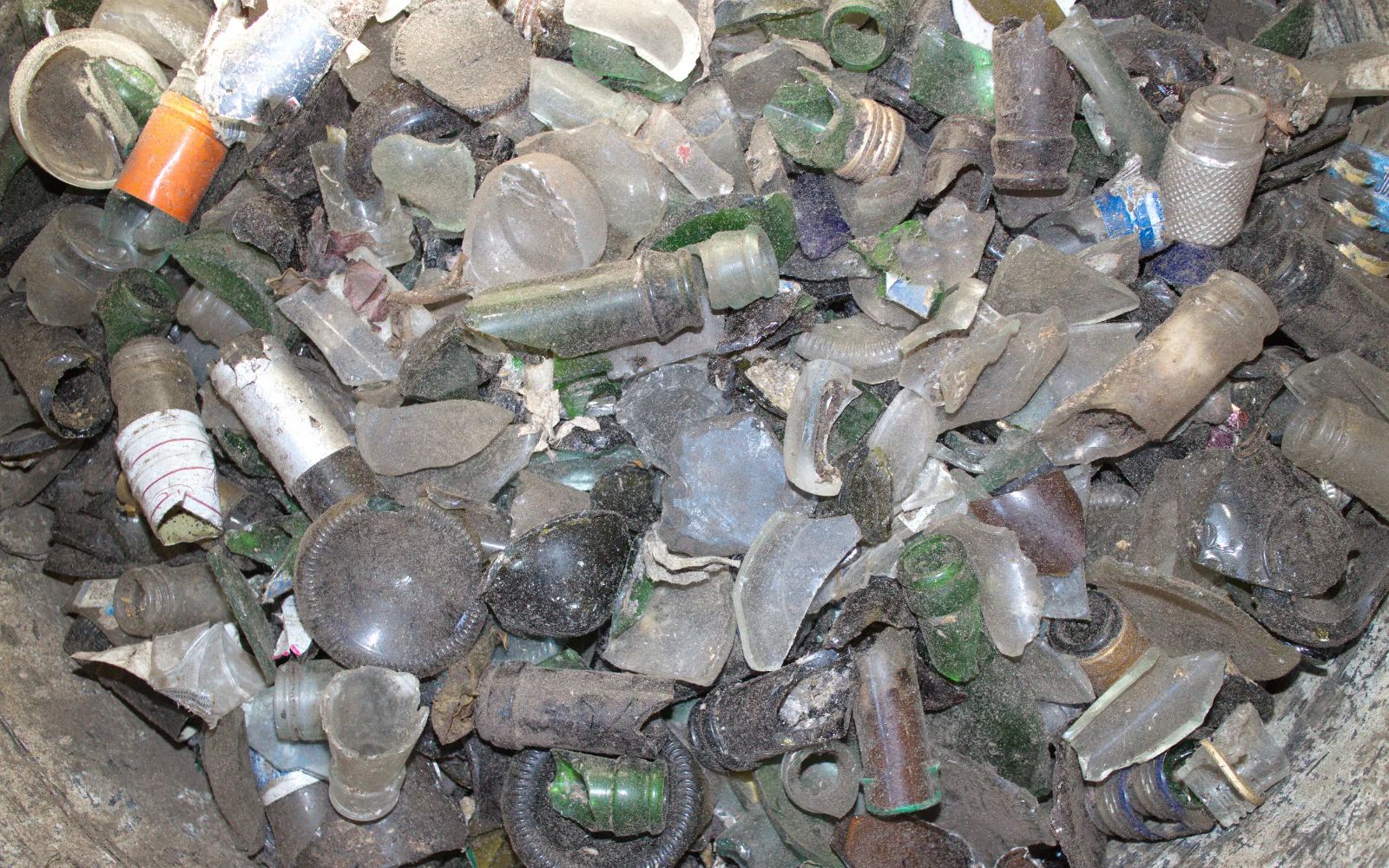
Dirty glass in the batch is still a melt problem

Cullet cuts virgin sand, soda ash and melting energy. AGC states that an extra 10% of melted glass from cullet lowers melting energy by about 2.5%. Metal, organics or mixed colour in that stream still show up as foam, stones or a hole in the refractory.

Plant team reviewing process and quality readingsThe ribbon

The defect is found after the glass has already left

Seeds, stones, scratches and thickness error are still often confirmed on the cold end or in the warehouse. The hours of pull that produced them are already packed or, on a float line, already past the tin bath.

Turning the gas up is the easy correction. It is also how the campaign is spent.

INSUS works from the furnace tags, batch tickets, cullet records and inspection results a plant already keeps. If the gap is a dirty magnet, a drifting crown thermocouple or a lehr zone, that is what we will say.

Explore the possibilities

Industry figures

The scale of what is being decided

Four external figures, each with its source. Nothing on this page is an estimate we made up. Where we cannot cite a number, we describe the situation in words instead.

Recovery

~30%

is the US cullet recovery rate cited by the Glass Manufacturing Industry Council. Low return of clean cullet keeps furnaces on more virgin batch and more fuel.

Source: GMIC, challenges facing glass manufacturers

Heavy industrial production line of the kind used in continuous glass forming and finishing

Common problems

Problems that cost you before you notice

None of these show up as a single alarm. They show up in extra gas, cutting waste that could have filled an order, and defect rates that are found before anyone can say why.

  1. The furnace burns more gas than the pull needs

    Melting is the energy centre of the plant. When cullet ratio, moisture or pull changes, the safe move is still more fuel. Glass Alliance Europe puts most of the sector's CO₂ on that heat.

    See: Furnace Energy & Melting Optimization
  2. Cutting decisions leave usable glass as cullet

    The ribbon is cut while the line is running. Simplified rules around defects and orders can still leave better patterns — and saleable glass — on the table.

    See: Cutting & Yield Optimization
  3. Defects are confirmed on the cold end

    Seeds, stones, bubbles and scratches are still often found after forming. The hours of ribbon that produced them have already left the tin bath — and the process conditions that caused them still sit in another system.

    See: Float Glass Defect Root-Cause Analytics

Use cases

Places worth a closer look

Each is a specific starting point — this furnace, this cutting line, this inspection-to-process gap — and a next conversation if it is worth your time.

Float glass furnace control room displaying live process and energy data
Energy

Furnace Energy & Melting Optimization

Recommend float glass furnace combustion and temperature setpoints from existing DCS and historian data to improve specific energy use without relaxing quality constraints.

See the full use case
Float glass ribbon on a cutting line with an optimized cutting pattern
Yield

Cutting & Yield Optimization

Recommend float glass cutting patterns around detected defects and order requirements so teams can reduce avoidable cullet and improve usable yield from each ribbon section.

See the full use case
Float glass defect inspection dashboard connected to furnace process trend data
Quality

Float Glass Defect Root-Cause Analytics

Connect float glass defect-inspection data with furnace and process history to surface likely root causes and earlier signs of quality drift for quality-team review.

See the full use case

FAQ

Questions that come up in every first call

A practical look at what INSUS needs, where it fits and what your team can expect.

The work that fits starts from data a float glass plant already produces: furnace DCS and historian tags for melting energy, defect-inspection and order data for cutting yield, and time-aligned inspection plus process history for defect root-cause analytics. Closed-loop furnace control and automatic certification of every sheet are not promises we will make.

Usually not for furnace records, inspection logs and maintenance. Most lines already have crown and flue thermocouples, a batch house, some cullet sorting and a cold-end inspector. If a thermocouple has been drifting or a magnet is unread, that comes before any model.

No. The person who knows this tank, this cullet pile and this coating spec stays responsible. The aim is to stop the next shift running extra gas from habit, and to flag a dirty cullet load before it is a stone in the ribbon.

No. Defect rates depend on batch, furnace condition, tin-bath practice and inspection. Cullet ratio depends on what the yard can actually supply clean. We will not invent a detection rate or a substitution target.

No. It advises the operator or the process engineer. Existing combustion systems, PLCs and any APC stay in charge of the loop. Safety interlocks are not touched.

It is the US recovery rate cited by GMIC, not a measurement of your yard. Flat-glass lines often run mostly internal cullet. Your charged cullet tickets are the number that matters.

Yes. The approach is built around the systems you already run. Integration is defined during the assessment. Statutory recipes, tickets and safety reporting remain yours.

Yes. One float furnace, one cutting line, or one inspection-to-process analytics scope is usually the practical start. Measure that, then decide whether to widen.

Contact

Talk to a glass expert

  • 30 minA focused conversation about the glass problem you are trying to solve. No sales deck.
  • OutcomeA practical view of whether INSUS can help, what data would be needed and where it makes sense to start.
  • We will first understand your current process, what information you have and where the biggest gap is.
  • If the right answer is a cullet magnet, a thermocouple check, a lehr zone or an existing system, that is what we will tell you.

Request a call

We reply within one working day, from a person, with a proposed time.