Today
Setpoints follow periodic review
- Combustion and temperature are adjusted when someone reviews them.
- Cullet and pull changes are handled by manual operating judgment.
- Energy is often reviewed after the fact against a loose baseline.

Glass melting is among the most energy-intensive steps in flat glass. INSUS uses furnace DCS and historian data you already keep to recommend combustion and temperature adjustments for current pull, cullet and conditions. Operators review every change. Quality stays a hard constraint.
01
Baseline against this furnace's own history.
02
Advice adapts to pull and cullet.
03
Recommendations stay with the operator.
The problem
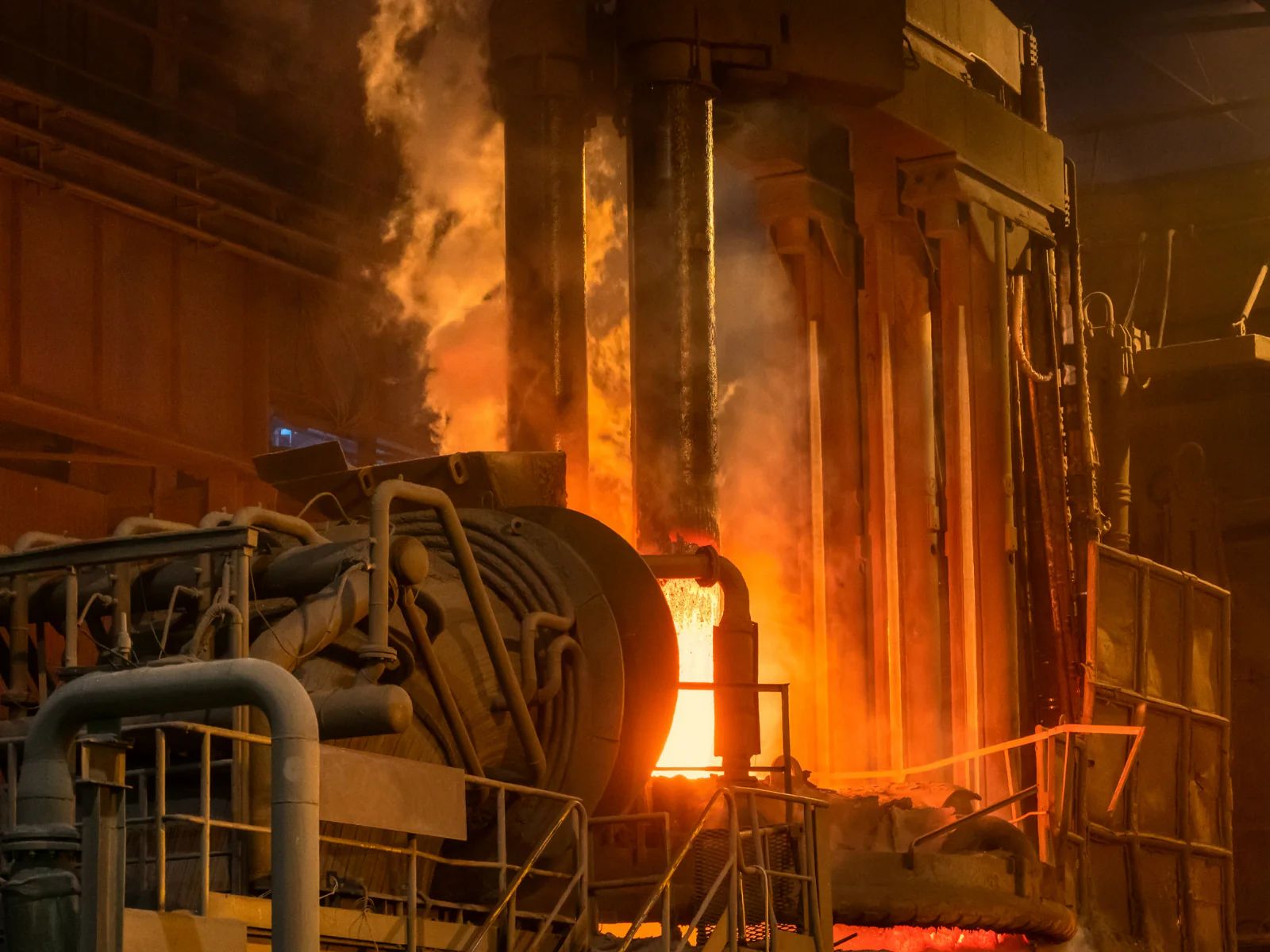
A float furnace runs for years between rebuilds, while combustion and temperature setpoints are often set at commissioning and only adjusted periodically. Cullet ratio, pull rate, composition and conditions still change from shift to shift. Fixed setpoints cannot consistently capture the efficiency available inside the proven operating envelope.
The shift
Operators and process engineers stay in charge of the furnace. What changes is whether combustion and temperature advice is scored against this tank's history for the pull and cullet actually running.
Today
With INSUS
How it works
This fits OptiStudio as operational decision support beside the existing DCS. Day one is advisory: recommendations do not write combustion or temperature commands to the furnace.
Connect
Read-only links to DCS or SCADA, historian records and available batch or cullet information: air/fuel ratio, furnace temperatures, pull rate, cullet ratio and fuel or oxygen use.
Understand
Identify best-performing historical periods at comparable pull, cullet and production conditions. The baseline is plant-specific, not a generic industry average.
Predict
Estimate how candidate combustion or temperature adjustments could affect specific energy use while checking they stay inside the furnace's established operating and quality envelope.
Advise
Rank candidate setpoint changes by estimated energy impact for the operator to review and apply within the proven operating range. No closed-loop write to the DCS.
Verify
Compare recommendations with measured specific energy and quality outcomes, then recalibrate to this furnace's history.

Getting started
For continuous glass melting where DCS and historian data already exist. Delivered through OptiStudio as advisory process decision support. Expert Services can help with discovery and shadow-mode validation. No new sensors are assumed where combustion and temperature tags are already logged.
Related for glass
Furnace energy sits beside cutting yield and defect root-cause analytics on the same float line.
Furnace setpoints often lag changing pull, cullet and conditions. This use case recommends combustion and temperature adjustments from this tank's history to improve specific energy use inside established quality limits.
DCS/SCADA and historian records for combustion, temperature, pull rate, cullet ratio and fuel or oxygen consumption, plus available glass quality and defect records.
No. The pilot is scoped to combustion and temperature instrumentation already logged by a modern float furnace DCS.
No. Integration is read-only decision support. Operators review and apply recommendations. There is no closed-loop write of combustion or temperature setpoints.
Candidate recommendations are screened against historical quality and defect behaviour. Energy advice is not pursued by relaxing proven quality constraints.
Yes. Those variables are important context because they change furnace energy performance. Advice is conditioned on available historical relationships for this furnace.
Through OptiStudio as operational decision support for melting furnaces. Expert Services can support discovery, data readiness and validation against the furnace's own energy and quality baseline.
Glass · Furnace & energy
Use DCS and historian data you already keep to build a furnace-specific efficiency baseline and review combustion and temperature recommendations. Start with one tank and measure against your own energy and quality history.