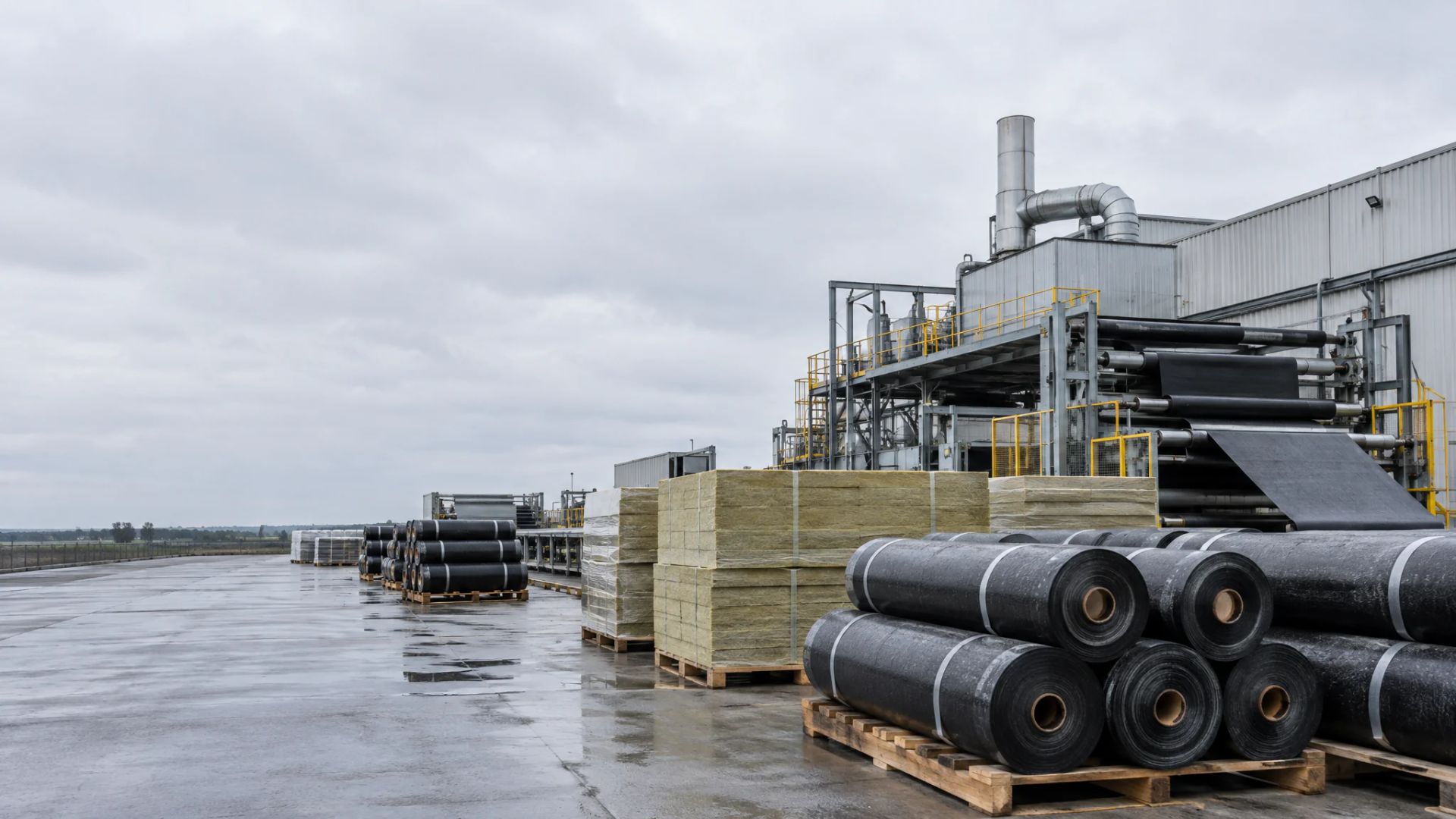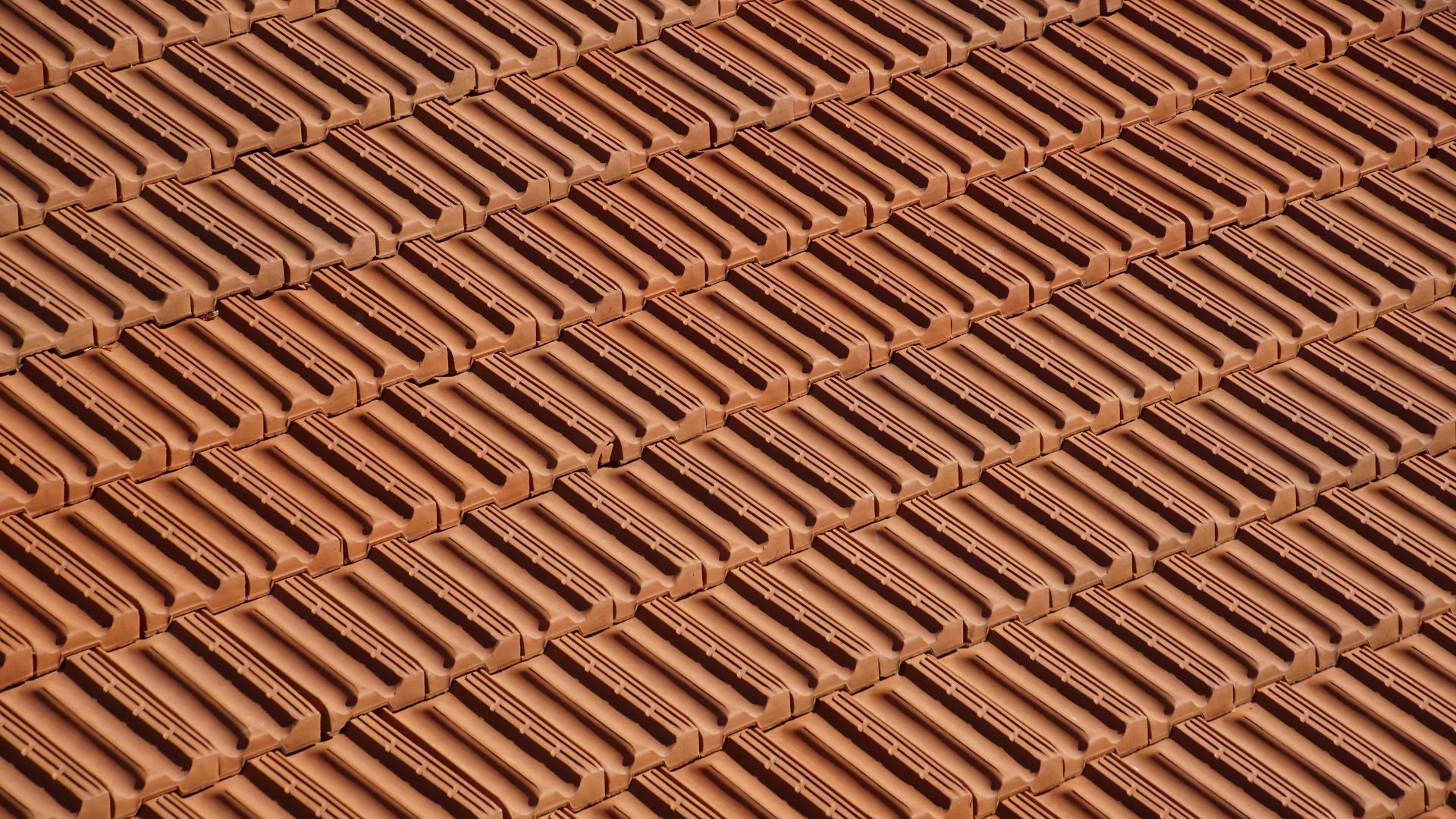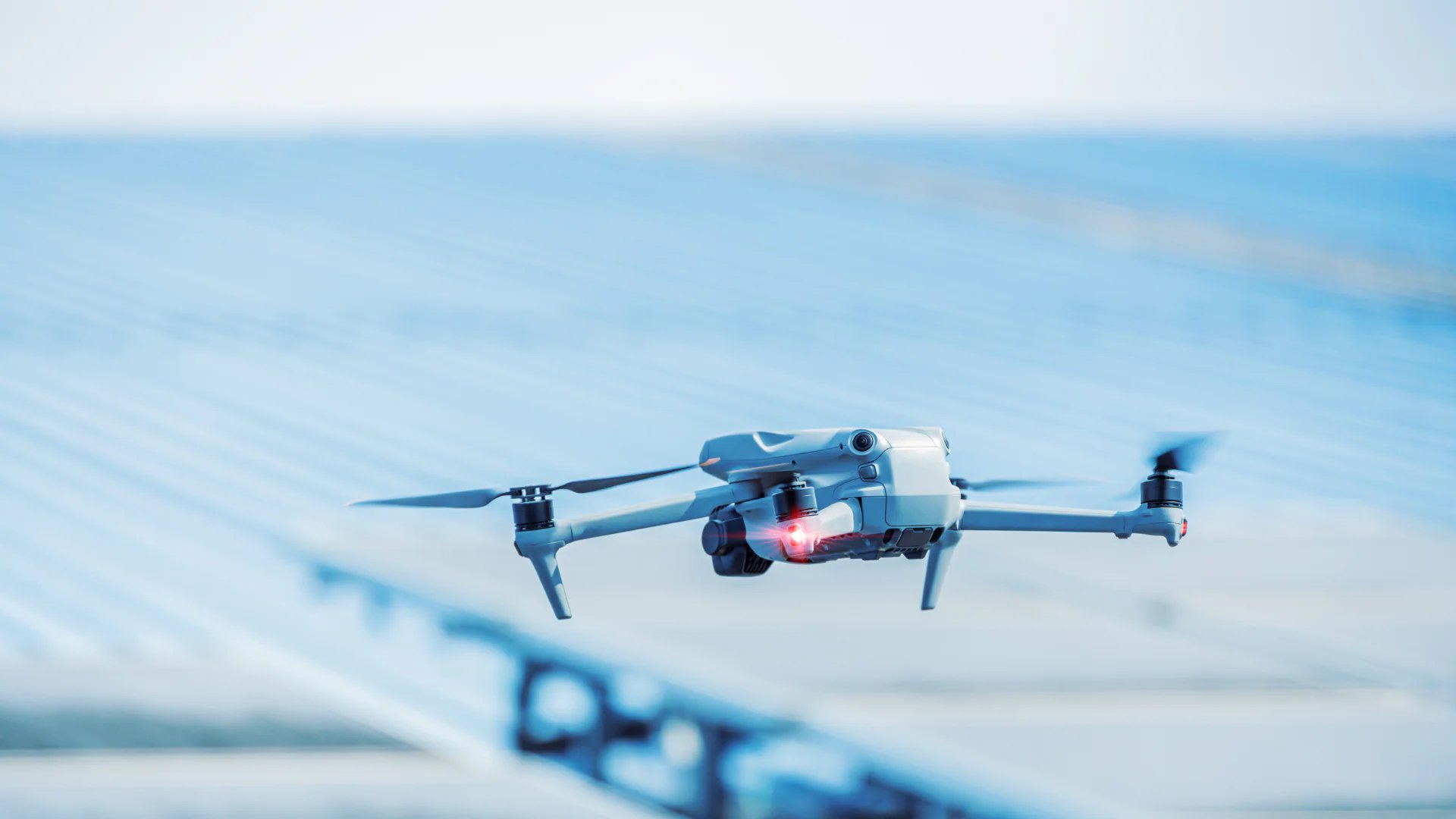
Today
The ladder picks the moment
- An inspector on the roof, with the time and risk that goes with it.
- Findings written differently from visit to visit.
- The report and claim wait even when photos already exist.

Manual walk-overs are slow, uneven and hard to defend when the claim or customer waits on a report. INSUS applies computer vision to drone, satellite or site photos you already keep so the first finding list is consistent, and the inspector still decides what is repaired, watched or claimed.
01
Works from imagery you already keep.
02
Visible defects typed and severity-scored.
03
Draft report for inspector review.
The problem
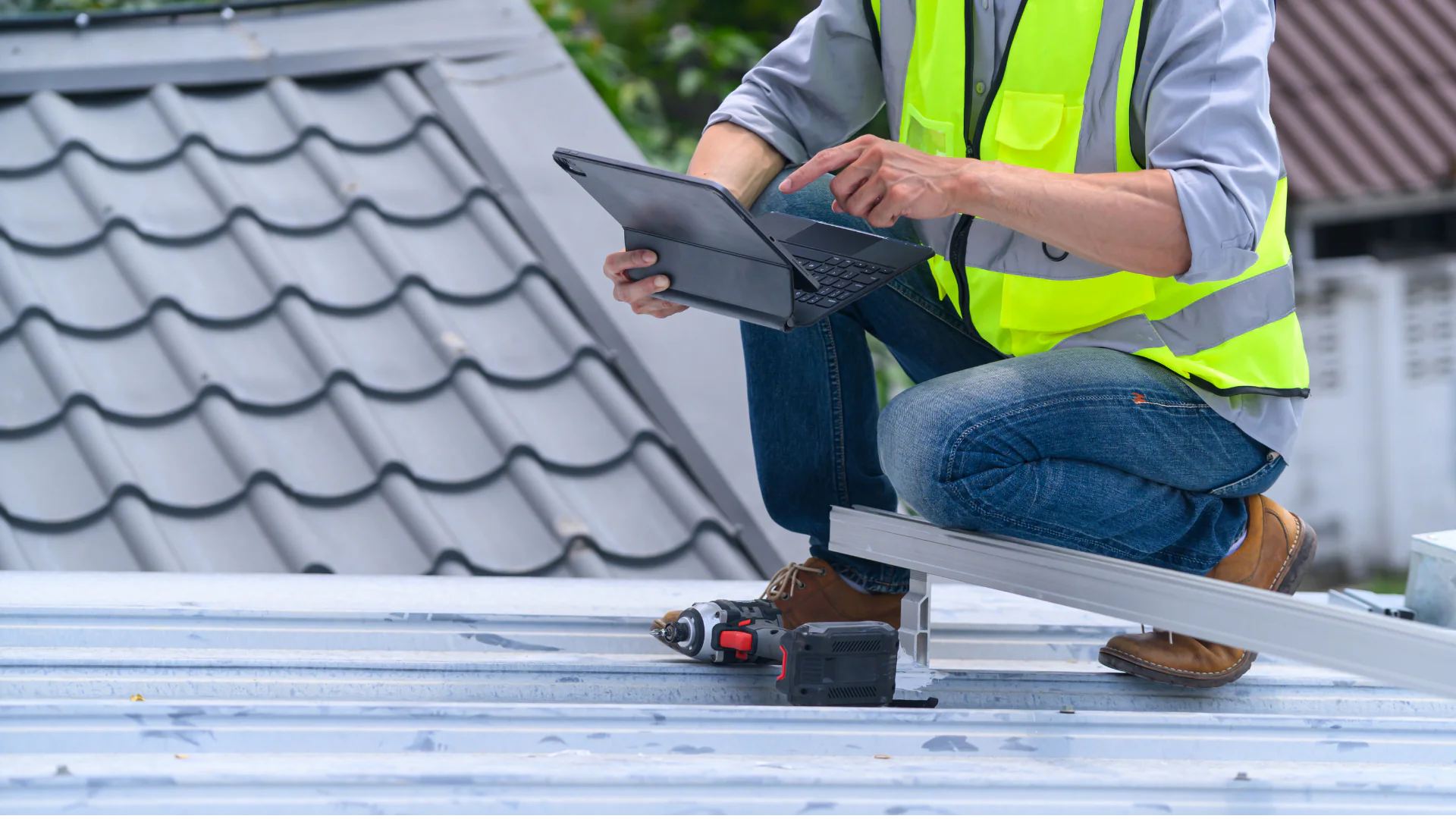
Sending someone onto the roof for a visual check takes time and carries real safety risk. Damage is often missed or written up differently from one visit to the next. Claims and customers need clear evidence, yet the report can still wait days after the photos are already on file.
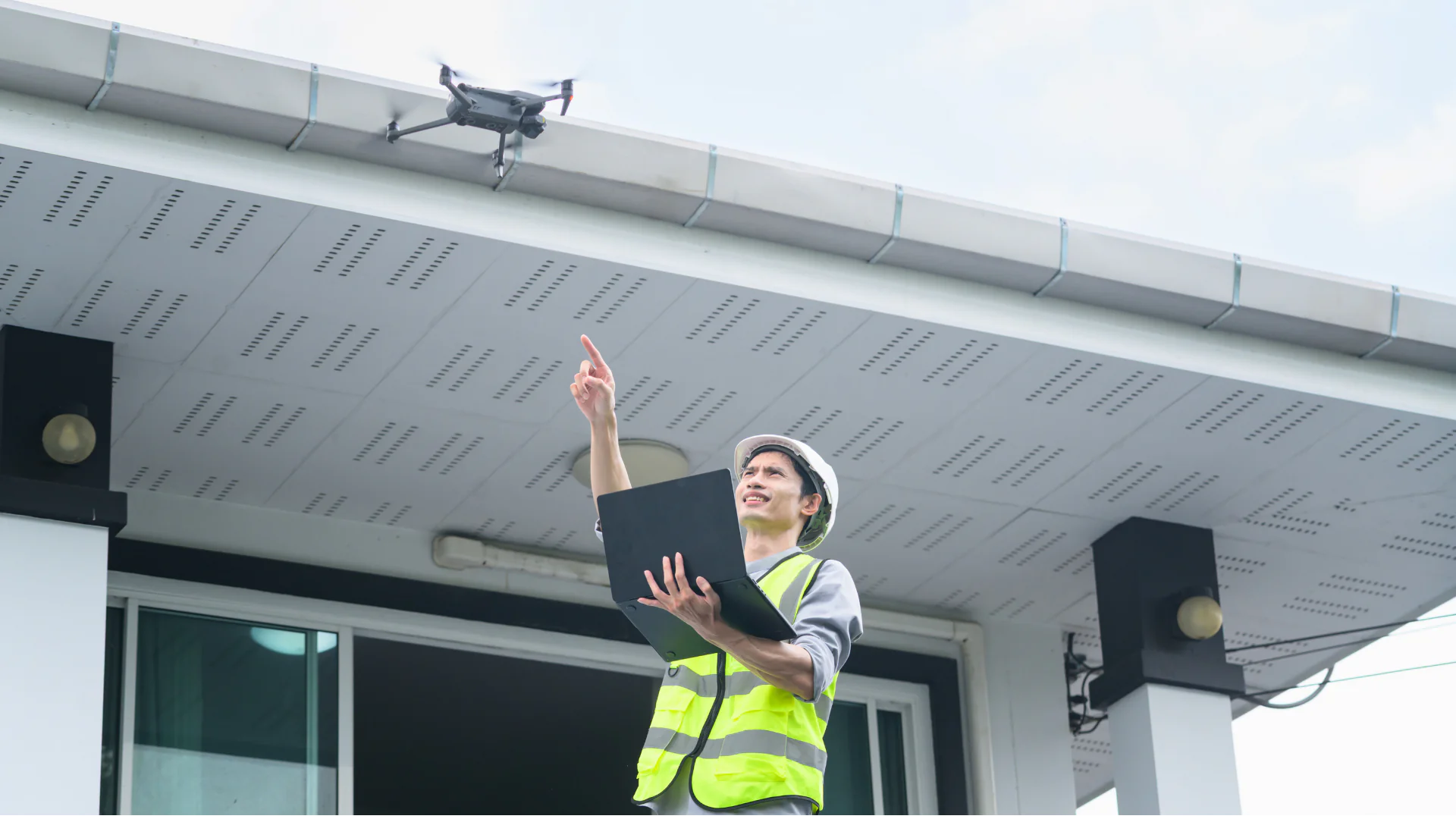
The shift
The inspector stays responsible for the repair, watch and claim decisions. What changes is whether existing imagery is scored into a consistent draft before the next climb.
Today
With INSUS
How it works
Delivered as a tailored computer vision workflow for defect detection, with AI Doc Generator supporting draft report assembly. Day one is advisory. INSUS does not fly the roof or replace professional judgement.
Connect
Ingest drone footage, satellite stills or site photos from your current stores. If a usable file set is missing, discovery says so rather than assuming a new flight.
Understand
Computer vision flags visible conditions such as missing shingles, cracks and punctures that a ground look or uneven write-up often misses.
Predict
Each finding is typed and severity-rated from what is visible. Image quality, roof type and weather limit what can be claimed from a photo alone.
Advise
Findings are written into a draft report for customer or claim review. The inspector decides what is repaired, watched or submitted.
Verify
Pilot findings are compared with a recent manual inspection on the same roof type before anyone trusts the draft for live customers or insurers.
Getting started
For roofing teams that already hold drone, satellite or site photos. Delivered as a tailored computer vision workflow, with AI Doc Generator for draft report assembly. Expert Services can help scope discovery and validation against a recent walk-over. No new capture hardware is assumed where usable files already exist.
Related for roofing
Inspection scoring sits beside measurement quotation and CPR documentation on the same roofing operation.
Manual inspections are slow, uneven and hard to defend when photos already exist. This use case scores visible defects from those files into a draft report the inspector reviews.
Usually not. If you already fly roofs or keep satellite or site photos, the pilot works from that imagery. If usable files are missing, discovery says so rather than assuming new capture.
No. It puts a consistent finding list in front of the inspector. People still decide what is repaired, watched and submitted for a claim.
The draft includes findings, severity and source imagery for review. Whether a given insurer accepts it as evidence is their process. We scope the output against the claim files you already submit.
The first pilot is scoped to the type you inspect most, typically asphalt shingle or low-slope membrane. Mixed sites come after validation.
We start with visible imagery you already have. Missing shingles and surface cracks can run on those files. We will not invent a leak call from a colour photo alone.
As a tailored computer vision workflow for defect detection, with AI Doc Generator for draft report assembly. Expert Services can support discovery and validation against a recent walk-over.
Roofing · Inspection
See whether computer vision on your existing imagery can give inspectors a consistent first finding list and a draft report they still control.