Metals industry

Where the furnacepays for the charge

Primary metal burns power by the tonne. Scrap arrives with a different chemistry than the last heat. Refining and casting quality are confirmed after the metal has already moved. The plant still has to ship.

  • 01

    Energy spent on this heat, not the last one

    Read furnace, potline and utility tags the plant already logs, so extra power or fuel is not the only answer when feed or scrap mix changes.

  • 02

    A model per cell, not per line

    Learn how each pot actually behaves as it ages, so feeding and voltage guidance follows the cell rather than the line average it sits inside.

  • 03

    Dilution sized for this scrap, not the worst case

    Use the charge records and spectrometer results the plant already keeps, so primary metal covers the tramp load actually on hand rather than the one it might have been.

On the furnace and the caster

Quality is decided inside the heat

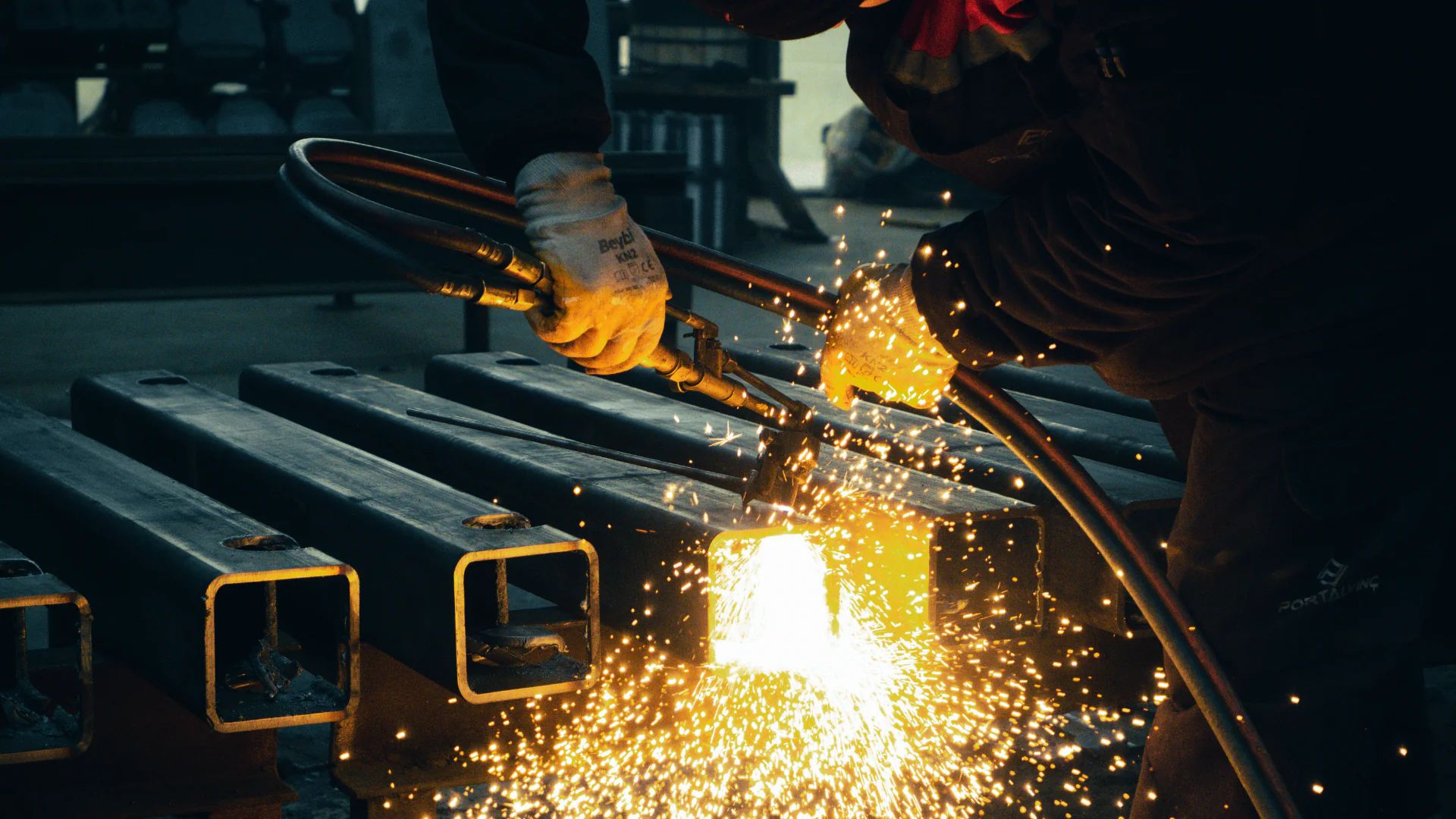
Nonferrous metals plants lose money in three places that rarely share one screen: primary metal burning more power than the tonne needs, scrap or charge chemistry that drifts before the assay catches it, and a casting or refining miss found after the heat has left. Most of that is already in historian tags, lab tickets and melt records — after the fact.

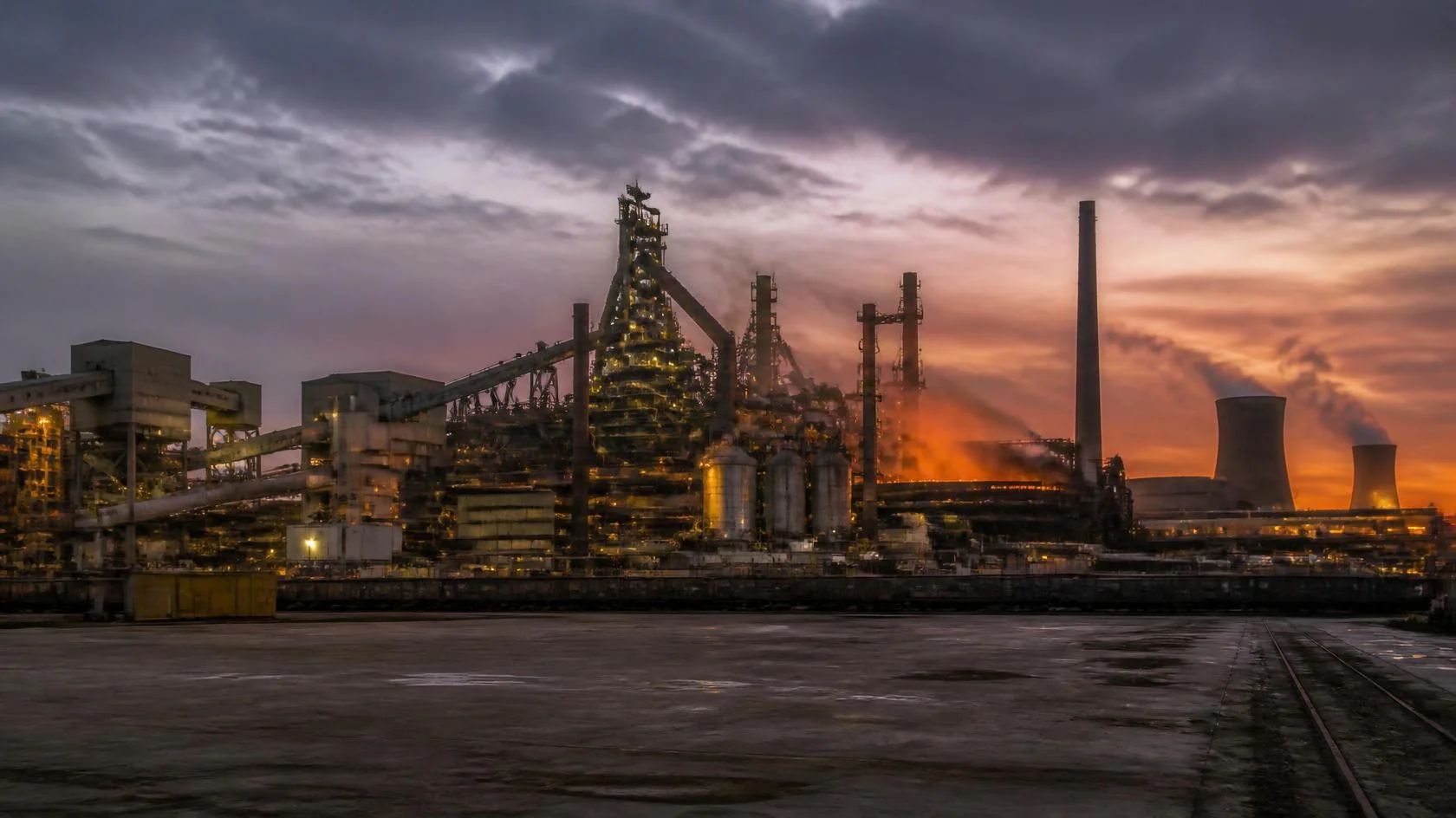
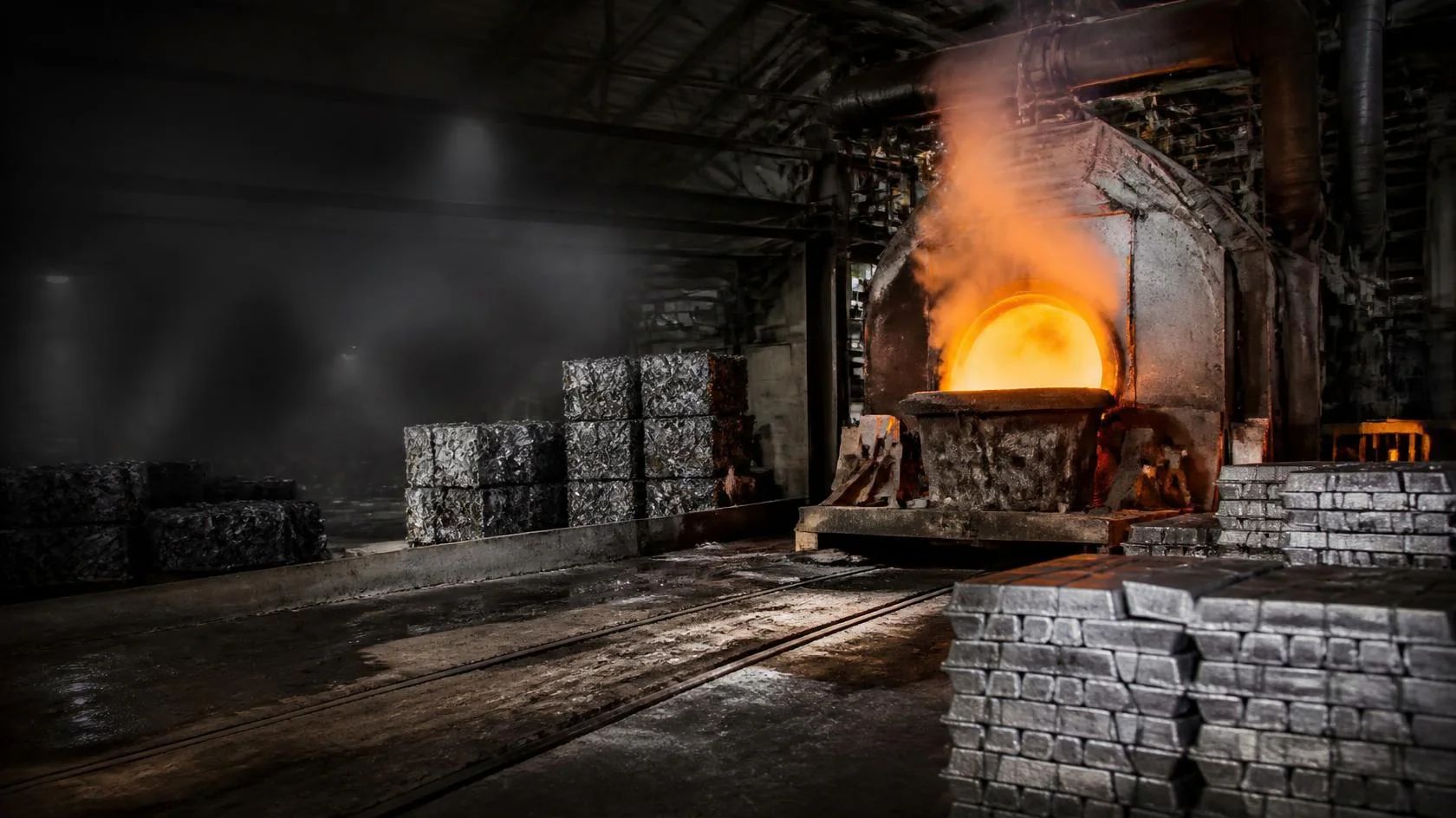
Industrial energy and furnace systems under continuous loadPrimary metal

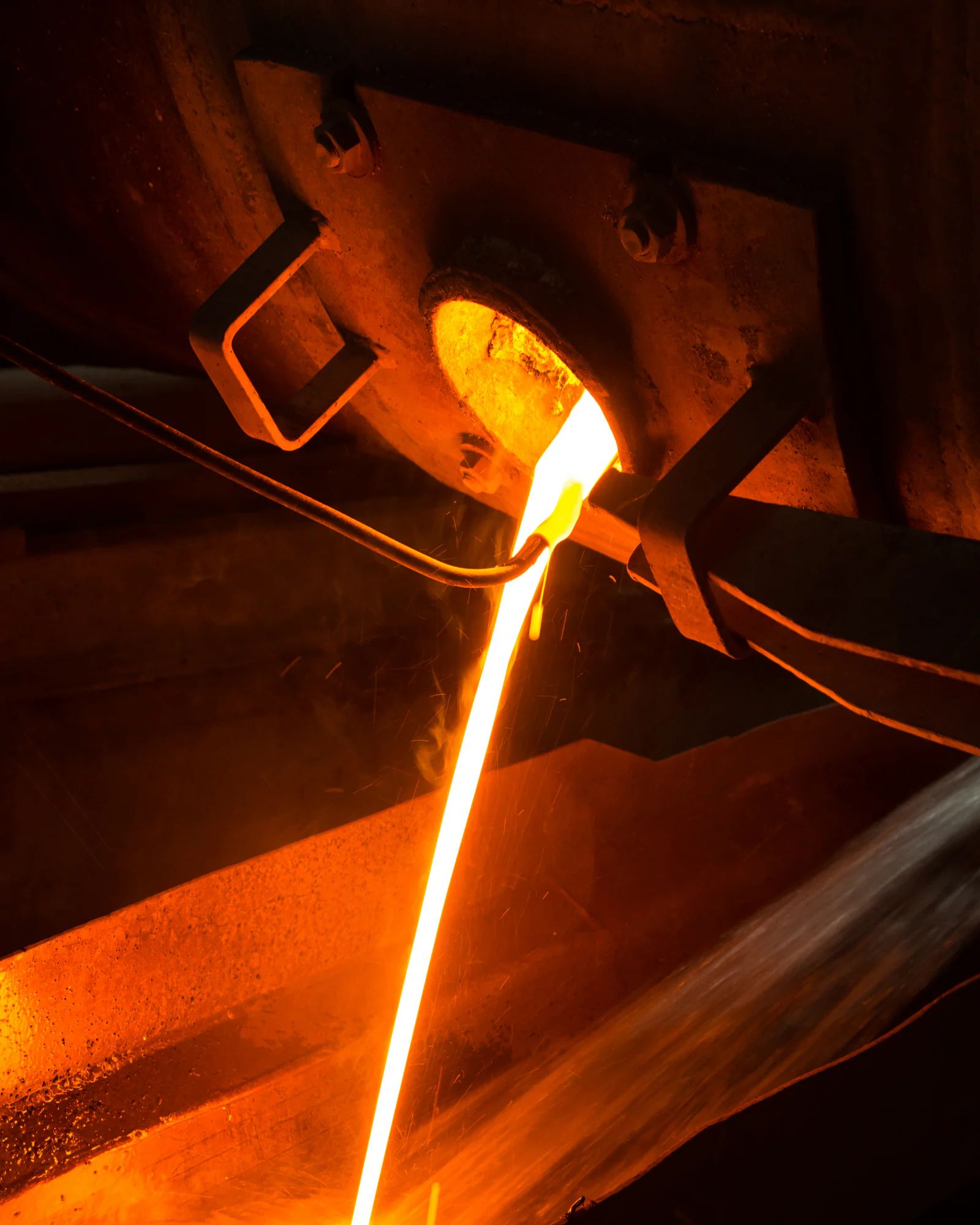
Smelting is where the power bill is decided

Primary aluminum production is among the most electricity-intensive industrial processes. The Aluminum Association cites about 14,821 kWh of electricity per tonne of aluminum — so conservative potline or furnace settings quickly become structural cost.
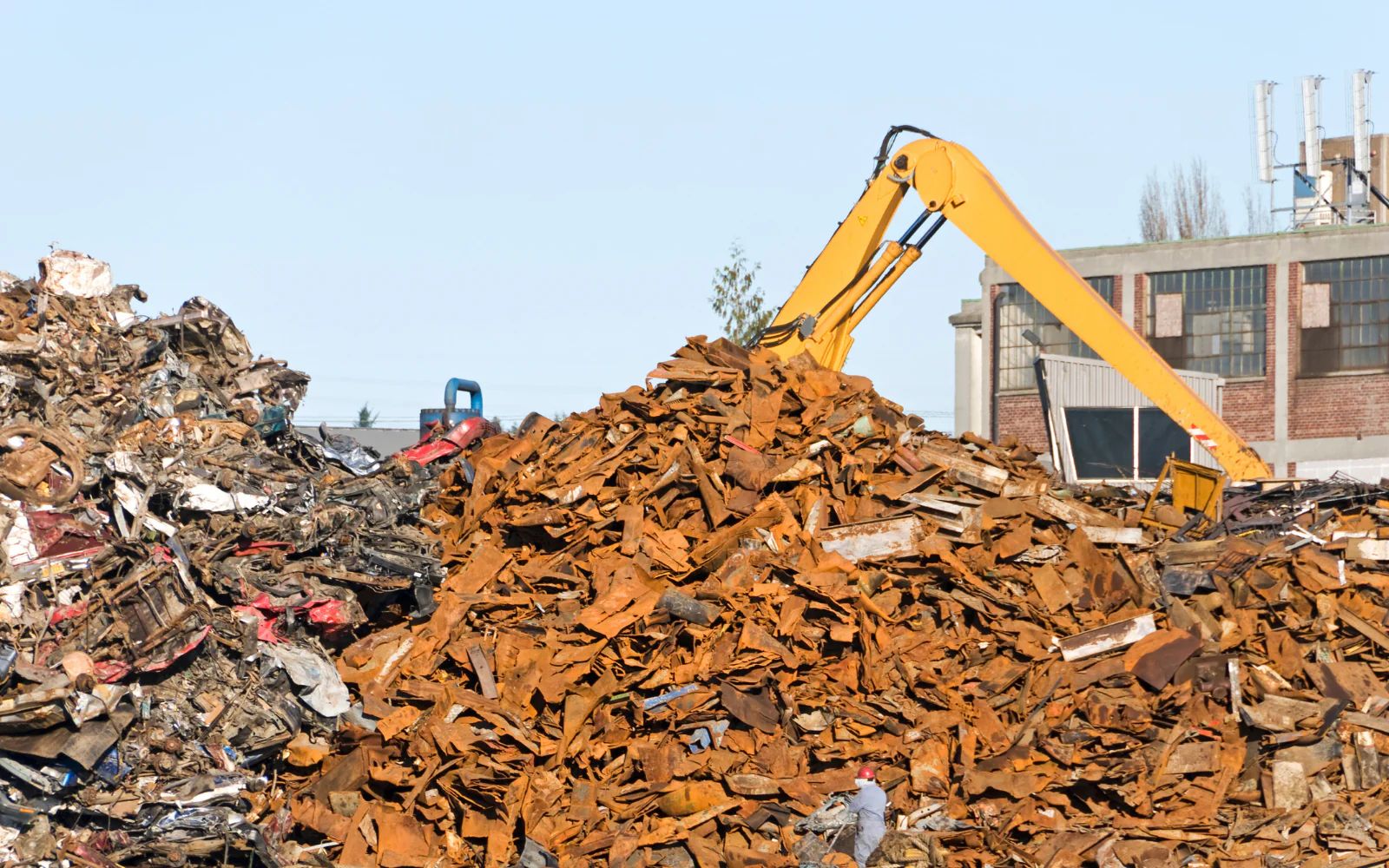
Industrial materials handling and utility systems for scrap and charge preparationSecondary metal

Scrap saves energy — if the charge is clean enough

EIA and DOE-linked reporting put secondary aluminum at roughly 90% less energy than primary production. Contaminants, mixed alloys and uncertain scrap tickets still show up as dross, inclusions or off-spec chemistry after the melt.

Plant team reviewing melt and quality readings for metals productionThe heat

Chemistry and defects are confirmed after the metal has moved

Refining, alloying and casting still often reconcile assays and surface quality after the heat or cast has left the station. The correction is then remelt, scrap or a customer claim — not a setpoint change that could still have helped.

Turning the furnace harder is the easy correction. It is also how the campaign is spent.

INSUS works from furnace and casting tags, charge and scrap tickets, assays and equipment logs a plant already keeps. If the gap is dirty scrap, a drifting melt profile, or a cast that already missed chemistry, that is what we will say. Recommendations stay advisory. Existing control systems stay on the loop.

Explore the possibilities

Industry figures

The scale of what is being decided

Four external figures, each with its source. Nothing on this page is an estimate we made up. Where we cannot cite a number, we describe the situation in words instead.

Primary Al

~14.8MWh/t

of electricity is cited by the Aluminum Association as required to produce one tonne of primary aluminum — the reason potline power contracts decide whether a smelter can run.

Source: Reuters / Aluminum Association (May 2025)

Scrap Al

~3.6Mt

of aluminum was recovered from purchased scrap in the United States in 2024, of which about 56% was new (manufacturing) scrap and 44% old (post-consumer) scrap, according to USGS.

Source: USGS Mineral Commodity Summaries 2025, Aluminum

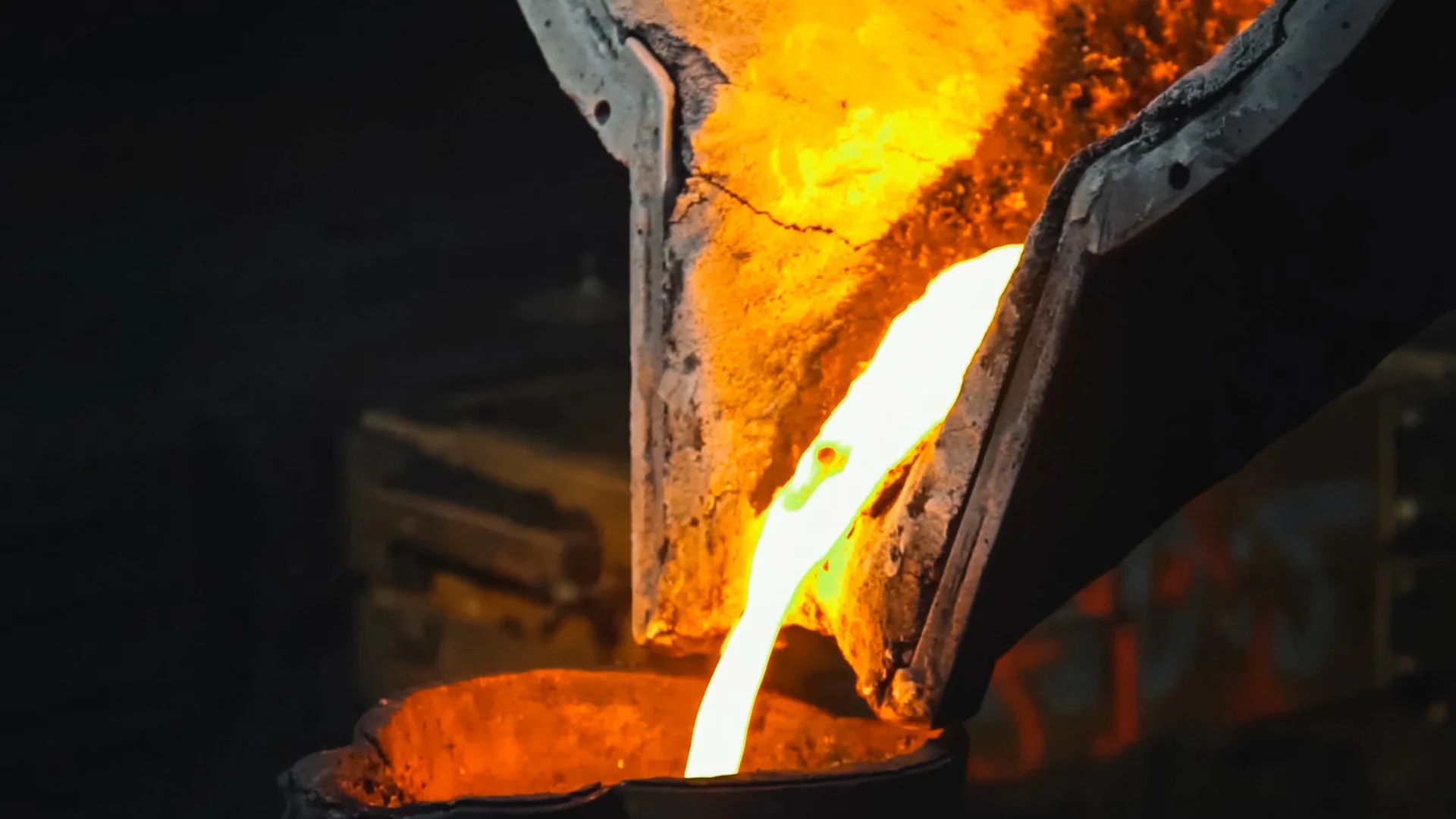
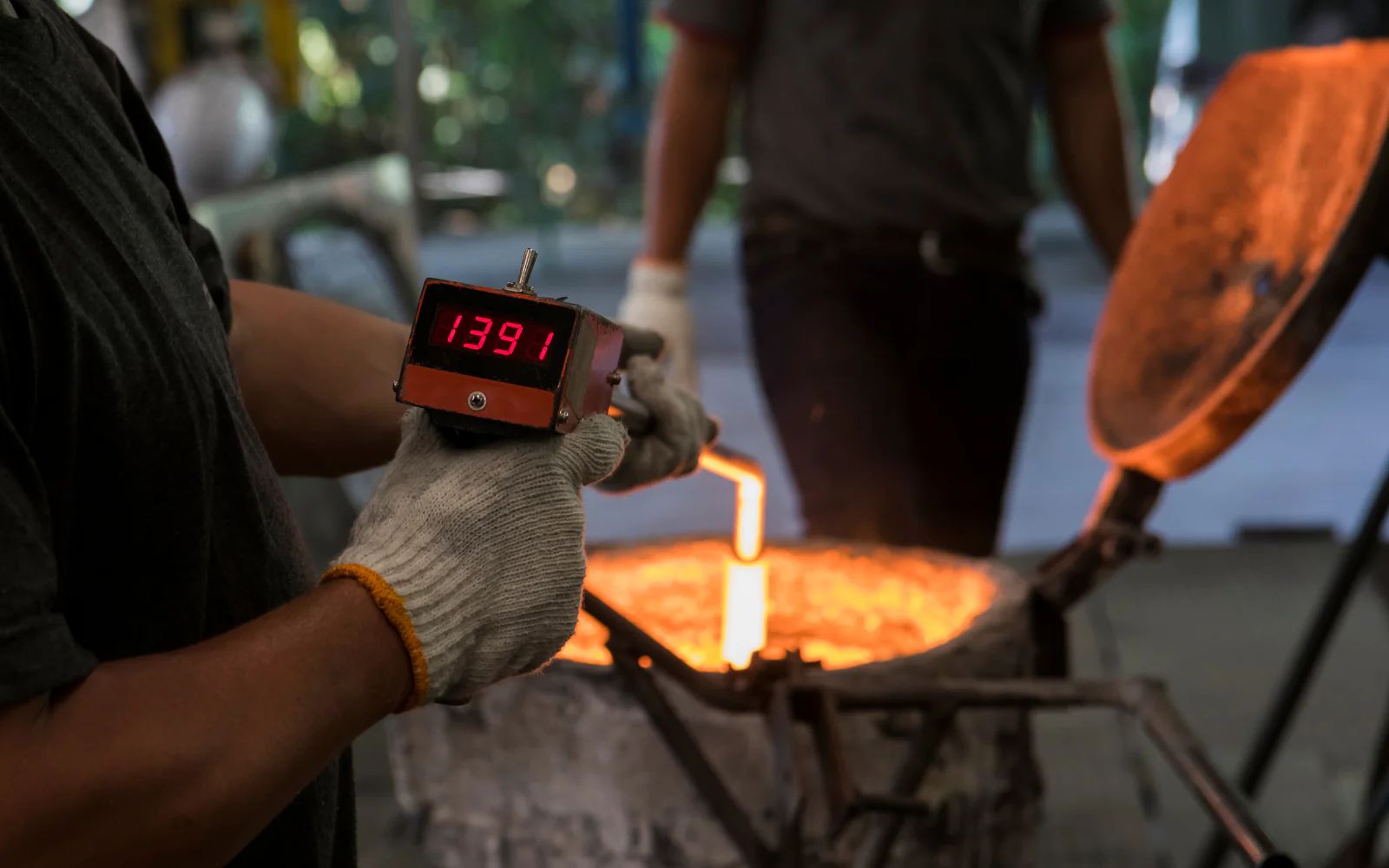
Melting, refining and casting operations for nonferrous metals

Common problems

Problems that cost you before you notice

None of these shows up as a single alarm. They show up in the power bill, in the primary metal added to cover scrap nobody measured, and in an emissions figure nobody can trace back to a record.

  1. Hundreds of cells run one recipe

    Cells on the same pot line differ in age, lining condition and thermal history, but control parameters are largely applied line-wide. Some cells therefore carry far more operating margin than others, and the difference only shows as a line-level average.

    See: Aluminium Pot Line Stability & Energy
  2. An efficient plant can still be charged as an inefficient one

    Under CBAM, actual embedded emissions have to be verified by an accredited third party or default values apply. The figure is only as good as the trail behind it, and evidence that was never captured during the production month cannot be reconstructed later.

    See: CBAM Embedded Emissions Assembler
  3. Primary metal is added to cover scrap nobody measured

    Most tramp elements cannot be removed once the scrap is molten, so specification is met with primary dilution set by alloy rather than by the lots actually on hand. Part of that metal buys margin against uncertainty, and it caps the recycled content customers keep asking for.

    See: Scrap Charge Blend Advisor

Use cases

Places worth a closer look

Each is a specific starting point — this group of cells, this furnace, this goods category — and a next conversation if it is worth your time.

Primary aluminium smelting operations under continuous electrical load
Energy

Aluminium Pot Line Stability & Energy

Per-cell models for primary aluminium smelters that learn how each pot behaves, flag anode-effect risk early and guide feeding and voltage within existing stability limits.

See the full use case
Production, energy and precursor records assembled into a traceable embedded emissions figure
Regulatory compliance

CBAM Embedded Emissions Assembler

Assemble installation-level CBAM embedded emissions from your own production, energy and precursor records, with every figure traceable to the source a verifier will ask for.

See the full use case
Aluminium scrap streams feeding a remelt furnace alongside a primary metal dilution stream
Secondary metal

Scrap Charge Blend Advisor

Charge recommendations for aluminium remelt and cast house teams that size primary dilution against the tramp load the available scrap actually carries, with element limits held as hard constraints.

See the full use case

FAQ

Questions that come up in every first call

A practical look at what INSUS needs, where it fits and what your team can expect.

The work that fits is the data a nonferrous metals plant already produces: per-cell pot control history, voltage and resistance, bath and metal analysis, furnace charge records with their matching spectrometer results, scrap lot records, and the production, energy and precursor records behind a CBAM declaration. Closed-loop pot control or charging, automatic grading of every cast and any promise about a verification outcome are not things we will offer.

Steel on this site focuses on iron and steel melt shops and rolling mills. Metals focuses on nonferrous operations — aluminum, copper and related melting, refining, scrap remelt and casting — where power intensity, scrap chemistry and secondary metal streams dominate the cost picture.

Usually not. Pot lines are among the most densely instrumented processes in heavy industry, and most plants already have historians, lab tickets and cell records. If a temperature sensor has been drifting or a scrap bay is unread, that comes before any model.

No. The person who knows this furnace, this scrap mix and this alloy stays responsible. The aim is to stop the next shift firing harder from habit, and to flag a developing equipment issue before it stops the line.

No. It advises the operator or the process engineer, and sits read-only above your existing control system during a pilot. PLCs, Level-2 systems, pot control and any APC stay in charge of the loop, and safety interlocks are not touched.

No. Energy and quality depend on feed, scrap condition, equipment condition and operating practice. We will not invent a savings percentage or a reject-rate target for your plant.

It is the Aluminum Association figure for primary aluminum electricity intensity cited in industry reporting — not a measurement of your furnace or potline. Your meters and historian are the numbers that matter.

Yes. One defined group of pot cells spanning different ages, one remelt furnace and two or three high-volume alloys, or one installation and one CBAM goods category — each is a practical start. Establish an honest baseline there, then decide whether to widen.

Contact

Talk to a metals expert

  • 30 minA focused conversation about the metals problem you are trying to solve. No sales deck.
  • OutcomeA practical view of whether INSUS can help, what data would be needed and where it makes sense to start.
  • We will first understand your current process, what information you have and where the biggest gap is.
  • If the right answer is a scrap assay check, a melt practice update, a maintenance action or an existing system, that is what we will tell you.

Request a call

We reply within one working day, from a person, with a proposed time.