Minerals industry

Where the millpays for the feed

Ore arrives with a different grade than last week. Classifiers send liberated particles back to the mill. Recovery and concentrate quality are confirmed after the shift has already moved. The plant still has to ship tonnes.

  • 01

    kWh spent on this ore, not the last campaign

    Read mill power, feed rate and size tags the plant already logs, so overgrinding is not the only answer when ore hardness or classifier behaviour changes.

  • 02

    A mill that holds its operating point

    See a circulating-load disturbance coming from the circuit's own history, so feed is adjusted before load and power draw have already moved.

  • 03

    Recovery read from the feed

    Predict flotation circuit condition from head grade, particle size and flowrate, so a recovery or grade shortfall is visible before the assay confirms it.

On the mill and the flotation bank

Value is decided before the concentrate cools

Minerals plants lose money in three places that rarely share one screen: a grinding circuit burning power on particles that were already liberated, a flotation bank missing recovery when feed mineralogy shifts, and a concentrate grade confirmed after the tonne has left the thickener. Most of that is already in historian tags, assays and metallurgical reports — after the fact.

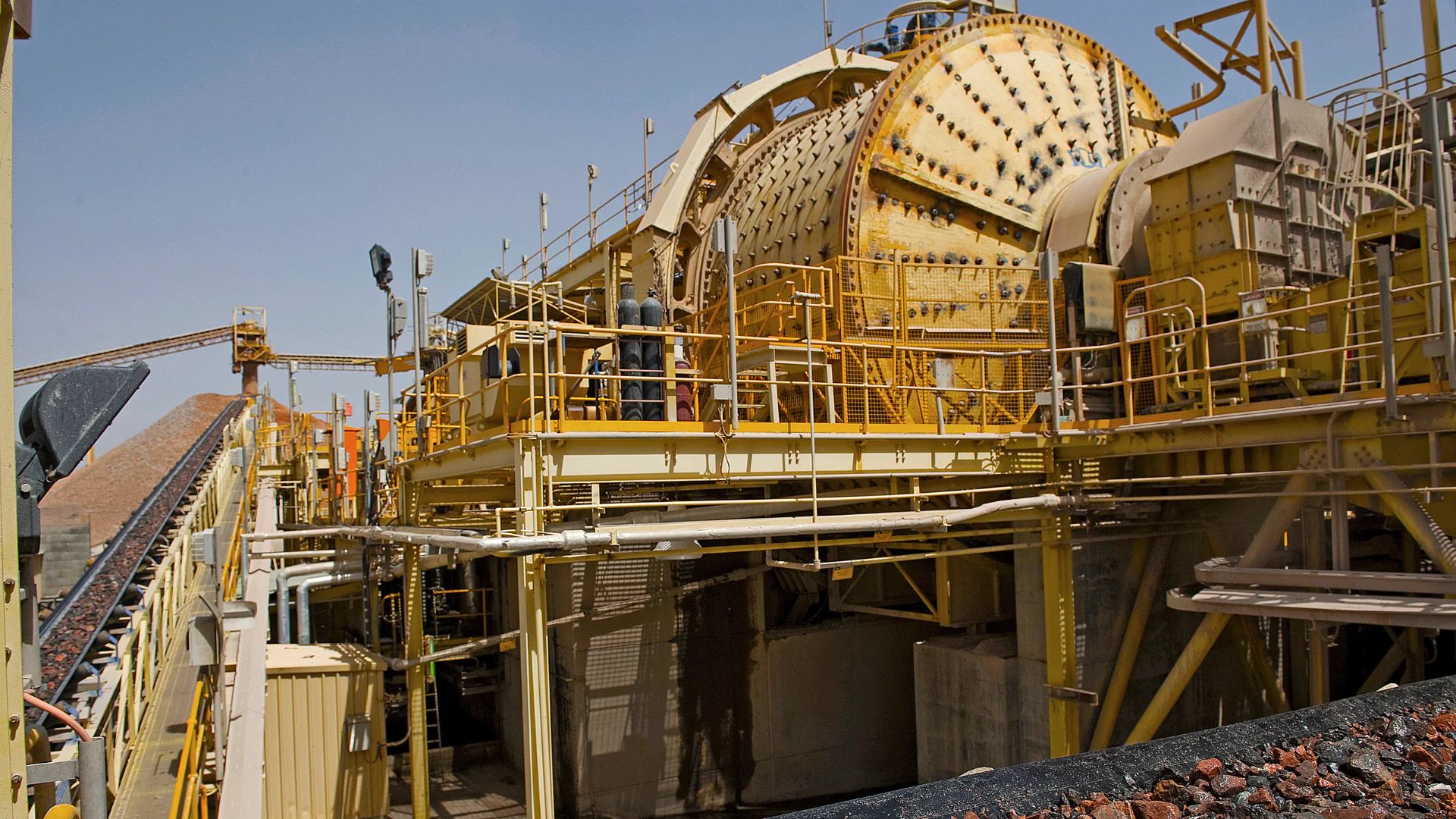
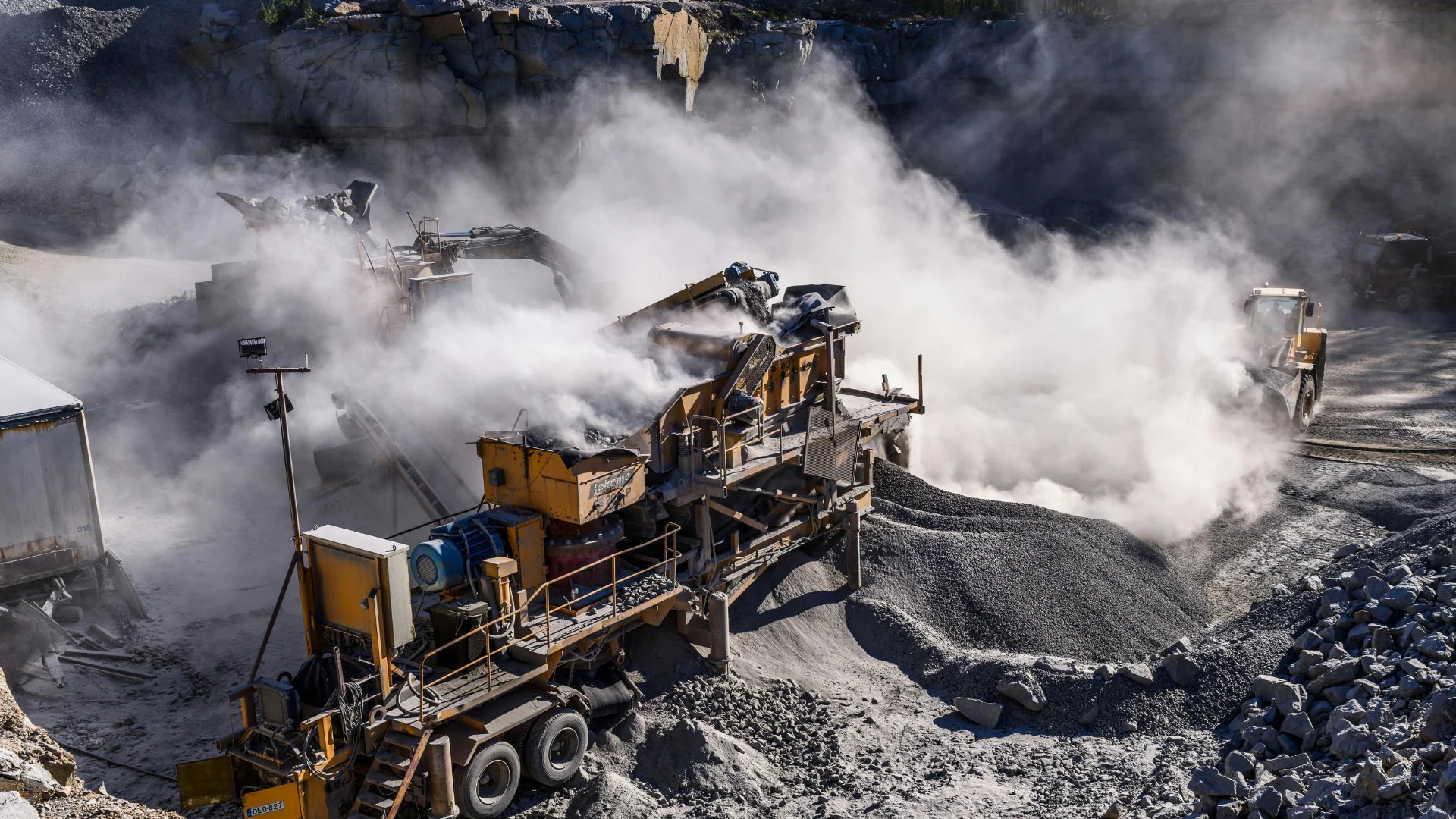
Industrial grinding and energy systems under continuous loadThe mill

Grinding is where most of the plant energy goes

DOE-funded work on mineral processing plants reports that grinding typically accounts for about 40–60% of total plant energy. Liberated dense particles returned by classifiers keep consuming power without improving liberation — and can raise circulating load.

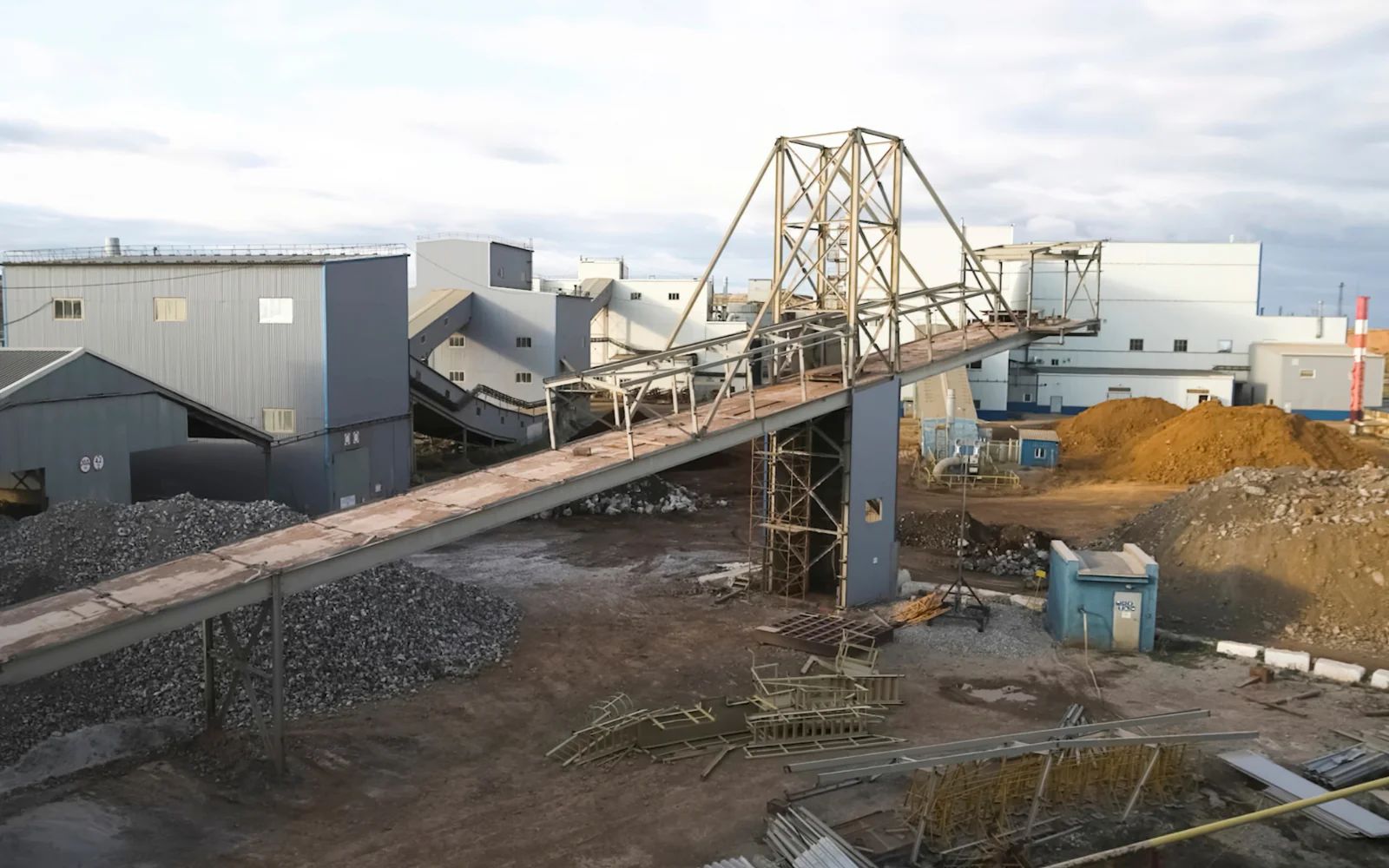
Fixed plant and materials handling of the kind used in minerals processingThe feed

Ore grade and hardness do not stay on the mine plan

USGS events reporting for copper and other metals repeatedly cites lower ore grades, geotechnical mine-plan changes and reduced mill throughput as reasons production moves. The mill still has to meet a concentrate contract on whatever arrives.

Plant team reviewing mill and assay readingsThe circuit

Recovery is confirmed after the shift has moved

Flotation, magnetic separation and leaching still often reconcile grade and recovery in the end-of-shift metallurgical report. By then the tonne in the tails is already gone — and the reagent or air change that would have helped is history.

Turning the mill harder is the easy correction. It is also how the campaign is spent.

INSUS works from mill and flotation tags, size and assay tickets, metallurgical reports and equipment logs a plant already keeps. If the gap is classifier behaviour, a drifting reagent set, or a concentrate that already missed grade, that is what we will say. Recommendations stay advisory. Existing control systems stay on the loop.

Explore the possibilities

Industry figures

The scale of what is being decided

Four external figures, each with its source. Nothing on this page is an estimate we made up. Where we cannot cite a number, we describe the situation in words instead.

Metal mines

$33.5B

was the estimated value of U.S. metal mine production in 2024, with gold, copper and iron ore as the largest contributors to that total.

Source: USGS Mineral Commodity Summaries 2025

Capacity

53%

capacity utilization for the U.S. metal mining industry in 2024 — unchanged after declining for the four prior years, according to USGS.

Source: USGS Mineral Commodity Summaries 2025

Industrial minerals

$72.1B

was the estimated value of U.S. industrial minerals production in 2024, including construction aggregates — more than twice the metal-mine production value in the same year.

Source: USGS Mineral Commodity Summaries 2025

Grinding

40–60%

of total energy in a mineral processing plant is typically expended in grinding, according to DOE-funded taconite plant research — with classification inefficiencies sending already-liberated particles back to the mill.

Source: DOE / OSTI taconite processing efficiency report

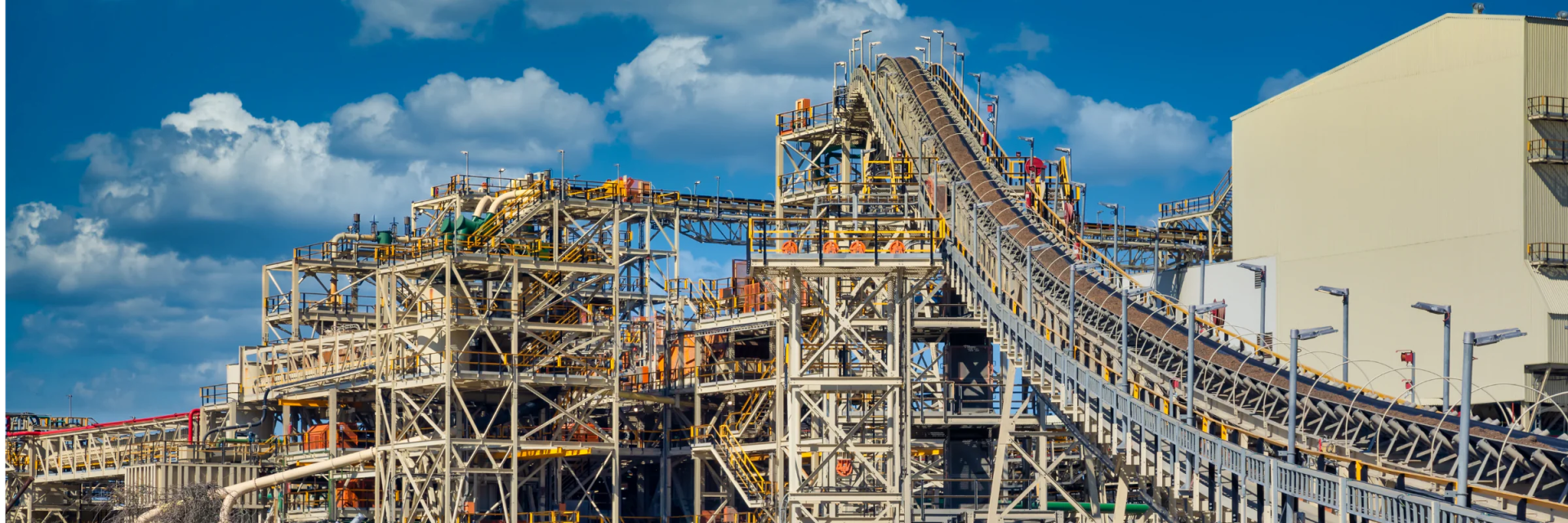
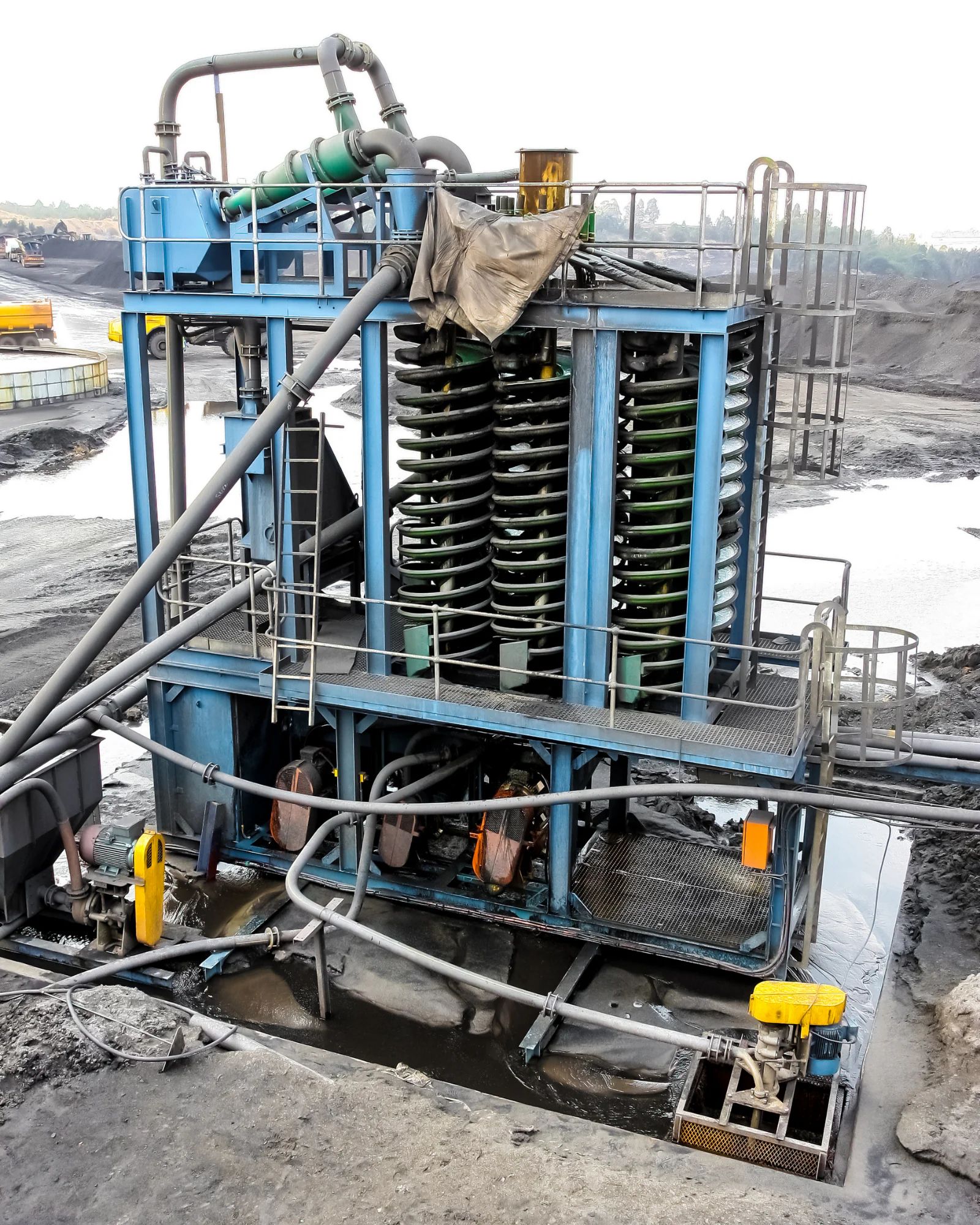
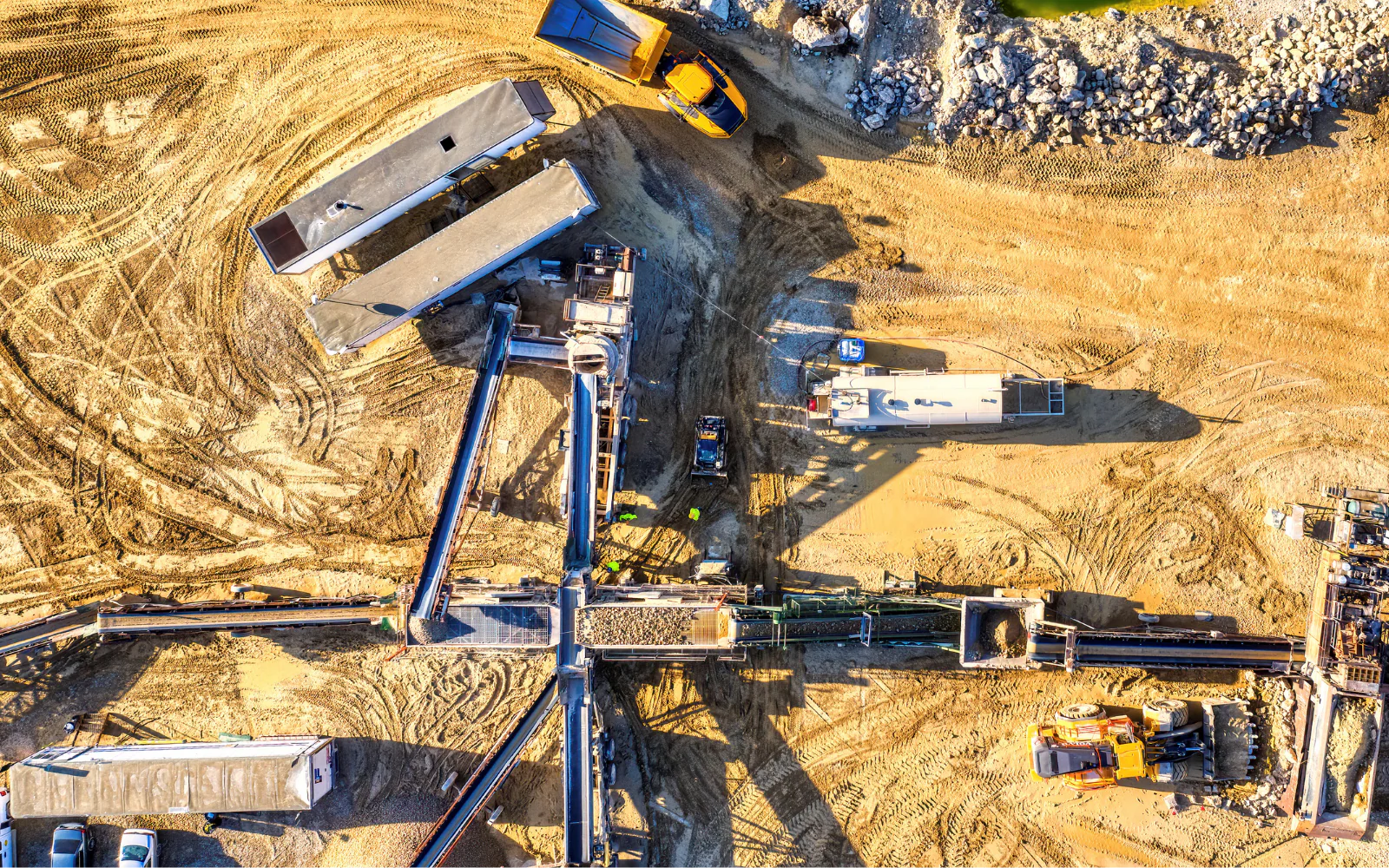
Crushing, grinding and materials-handling plant of the kind used in minerals processing

Common problems

Problems that cost you before you notice

None of these shows up as a single alarm. They show up in the power bill, in the metal that left with the tailings, and in the application folder that is still being assembled.

  1. The circuit is corrected after the disturbance arrives

    Mine sequencing, ore-grade decline and changing hardness move what the mill receives. Fresh feed is then adjusted once load and power draw have already shifted, so specific energy drifts before anyone can act on it.

    See: Comminution Energy & Stability Optimization
  2. Flotation recovery is reconciled after the shift

    Reagent, air and level setpoints stay fixed while head grade, particle size and solids flowrate drift. Recovery and grade then appear in the assay — when the tonne in the tails cannot be reworked and the feed that caused it has already changed.

    See: Flotation Recovery & Grade Optimization
  3. Project evidence is reconstructed as the cut-off approaches

    Technical, environmental, permitting and supply-chain records for a Critical Raw Materials Act Strategic Project sit with different teams. Criteria coverage is checked by hand, so missing or inconsistent evidence tends to surface late in the application cycle.

    See: CRMA Strategic Project Compliance

Use cases

Places worth a closer look

Each is a specific starting point — this grinding circuit, this flotation stage, this project record — and a next conversation if it is worth your time.

SAG grinding circuit operating under continuous energy load
Energy

Comminution Energy & Stability Optimization

Anticipate circulating-load disturbances on SAG and AG grinding circuits to stabilise mill load and power draw, using the mill instrumentation already on the plant.

See the full use case
Froth flotation cells and wet circuit equipment in a minerals processing plant
Recovery

Flotation Recovery & Grade Optimization

Predict froth flotation circuit condition from the feed data your plant already records, and put setpoint recommendations in front of the metallurgical team before the assay confirms a shortfall.

See the full use case
Strategic Project technical, environmental and supply-chain documentation organised for review
Regulatory compliance

CRMA Strategic Project Compliance

Organise Critical Raw Materials Act Strategic Project documentation against the applicable criteria, surface gaps early and keep the project record ready for review.

See the full use case

FAQ

Questions that come up in every first call

A practical look at what INSUS needs, where it fits and what your team can expect.

The work that fits is the data a minerals processing plant already produces: mill load, power draw, feed rate and circulating load in the historian; head grade, particle size, flotation setpoints and assay results in the historian and LIMS; and the technical, environmental and supply-chain records behind a Strategic Project application. Closed-loop mill or flotation control and automatic grading of every tonne are not promises we will make on day one.

Mining on this site focuses on pit and site operations — shift records, monitoring streams and site equipment. Minerals focuses on the processing plant: crushing, grinding, classification, flotation or other beneficiation, concentrate quality and the metallurgical record.

Usually not for mill power, load, feed rate, circulating load, flotation setpoints and assays. Most plants already have a historian, a metallurgical lab and some size measurement. If a density meter has been drifting or a classifier is unread, that comes before any model.

No. The person who knows this ore body, this mill and this flotation bank stays responsible. The aim is to stop the next shift grinding harder from habit, and to flag a developing equipment issue before it stops the plant.

No. Both use cases advise the operator or the metallurgist, and existing PLCs, expert systems and any APC stay in charge of the loop. Flotation setpoint changes remain a human decision, and safety interlocks are not touched.

No. Energy depends on ore mineralogy, equipment condition and operating practice. Published trials on other circuits are evidence that the method can work, not a savings percentage we will promise for your plant.

It is the share reported in DOE-funded mineral processing research for grinding as a share of plant energy — not a measurement of your circuit. Your historian and power meters are the numbers that matter.

Yes. One SAG or AG grinding line, one flotation circuit or differential stage, or one Strategic Project and its documentation is usually the practical start. Establish the baseline, measure against it, then decide whether to widen.

Contact

Talk to a minerals expert

  • 30 minA focused conversation about the minerals processing problem you are trying to solve. No sales deck.
  • OutcomeA practical view of whether INSUS can help, what data would be needed and where it makes sense to start.
  • We will first understand your current process, what information you have and where the biggest gap is.
  • If the right answer is a sensor check, a classifier change, a maintenance action or an existing system, that is what we will tell you.

Request a call

We reply within one working day, from a person, with a proposed time.