Processing industry

Where the moleculepays for the miss

Feed already arrives. Treating, recovery and conversion decide what leaves as sales gas, NGL or product. Spec misses and trips show up after the run has moved. The plant still has to ship.

  • 01

    Preheat fouling tracked before the furnace pays for every lost degree

    Estimate fouling per exchanger from temperatures and flows the CDU already records, so cleaning timing follows economics — not only the calendar.

  • 02

    Blend buffers sized to modelled uncertainty, not convention alone

    Predict finished properties with stated uncertainty from your own blend certificates, so quality giveaway is measured — and quality staff still set the off-spec risk.

  • 03

    Amine circulation matched to the gas you are actually treating

    Recommend the lowest solvent circulation and reboiler duty that still protect treated-gas quality and rich loading — instead of carrying worst-case margin all day.

On the train and in the control room

The margin is decided inside treating and recovery

Processing plants lose money in two places that rarely share one screen: acid-gas and dehydration systems that drift before the spec sample fails, and NGL or product recovery that leaves value unrecovered. Most of that is already in DCS, LIMS, historians and CMMS — after the fact.

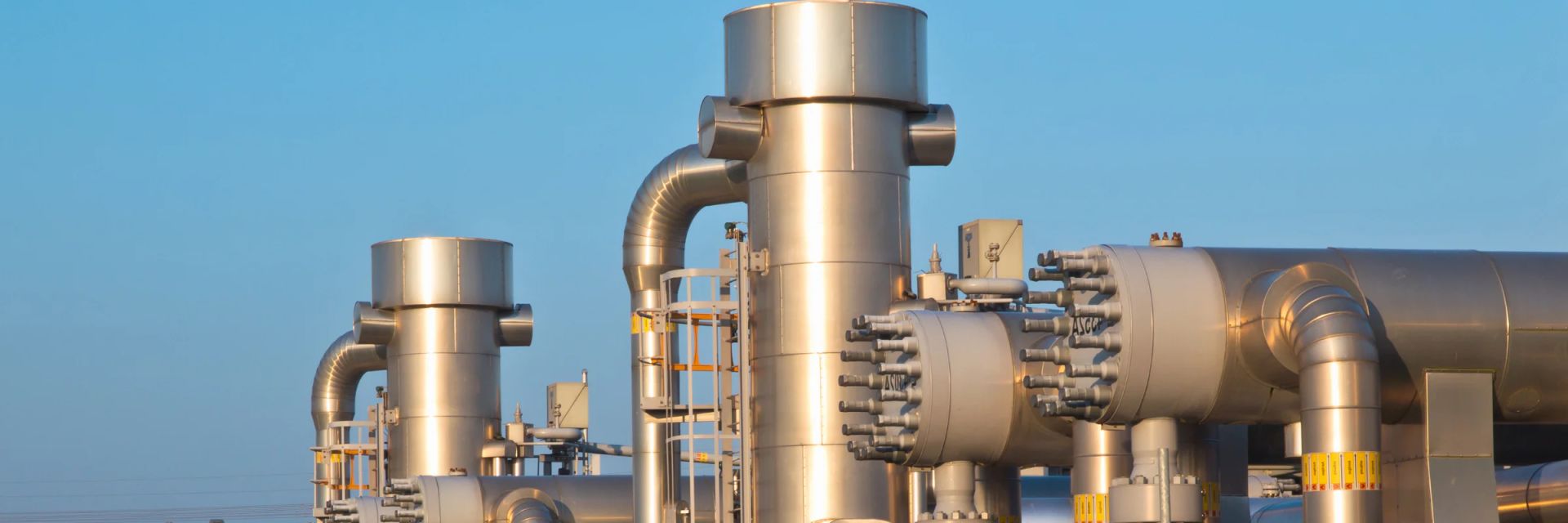
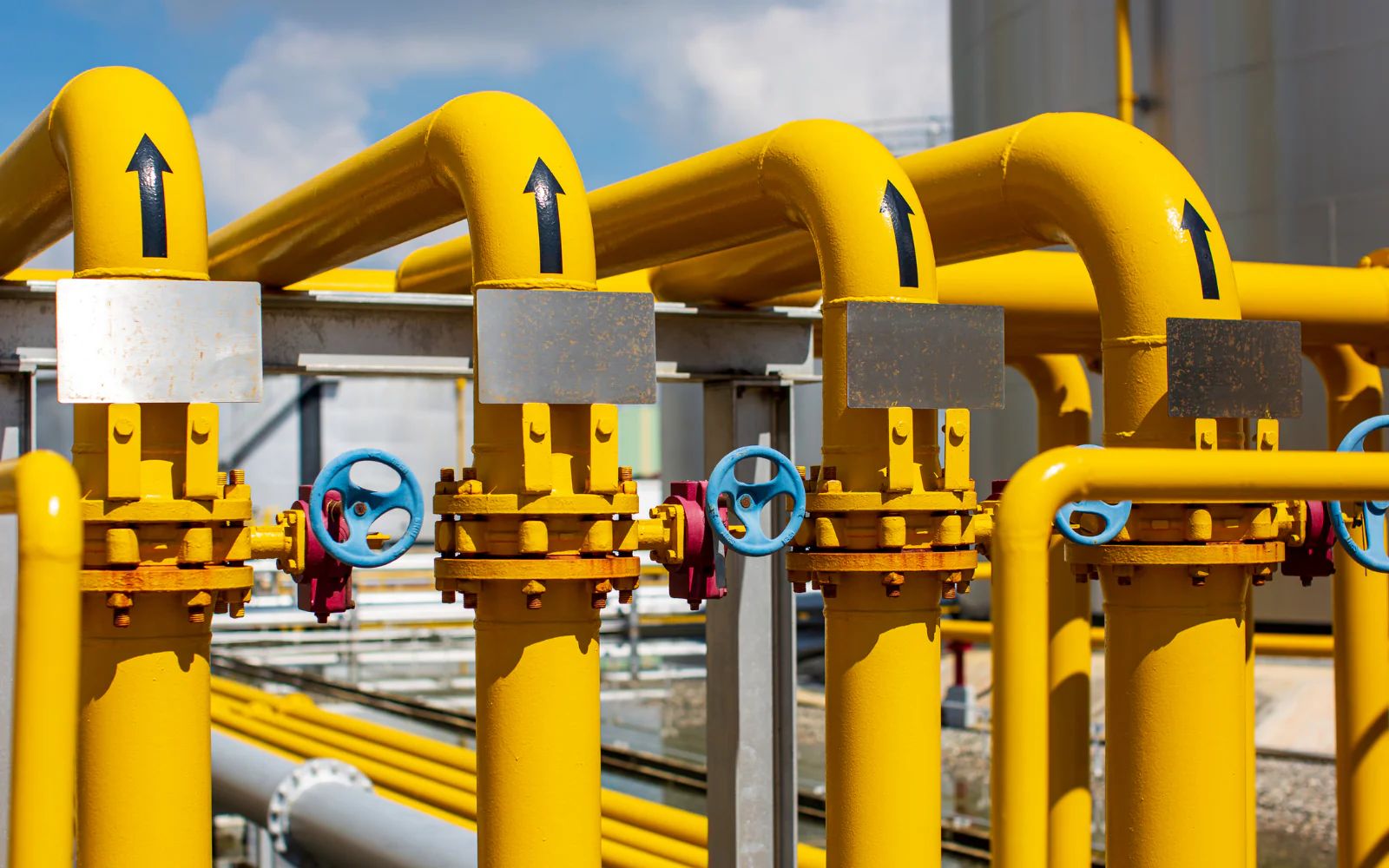
Gas treating and amine sweetening process equipmentTreating

Amine and sweetening still decide whether gas can leave the plant

Published industry failure reviews of hundreds of amine-system cases put corrosion, foaming, hydraulic limits and off-spec product among the recurring reasons trains lose capacity or shut down. When lean loading and contamination reconcile late, the fix is often a flush, a flare or a constrained rate.
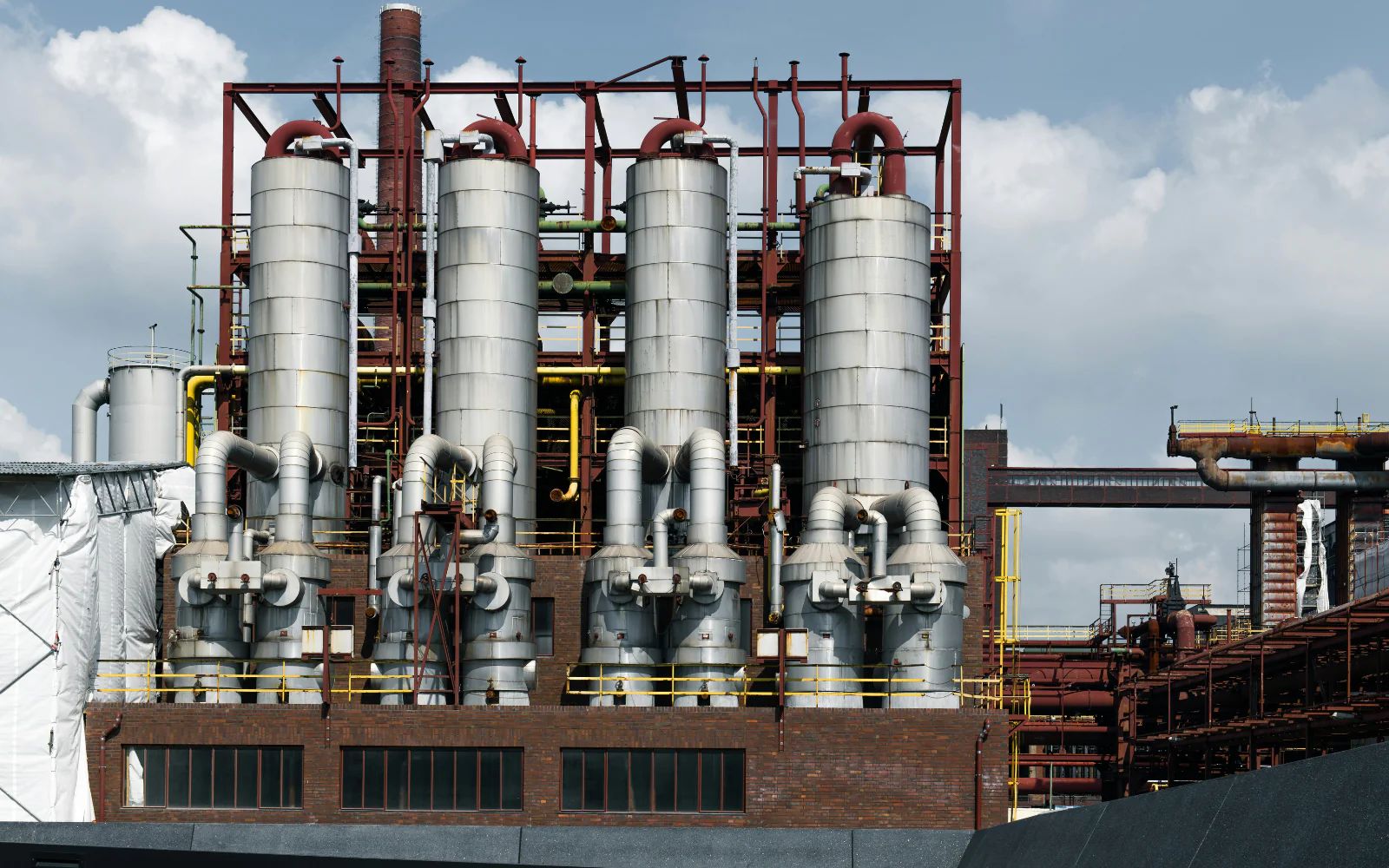
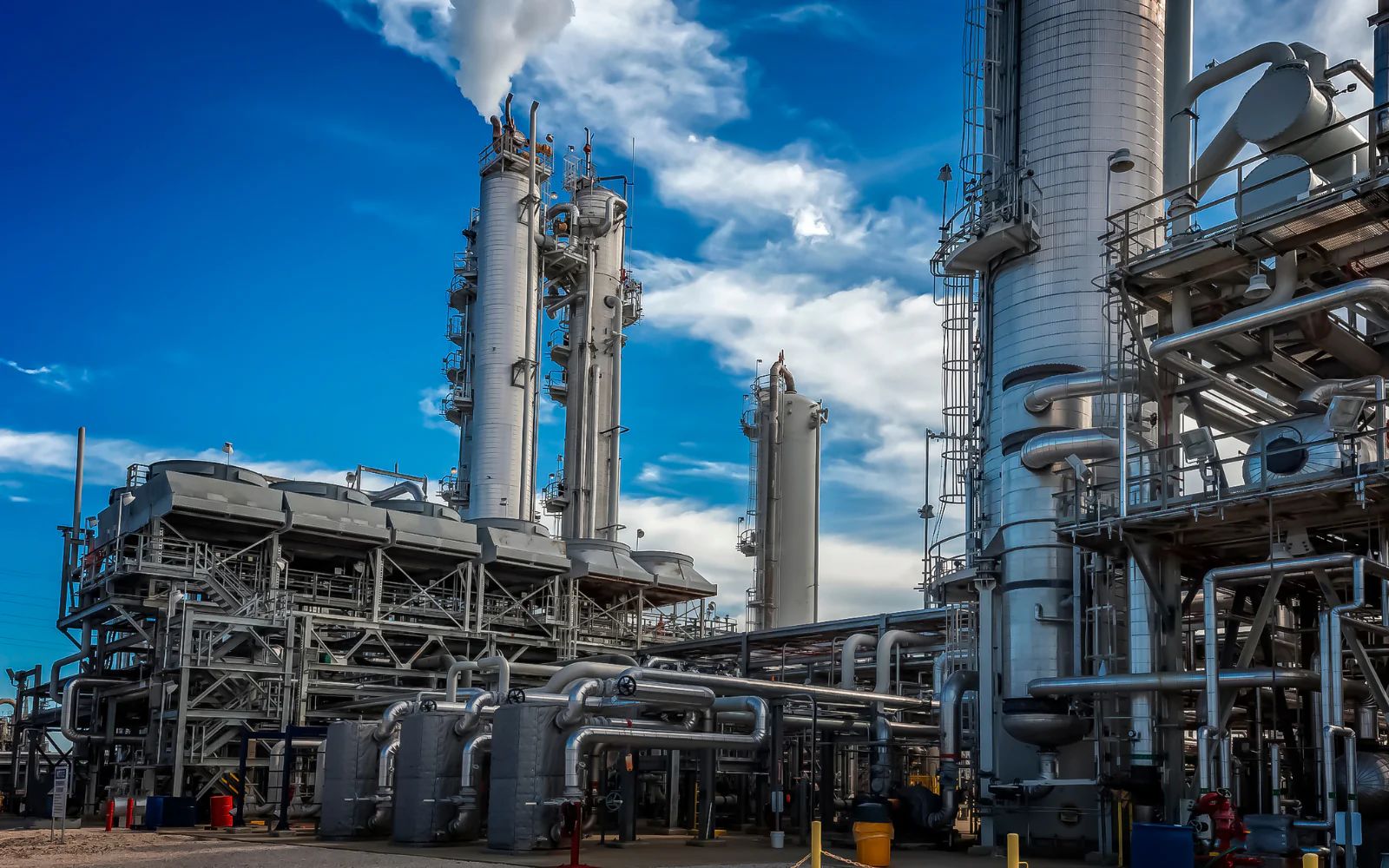
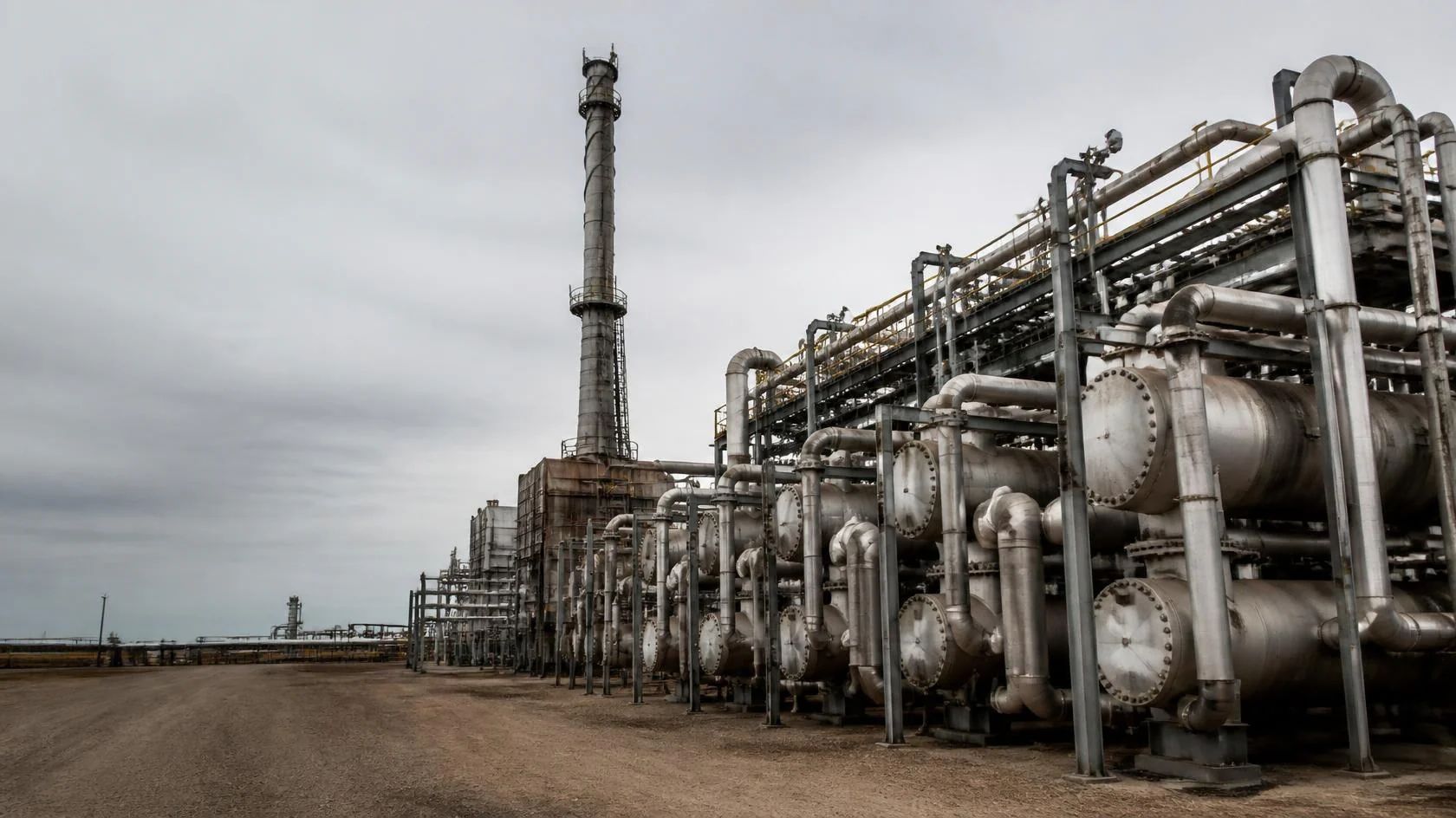
NGL recovery and fractionation process monitoringRecovery

Liquids extraction is where processing value is won or left behind

U.S. plants process tens of trillions of cubic feet of gas a year and extract billions of barrels of liquids. When cryo, turboexpander or fractionation setpoints stay conservative, NGPL recovery and energy use both move the wrong way.

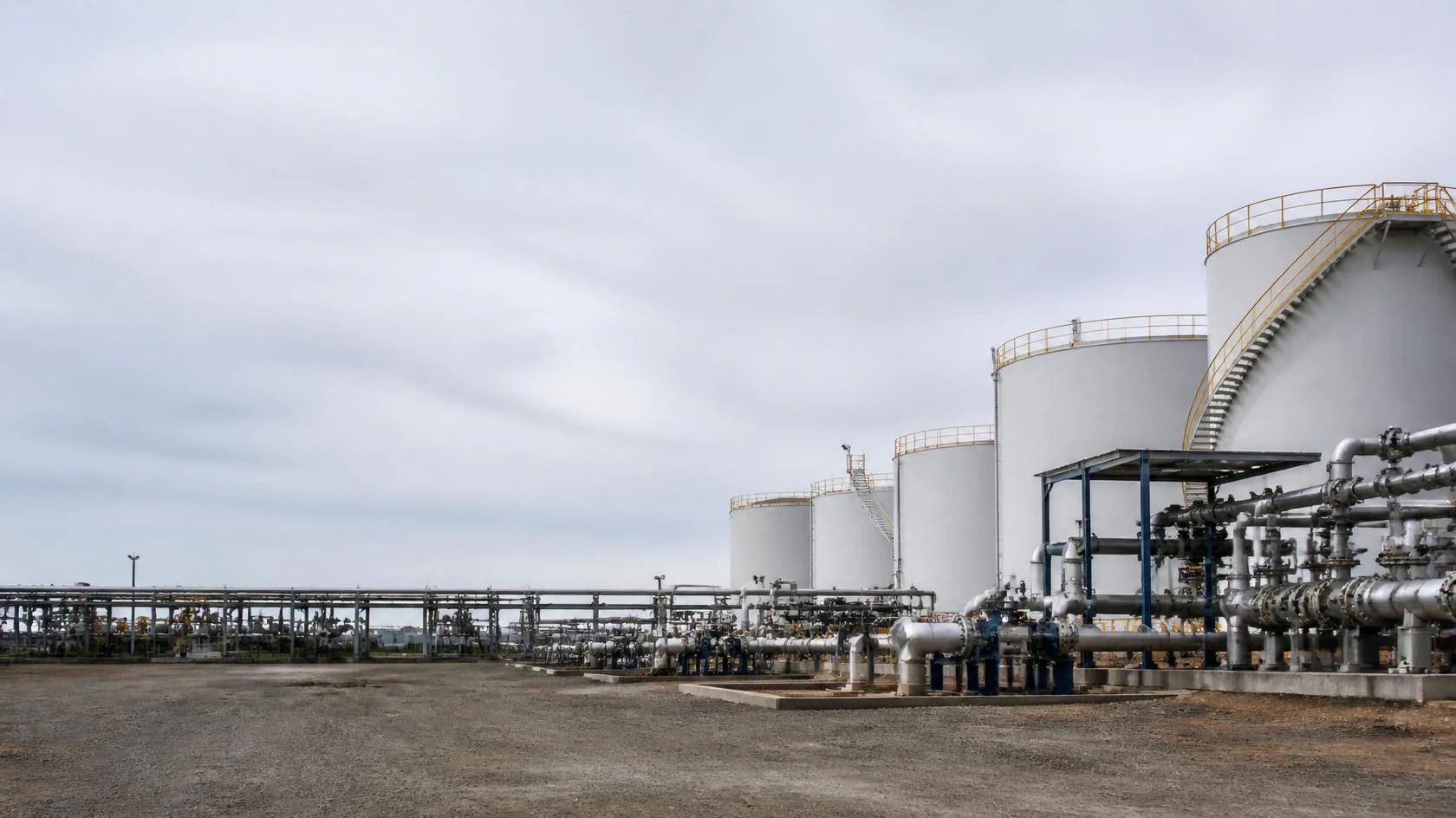
Refinery and process unit energy systemsConversion

Refinery and process units run hard to protect utilization

U.S. operable refinery utilization sits near 90% in recent annual data. That leaves little spare room when a crude unit, hydrotreater or utilities upset takes capacity offline — and energy intensity rises while the unit is held conservatively.

Cutting rate to hold spec is the easy correction. It is also how the day is spent.

INSUS works from unit and utility tags, lab results, work orders and equipment logs a processing plant already keeps. If the gap is an unread regenerator alarm, a fractionation that never settled, or a clearance sheet that never joined the event, that is what we will say. Recommendations stay advisory. Existing DCS, SIS and plant controls stay in charge.

Explore the possibilities

Industry figures

The scale of what is being decided

Four external figures, each with its source. Nothing on this page is an estimate we made up. Where we cannot cite a number, we describe the situation in words instead.

Refinery utilization

90.5%

U.S. operable refinery utilization rate in 2024 (gross input vs operable atmospheric crude distillation capacity) per EIA — a reminder that conversion units already run near capacity when an upset or energy miss takes barrels offline.

Source: U.S. EIA, Refinery Utilization and Capacity

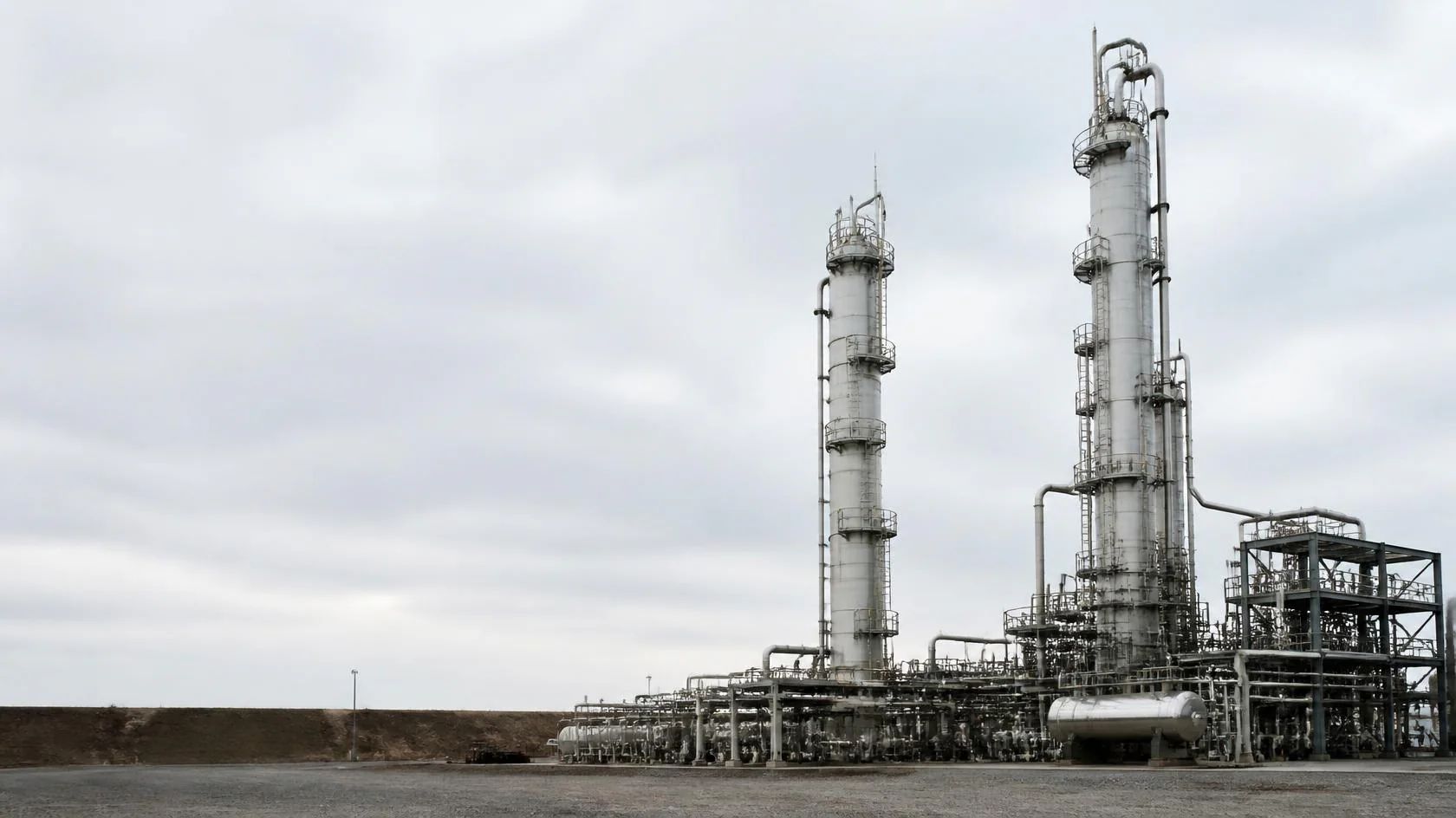
Gas processing and refining process unit operations

Common problems

Problems that cost you before you notice

None of these show up as a single alarm. They show up in the preheat fuel bill, the blend giveaway, and the amine flush.

  1. Preheat fouling accumulates before anyone sees the fuel bill

    Heat recovery declines across the crude preheat train without a hard alarm. The furnace burns more fuel while the question of which exchanger is responsible and when cleaning pays stays unanswered.

    See: Preheat Train Fouling & Cleaning Advisor
  2. Blend quality buffers still sit above what the data justifies

    Finished properties are confirmed hours after the blend. Convention-sized buffers protect against off-spec — and leave addressable giveaway on the table until certificates are measured.

    See: Blend Quality Giveaway Advisor
  3. Amine circulation still carries worst-case margin

    Feed composition changes continuously, but solvent rate often stays sized for the difficult case. Unnecessary regeneration steam then becomes the standing cost of that insurance.

    See: Amine Circulation & Regeneration Advisor

Use cases

Places worth a closer look

Each is a specific starting point — this amine train, this cryo plant, this crude unit — and a next conversation if it is worth your time.

Crude preheat train showing exchanger fouling and declining fired heater inlet temperature
Crude distillation

Preheat Train Fouling & Cleaning Advisor

Track heat exchanger fouling in crude preheat trains and advise cleaning timing against fuel, cleaning cost and lost production. Advisory only.

See the full use case
Distribution of finished blend octane values against the specification minimum, with giveaway above specification
Product blending

Blend Quality Giveaway Advisor

Predict finished blend properties such as octane with stated uncertainty, so targets can sit closer to specification. Quality staff certify product. Advisory only.

See the full use case
Amine absorber and regenerator loop showing treated gas specification and rich loading limits
Acid gas removal

Amine Circulation & Regeneration Advisor

Recommend the lowest amine solvent circulation and reboiler duty for the gas you are actually treating, while keeping treated-gas quality and rich loading within hard limits. Advisory only.

See the full use case

FAQ

Questions that come up in every first call

A practical look at what INSUS needs, where it fits and what your team can expect.

The work that fits is the data a gas plant or process facility already produces: DCS tags, lab and LIMS results, blend certificates, work orders and equipment condition signals. Preheat fouling tracking, blend property prediction and amine circulation advice can start from records you already keep. Closed-loop amine, crude-unit or blend control is not a promise we will make on day one.

Upstream focuses on wells, artificial lift and production facilities. Midstream focuses on pipelines, compression stations and throughput between receipt and delivery. Processing focuses on treating, NGL recovery, fractionation and conversion units. Industrial Operations covers the shared plant — utilities, permit-to-work, contractor coordination and shared rotating assets.

Usually not for DCS, historians and maintenance. Most plants already have process tags, some analyzers and work-order history. Preheat fouling estimation needs sufficient temperature and flow coverage on each exchanger; exchangers without it may not be individually trackable.

No. The person who knows this train, this solvent and this feed slate stays responsible. The aim is to stop the next shift repeating the same treating or recovery drift, and to flag a developing equipment issue before it stops the plant.

No. It advises the console or engineering team. Existing DCS, SIS and safety interlocks stay in charge of the loop. Protection systems are not touched.

No. Recovery and energy depend on feed composition, equipment condition and operating practice. We will not invent a recovery or fuel-intensity target for your plant.

They are published U.S. national series — not measurements of your trains. Your DCS, lab and work orders are the numbers that matter.

Yes. One amine train, one cryo/fractionation plant, or one conversion unit is usually the practical start. Measure that, then decide whether to widen.

Contact

Talk to a processing expert

  • 30 minA focused conversation about the processing problem you are trying to solve. No sales deck.
  • OutcomeA practical view of whether INSUS can help, what data would be needed and where it makes sense to start.
  • We will first understand your current process, what information you have and where the biggest gap is.
  • If the right answer is an analyzer check, a procedure update, a maintenance action or an existing DCS report, that is what we will tell you.

Request a call

We reply within one working day, from a person, with a proposed time.