Every degree lostgets paid back by the furnace.

INSUS tracks fouling per exchanger from temperature and flow the CDU already records, and advises when cleaning is economically justified against fuel, cleaning cost and lost production. Engineers decide.

  • 01

    Fouling reduces heat recovery and raises furnace fuel demand.

  • 02

    Each exchanger fouls at a different rate with crude and conditions.

  • 03

    Advisory only. Cleaning timing balances fuel, cost and lost production.

The problem

A loss that accumulatesbefore anyone sees it.

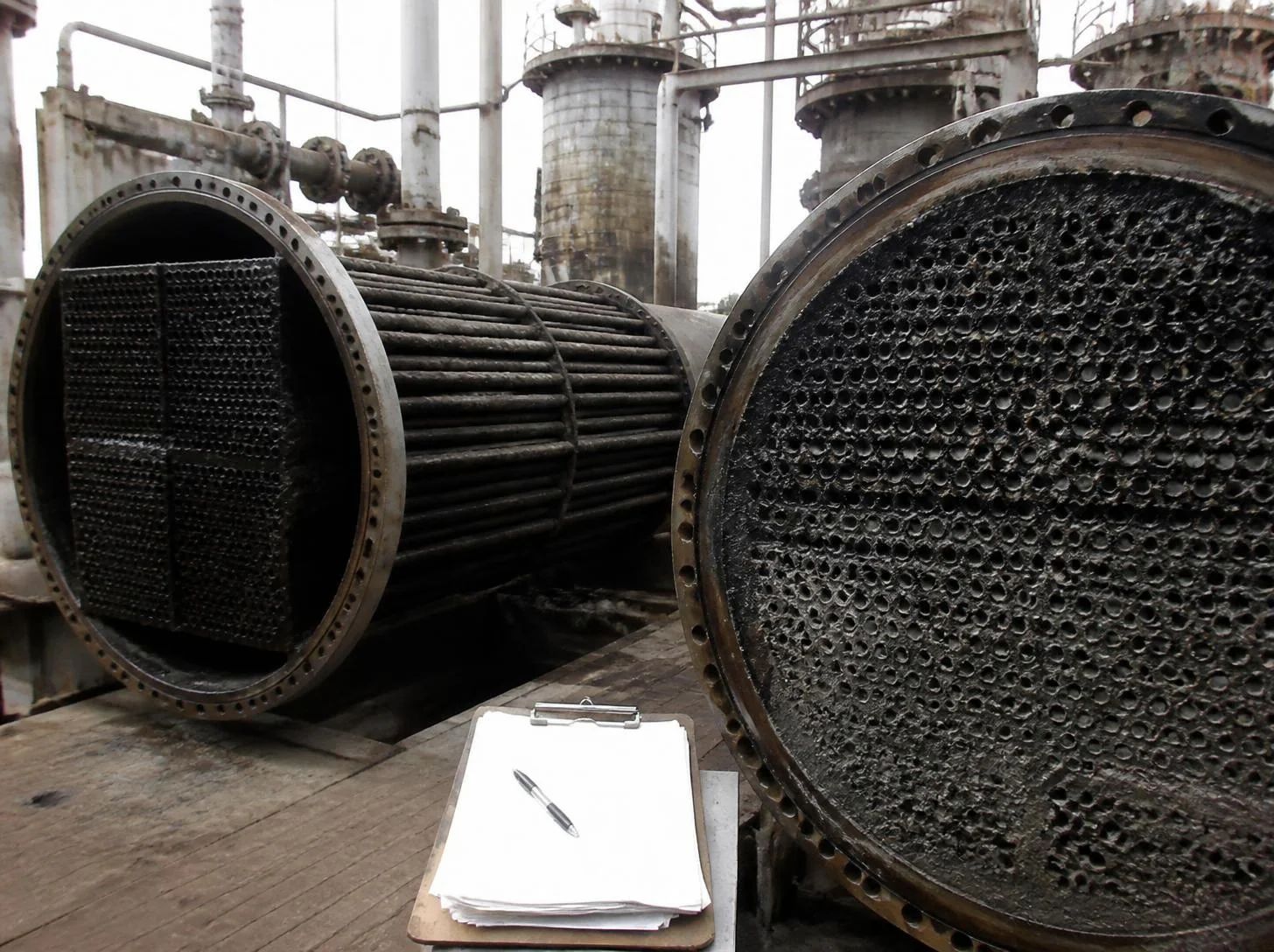
Nothing necessarily fails and no alarm needs to trigger. Heat recovery simply declines across the train, lowering fired heater inlet temperature and increasing fuel demand. Because fouling is non-uniform, the hard question is not whether the train is fouling. It is which exchanger is responsible, how quickly it is progressing and when cleaning becomes economically worthwhile.

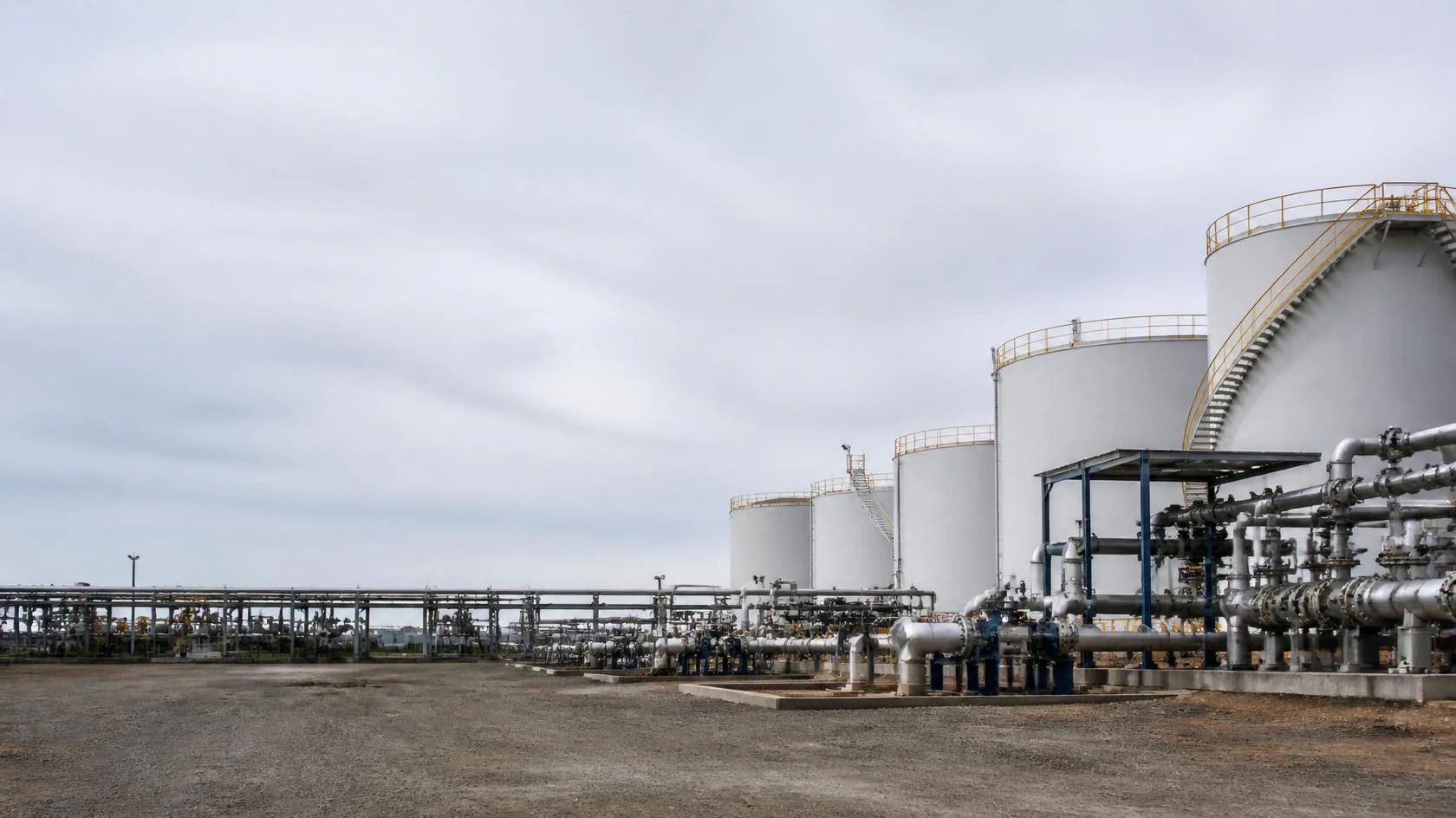
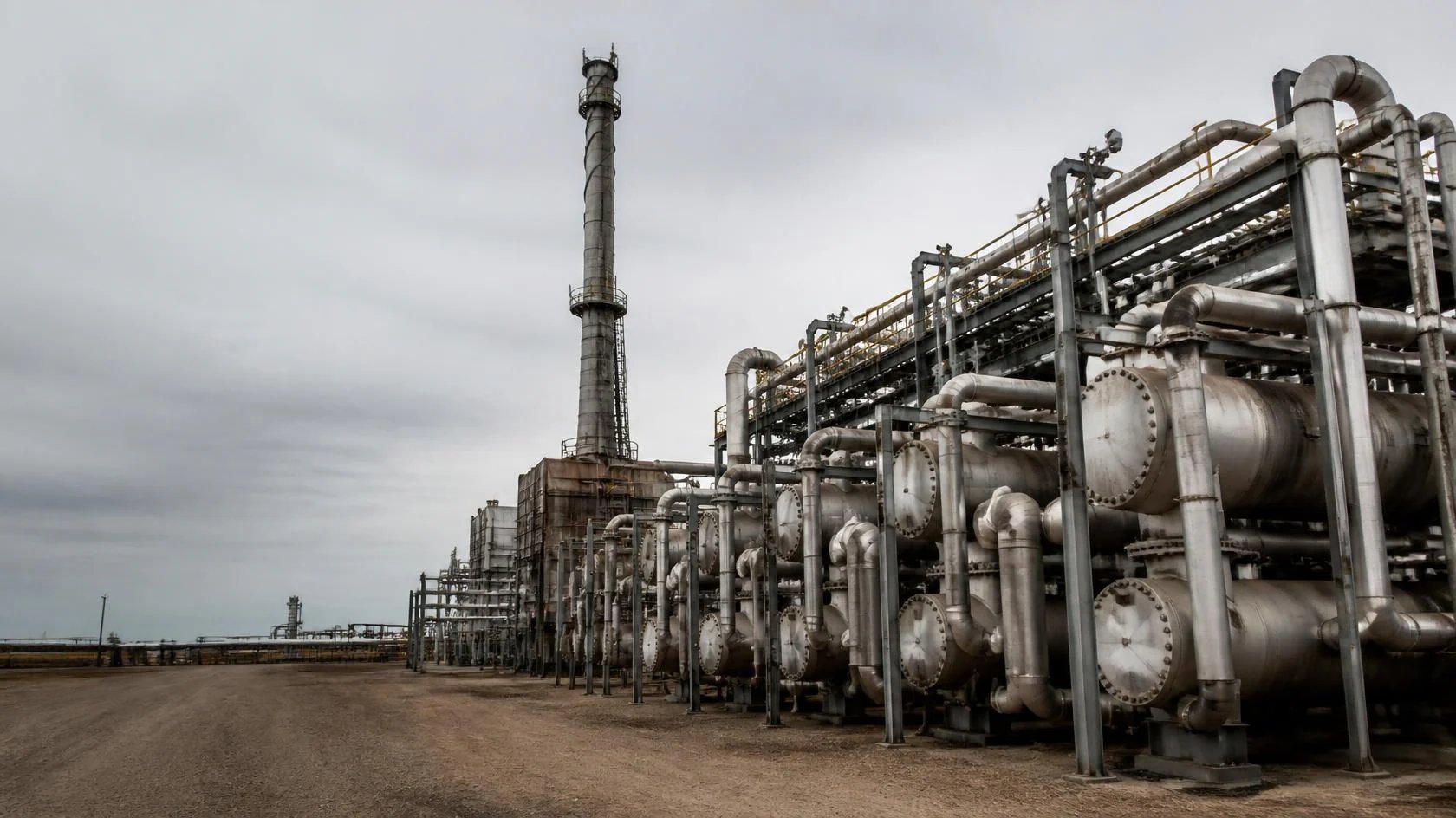
Crude preheat train showing declining heat recovery and increasing fired heater fuel demand
01
02
03
  • 01Fouling resistance
  • 02Lost heat recovery
  • 03Additional furnace duty

The shift

From fixed cleaning intervalsto economic timing.

An exchanger does not foul according to the calendar. Its cleaning point moves with crude slate, throughput, operating conditions, fuel cost and the value of taking equipment out of service.

Today

Clean by calendar or crisis

  • Cleaning scheduled at fixed intervals or after deterioration becomes obvious.
  • Fouling often inferred from pressure drop rather than thermal performance.
  • Contribution of individual exchangers to lost preheat hard to quantify.

With INSUS

Clean when the economics change

  • Fouling resistance tracked individually for each exchanger from routine process measurements.
  • Lost preheat and its fired-heater fuel penalty attributed to individual exchangers.
  • Alternative cleaning schedules evaluated against fuel, cleaning cost and production constraints.

How it works

From temperaturesto a cleaning plan.

This fits OptiStudio as preheat-train decision support above the DCS and historian. Access is read-only. It does not initiate cleaning or change setpoints.

  1. Connect

    Bring the preheat train data together

    Connect inlet and outlet temperatures, flow rates and pressure drops across the exchangers with crude blend and assay data, desalter conditions, fired heater duty, fuel consumption, throughput, cleaning history and turnaround schedules.

  2. Understand

    Track fouling per exchanger

    Calculate heat-transfer performance and fouling resistance over time for each instrumented exchanger, then relate the observed fouling rate to crude blend, temperature and flow conditions.

  3. Predict

    Forecast fouling and fuel impact

    Project the fouling trajectory of each exchanger and estimate how alternative cleaning timings would affect fired heater inlet temperature, duty and fuel consumption over the planning horizon.

  4. Advise

    Find the economic cleaning schedule

    Advise cleaning timing and sequence against fuel savings, pumping energy, cleaning cost and potential lost production while respecting how many exchangers can be removed from service and available turnaround windows. Engineers decide.

  5. Verify

    Compare recovery with prediction

    After a cleaning, compare recovered heat-transfer duty and fired heater performance with the predicted result. Update the exchanger-specific fouling model when actual recovery differs from expectation.

Existing refinery process and maintenance data feeding a crude preheat fouling model

Getting started

Start with one crude unitand the cleanings you already ran.

For crude distillation units where fouling raises furnace fuel between cleanings. Delivered through OptiStudio as preheat-train decision support. Expert Services can help with data assessment and validation. Advisory and read-only. No new hardware where exchangers already have temperature and flow coverage.

  • What we need. Exchanger inlet and outlet temperatures, flow rates, pressure drops, crude blend information, fired heater duty and fuel consumption, cleaning history, throughput and turnaround constraints. Exchangers without sufficient measurement coverage may not be individually trackable.
  • What you see first. A back-test across cleanings already performed on one crude unit's preheat train with at least two years of temperature, flow and pressure-drop history, then cleaning recommendations run alongside existing practice.
  • Where the limits are. Advisory only. Does not replace exchanger inspection or initiate cleaning automatically. Reliability, process and turnaround teams remain responsible for maintenance decisions. Site value must come from the refinery's own fuel price, throughput and cleaning economics.
Explore OptiStudio

Questions process and reliability engineers ask us

Fouling reduces crude preheat recovery and raises furnace fuel, but cleaning is often timed by calendar or crisis. This use case tracks fouling per exchanger and advises when cleaning is economically justified for engineer review.

Exchanger inlet and outlet temperatures, flow rates, pressure drops, crude blend information, fired heater duty and fuel consumption, cleaning history, throughput and turnaround constraints. No new sensors where coverage already exists.

No. It supports decisions about where and when to investigate or clean. Physical inspection, maintenance planning and final decisions remain with the refinery's teams.

That is a core objective. By estimating fouling resistance per exchanger, the system can attribute a portion of lost preheat to individual exchangers where available measurements support that conclusion.

Through OptiStudio as preheat-train decision support. Expert Services can support data assessment, integration and validation with your process and reliability teams.

Fouling generally develops over weeks rather than seconds, so continuous data ingestion with regular model updates is sufficient. Daily updating is an appropriate operating cadence.

Individual exchanger tracking depends on sufficient temperature and flow instrumentation and reliable cleaning history. National fouling-cost estimates should not be treated as a site-specific business case.

Processing · Crude distillation

Which exchanger is costing you the degrees?

A back-test on your own cleaning history will show which exchangers are driving lost preheat, quantify the associated fuel penalty and whether a different cleaning schedule would have changed the economics.