Aggregates industry

Where the plantgives away tonnes

Crushers run to settings that seem fine. Screens recirculate what they should have passed. Belt scales drift and the pile on the pad no longer matches the book. The tonnes still have to leave the gate.

  • 01

    A balanced circuit

    See whether the screen, the cone or the conveyor is the real bottleneck, instead of opening the crusher and wearing the liners to make the shift.

  • 02

    Tons that match the pad

    Close the gap between belt-scale production, truck tickets and a measured stockpile, so month-end is not a write-off.

  • 03

    The stop while it can still be planned

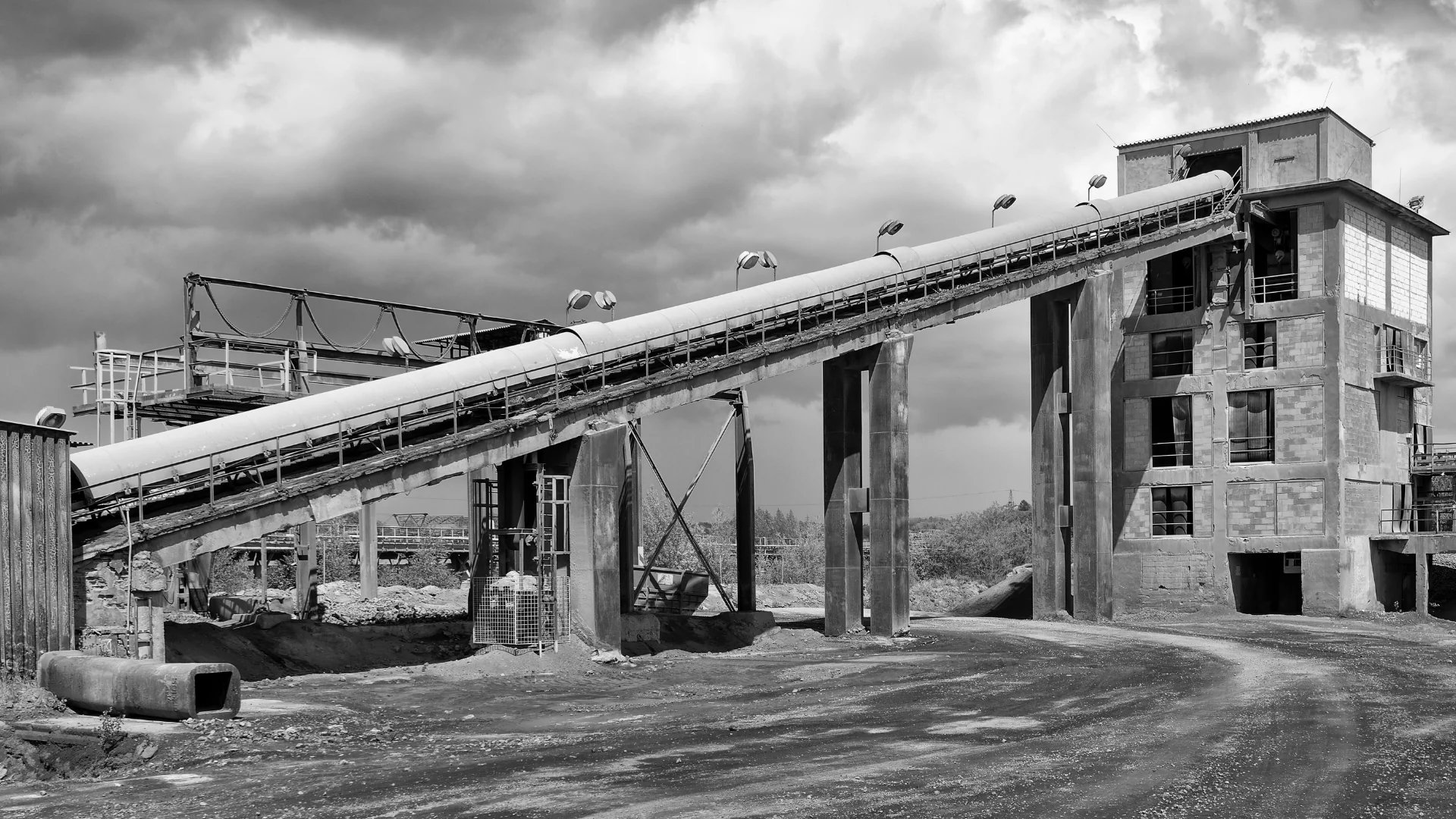
    Read crusher, screen and conveyor signals the plant already logs, so wear is flagged before the unplanned shutdown.

On the quarry and the plant

Reliability first. Then the circuit.

Aggregates plants lose tonnes in three places that rarely show up as one alarm: equipment that is down, a circuit that is out of balance, and a stockpile number that is only true on paper. BCG's 2025 aggregates survey names asset reliability as the primary operational constraint.

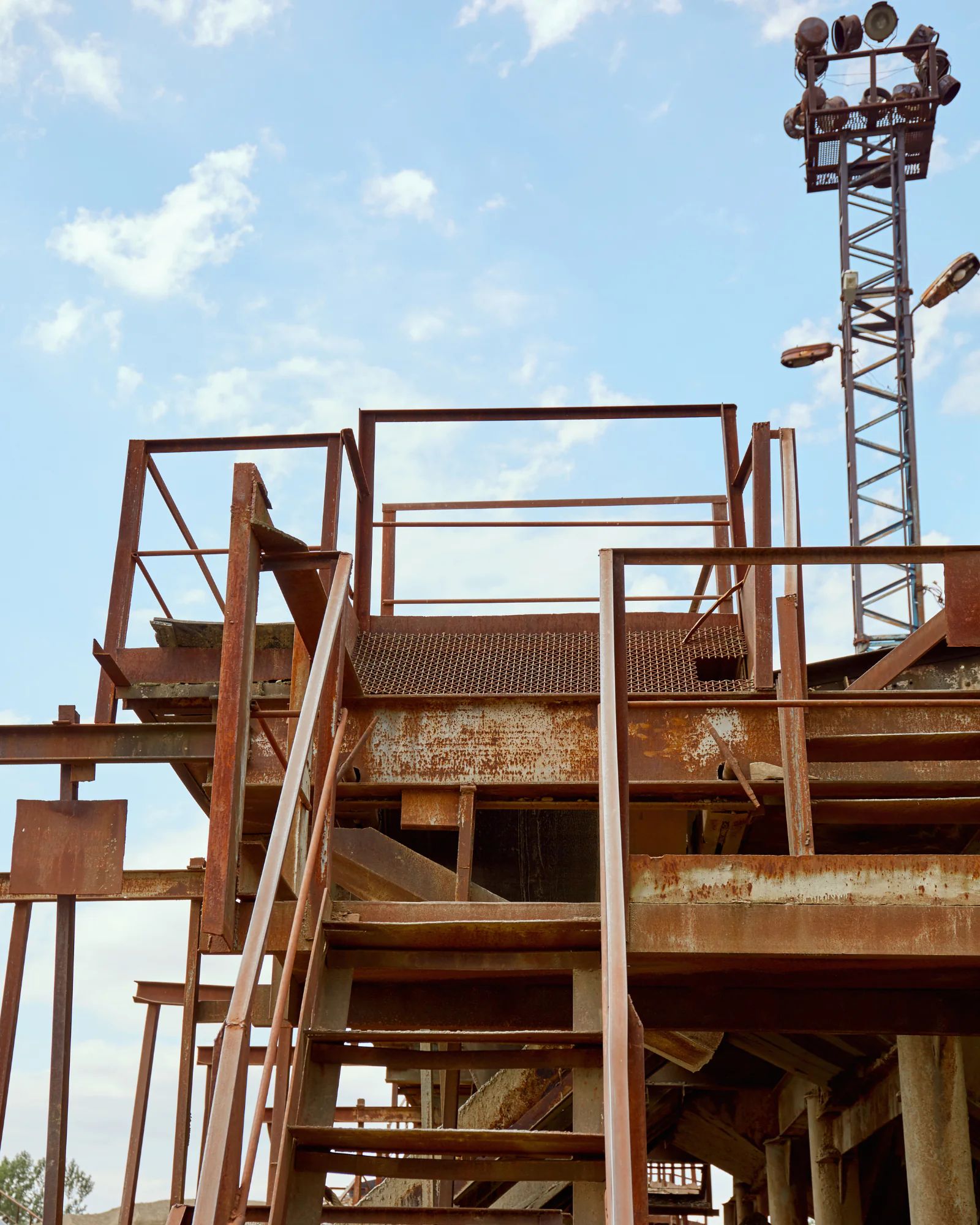
Plant equipment condition records already logged on siteReliability

Most sites still do not run a full OEE picture

BCG found equipment reliability is the industry's main operational constraint, and that nearly 70% of surveyed aggregates companies do not track overall equipment effectiveness comprehensively. Downtime and inconsistent maintenance keep repeating.
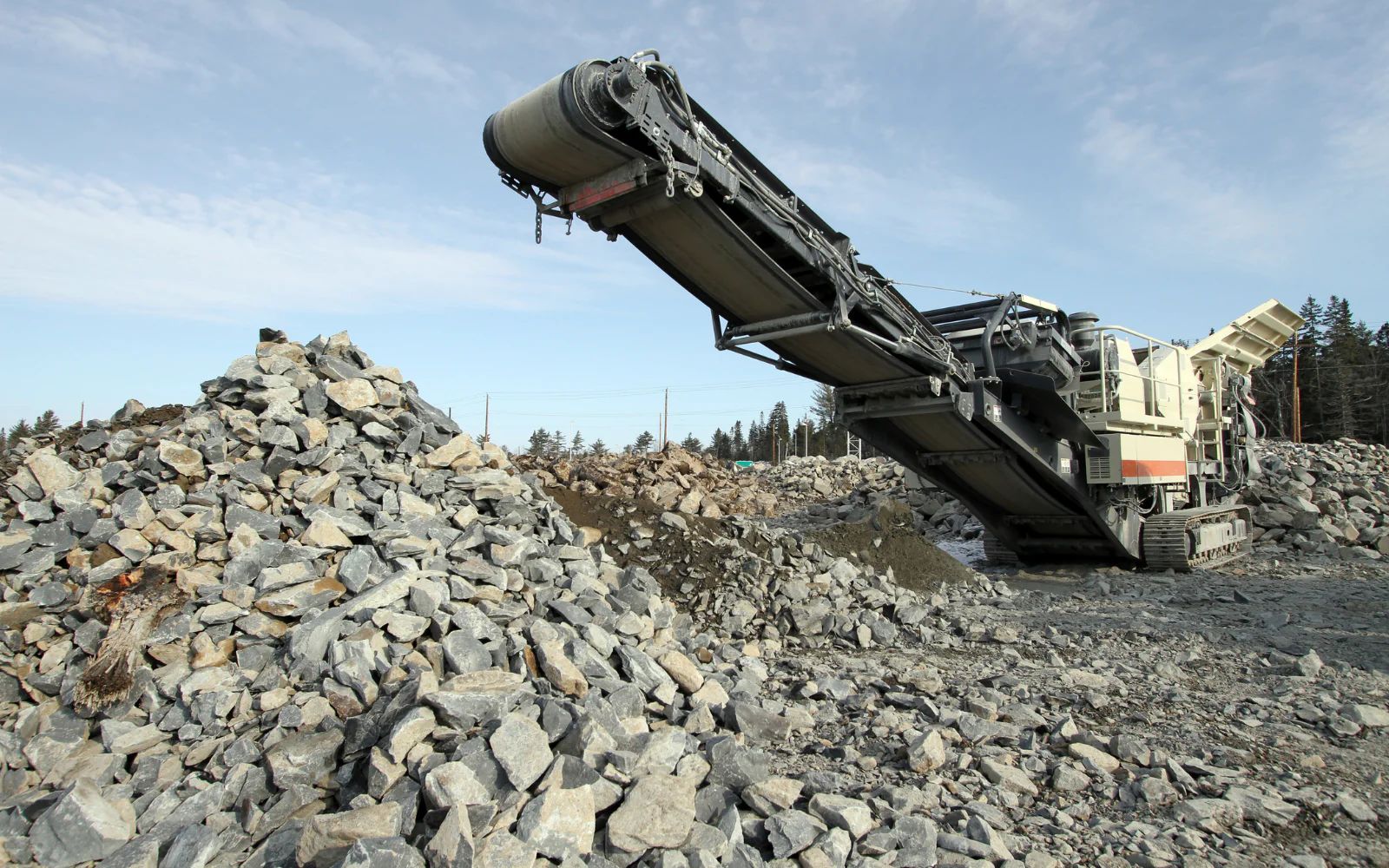
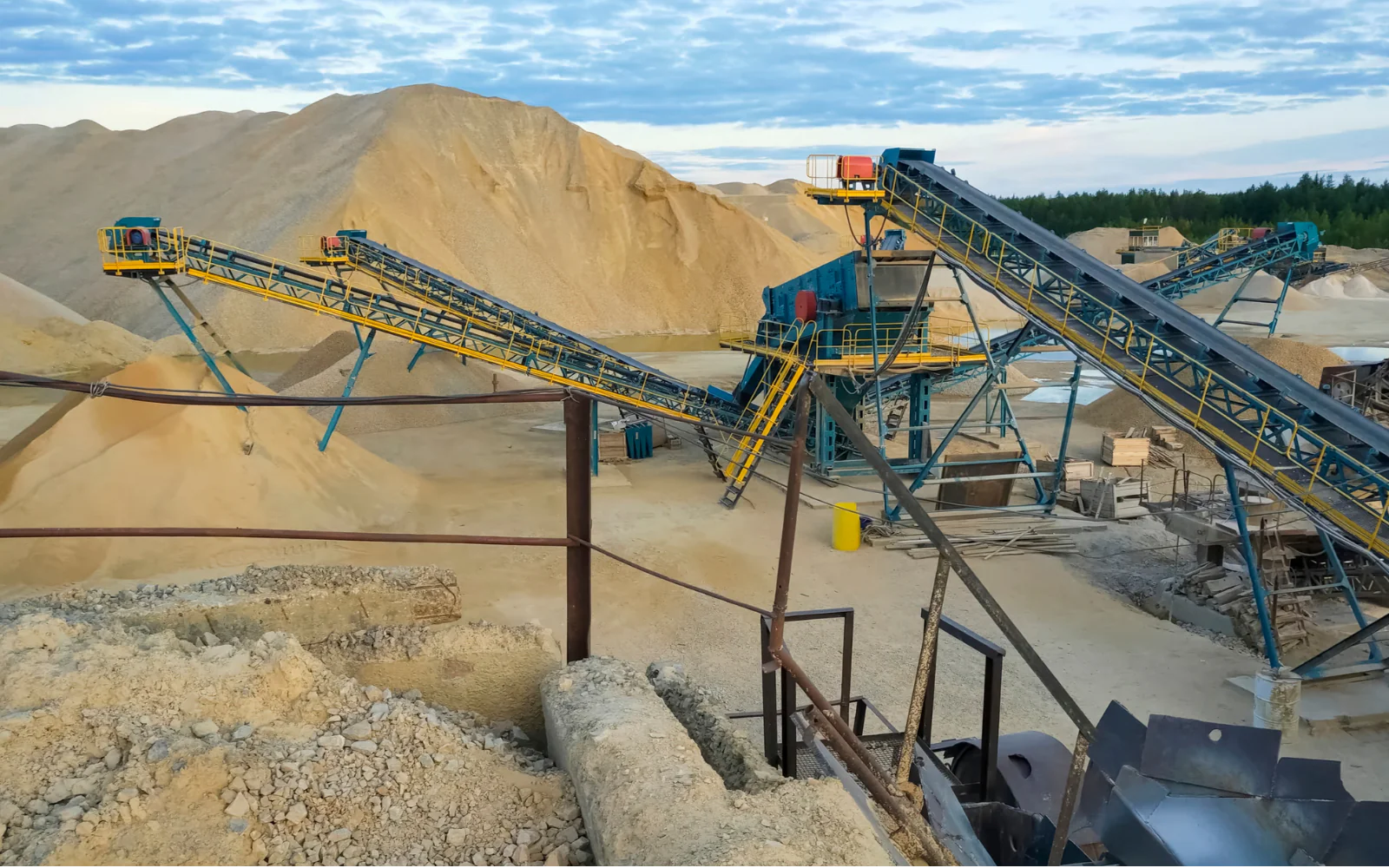
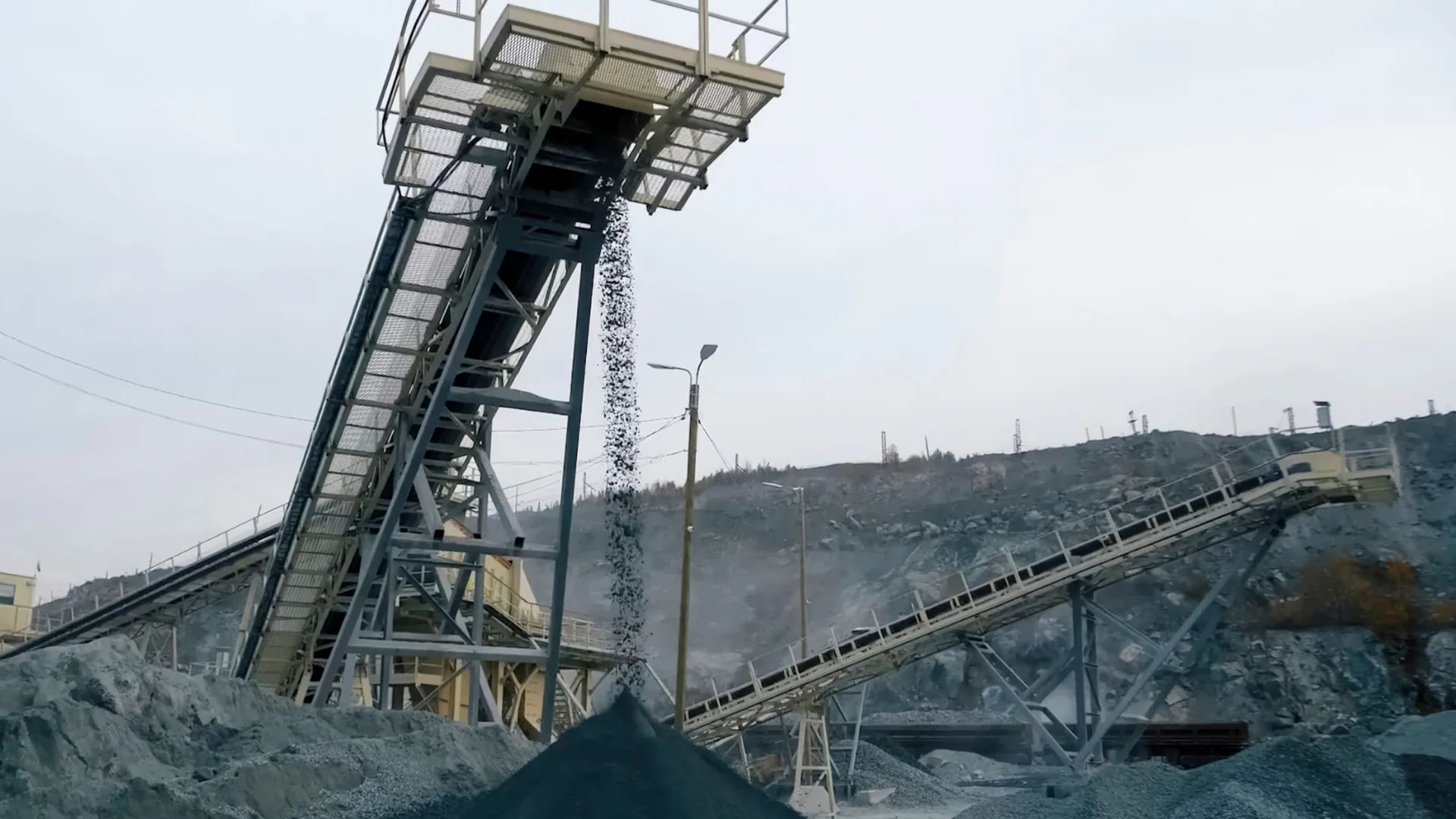
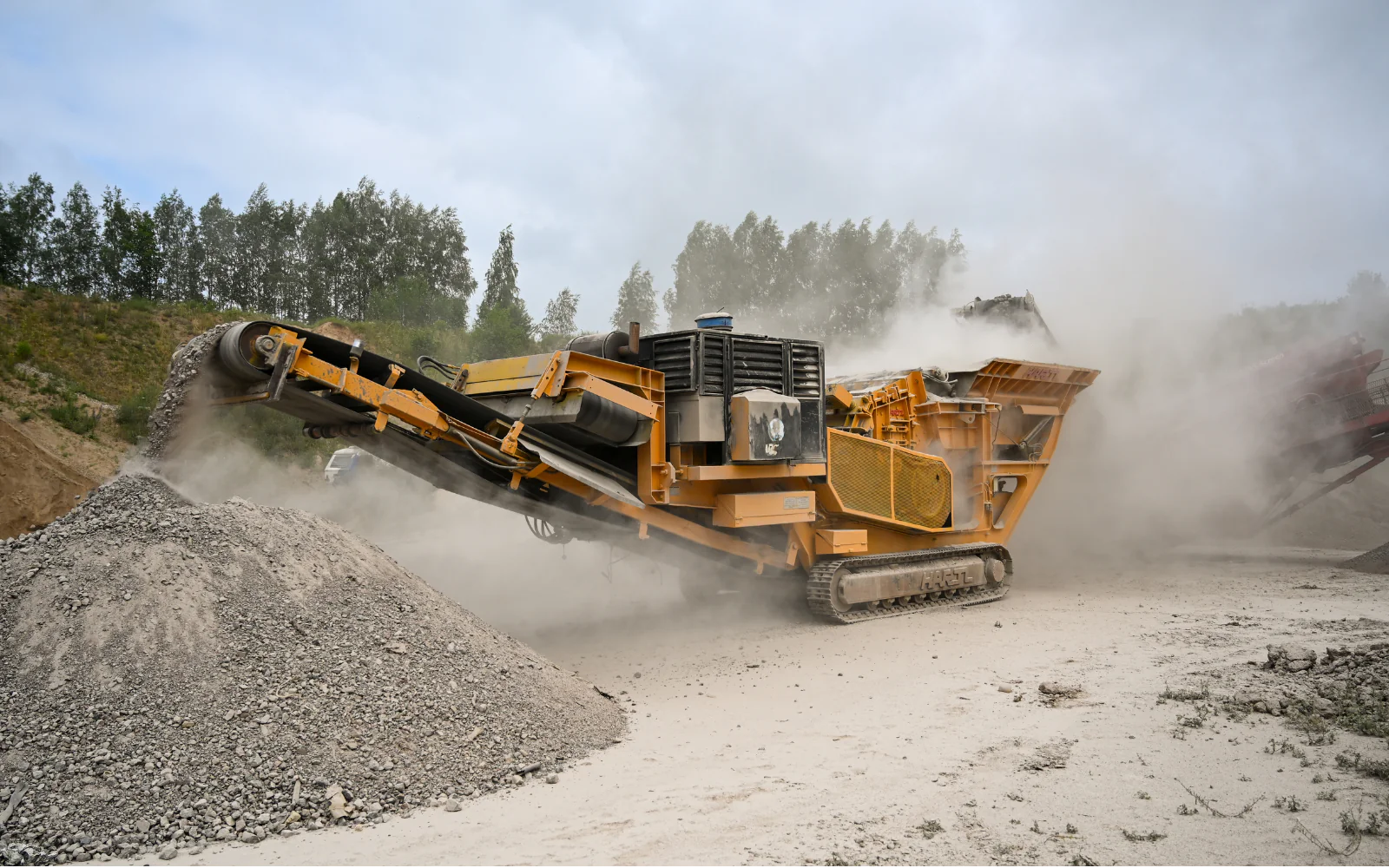
Heavy crushing and screening plant equipmentThe circuit

The crusher is often blamed for a screen problem

Unbalanced settings, mismatched screen media and crushers run beyond force or power limits raise recirculation, wear and energy use. Aggregates Business, drawing on Metso plant-training work, names these as common pitfalls once experienced operators leave.

Plant team reconciling production and inventory figuresThe yard

The pile on the ground is not the pile in the book

Stockpile tons are still often walked or surveyed infrequently, while belt scales drift. Ninety percent of aggregates are used within 50 miles of the pit, so a wrong inventory number is not an accounting detail. It is a truck that cannot be loaded.

The easy answer is a harder crusher setting. That usually costs liners, power and spec.

INSUS works from the plant data, tickets and records a site already keeps. If the gap is a worn screen cloth, a drifting belt scale or a maintenance job, that is what we will say.

Explore the possibilities

Industry figures

The scale of what is being decided

Four external figures, each with its source. Nothing on this page is an estimate we made up. Where we cannot cite a number, we describe the situation in words instead.

Haul

90%

of aggregates are consumed within 50 miles of the extraction point. A plant that cannot load the right spec today cannot make it up from the next county.

Source: NSSGA, Our Economic Impact

Roads

94%

of the materials used to build US interstate highways are natural aggregates — crushed stone, sand and gravel — according to USGS figures published by NSSGA.

Source: NSSGA, Our Economic Impact (citing USGS)

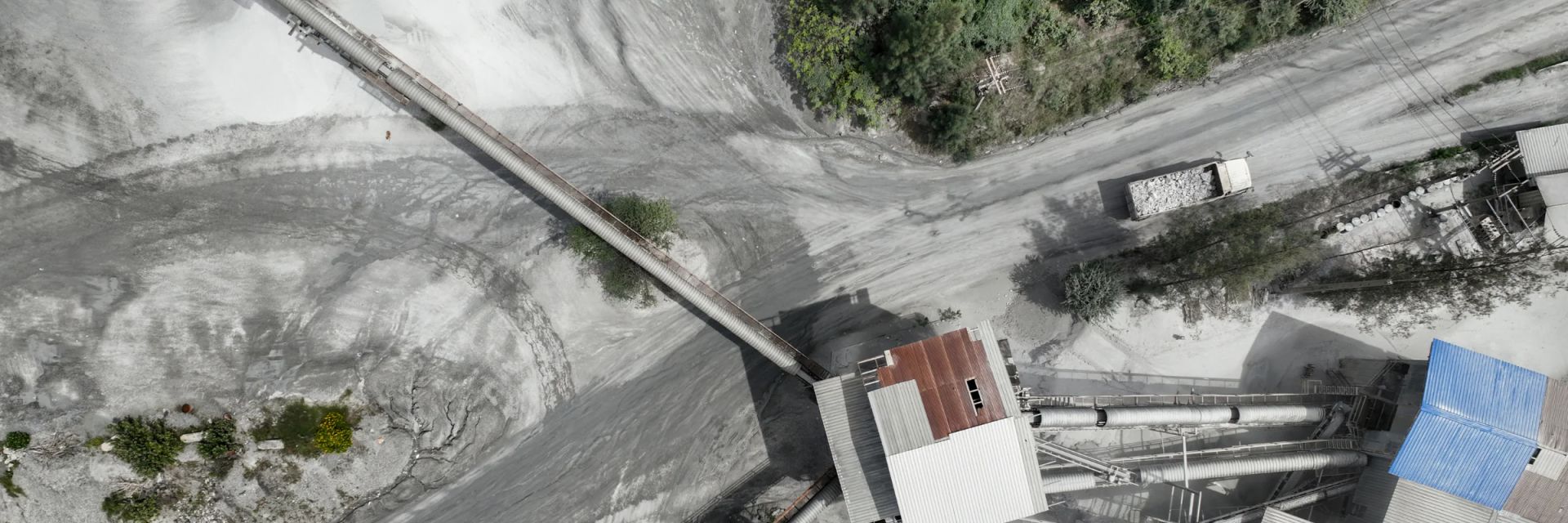
Crushing, screening and conveying equipment in a materials plant

Common problems

Problems that cost you before you notice

None of these show up as a single alarm. They show up in oversize at the primary, recirculating load, liner life, and a stop that lands mid-shift.

  1. Oversize from the blast becomes the crusher's problem

    Fragmentation that is too coarse raises primary load, energy use, and wear before the plant ever gets a chance to balance the circuit. Blast design, geology, and crusher feed are still often reviewed as separate conversations.

    See: Aggregates Blast Fragmentation Optimization
  2. The circuit is out of balance and the crusher takes the blame

    Screens limit throughput while cones run outside force and power limits. Mismatched deck media recirculates product that should have been finished. Wear and energy rise before anyone names the bottleneck.

    See: Aggregates Crusher Circuit Optimization
  3. Maintenance is still mostly reactive

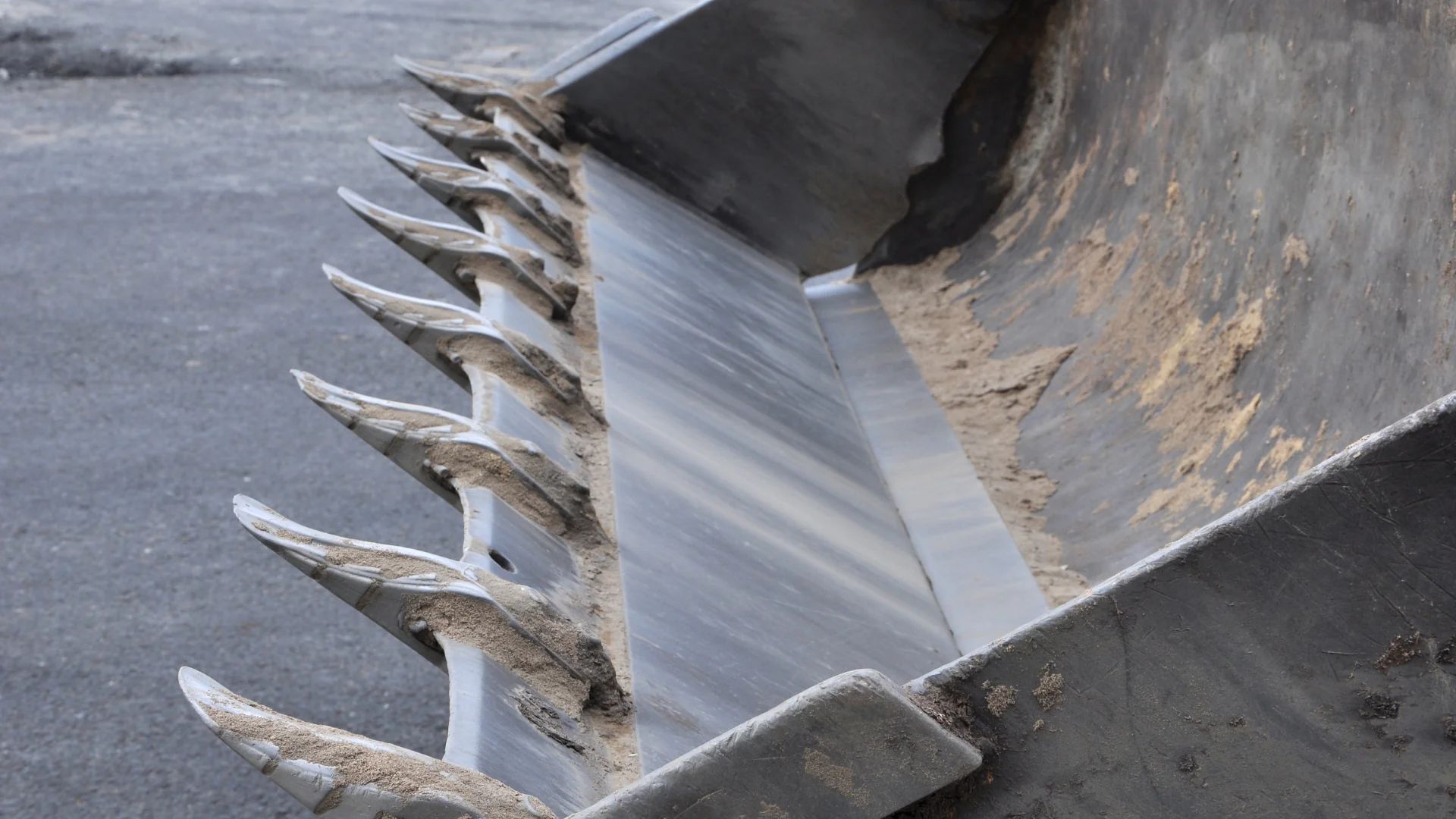
    BCG reports aging plants, downtime and inconsistent maintenance as the constraint. Nearly 70% of surveyed producers do not track OEE in full. Bucket teeth, liners, and other wear parts then fail mid-shift instead of on a planned change-out.

    See: Aggregates Wear-Part Predictive Maintenance

Use cases

Places worth a closer look

Each is a specific starting point — this blast, this crusher circuit, this wear-part fleet — and a next conversation if it is worth your time.

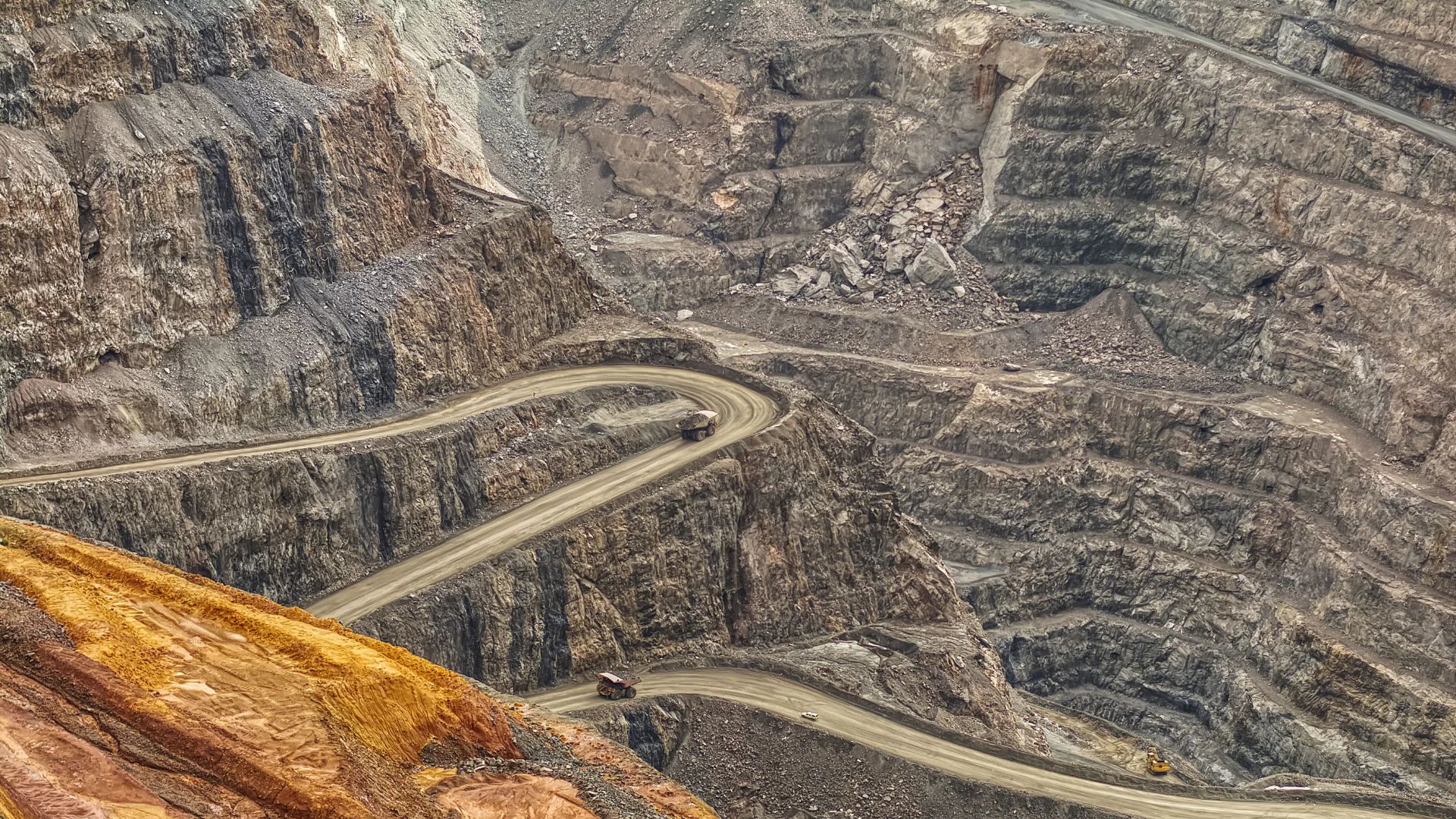
Quarry blast fragmentation feeding a primary crusher
Process

Aggregates Blast Fragmentation Optimization

Recommend blast design adjustments from quarry blast records and crusher history so blast engineers can plan fragmentation around what the primary circuit needs.

See the full use case
Aggregates crusher control dashboard showing throughput, energy use, and product gradation
Operational excellence

Aggregates Crusher Circuit Optimization

Recommend crusher rotor speed and gap settings from plant production and gradation history so operators can balance throughput, energy and product size for the feed in use.

See the full use case
Excavator bucket teeth showing abrasive wear in an aggregates quarry
Asset management

Aggregates Wear-Part Predictive Maintenance

Estimate wear-part replacement timing for quarry loaders and excavators from equipment usage and maintenance history so teams can plan before failure risk rises.

See the full use case

FAQ

Questions that come up in every first call

A practical look at what INSUS needs, where it fits and what your team can expect.

The work that fits starts from data a quarry and plant already produce: blast and crusher-feed records for fragmentation, crushing and screening settings for circuit balance, and equipment usage and maintenance history for wear-part timing. Closed-loop crusher control and automatic blast redesign are not promises we will make.

Usually not. Most plants already log crusher power, amps, hours, some vibration, belt scales, tickets and lab results. If a signal is missing or a scale has been drifting, that comes before any model.

No. The person who knows this rock, this screen cloth and this customer spec stays responsible. The aim is to stop the circuit being run from habit after the experienced operator has left, and to flag wear before the unplanned stop.

No. BCG found most producers do not even track OEE comprehensively, and definitions vary by site. We will not invent a percentage. The first question is what you already measure and where the plant actually loses tonnes.

Whatever describes the problem you want to solve: blast and fragmentation records, historian or PLC tags, crusher settings, screen media changes, production files, and maintenance work orders for wear parts. You do not need every source on day one.

Yes. The approach is built around the systems you already run. Integration is defined during the assessment. Statutory safety and environmental reporting remain yours.

Yes. One blast pattern, one primary–secondary line, or one wear-part fleet is usually the practical start. Measure that, then decide whether to widen.

Contact

Talk to an aggregates expert

  • 30 minA focused conversation about the aggregates problem you are trying to solve. No sales deck.
  • OutcomeA practical view of whether INSUS can help, what data would be needed and where it makes sense to start.
  • We will first understand your current process, what information you have and where the biggest gap is.
  • If the right answer is a screen cloth, a belt-scale check, a maintenance job or an existing system, that is what we will tell you.

Request a call

We reply within one working day, from a person, with a proposed time.