A bad blast costs morethan the powder in the hole.

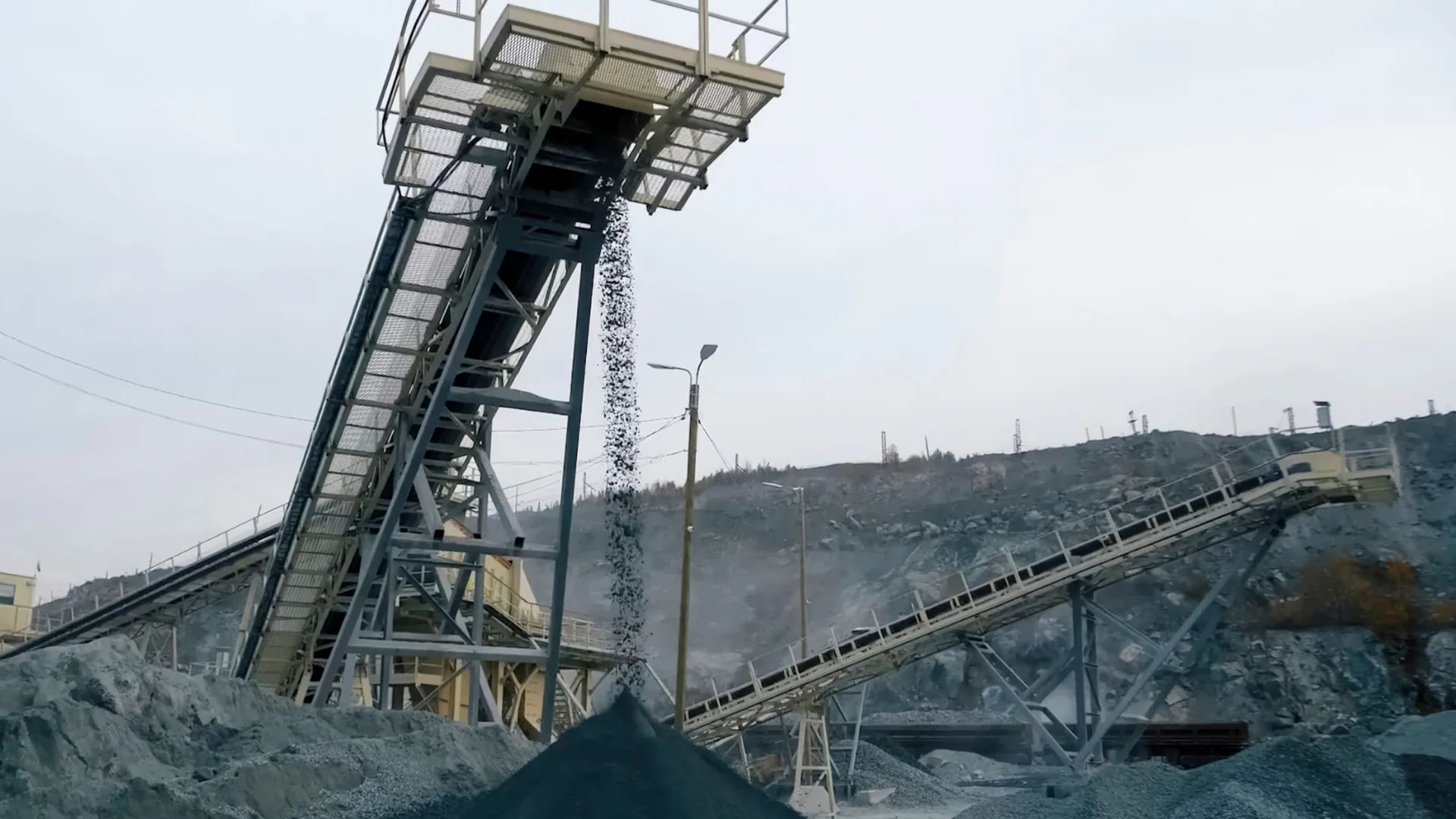
Oversize from a poorly fragmented blast slows the primary crusher, raises wear and constrains downstream tonnes. INSUS connects blast design records with crusher performance history so blast engineers can review designs against what the plant actually needs.

  • 01

    Blast design meets crusher history.

  • 02

    Rock domains respond differently.

  • 03

    Recommendations stay with the blast engineer.

The problem

Blasting and crushing run as separate jobseven though one sets the other's feed.

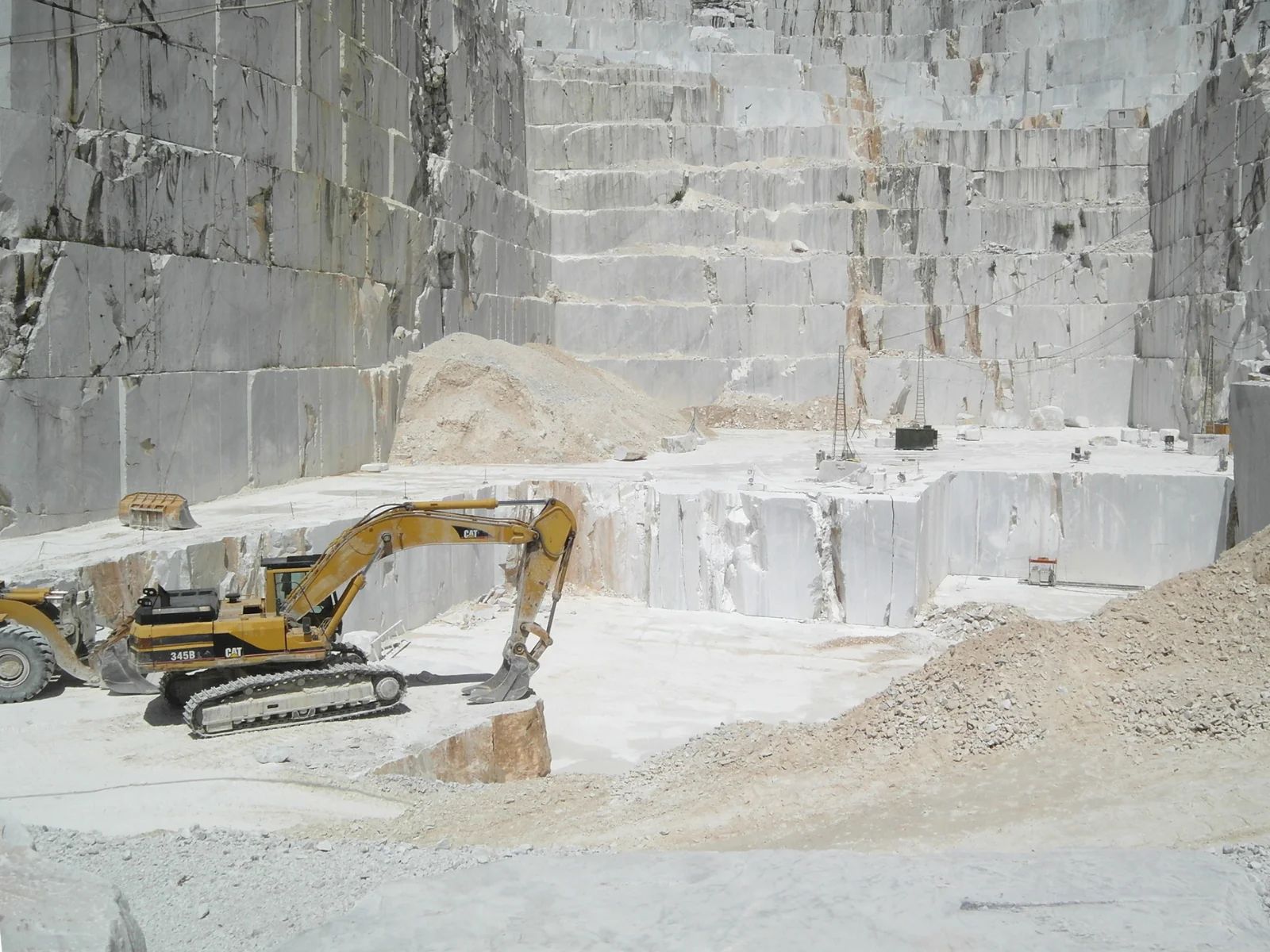
Blast design sets the size distribution entering the primary crusher, yet drilling and blasting and plant teams often work to separate KPIs. A blast can clear the face while still sending oversize or excess fines that hurt crusher rate and product balance. Crusher pain is then reviewed after the shot, not used to improve the next design.

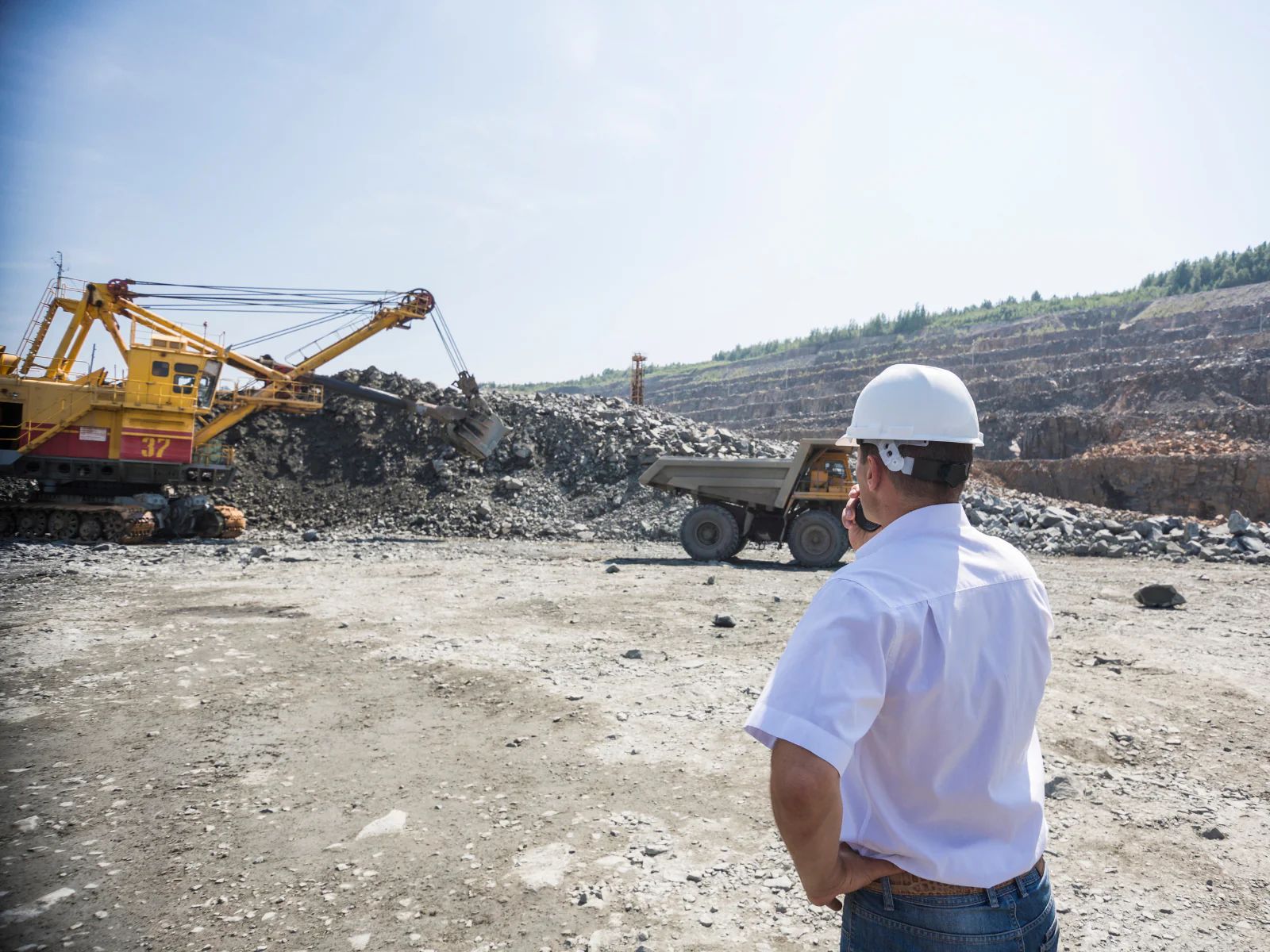
Blast engineer reviewing fragmentation results against crusher performance
01
02
03
  • 01Oversize at the crusher
  • 02Throughput and fines trade-offs
  • 03Rock-domain variation

The shift

From two separate jobsto one connected planning loop.

The blast engineer stays in charge of design and safety. What changes is whether the next pattern is reviewed against this quarry's blast-to-crusher history before it is fired.

Today

Blast and crusher stay disconnected

  • Patterns are set without a direct feedback loop from crusher performance.
  • Fragmentation and throughput are reviewed by separate teams after the fact.
  • Standard patterns may be reused across rock domains that respond differently.
With INSUS

Design with the crusher in view

  • Candidate designs are scored against estimated crusher impact for that face.
  • Recommendations account for known rock-domain differences.
  • The blast engineer reviews, adjusts and approves inside the existing safety envelope.

How it works

From blast designto a crusher-aware recommendation.

This fits OptiStudio as operational decision support for blast planning beside the quarry's existing design and crusher systems. Day one is advisory. Blast execution stays with qualified site personnel.

  1. Connect

    Bring blast and crusher data together

    Read-only links to historical blast designs (spacing, burden, powder factor), rock-domain records, available fragmentation measurements, and crusher throughput or gradation history.

  2. Understand

    Learn how each rock domain responds

    Learn how blast parameters have related to fragmentation and crusher outcomes on this quarry's history, not from a generic template.

  3. Predict

    Estimate fragmentation before the shot

    For a candidate design, estimate likely size distribution and potential impact on primary crusher rate and product balance.

  4. Advise

    Rank design adjustments for review

    Rank option changes within the blast engineer's established safety and design envelope by estimated downstream crusher impact. No automatic blast redesign.

  5. Verify

    Check recommendations against outcomes

    Compare recommended designs with actual fragmentation and crusher results, then recalibrate by rock domain and circuit as history grows.

Blast-to-crusher optimization dashboard for aggregates operations

Getting started

Start with one quarry faceand its crusher circuit.

For aggregates operations that can connect blast design records with crusher performance history. Delivered through OptiStudio as advisory blast planning support. Expert Services can help with discovery and pilot validation. Fragmentation measurement strengthens the model where it already exists; the pilot can assess whether blast and crusher data alone are enough.

  • What we need. Historical blast parameters such as hole spacing, burden and powder factor, crusher throughput and gradation history, and rock-domain records. Fragmentation measurements help where available.
  • What you see first. A quarry-calibrated view of blast-to-crusher relationships by rock domain, with ranked design adjustments inside the engineer's safety envelope.
  • How it grows. After validation on one face and circuit, extend across additional domains and patterns as outcomes support it.
Explore OptiStudio

Questions aggregates process teams ask us

Blast and plant teams often optimize separately. Oversize or excess fines then show up at the crusher. This use case links blast design history with crusher outcomes so the next pattern can be reviewed against plant needs before it is fired.

Historical blast parameters such as spacing, burden and powder factor, crusher throughput and gradation history, and rock-domain records. Fragmentation measurements help where the quarry already has them.

Not by default. Existing blast records and crusher historian or DCS data are the starting point. If fragmentation measurement is missing, the pilot assesses whether blast and crusher data alone are sufficient.

No. Recommendations are advisory. Design approval, safety controls and blast execution stay with qualified quarry personnel. There is no closed-loop blast control.

No. Integration with crusher systems is read-only for this use case. Circuit control stays with the existing plant systems. Crusher setpoint advice is a separate use case.

Yes. Models are calibrated by rock domain because the same pattern can fragment differently under different geology.

Through OptiStudio as operational decision support for blast planning. Expert Services can support discovery, data readiness and pilot validation against the quarry's own baseline.

Aggregates · Drilling & blasting

Design the blast the crusher actually needs.

Connect blast design history with crusher performance for one face, review recommendations inside your safety envelope, and measure against your own oversize and throughput baseline.