Today
Replacement follows the calendar
- Parts are changed on fixed schedules or after visible failure.
- Usage and failure history stay mostly retrospective.
- The same interval may be applied across different duties and rock conditions.

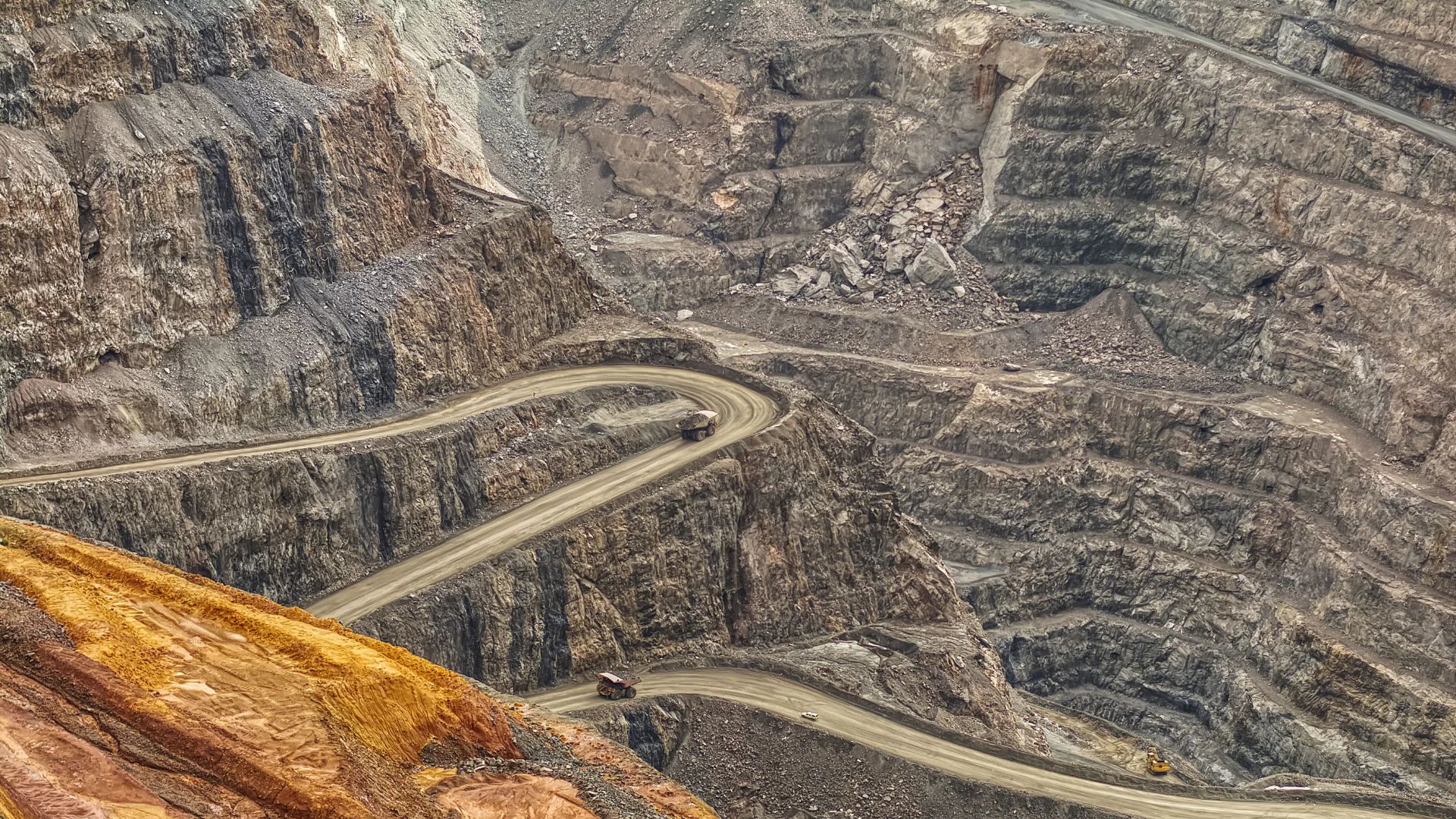
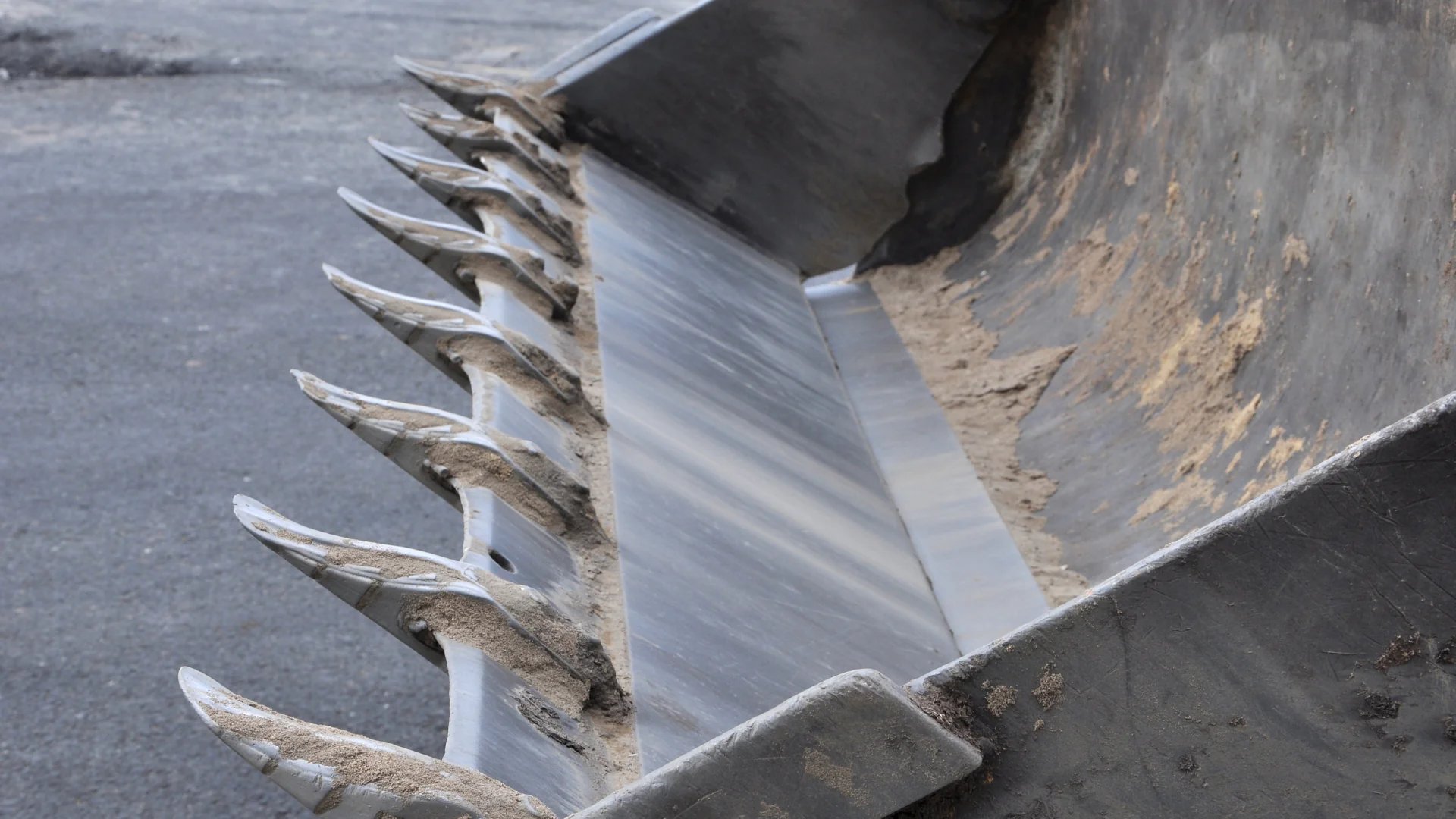
Abrasive rock wears bucket teeth and other high-wear parts at different rates by duty cycle and rock domain. Fixed intervals waste life or leave machines exposed. INSUS uses usage and maintenance history you already keep to estimate failure risk and recommend a replacement window for the team to review.
01
Wear follows usage, not the calendar.
02
Rock domain and duty cycle change the rate.
03
Maintenance stays with the team.
The problem
Loaders and excavators in abrasive rock see wear that shifts with hours, material and how the machine is worked. Bucket teeth and similar parts are still often replaced on a fixed interval or after visible failure. Without a usage-based view, teams struggle to tell whether a part still has life or is approaching a failure risk that will stop production between planned windows.

The shift
The maintenance team stays in charge of what gets replaced and when. What changes is whether timing is informed by how that machine has actually been used on this quarry.
Today
With INSUS
How it works
This fits Predictive Maintenance as advisory wear timing for high-wear mobile equipment. Day one is decision support: no automatic work orders, shutdowns or control-system writes.
Connect
Read-only links to CMMS or maintenance records, operating-hour logs and, where available, rock-domain or duty-cycle data. Existing telematics can be added when already in place.
Understand
Learn how hours, rock conditions and duty cycle have related to replacement and failure timing on this quarry's own history.
Predict
For a defined wear part, estimate remaining life and failure risk from that machine's actual usage pattern and relevant operating conditions.
Advise
Surface a replacement or reconditioning window for review so the team can align intervention with planned maintenance and production. No automatic work-order creation.
Verify
Compare recommended windows with actual wear condition and failures, then recalibrate using the quarry's growing maintenance history.
Getting started
For aggregates operations with CMMS and usage history on high-wear loaders or excavators. Delivered through Predictive Maintenance. Expert Services can help with discovery and pilot validation. No new sensors are assumed for the baseline; existing telematics improve granularity when already available.
Related for aggregates
Wear-part timing sits beside blast feed quality and crusher circuit balance on the same quarry.
Fixed replacement intervals often waste usable part life or leave machines exposed to abrasive wear failure. This use case estimates failure risk from usage and maintenance history so teams can plan replacement before an avoidable stop.
CMMS or maintenance records, equipment usage-hour logs and, where available, rock-domain or duty-cycle information. Existing telematics can be included when already available.
No for the baseline. The pilot starts from maintenance and usage records. Existing telematics or wear instrumentation can improve granularity when already on site.
High-wear parts on quarry loaders and excavators, such as bucket teeth. Other classes need enough historical maintenance data to assess fit.
No. It is advisory decision support. The maintenance team reviews recommendations and decides when to replace or recondition. There is no closed-loop control.
No. This use case focuses on wear prediction and maintenance timing. Crusher setpoints and blast design are separate aggregates use cases.
Through Predictive Maintenance as advisory wear timing for aggregates mobile equipment. Expert Services can support discovery, data readiness and pilot validation against the quarry's own baseline.
Aggregates · Equipment maintenance
Turn maintenance and usage history into a forward-looking wear view for one equipment class. Your team stays in control of what gets replaced and when.