Cement industry

Where the kilnmoves on first

Free lime is confirmed after the clinker has left. Extra fuel covers the quality band. Mill power is given away against a fineness margin. The tonnes still have to ship.

  • 01

    The free lime while this meal is still in the kiln

    Give the panel an estimated free lime on this feed and this fuel — not on a lab slip for clinker that has already left the cooler.

  • 02

    Fuel that matches this mix, not the last one

    Hold firing, draught and feed against the quality band, so extra gas is not the only safe move every shift.

  • 03

    The mill setting for this clinker, not the average one

    Hit the required fineness at the lowest power for the clinker currently being fed, rather than carrying a safety margin the certificate never shows.

On the kiln and the mill

Quality is decided before the lab result

Cement plants lose money in three places that rarely share one screen: a free-lime result that arrives after the kiln has moved, extra fuel carried as insurance, and mill power given away against a fineness margin. Most of that is already in tags, lab files and historians — after the fact.

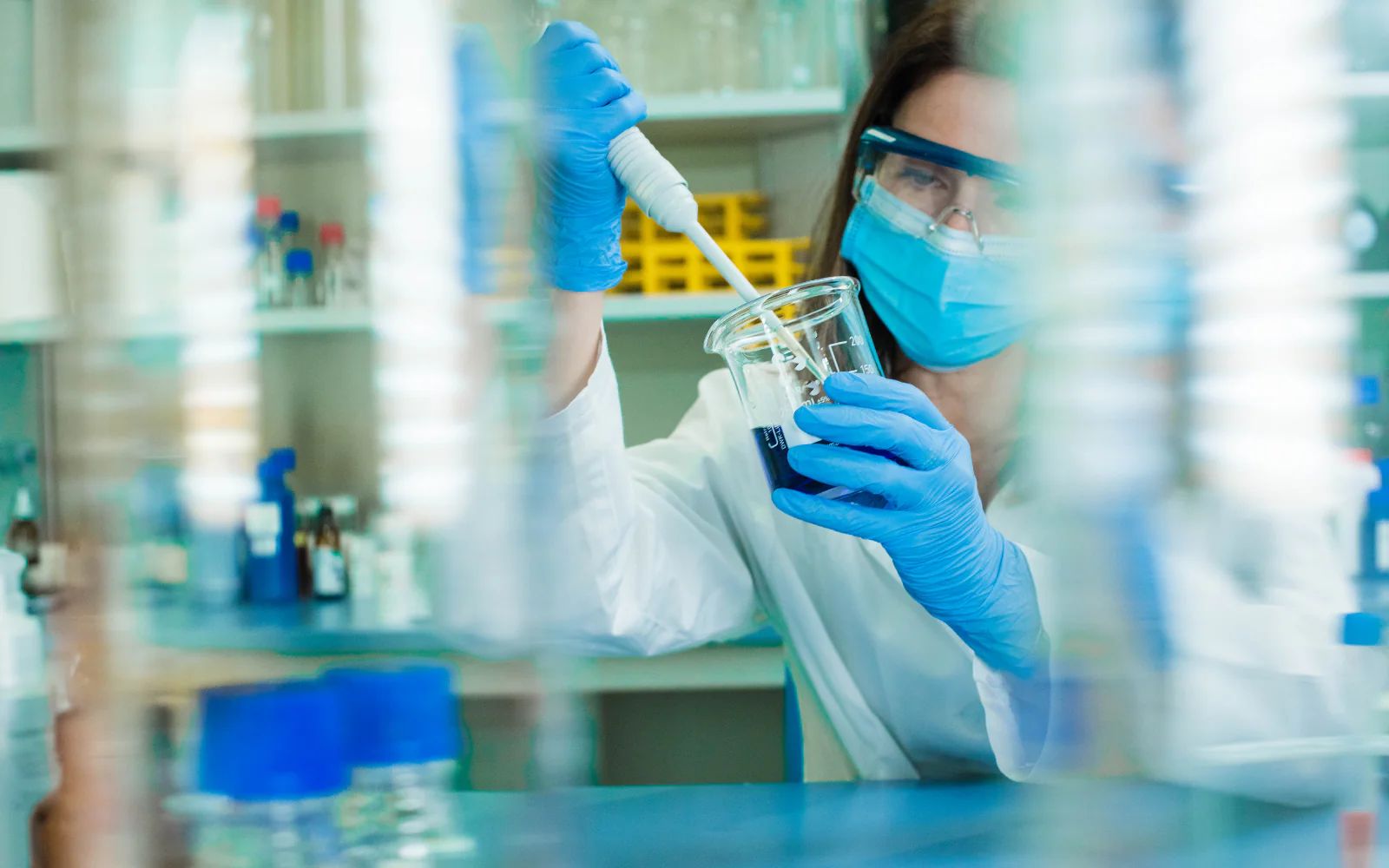
Plant team reviewing kiln and laboratory readingsThe lab

Free lime is confirmed after the clinker has left

The lab result describes meal that has already left the burning zone. Operators fire hotter than chemistry needs because the slip cannot catch drift in time. The tonnes in the silo are already made.
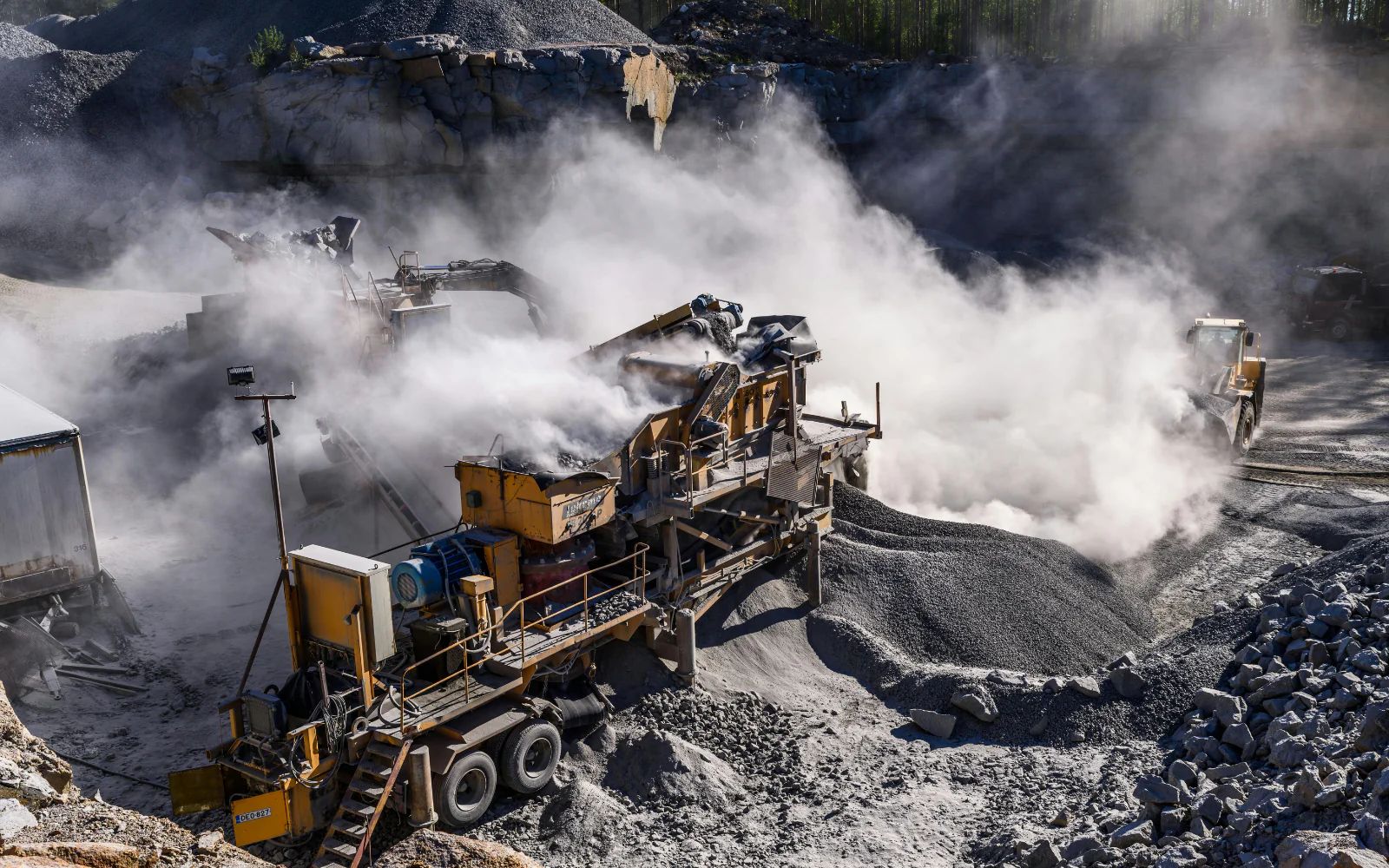
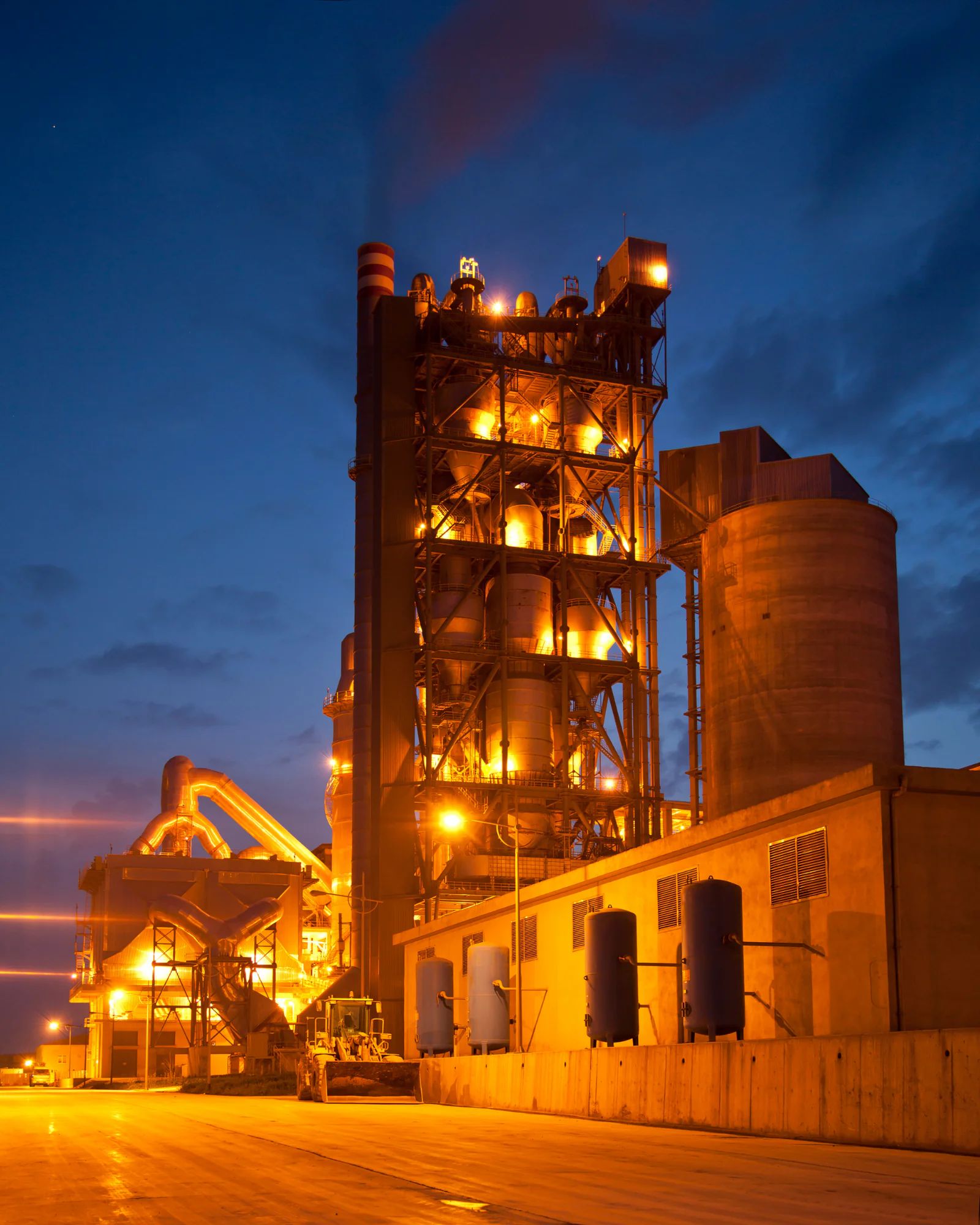
Industrial energy and process plant under loadThe fuel

Extra heat is the insurance paid on every tonne

Cut specific heat and the burning zone tightens. Fuel and feed keep moving. The easy correction is more coal or gas — and process CO₂ with it — unless the operator can see feed, fuel and quality together.

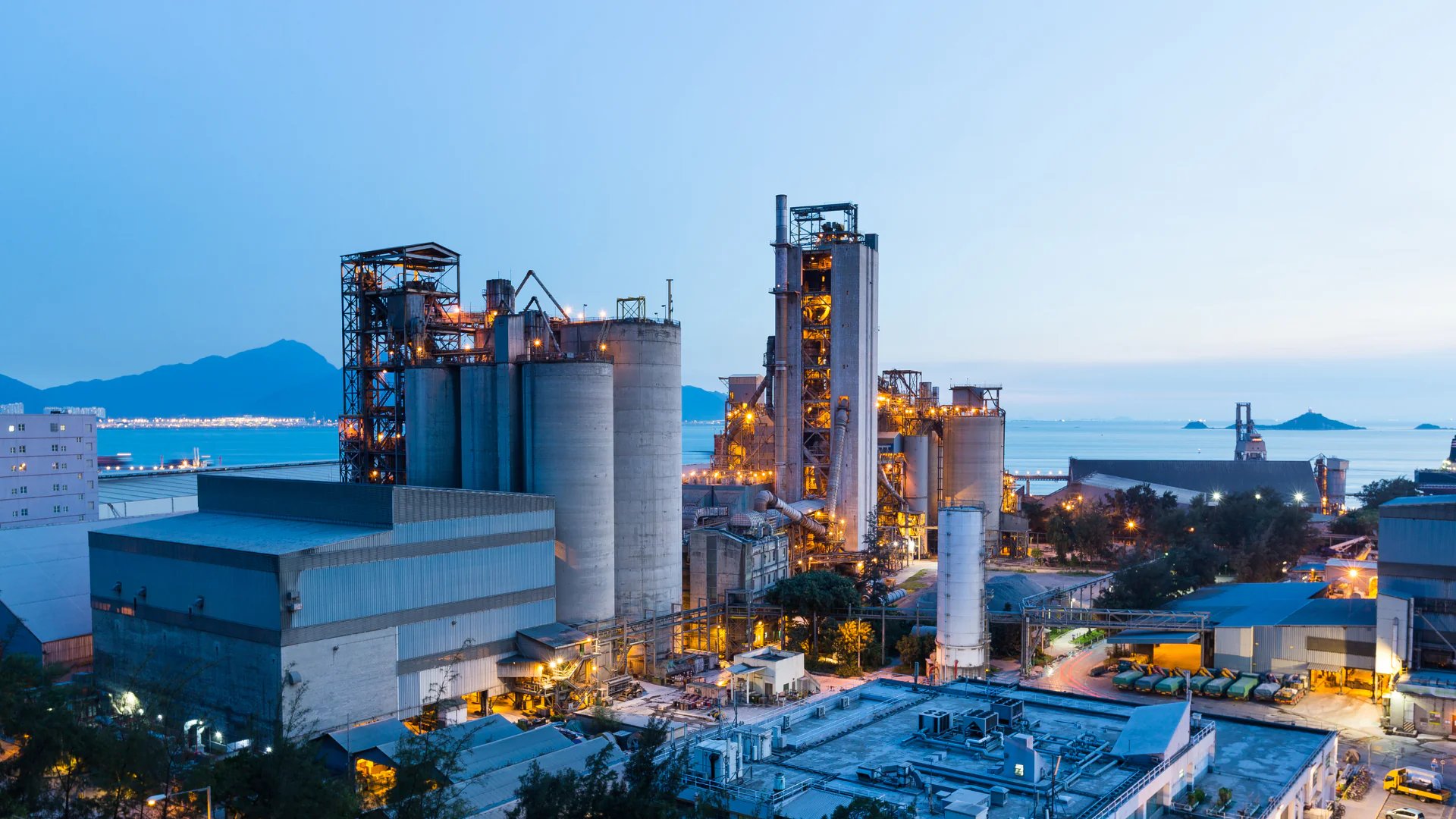
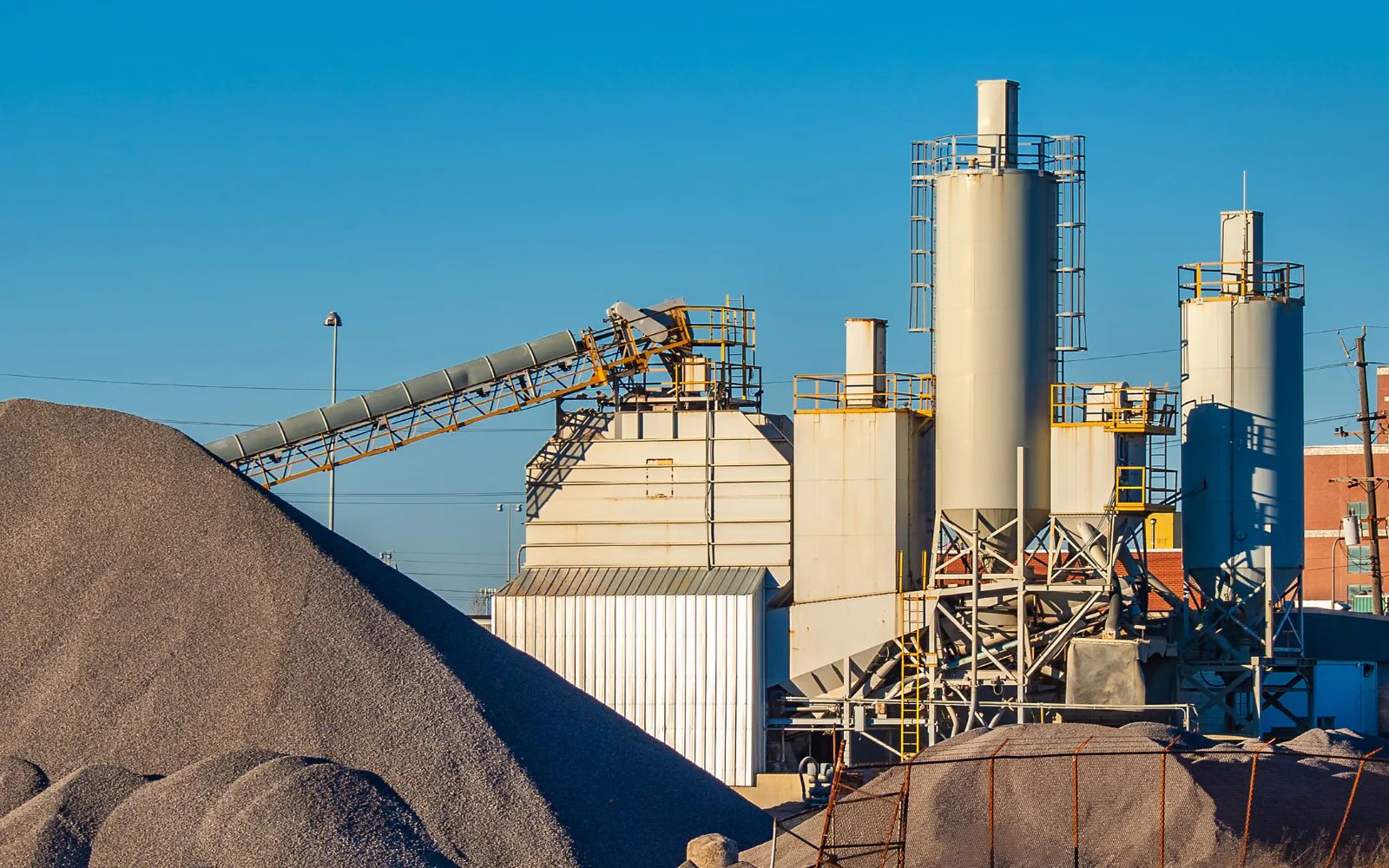
Cement plant tanks, kiln and preheater on the running lineThe mill

Mills give away power the certificate never shows

Mills run to a fineness target with a safety margin that never appears on the certificate. That mill giveaway shows only on the power bill — for the clinker currently being fed, not for an average one.

Most plants run conservatively — extra fuel is the insurance, paid for on every tonne, every shift.

INSUS works from the kiln tags, lab results and equipment logs a plant already keeps. If the gap is a drifting analyser, a maintenance job or a missing join to the right meal, that is what we will say.

Explore the possibilities

Industry figures

The scale of what is being decided

Four external figures, each with its source. Nothing on this page is an estimate we made up. Where we cannot cite a number, we describe the situation in words instead.

CO₂

7%

of global CO₂ comes from cement and concrete. The sector has committed to net-zero concrete by 2050 — the cut still has to land on the kiln and mill you run today.

Source: GCCA, Concrete Future

Quality

~90min

is the interval many plants live with between clinker being produced and free lime being confirmed by the laboratory.

Typical plant practice. Varies with sampling interval and laboratory method.

Trend

>2015

cement CO₂ has not fallen back under 2015 levels. Near-zero routes are still costly — the cut is on this kiln's fuel and this mill's power.

Source: IEA, Breakthrough Agenda 2024

Cement plant tanks, kiln and preheater on the running line

Common problems

Problems that cost you before you notice

None of these show up as a single alarm. They show up in the fuel bill, the spec sheet and the shift log — a little worse than they needed to be, every time.

  1. Kiln conditions change faster than the panel can follow

    Temperatures, fuel, feed and gas conditions interact continuously. Control systems stabilize the kiln; they do not search for a better operating point. Extra heat then becomes the safe move, and thermal energy, quality and emissions drift with it.

    See: Clinker Production Temperature Optimization
  2. Quality problems become visible after the process has already moved

    Raw-material composition shifts while the lab result is still on the way. By the time compressive strength, fineness or setting time is confirmed, that production window has already left. Corrections then land on a different meal.

    See: Cement Quality Prediction
  3. The kiln is already unstable before anyone pulls a free lime

    Feed and fuel keep changing; the burning zone cannot. Operators carry extra fuel — overburning a little more heat than the clinker needed, on every tonne, every shift.

    See: Kiln Fuel & Feed Optimization

Use cases

Places worth a closer look

Each is a specific starting point — this kiln, this meal, this fuel mix — and a next conversation if it is worth your time.

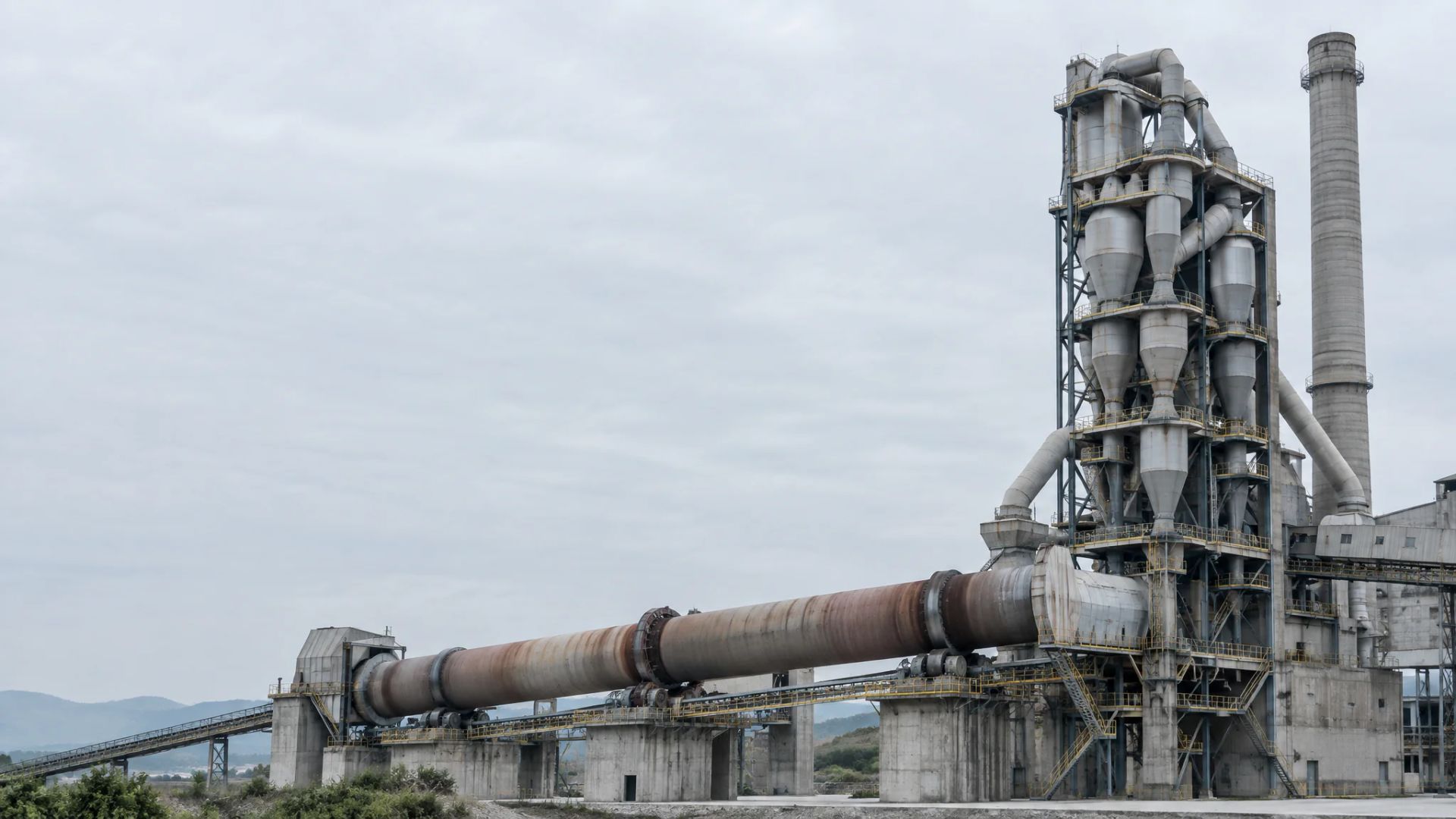
Rotary kiln and pyroprocessing line in a cement plant
Energy

Clinker Production Temperature Optimization

Recommend kiln and burning-zone temperatures from existing DCS, historian and free-lime data so plants can cut unnecessary thermal margin. Advisory only.

See the full use case
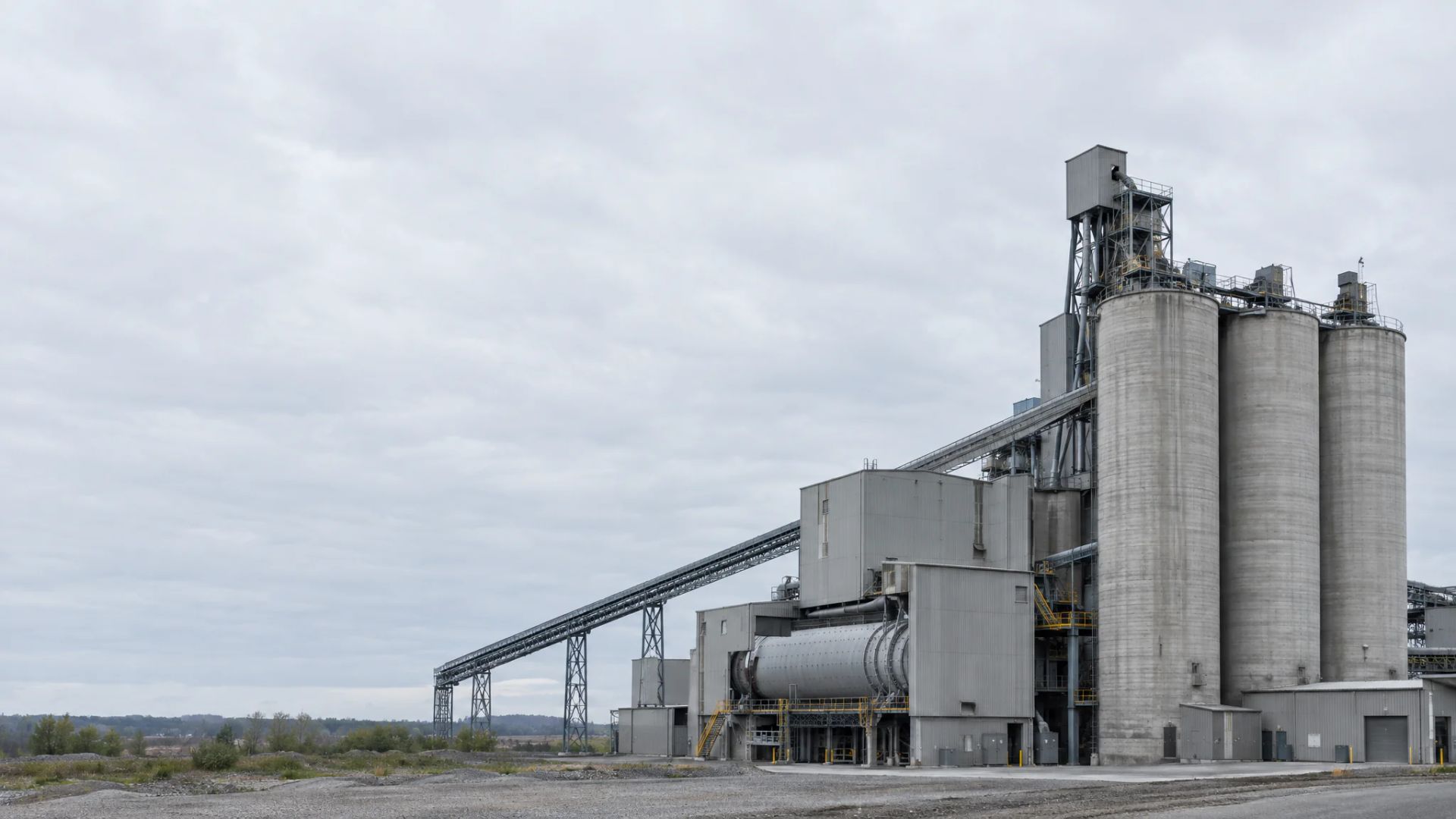
Cement production line and quality control operations
Quality

Cement Quality Prediction

Predict compressive strength, fineness and setting behaviour from meal composition and process data already in DCS, historian and LIMS. Lab stays the system of record. Advisory only.

See the full use case
Rotary kiln and pyroprocessing line in a cement plant
Process

Kiln Fuel & Feed Optimization

Recommend cement kiln fuel, air and feed settings from existing DCS, historian and free-lime data when meal chemistry and fuel mix keep changing. Advisory only.

See the full use case

FAQ

Questions that come up in every first call

A practical look at what INSUS needs, where it fits and what your team can expect.

The work that fits is the data a cement plant already produces: kiln tags, lab results, fuel records and equipment logs. Clinker Production Temperature Optimization, Cement Quality Prediction and Kiln Fuel & Feed Optimization have dedicated pages. Closed-loop kiln control is not a day-one promise.

Usually not. Most plants already log kiln feed, fuel flows, draught, gas analysis, cooler and mill signals, plus laboratory results. Where a transmitter has been drifting, that comes before any model.

No. The person who knows this kiln, this fuel mix and this clinker type stays responsible. The aim is to recommend better kiln and mill operating conditions from data you already log — not to take the panel away.

No. It advises the CRO or process engineer first. Your DCS, PLCs and any APC stay in charge of the loop. Safety interlocks are never touched. Selected closed-loop applications are only considered after advisory recommendations have been validated.

AI models learn how kiln temperatures, fuel, feed and gas conditions affect energy, quality and emissions, then recommend a feasible operating point. The first deployment is advisory. Existing DCS and APC stay on the loop. That is the Clinker Production Temperature Optimization use case.

No. Cement Quality Prediction uses raw-material composition, process data and historical lab results you already keep to flag likely deviations earlier. The laboratory remains the measurement. Production adjustments stay with your team.

Kiln Fuel & Feed Optimization uses kiln, fuel, feed and process data you already log to recommend a feasible operating point. The first deployment is advisory. Existing DCS and APC stay on the loop.

Yes. The approach is built around the systems you already run. Integration is defined during the assessment. Statutory recipes, tickets and safety reporting remain yours.

Yes. One kiln line, one mill, or one recurring quality problem is usually the practical start. Measure that, then decide whether to widen.

Contact

Talk to a cement expert

  • 30 minA focused conversation about the cement problem you are trying to solve. No sales deck.
  • OutcomeA practical view of whether INSUS can help, what data would be needed and where it makes sense to start.
  • We will first understand your current process, what information you have and where the biggest gap is.
  • If the right answer is an instrument check, a maintenance job, a lab join or an existing system, that is what we will tell you.

Request a call

We reply within one working day, from a person, with a proposed time.