Quality arrives late.The meal has already left.

INSUS reads raw-meal composition, process tags and laboratory history the plant already keeps, and predicts plant-defined quality outcomes before the lab ticket closes. Quality and process teams decide. The lab stays the system of record.

  • 01

    Meal chemistry moves continuously.

  • 02

    Lab tickets arrive after the window.

  • 03

    Advisory only. Predictions stay under plant control.

The problem

The lab confirms qualityfor a meal that has already left.

Finished cement quality depends on raw-material composition and the process conditions that turn meal into clinker and cement. Limestone, clay, correctives and gypsum properties vary. Blending, kiln and cement-mill conditions move with them. Laboratory results for compressive strength, fineness and setting time remain the system of record, but they arrive after the relevant production window. Teams then correct on a different meal: rework, blending decisions or held product.

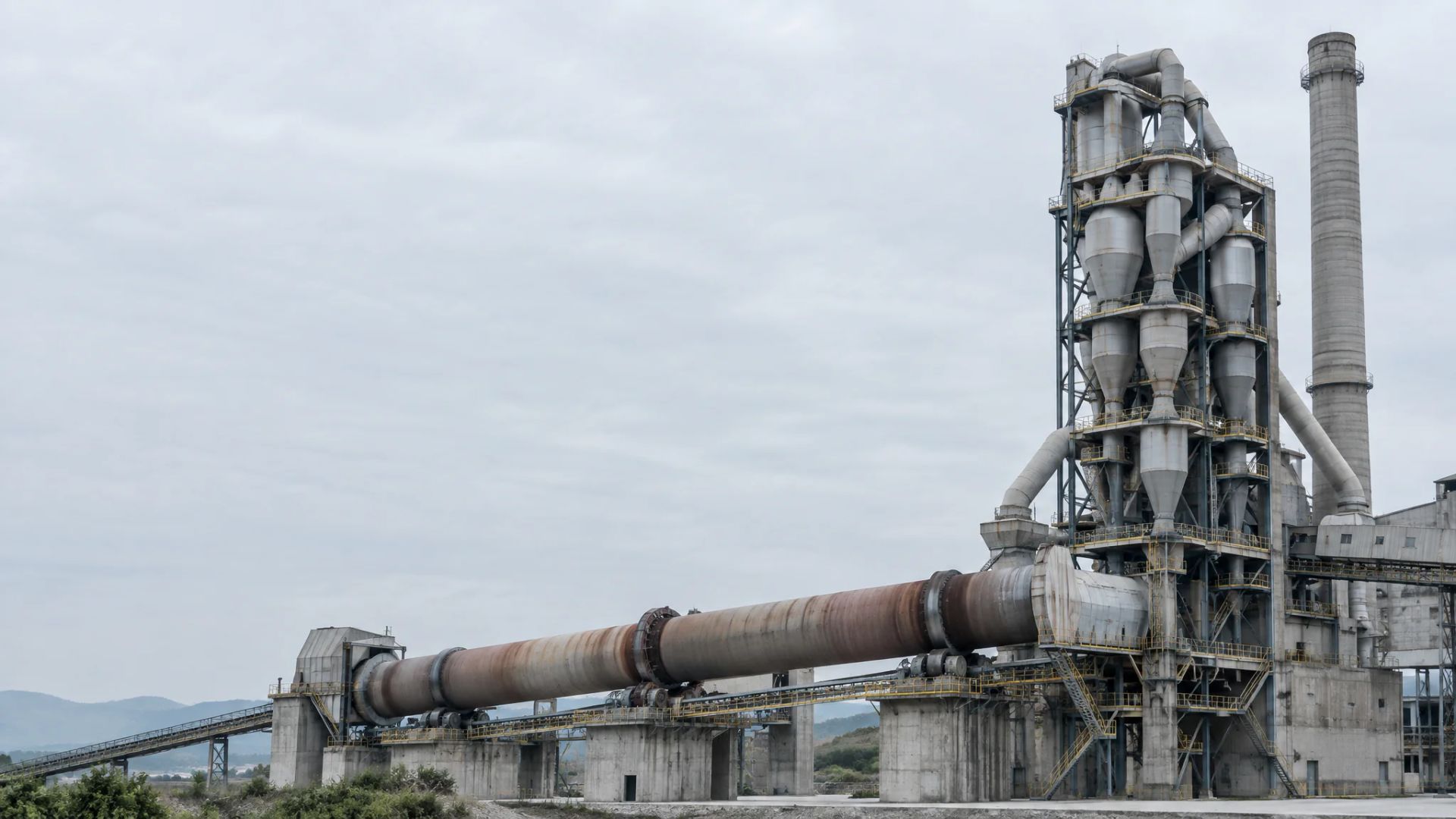
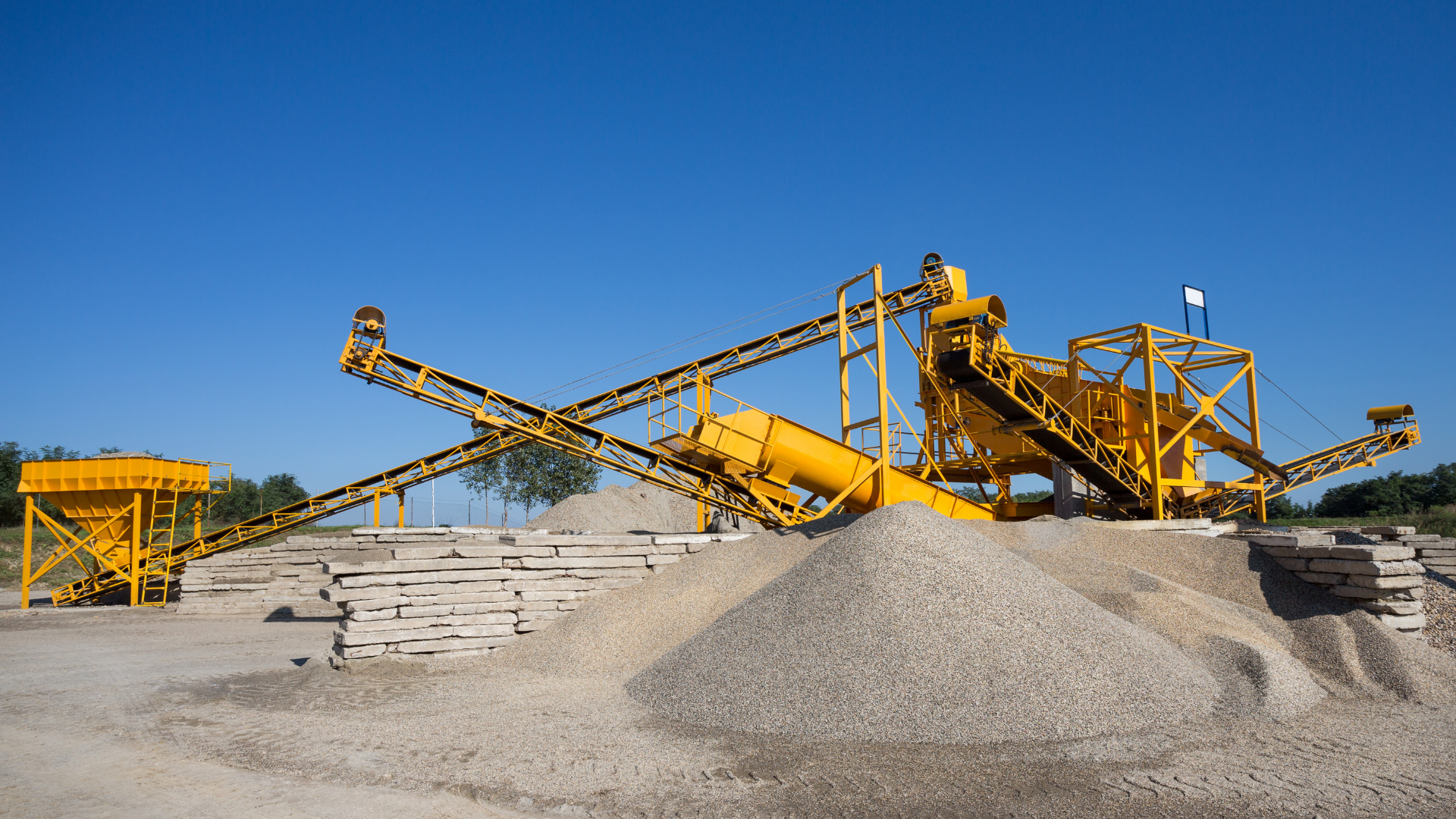
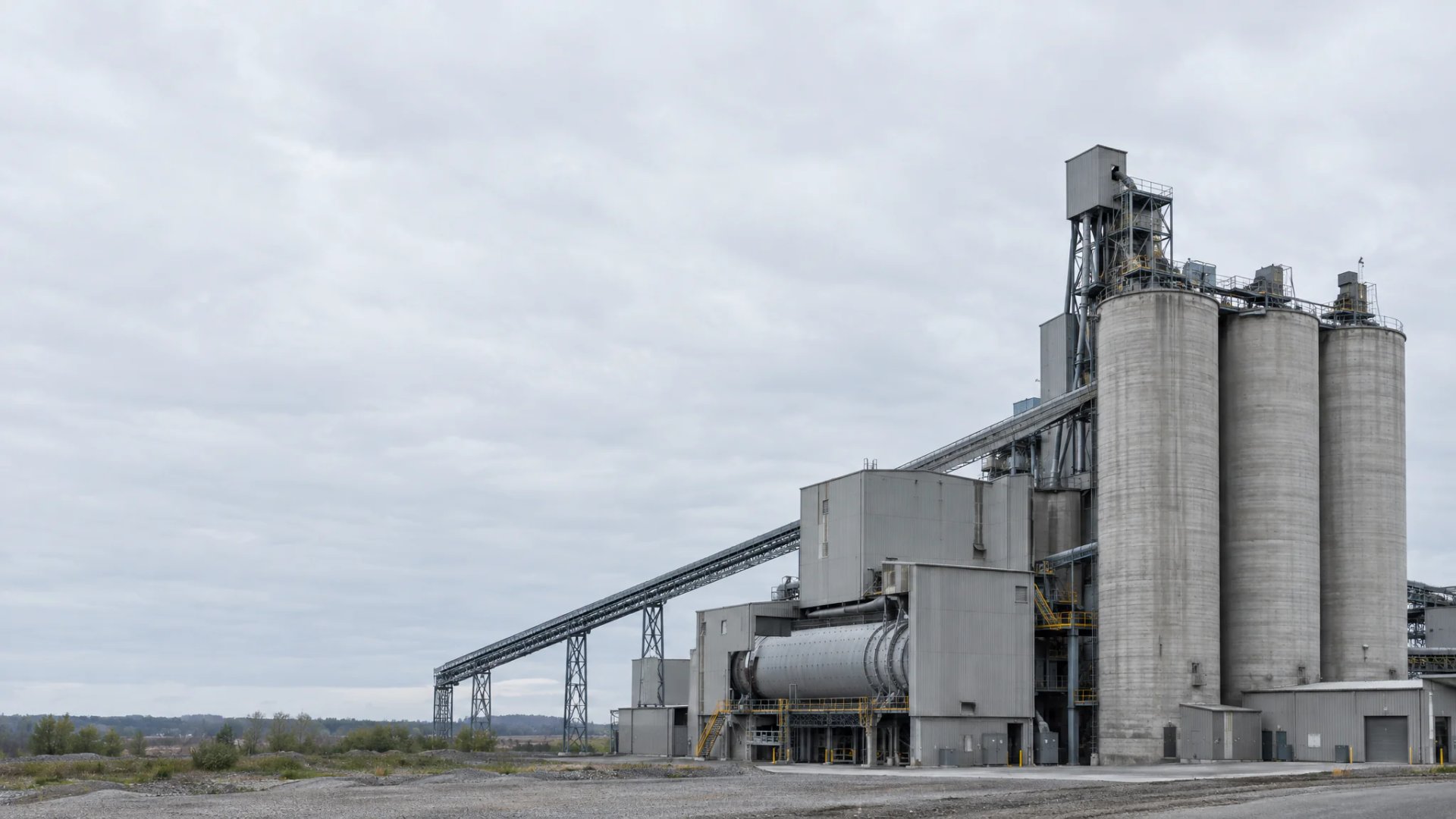
Cement plant production and raw-material processing operations
01
02
03
  • 01Raw-meal chemistry varies across shipments and blends
  • 02Strength, fineness and set arrive after production has moved
  • 03Late correction means rework, blending cost or held product

The shift

From waiting for the ticketto seeing the likely quality earlier.

The laboratory stays the system of record. What changes is whether quality and process teams can see the likely outcome while raw-meal or mill conditions can still be challenged.

Today

React after the lab result

  • Raw-meal composition and process conditions change during the shift.
  • Compressive strength, fineness and setting time are confirmed after that window has left.
  • Teams respond with rework, blend adjustments or held product on a different meal.

With INSUS

Predict, then decide

  • Plant-specific models learn how this plant's meal chemistry and process conditions relate to its own quality tickets.
  • Predictions flag likely deviations against plant-defined quality measures before the final lab result.
  • Quality managers, process engineers and chemists review the prediction and decide whether to investigate or adjust.

How it works

From meal and lab historyto a quality prediction.

This fits OptiStudio as quality decision support above DCS, historian and LIMS. Access is read-only. It does not replace laboratory testing or write setpoints.

  1. Connect

    Bring meal, process and lab data together

    Connect read-only to raw-material and meal composition records, DCS and historian process tags, cement or clinker composition where available, and LIMS quality results such as compressive strength, fineness and setting time.

  2. Understand

    Learn this plant's meal-to-quality link

    Learn how raw-material characteristics and upstream process conditions have related to laboratory quality outcomes on this plant's own history, not from a generic cement template.

  3. Predict

    Estimate quality before the ticket closes

    Generate predictions for plant-defined indicators such as compressive strength, fineness and setting behaviour, with uncertainty where the data supports it, before the final laboratory result is available.

  4. Advise

    Surface risk for quality and process review

    Present predictions, trends and supporting meal or process context to quality managers, process engineers and chemists. People decide whether to investigate meal chemistry, mill settings or hold product. The lab remains the confirmation path.

  5. Verify

    Score predictions against the lab

    Compare each prediction with its eventual laboratory result. Confirmed and rejected outcomes refine the plant-specific model as meal sources and process conditions change.

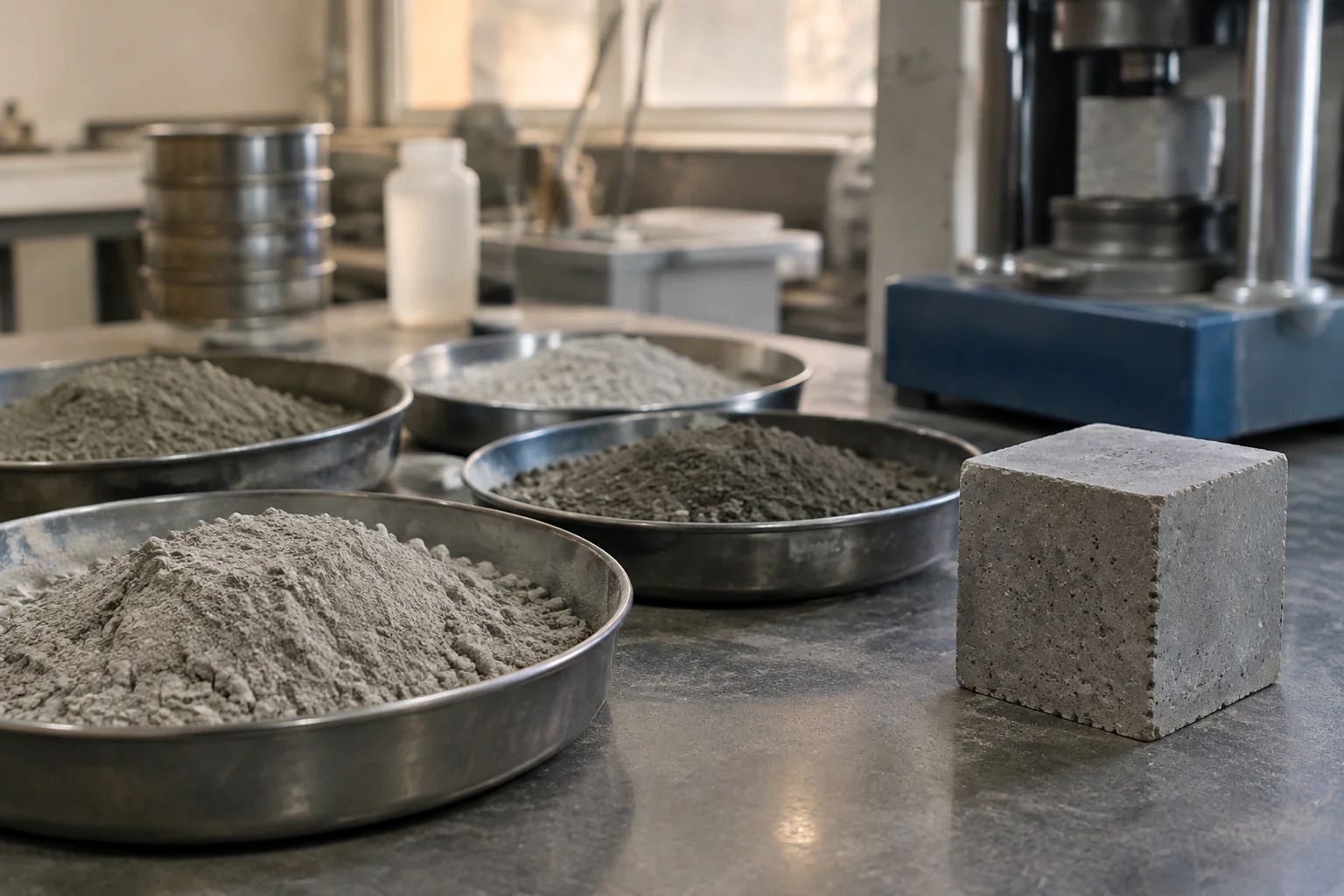
Cement quality and production data being reviewed by a plant team

Getting started

Start with one product lineand the quality tickets you already keep.

For cement plants where strength, fineness or set are confirmed after the production window has left. Delivered through OptiStudio as quality decision support. Expert Services can help with data assessment and validation. Advisory only. The lab stays the system of record.

  • What we need. Historical meal and raw-material composition, relevant process tags, cement or clinker quality measurements, and laboratory results aligned to production periods. Typical indicators include compressive strength, fineness and setting time where the plant already tests them.
  • What you see first. Plant-specific predictions of agreed quality parameters, predicted versus actual performance, and patterns that help explain quality shifts. No new sensors where meal analysis, process tags and routine lab testing already exist.
  • Where the limits are. Advisory only. Does not replace laboratory testing or write mill or kiln setpoints. Models are plant- and product-specific. No guaranteed reject-rate reduction or accuracy percentage.
Explore OptiStudio

Questions cement plants ask us

Meal chemistry and process conditions move while compressive strength, fineness and setting time are still in the lab. This use case predicts plant-defined quality outcomes earlier for quality and process team review.

Raw-material and meal composition, relevant process tags from DCS and the historian, cement or clinker composition where available, and historical LIMS quality results aligned to production periods.

No. Predictions support earlier investigation. Laboratory testing remains the system of record and is used to validate and improve the models.

Day-one delivery is advisory. Predictions go to quality managers, process engineers and chemists. People decide whether to investigate meal chemistry, adjust process conditions or hold product.

Through OptiStudio as quality decision support. Expert Services can support data assessment, integration and validation with your quality and process teams.

No. Cement quality depends on meal chemistry, process condition and operating practice. Value is judged against agreed baselines on the pilot product or line.

Models are plant- and product-specific and do not transfer unchanged. Missing composition or quality history is a data prerequisite. Predictions do not replace statutory tickets or quality reporting.

Cement · Quality · Raw meal

See where quality is heading before the lab ticket closes.

A back-test on one product line and the quality tickets you already keep will show how early meal chemistry and process tags already signal strength, fineness or set risk.