
Concrete industry

Where the batchleaves unchecked

Moisture on the aggregate changes the water in the mix. Slump is sampled, not watched on every load. The truck is already in traffic when the lab result arrives. The pour still has to happen.

  • 01

    The mix while it is still this batch

    Hold water, cement and admixture to the ticket from the moisture and weigh data the plant already records — not from a slump test after discharge.

  • 02

    Fewer loads that come back

    See which tickets are at risk from time, temperature and water added on the road, before the drum is rejected at the pump.

  • 03

    The mixer stop while it can still be planned

    Read mixer, conveyor, screw and silo signals the plant already logs, so a bearing or gate failure is not the first notice.

At the plant and on the truck

Quality is decided before the cylinder breaks

Ready-mix loses money in three places that rarely share one screen: a batch that is already wet or dry when it leaves, a load that stiffens in traffic, and a returned drum that becomes washout and landfill. Most of that is visible in tickets, moisture probes and plant logs — after the fact.

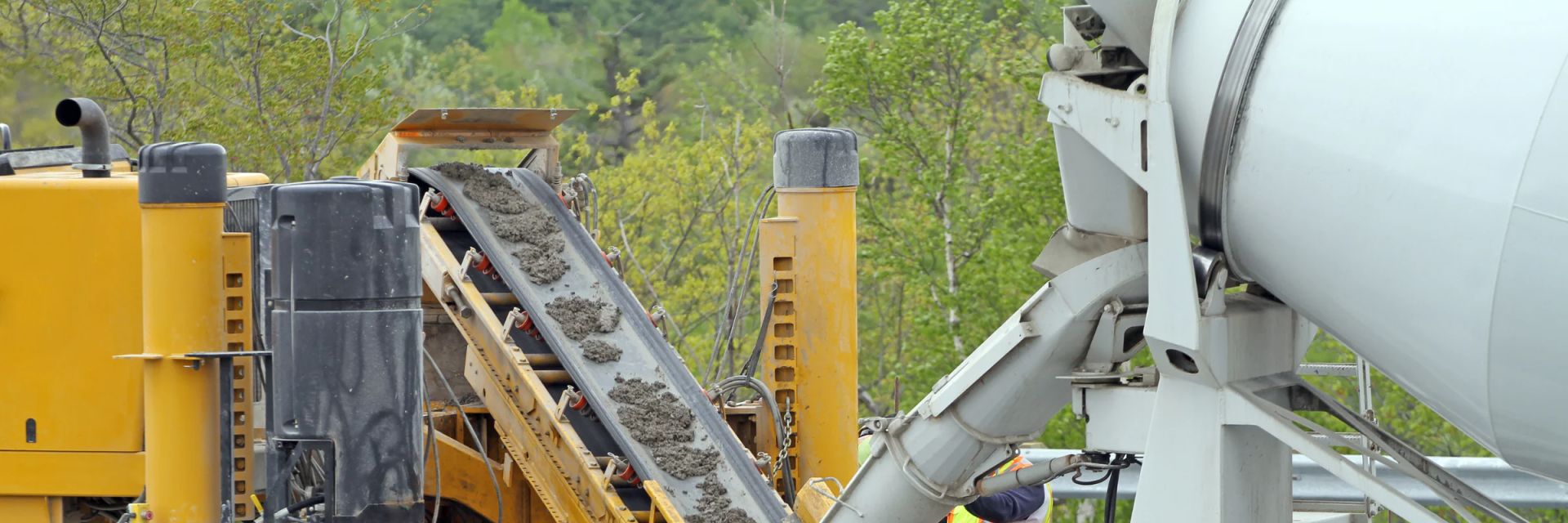
Batch plant weighing and mixing equipmentThe batch

Free moisture on the sand is still water in the mix

ASTM C94 requires batch masses to include the moisture in the aggregate, and mixing water to stay within a tight band of the design. When the probe is unread or the scale has drifted, the slump and the w/cm are already wrong before the drum turns.

Plant team reviewing batch tickets and quality readingsThe ticket

Slump is sampled. The other trucks still leave.

Workability is still checked on a sample of production, not on every truck. Most loads leave on the ticket and the batchman's eye until the pour rejects them.

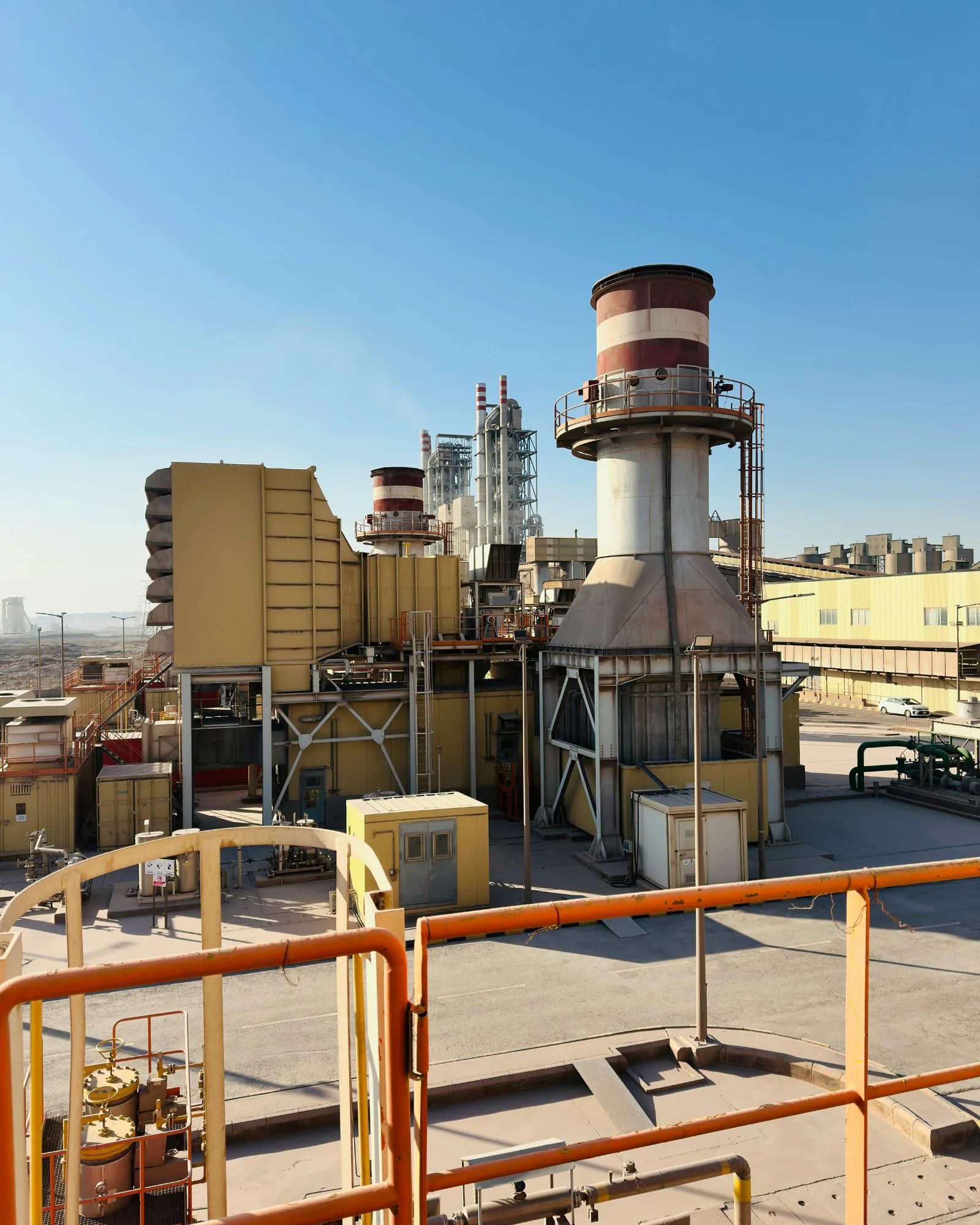
Materials plant and yard of the kind used by ready-mix producersThe yard

Returned concrete is a cost you already paid for twice

NRMCA research has put returned ready-mix in the 2–10% range, about 5% on average. The drum comes back. The cement, the truck hour and the washout still have to be handled.

Adding water on the job is the easy correction. It is also how the spec is lost.

INSUS works from the batch records, moisture readings, tickets and lab results a plant already keeps. If the gap is a dirty probe, a drifting scale or a dispatch window, that is what we will say.

Explore the possibilities

Industry figures

The scale of what is being decided

Four external figures, each with its source. Nothing on this page is an estimate we made up. Where we cannot cite a number, we describe the situation in words instead.

CO₂

7%

of global CO₂ is attributed to cement and concrete. The cut still has to land in the mix design and the batch you load today, not only at the kiln.

Source: GCCA, Concrete Future

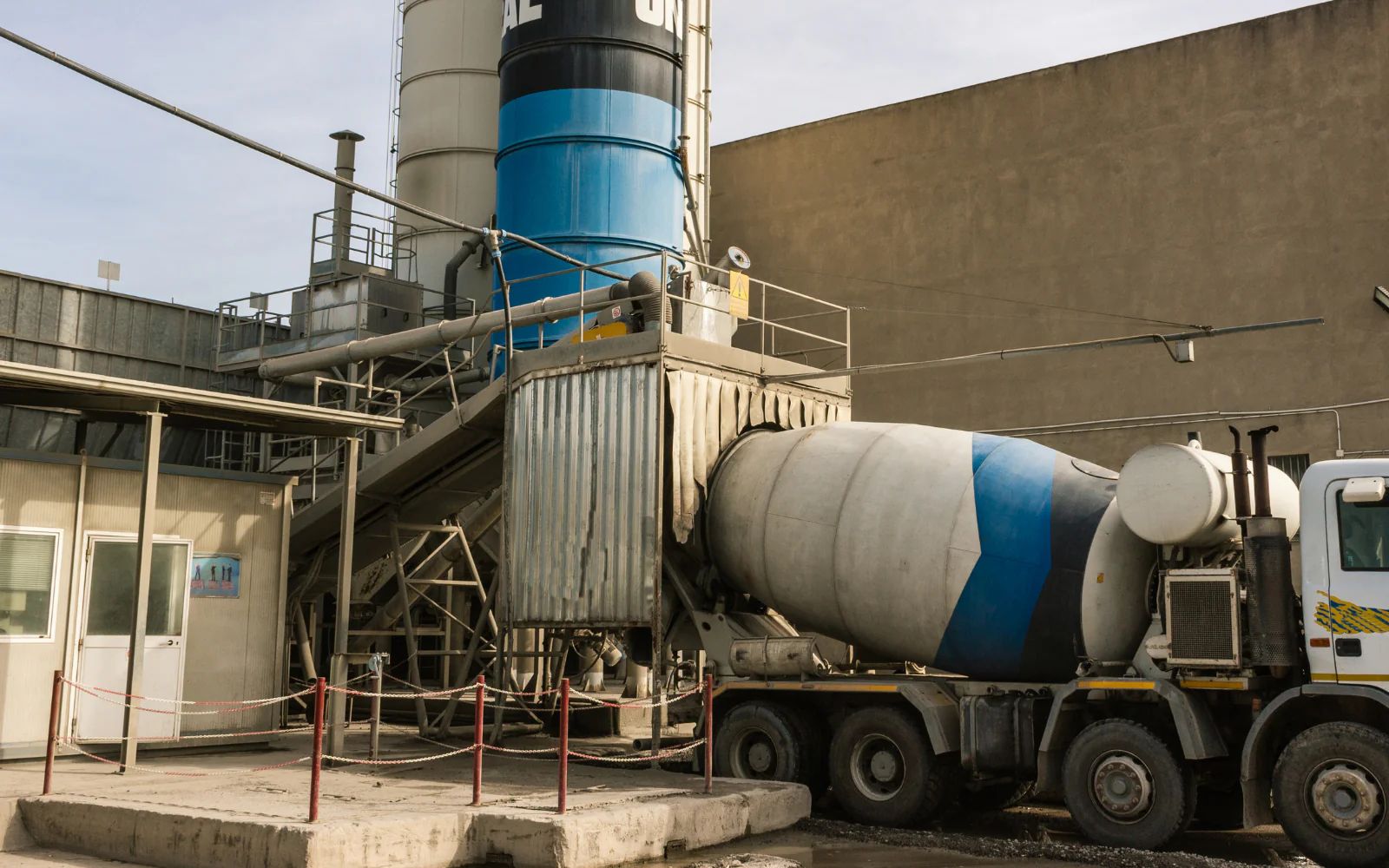
Concrete batching and mixing plant

Common problems

Problems that cost you before you notice

None of these show up as a single alarm. They show up in a rejected load, a pour decided without an early strength signal, and an EPD rebuilt from scratch when the specifier asks again.

  1. Time and water on the road change the mix you sold

    ASTM C94 no longer defaults to a universal 90-minute discharge limit; the purchaser or producer must set a time and put it on the ticket. Adding water to recover slump is still how many loads are saved — and how many specs are lost.

    See: Dispatch & Delivery-Window Optimization
  2. The strength number arrives after the decision is already made

    Mix design, form-strike and scheduling still wait on physical break tests. By the time the 28-day result is back, the pour and the next ticket have already moved.

    See: Concrete Strength Prediction & Maturity Analytics
  3. The mix design file and the ticket do not match

    Blended cements and SCMs now dominate some markets. The approved design, the moisture correction and what the batcher actually weighed still live in different systems. The EPD and the 28-day break then argue about a batch nobody can reconstruct.

    See: Concrete EPD & Carbon Documentation

Use cases

Places worth a closer look

Each is a specific starting point — this plant, this fleet, this spec — and a next conversation if it is worth your time.

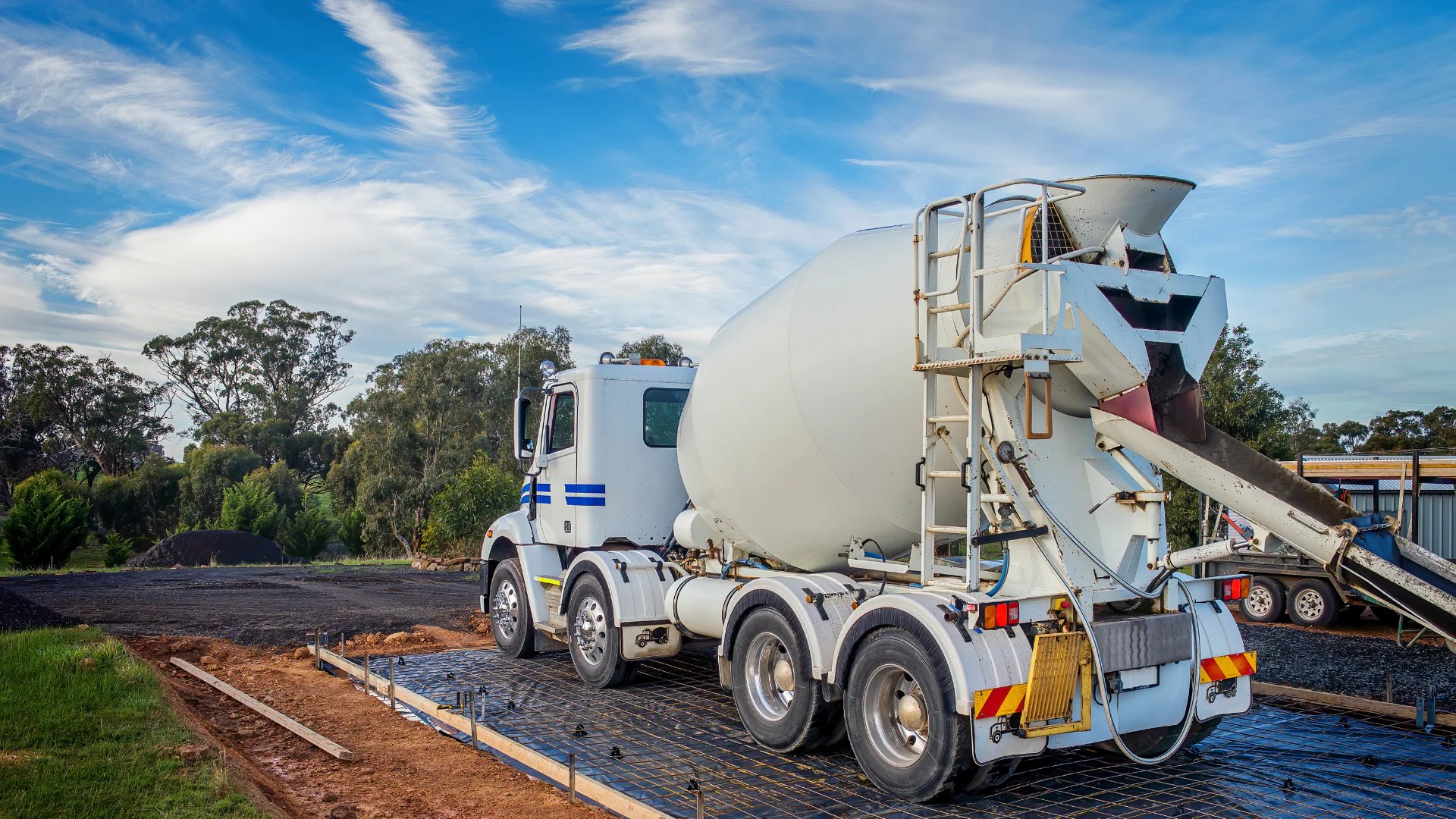
Ready-mix concrete trucks queued at a batch plant loading bay before dispatch
Operational excellence

Dispatch & Delivery-Window Optimization

Recommend ready-mix truck sequencing from mix set-time, batch time, telematics, traffic and weather so dispatchers can protect each load's workable placement window. Advisory only.

See the full use case
Concrete strength test cylinders and maturity monitoring data in a quality control environment
Quality

Concrete Strength Prediction & Maturity Analytics

Estimate in-place concrete strength before the 28-day break using ASTM C1074 maturity, plant mix designs, temperature history and your own break-test records. Advisory only.

See the full use case
Concrete technical manager reviewing an AI-generated Environmental Product Declaration
Digital transformation

Concrete EPD & Carbon Documentation

Assemble source-traceable EN 15804-aligned EPD drafts for ready-mix from mix-design, sourcing, batch and carbon records you already keep. For technical review only.

See the full use case

FAQ

Questions that come up in every first call

A practical look at what INSUS needs, where it fits and what your team can expect.

The work that fits is the data a ready-mix or concrete products plant already produces: tickets, mix and break records, dispatch and telematics, and existing carbon documentation. Starting points include dispatch and delivery-window optimization, strength prediction and maturity analytics, and EPD draft assembly. Closed-loop batching or automatic EPD issuance are not promises we will make on day one.

Usually not for dispatch, tickets and quality records. Most plants already have a dispatch system, batch history and a lab. Maturity analytics may need temperature-history data if the plant does not already log it. If a probe is unread or a scale has been drifting, that comes before any model.

No. The person who knows this sand pile, this admixture and this job spec stays responsible. The aim is earlier signals and clearer documentation — not to remove professional judgement.

ASTM C94/C94M-21 removed the old default 90-minute discharge limit. The purchaser or the producer now sets a time and it must appear on the ticket. We treat that as a records and dispatch problem, not a universal clock we can override.

Yes. The approach is built around the systems you already run. Integration is defined during the assessment. Statutory mix designs, tickets and safety reporting remain yours.

Yes. One ready-mix plant, one fleet, or one recurring mix family is usually the practical start. Measure that, then decide whether to widen.

Contact

Talk to a concrete expert

  • 30 minA focused conversation about the concrete problem you are trying to solve. No sales deck.
  • OutcomeA practical view of whether INSUS can help, what data would be needed and where it makes sense to start.
  • We will first understand your current process, what information you have and where the biggest gap is.
  • If the right answer is a procedure update, a dispatch change or an existing system, that is what we will tell you.

Request a call

We reply within one working day, from a person, with a proposed time.