
Every load has a deadline.Most boards only show the slot.

INSUS uses mix set-time, batch time, truck location, traffic and weather you already have to estimate a placement deadline per load and recommend sequencing. The dispatcher reviews and approves.

  • 01

    Delivery slots are not the workable window.

  • 02

    Mix, heat and traffic change the clock.

  • 03

    Advisory only. Recommendations stay with the dispatcher.

The problem

Dispatch runs on the delivery slotnot the clock that actually matters.

Ready-mix has a workable window that starts at batching. Dispatch boards usually sequence trucks around promised arrival times, fleet availability and experience. Traffic, jobsite queues, ambient temperature and mix design can push a load outside that window even when the truck is still on time for the slot. By then the dispatcher is reacting to a load already on the road.

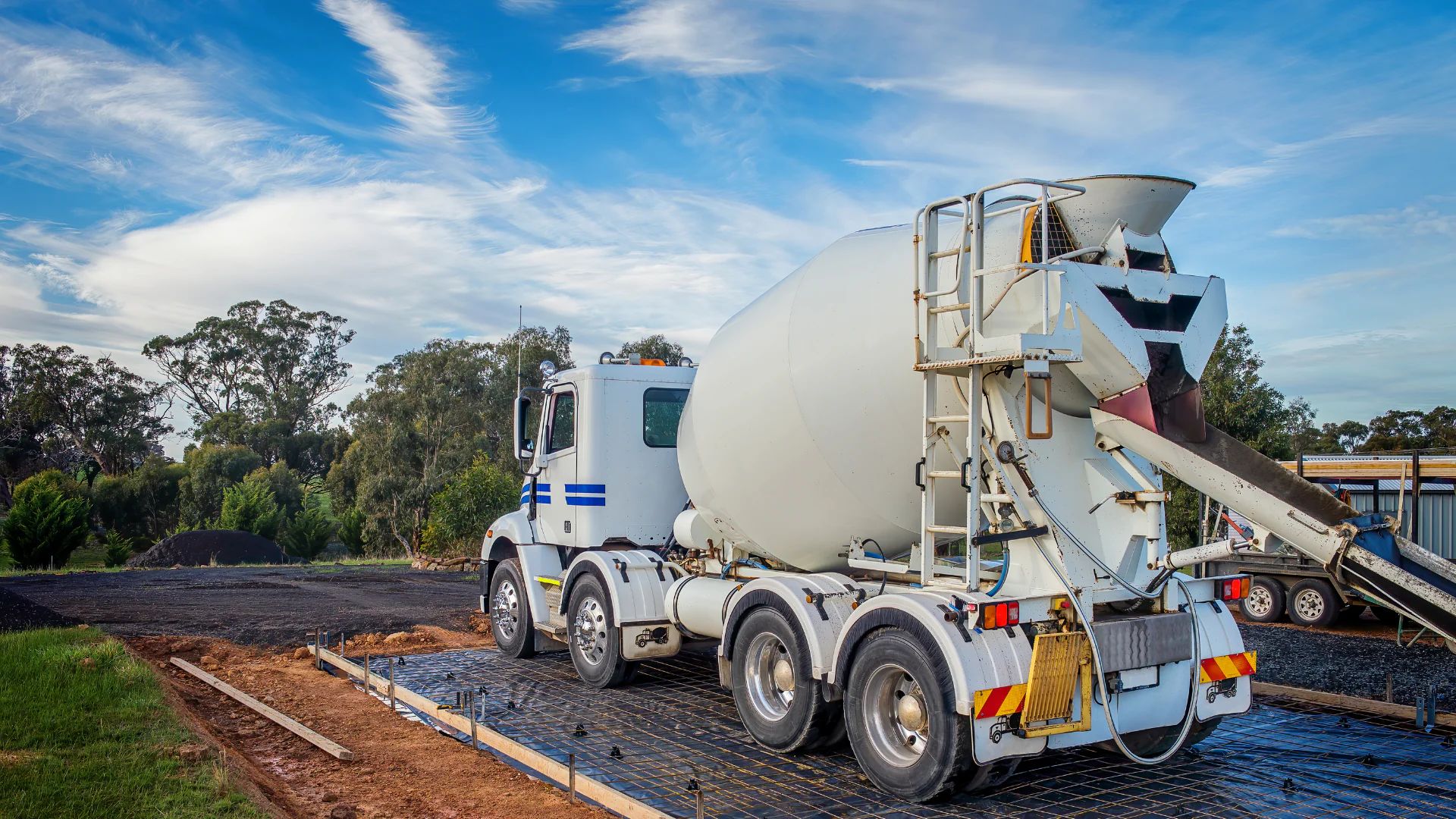
Ready-mix concrete dispatcher reviewing truck routes and delivery schedules
01
02
03
  • 01On-slot delivery can still miss the workable window
  • 02Hot weather shortens the usable time
  • 03Traffic and site queues are often seen too late

The shift

From a delivery addressto a placement deadline.

The dispatcher stays in charge. What changes is whether each load has a calculated workable deadline before sequencing or re-sequencing decisions are made.

Today

Sequence around delivery slots

  • Trucks are sequenced around promised times, drivers and local experience.
  • Workability risk is judged by rules of thumb, not a per-load deadline.
  • Traffic and site delays are handled after the load is already moving.

With INSUS

Sequence against the real deadline

  • Each load gets an estimated placement deadline from mix, batch time and conditions.
  • Recommendations prioritize loads closest to that deadline.
  • The dispatcher reviews, adjusts and approves the final assignment.

How it works

From batch ticketto a dispatch recommendation.

This fits OptiStudio as dispatch decision support beside the plant's existing dispatch or ERP board. Access is advisory. It does not assign trucks without dispatcher approval.

  1. Connect

    Connect dispatch and fleet data

    Bring together order and mix information from dispatch or ERP, batching timestamps, truck GPS or telematics, and relevant traffic and weather feeds.

  2. Understand

    Estimate each load's workable window

    Use mix set-time information, batch time, ambient temperature and route progress to estimate a practical placement deadline for each active load.

  3. Predict

    Flag arrival risk

    Compare truck location and ETA with the estimated deadline to show which loads are most likely to arrive outside their workable window.

  4. Advise

    Recommend sequencing

    Rank active loads by deadline risk and recommend truck assignment or sequence changes. The dispatcher makes the final decision.

  5. Verify

    Learn from actual outcomes

    Compare predicted deadlines with actual arrivals and available records of rejection or field water addition, then calibrate to the plant's mixes and climate.

Ready-mix dispatch team reviewing delivery schedules and truck routes

Getting started

Start with one plantand one fleet.

For ready-mix plants where delivery slots and workable windows diverge under traffic or heat. Delivered through OptiStudio as advisory dispatch decision support. Expert Services can help with data assessment and pilot validation. The dispatcher stays in charge.

  • What we need. Recent order and dispatch history, mix set-time information, batching timestamps, truck GPS or telematics, and any records of rejection or field water addition.
  • What you see first. A calculated workable deadline per active load, at-risk alerts, and sequencing recommendations beside the current dispatch board. No new plant-floor sensors are assumed.
  • Where the limits are. Advisory only. Does not assign trucks or execute orders without dispatcher approval. No guaranteed reduction in rejected loads. Site queues and field practice still matter.
Explore OptiStudio

Questions concrete dispatchers ask us

Dispatch boards often protect the promised delivery slot, not the concrete's workable window. This use case estimates a placement deadline per load and recommends sequencing for dispatcher review.

Order and mix information, batching timestamps, truck GPS or telematics, and relevant traffic and weather data. Records of rejection or field water addition help validation.

No. It is an advisory layer beside the existing dispatch or ERP board. The dispatcher reviews and approves the final assignment.

No. Day one is advisory. The system recommends and flags. It does not assign trucks or execute orders without dispatcher approval.

Through OptiStudio as operational decision support for ready-mix dispatch. Expert Services can support discovery and pilot setup where needed.

No new plant-floor hardware is assumed. The use case works from existing dispatch records, telematics and third-party weather or traffic feeds where available.

No. Rejection and field water addition depend on mix, traffic, site conditions and operating practice. Value is judged against agreed baselines at the pilot plant.

Concrete · Ready-mix · Dispatch

Give every load a deadline the board can actually use.

A pilot beside your existing board will show how mix, batch time, telematics and conditions already estimate workable placement deadlines, and which loads need sequencing attention first.