Industrial equipment industry

Where the sparearrives after the stop

Equipment earns its keep at the customer site. Condition signals sit apart from the parts warehouse. Field work is still often dispatched after the failure. The installed base still has to run.

  • 01

    Motor test risk flagged before final assembly is complete

    Use in-process tolerance measurements the line already captures to predict end-of-line test outcomes — and focus quality attention on the parameters that matter.

  • 02

    IE3/IE4 documentation kept current across the product range

    Organize efficiency test reports and technical files against applicable Ecodesign requirements — and surface gaps for compliance-team review before the audit.

  • 03

    Cross-station vibration disagreement made visible

    Compare bearing vibration results across your own test stations, so borderline decisions get corroboration where historical disagreement is highest.

On the installed base

Uptime is decided after the sale

Industrial equipment businesses lose money in three places that rarely share one screen: an asset that fails without a joined condition view, a spare that is not where the technician needs it, and a service visit that starts after the customer already stopped. Most of that is already in IoT tags, parts ledgers and work orders — after the fact.

Industrial equipment sensors and condition monitoringThe asset

Unexpected downtime still hits almost every manufacturer surveyed

IFS's 2025 State of Service in Manufacturing report found that 94% of manufacturers had been impacted by unexpected equipment downtime — while only 21% said they run predictive maintenance at scale.
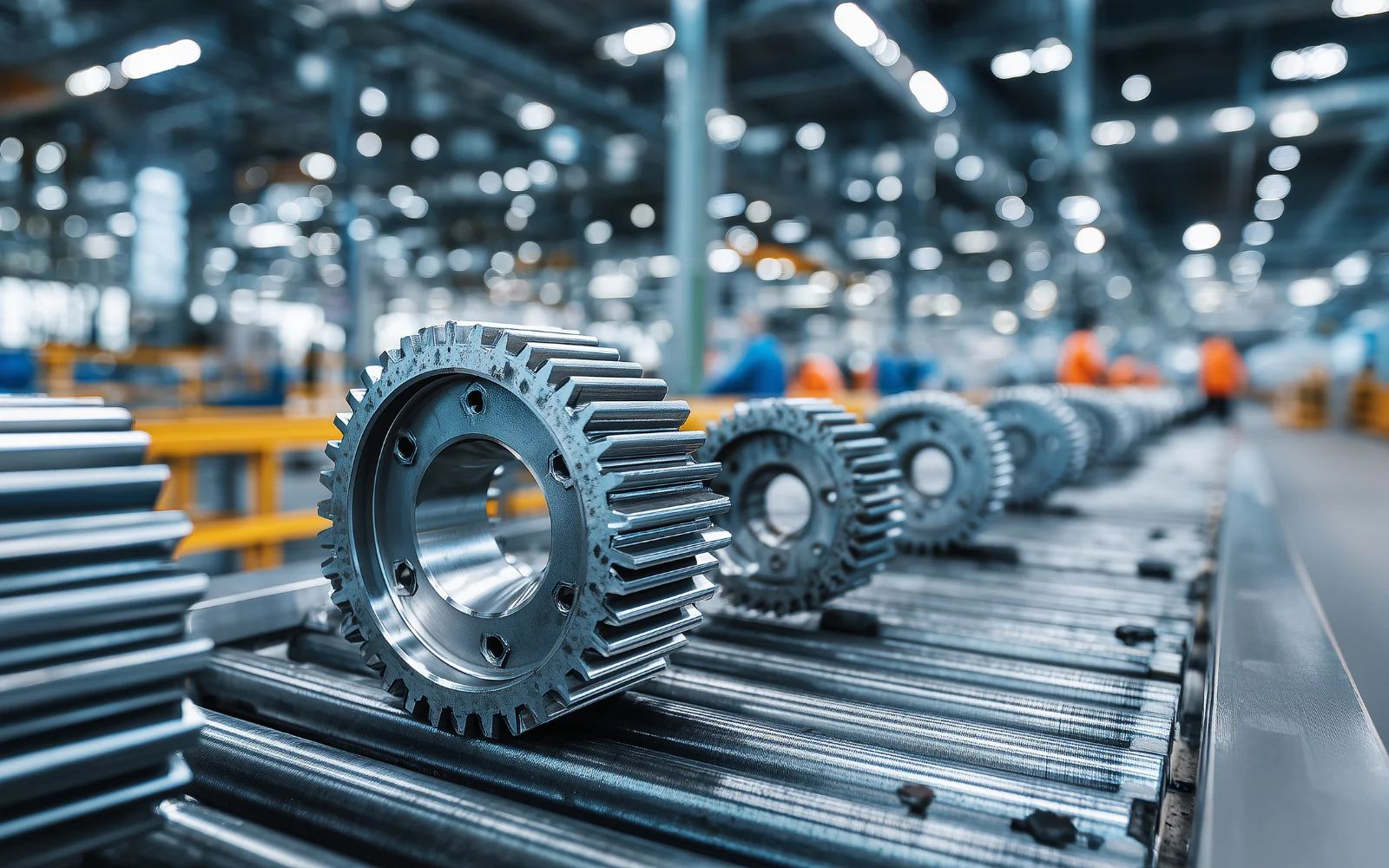

Industrial parts, materials handling and warehouse systemsThe spare

Parts availability is a top customer complaint

McKinsey's aftermarket research ranks poor spare-parts availability among buyers' top three service concerns, alongside field-talent quality and slow repair turnaround. A missing part turns a planned visit into extended downtime.

Service and operations records being reviewed for industrial equipmentThe service network

Supply shocks and skills gaps hit the same work order

The same IFS survey reported that 95% of manufacturers experienced supply-chain disruptions that affected service delivery, and 98% faced skills or labor shortages that slowed issue resolution and strained customer satisfaction.

Sending another truck is the easy correction. It is also how the service day is spent.

INSUS works from asset tags, work orders, spare-parts tickets and service history a company already keeps. If the gap is an unread alarm, a stockout, or a failure mode that never joined the serial-number file, that is what we will say. Recommendations stay advisory. Existing control, EAM and field-service systems stay in charge.

Explore the possibilities

Industry figures

The scale of what is being decided

Four external figures, each with its source. Nothing on this page is an estimate we made up. Where we cannot cite a number, we describe the situation in words instead.

PdM at scale

21%

said they have fully embedded and optimized predictive maintenance, with a further share still only partially deployed or piloting — leaving most fleets without scaled condition-based intervention.

Source: IFS, State of Service in Manufacturing Report 2025

Industrial equipment in production and field service contexts

Common problems

Problems that cost you before you notice

None of these show up as a single alarm. They show up in the end-of-line fail, the incomplete efficiency file, and the station that disagrees with the next one.

  1. Tolerance issues surface only at end-of-line testing

    A motor may already carry significant assembly effort when a dimensional miss shows up as a torque, ripple or NVH fail. Quality attention stays spread across many tolerances without knowing which drive the result.

    See: Motor Manufacturing Tolerance-to-Test Prediction
  2. Efficiency documentation is checked model by model

    Load-point test reports and product files sit across systems. When Ecodesign thresholds change, a broad manual review is often the only way to know which variants are still covered.

    See: EU Motor Efficiency Ecodesign Compliance
  3. The same bearing can test differently on different stations

    Each station's pass/fail is treated as independently authoritative. Borderline results may not be evaluated against station-specific disagreement by model and frequency band.

    See: Bearing Vibration Test Consistency Advisor

Use cases

Places worth a closer look

Each is a specific starting point — this motor line, this product range, this bearing test cell — and a next conversation if it is worth your time.

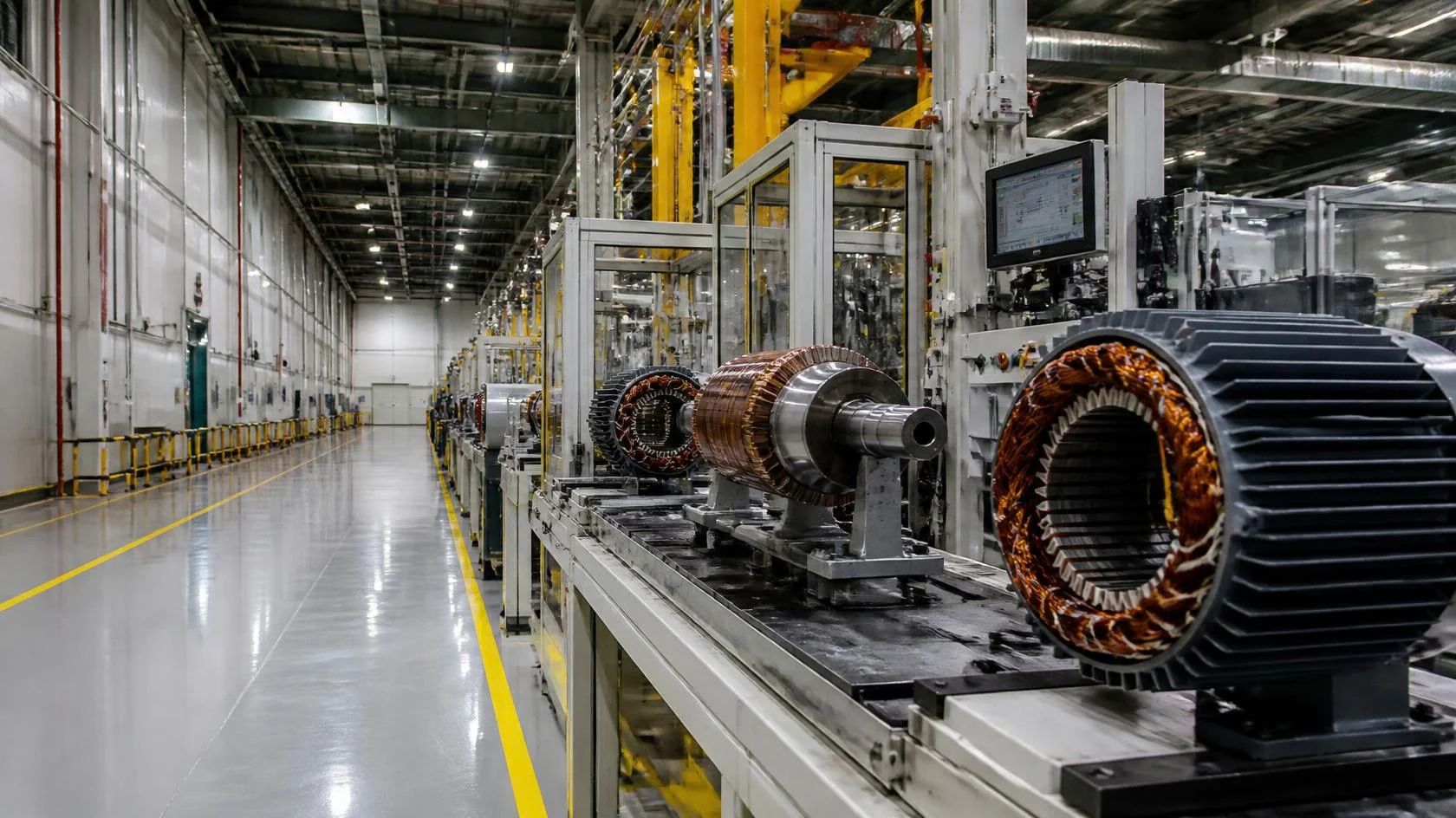
Electric motor assembly with in-process dimensional tolerance measurements
Motor manufacturing quality

Motor Manufacturing Tolerance-to-Test Prediction

Predict electric motor end-of-line test outcomes from in-process tolerance data and flag at-risk units before final assembly and testing.

See the full use case
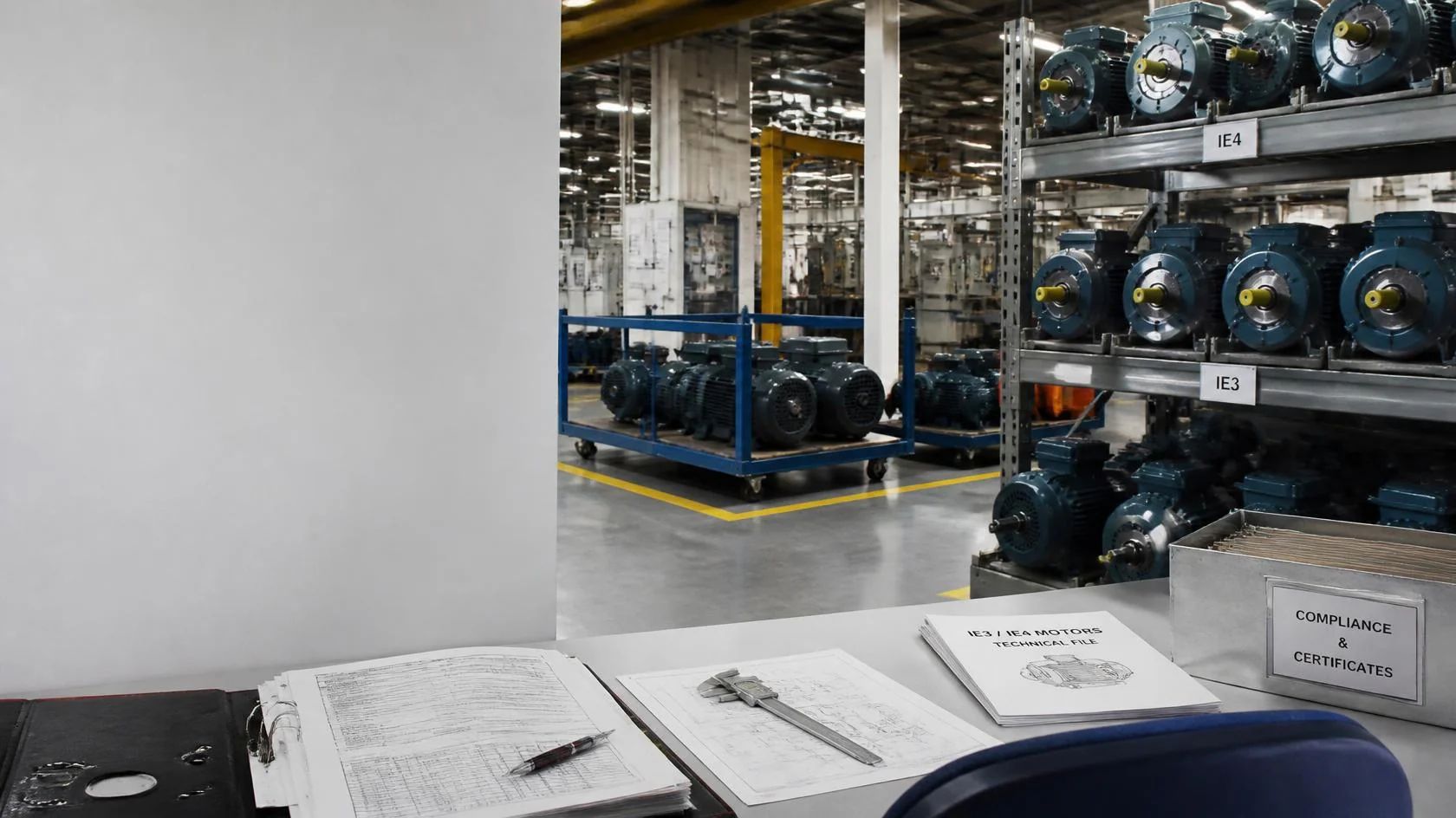
Electric motor efficiency documentation reviewed against EU Ecodesign requirements
Regulatory compliance

EU Motor Efficiency Ecodesign Compliance

Organize and check IE3/IE4 motor efficiency documentation against EU Ecodesign requirements across electric motor and VSD product ranges. Compliance teams retain final sign-off.

See the full use case
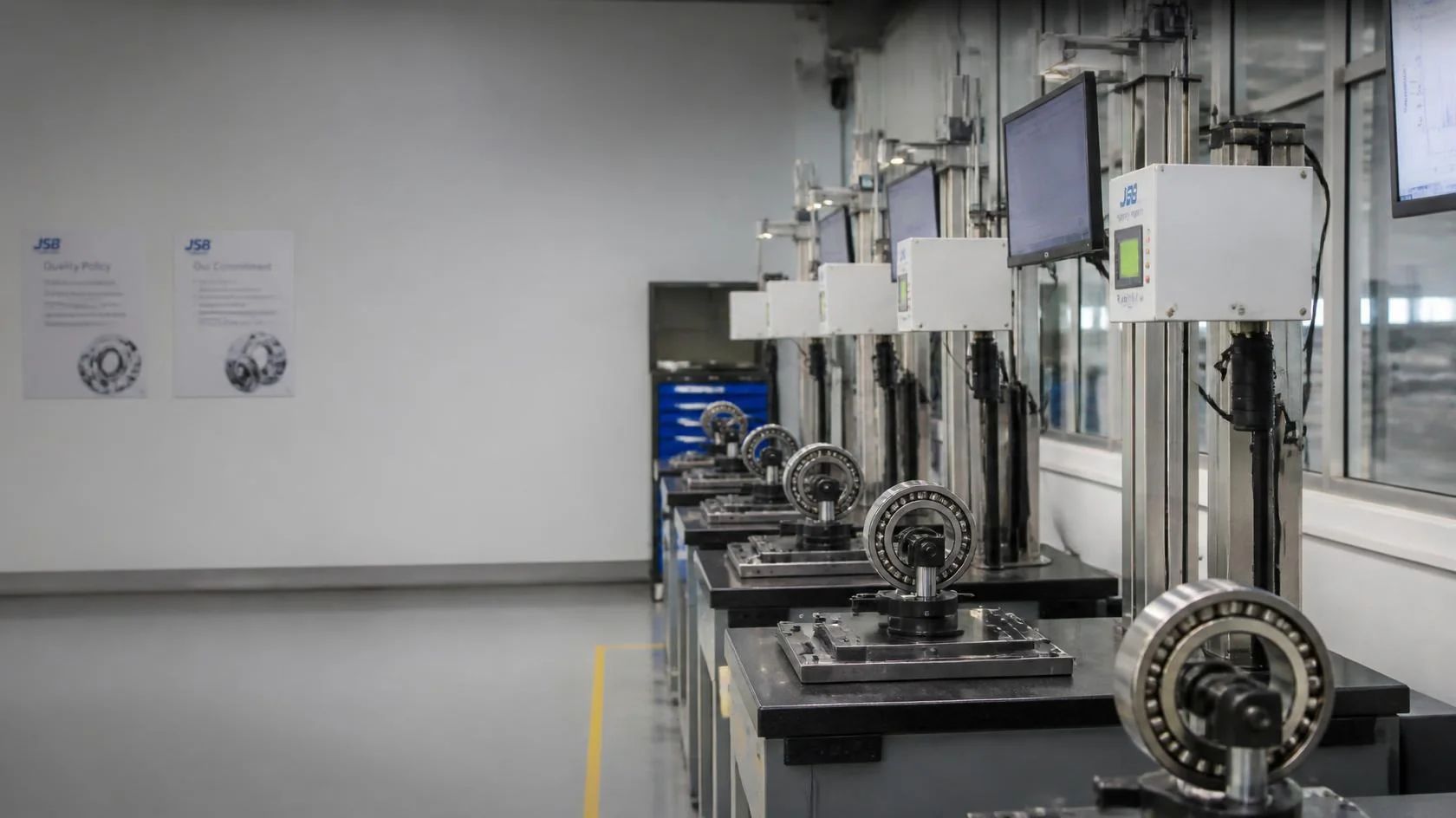
Bearing vibration test station with cross-station measurement consistency analytics
Bearing quality control

Bearing Vibration Test Consistency Advisor

Compare bearing vibration test results across test stations, identify station-sensitive measurements and flag borderline results for quality review.

See the full use case

FAQ

Questions that come up in every first call

A practical look at what INSUS needs, where it fits and what your team can expect.

The work that fits is the data an OEM or equipment operator already produces: in-process measurement and end-of-line test records, efficiency documentation and Ecodesign evidence, multi-station vibration-test history, work orders and warranty files. MotorTrace, MotorComply and TestConsistency can start from records you already keep. Closed-loop equipment control, automatic release/scrap, automatic compliance certification and automatic recalibration of test stations are not promises we will make on day one.

Machinery on this site focuses on the plant that builds machines — CNC cells, setup, scrap and shop-floor OEE. Industrial Equipment focuses on installed fleets and aftermarket reality: condition at the customer site, spare-parts readiness, field service and warranty history.

Usually not for hours, fault codes, work orders and parts ledgers. Many fleets already have some telemetry and an EAM or FSM system. If a critical asset is unread or a BOM is incomplete, that comes before any model.

No. The person who knows this product family and this customer site stays responsible. The aim is to stop the next visit starting only after a break-fix call, and to flag a developing asset issue while the outage can still be planned.

No. It advises the service engineer or the reliability team. Existing PLCs, OEM controllers and safety interlocks stay in charge of the loop.

No. Uptime and service performance depend on asset condition, parts logistics, customer operating practice and contract scope. We will not invent an uptime or fill-rate target for your network.

It is the share of manufacturers in IFS's 2025 service survey who said predictive maintenance was fully embedded and optimized — not a measurement of your installed base. Your work orders and condition logs are the numbers that matter.

Yes. One asset class, one depot, or one service region is usually the practical start. Measure that, then decide whether to widen.

Contact

Talk to an industrial equipment expert

  • 30 minA focused conversation about the industrial equipment problem you are trying to solve. No sales deck.
  • OutcomeA practical view of whether INSUS can help, what data would be needed and where it makes sense to start.
  • We will first understand your current process, what information you have and where the biggest gap is.
  • If the right answer is a sensor check, a parts-policy update, a maintenance action or an existing EAM report, that is what we will tell you.

Request a call

We reply within one working day, from a person, with a proposed time.