Know the test riskbefore the motor reaches final test.

Small manufacturing tolerances can have a disproportionate effect on electric motor performance. INSUS uses existing in-process dimensional measurements to predict end-of-line test risk, helping quality teams identify at-risk units before final assembly and testing. Advisory only.

  • 01

    End-of-line test risk predicted earlier.

  • 02

    Focus on tolerances that actually matter.

  • 03

    Uses existing manufacturing measurement data.

The problem

A small tolerance changecan create a large test result.

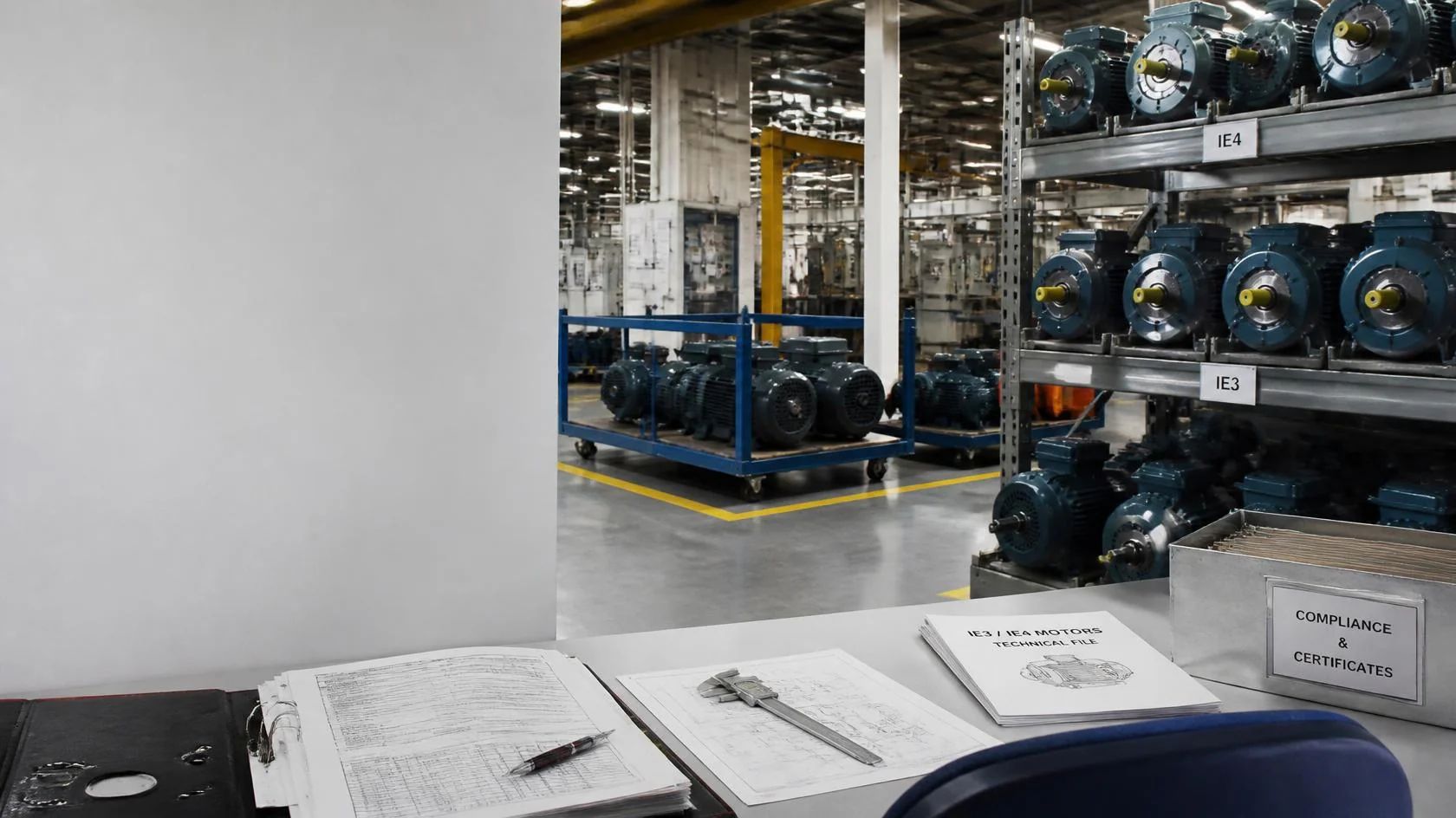
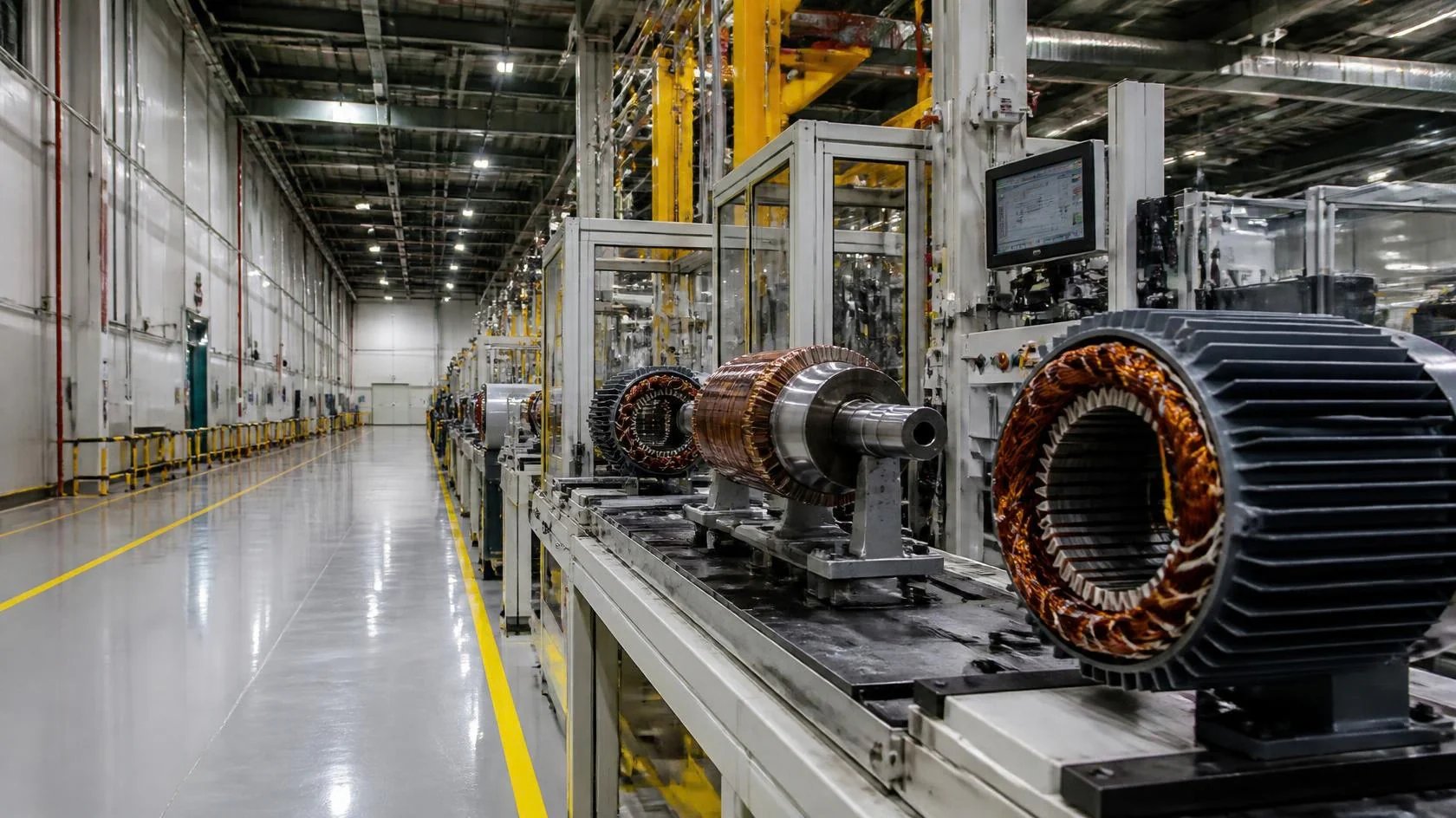
Electric motor manufacturing involves many dimensional tolerances across the stator, rotor and assembly, but they do not all influence final performance equally. Parameters such as air gap can matter more than others for torque, ripple and noise. When every tolerance is treated the same, quality attention is spread thin and at-risk units often reach final test before the problem is visible.

Motor tolerance measurements compared with end-of-line test results
01
02
03
  • 01In-process tolerance
  • 02Air-gap variation
  • 03Final test outcome

The shift

From final-test surpriseto in-process risk prediction.

Quality and assembly teams stay responsible for release and rework. What changes is whether in-process tolerances are linked to eventual end-of-line outcomes early enough to investigate.

Today

Problems surface at the end

  • Tolerance issues may only become visible during end-of-line testing.
  • A fully assembled motor may already contain significant effort when the problem is discovered.
  • Quality attention is spread across many tolerances without knowing which drive test outcomes.
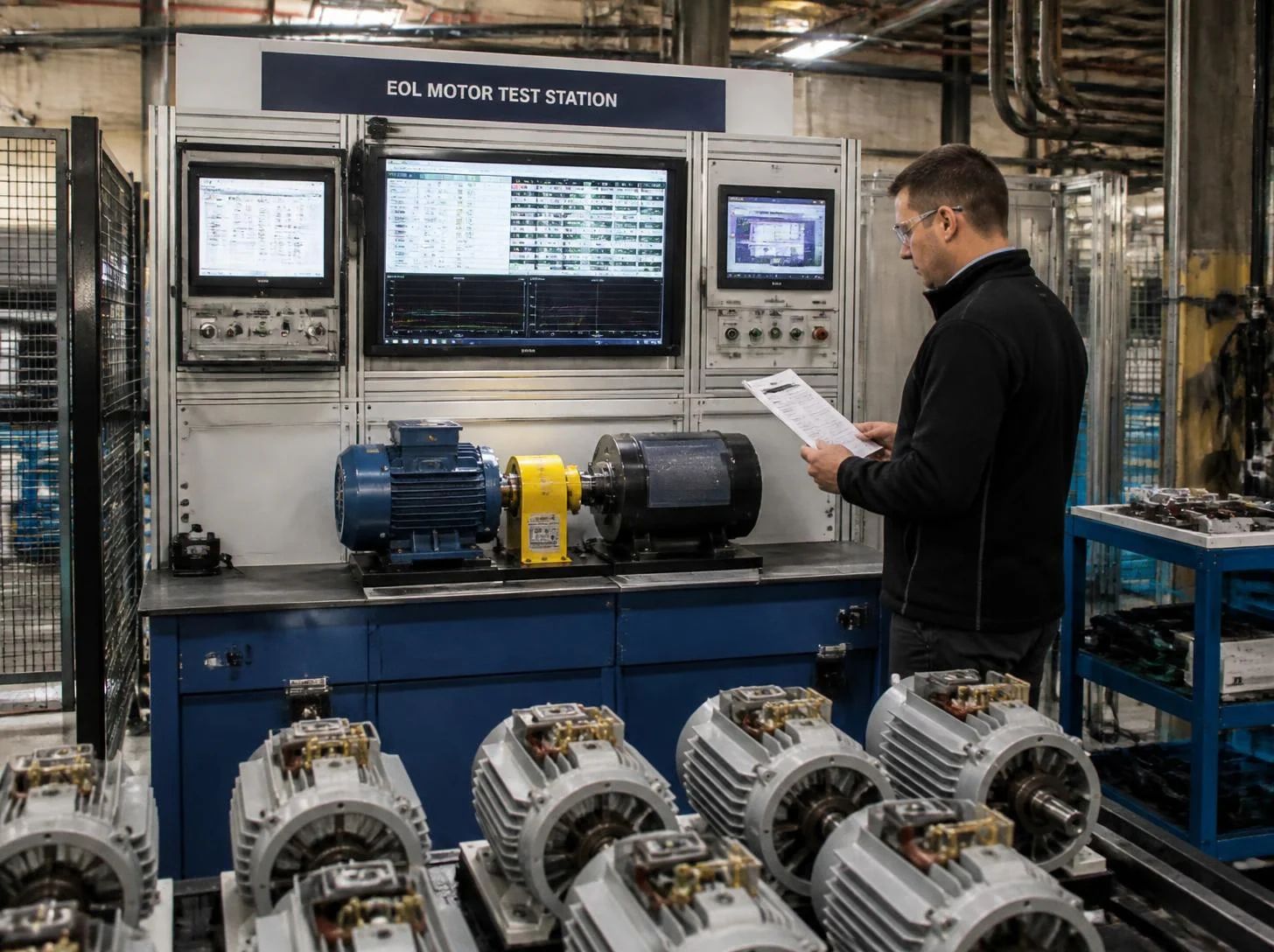
With INSUS

Risk becomes visible sooner

  • In-process tolerance measurements are linked to eventual test outcomes.
  • At-risk units can be flagged before final assembly is complete.
  • The model identifies which measured tolerance is contributing to the predicted risk.

How it works

From tolerance measurementto end-of-line test prediction.

This fits OptiStudio as quality prediction and decision support above existing measurement and test systems. Access is read-only. It does not replace end-of-line testing or automatically release or scrap units.

  1. Connect

    Bring tolerance and test data together

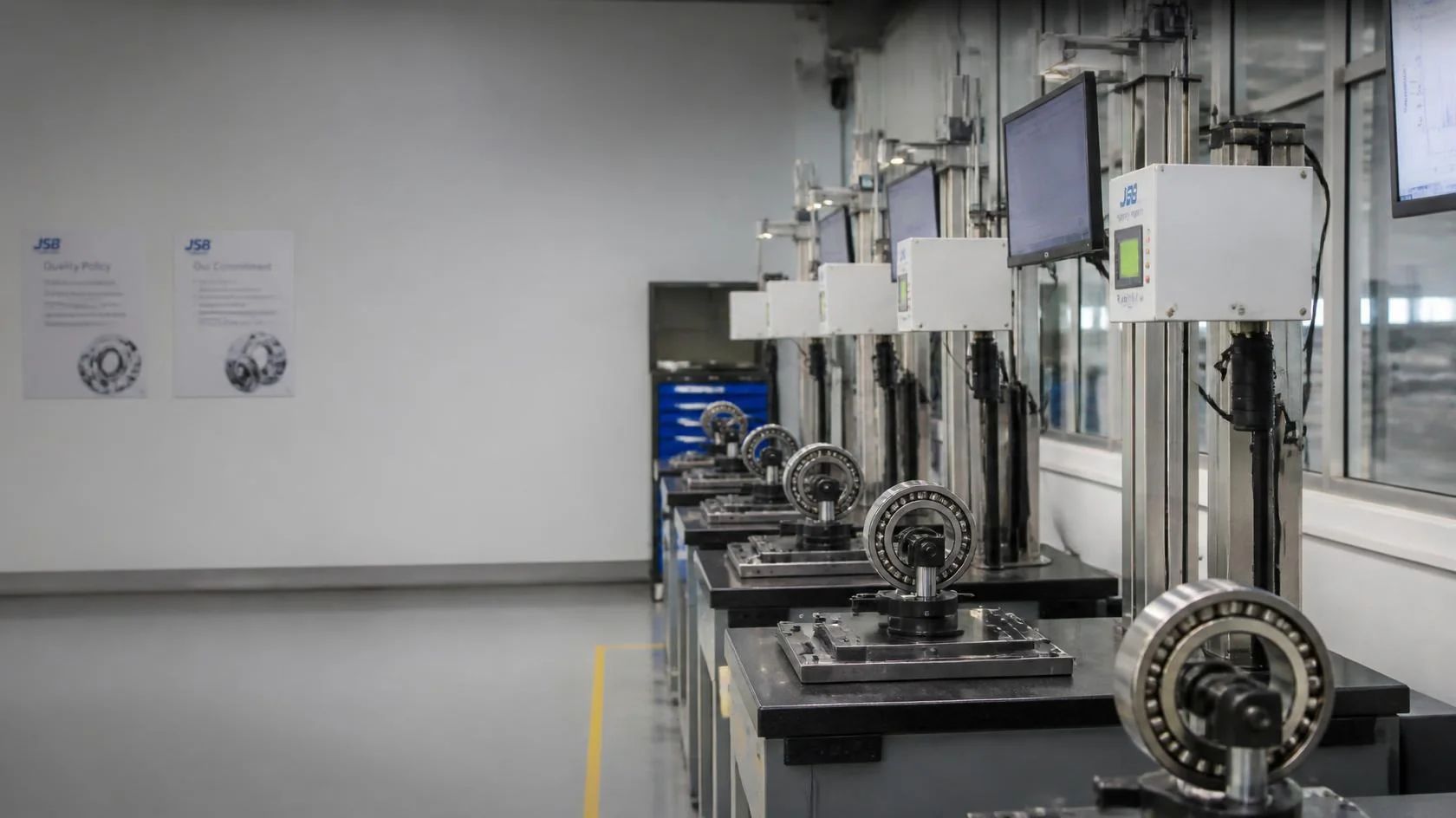
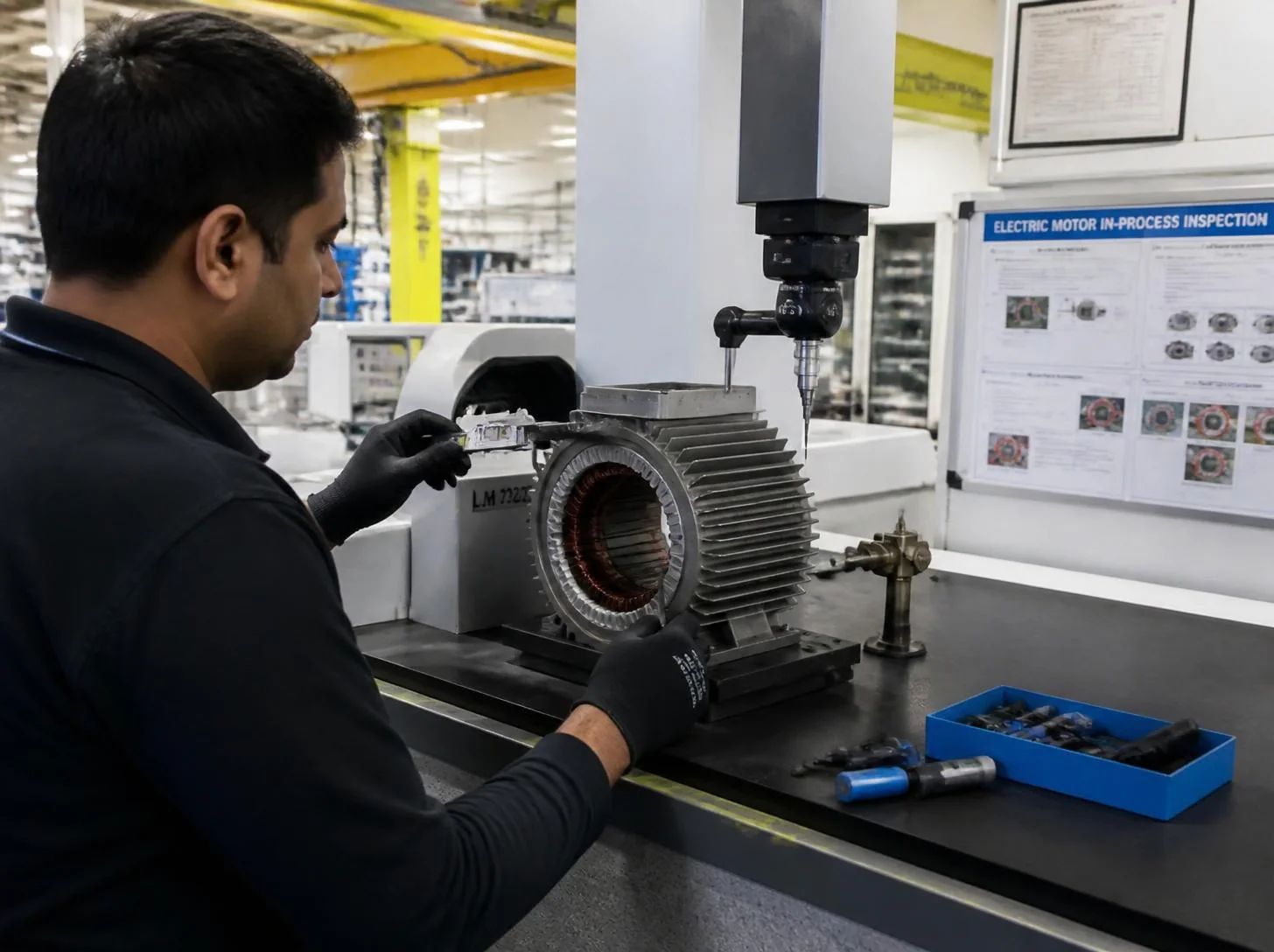
    Connect existing dimensional measurement systems, end-of-line test systems and relevant MES/QMS records. Capture air gap, stator inner diameter, rotor parameters and corresponding motor test results.

  2. Understand

    Learn the tolerance-to-test relationship

    Analyze historical relationships between in-process measurements and final motor performance for the specific production line, motor variant and target specification.

  3. Predict

    Estimate end-of-line test risk

    Predict a unit's likely end-of-line test outcome from tolerance measurements available earlier in the process, including potential risk around torque, torque ripple and noise or vibration criteria.

  4. Advise

    Identify the tolerance driving the risk

    Surface at-risk units for quality or assembly review, together with the tolerance contributing to the predicted risk, so the team can investigate earlier than final test.

  5. Verify

    Compare prediction with the actual test

    Compare predicted outcomes with actual end-of-line test results. Feedback validates and refines the model for the specific production line and motor variants.

OptiStudio analysis of electric motor manufacturing tolerance data

Getting started

Start with one motor lineand the measurements you already keep.

For electric motor plants that already capture in-process dimensional measurements and end-of-line results. Delivered through OptiStudio as tolerance-to-test decision support. Expert Services can help with data assessment and back-test design. Advisory and read-only. No new measurement hardware when the required data is already captured.

  • What we need. In-process dimensional data such as air gap, stator inner diameter, rotor eccentricity and relevant rotor or magnet measurements; end-of-line torque, torque ripple, back EMF and noise or vibration results; plus motor variant, line and specification context.
  • What you see first. One motor production line and a defined product variant: a back-test of predicted test risk against historical end-of-line results before any live advisory view enters the quality workflow.
  • Where the limits are. Does not replace end-of-line testing or automatically release or scrap units. Quality and assembly teams decide rework, extra testing or release. External tolerance-sensitivity figures are not guaranteed plant results.
Explore OptiStudio

Questions motor quality engineers ask us

Not every dimensional tolerance influences final motor performance equally. This use case predicts end-of-line test risk from in-process measurements so quality teams can investigate at-risk units earlier.

In-process dimensional data such as air gap, stator inner diameter and rotor parameters, plus matching end-of-line test results and motor variant context. No new sensors when those measurements are already captured.

No. End-of-line testing remains the verification system of record. The system provides an earlier prediction and risk signal.

No. It is decision support. It identifies at-risk units and likely driving tolerances so the quality and assembly team can decide further testing, rework or release.

Through OptiStudio as quality prediction and decision support. Expert Services can support data assessment, back-testing and validation with your quality team.

Predicted test outcomes are compared with actual end-of-line test results and refined for the specific production line, product variant and manufacturing conditions.

The model depends on reliable in-process tolerance measurements and sufficient historical end-of-line results. Performance is specific to the motor line and variants used for training; additional lines and variants need individual calibration.

Industrial Equipment · Electric motor manufacturing

Know the test risk before you finish the assembly.

Use existing tolerance measurements to identify motor units at risk of end-of-line test failure earlier in the manufacturing process, and focus quality attention on the parameters that actually matter.