Packaging industry

Where the jamclears itself off the log

Lines run at hundreds or thousands of units a minute. Format changes reset the cell. Short stops and scrap are confirmed after the shift has already moved. The plant still has to ship.

  • 01

    Seal strength predicted before a parameter combination is run

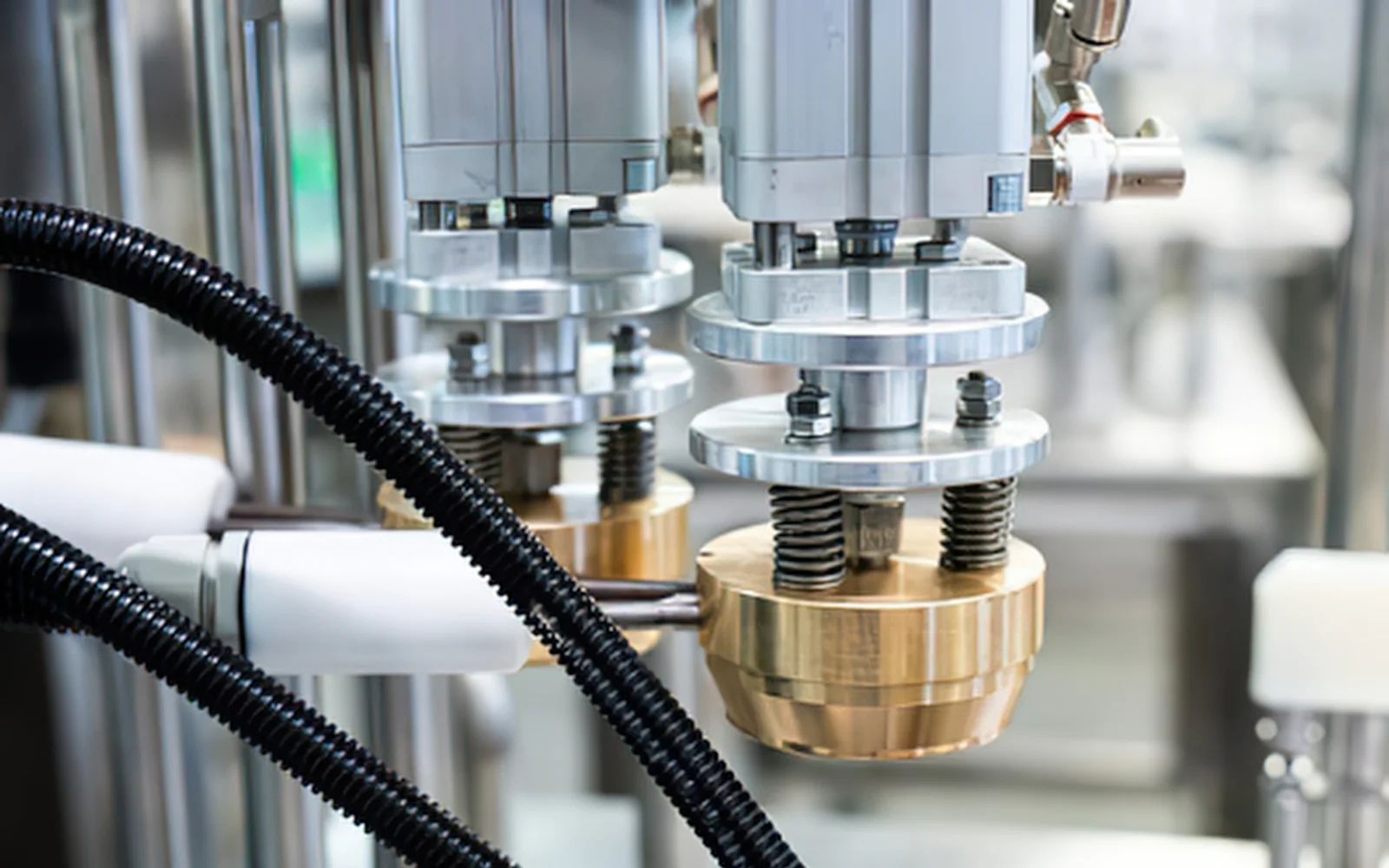
    Use heat-seal process and quality data the line already keeps to recommend temperature, speed and plate-distance settings — without trial-and-error as the only tuning method.

  • 02

    PPWR documentation organized before the deadline

    Centralize recyclability, recycled-content and minimization records by format and SKU, so compliance gaps are visible before a regulatory milestone becomes critical.

  • 03

    Recycled-content blends predicted before the trial

    Use formulation and film-property test data the plant already keeps to recommend PE blend ratios that target mechanical and processability specs — without trial-and-error as the only qualification method.

On the packaging line

Throughput is decided between jams and changeovers

Packaging plants lose money in three places that rarely share one screen: a line that loses hours to short stops nobody logged, a changeover that overruns the standard, and scrap found after the seal or label has already failed. Most of that is already in PLC tags, reject counters and maintenance logs — after the fact.

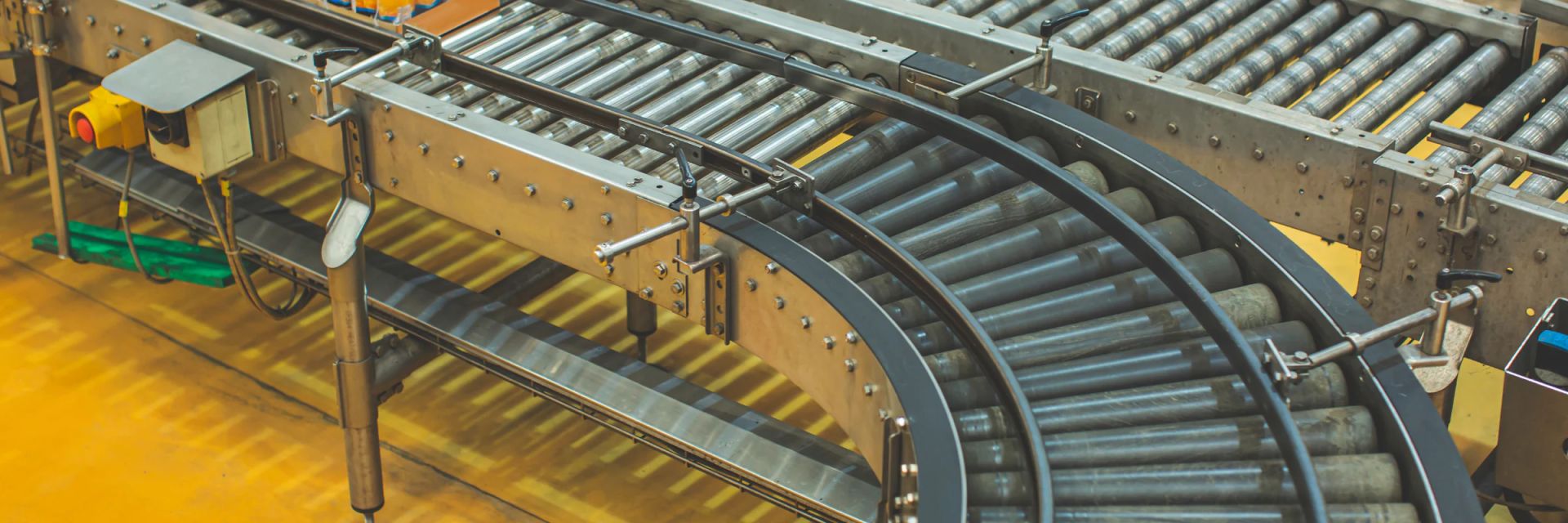
Continuous packaging line with filling and conveying equipmentThe line

Micro-stops clear before they enter the shift report

High-speed fillers, labelers, wrappers and case packers produce brief jams and sensor resets that operators clear in seconds. Those events rarely make a manual downtime log — yet they stack into lost units across a shift.
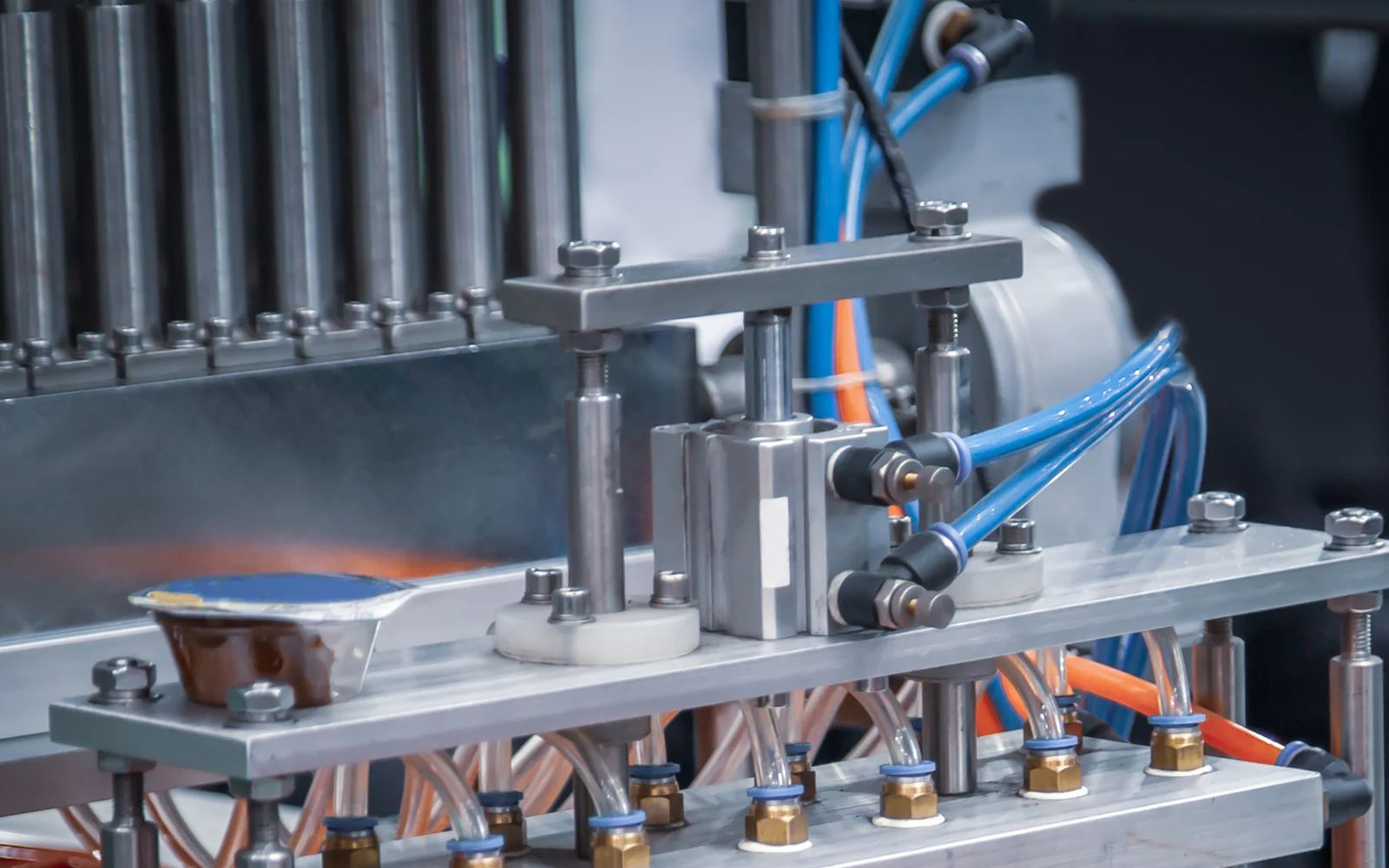

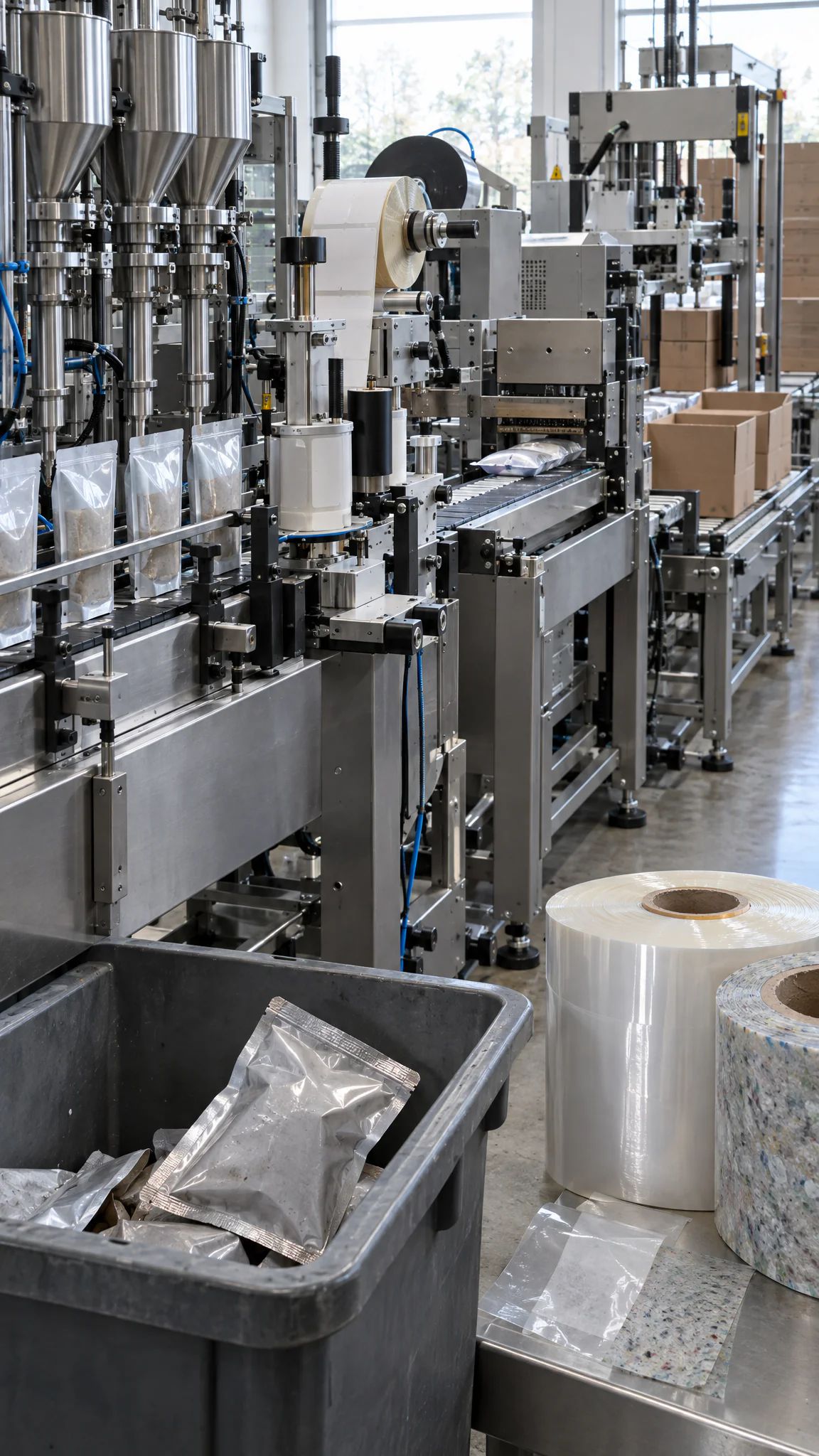
Production and changeover records for packaging operationsThe SKU

Format changes reset more than the recipe

Multi-SKU plants pay in changeover, cleaning and first-pass scrap every time the format shifts. When setup clocks and startup rejects sit outside the OEE view, the line looks busy while good output falls.

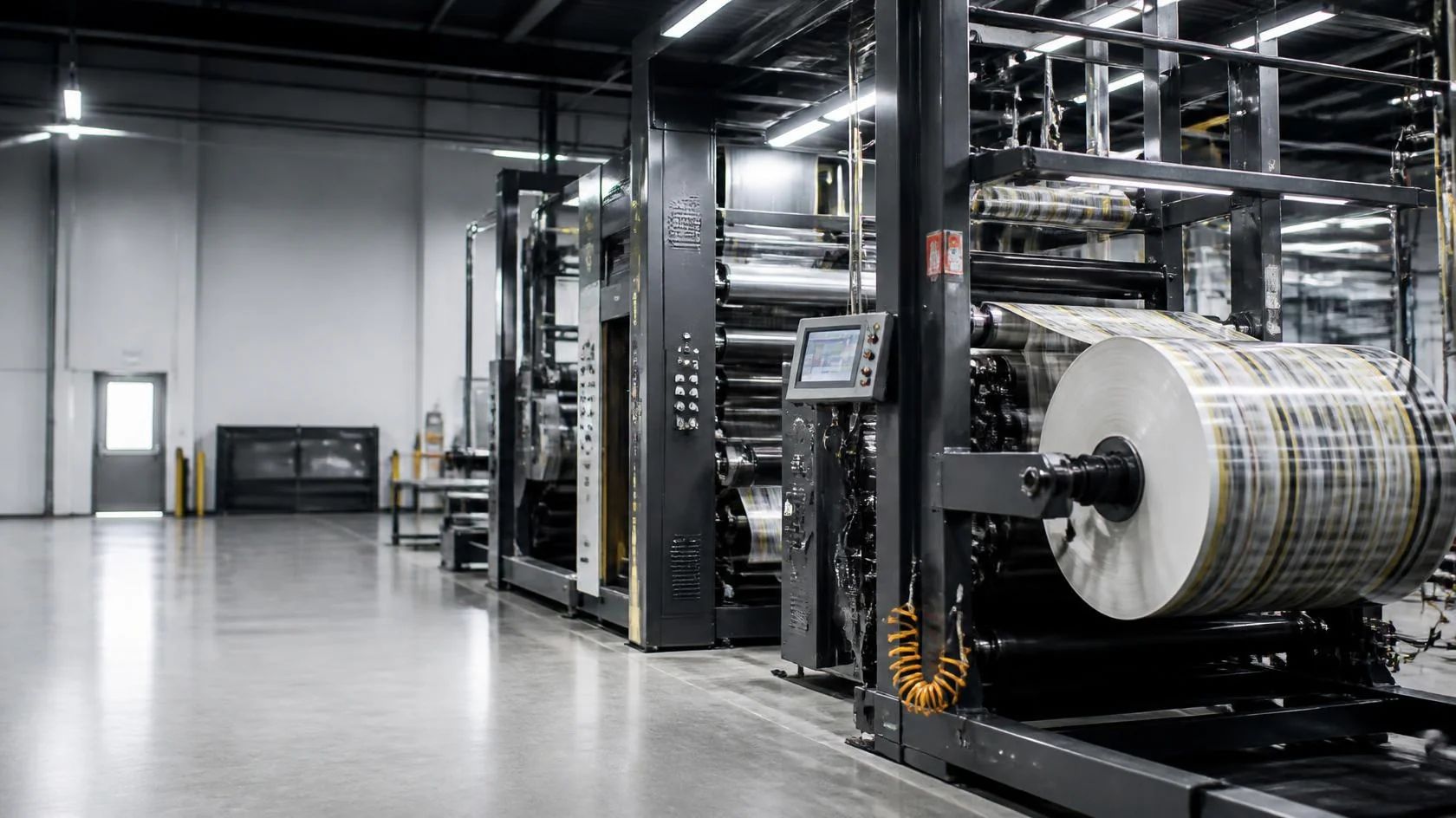
Industrial materials handling for film, carton and packaging suppliesThe material

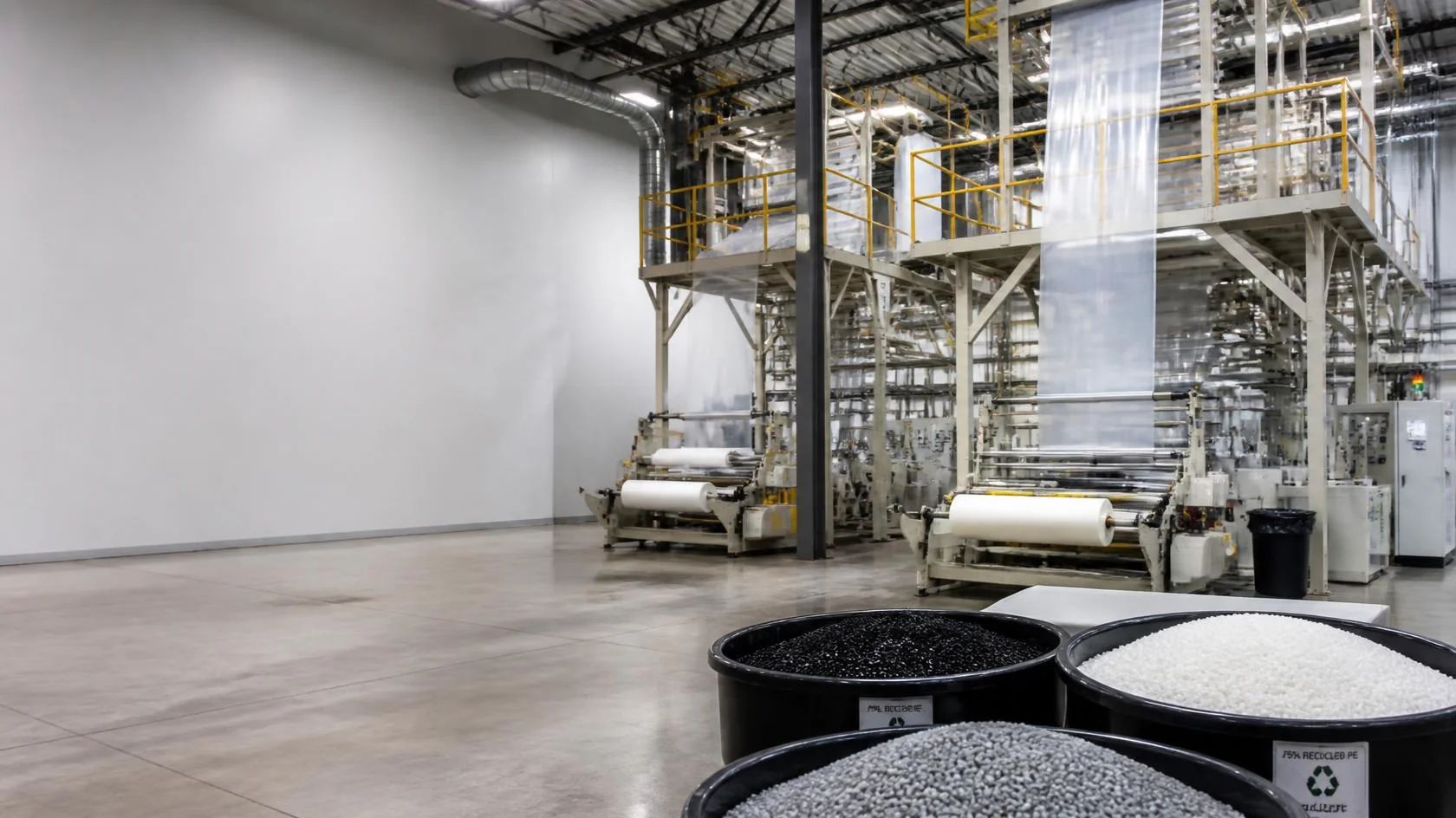
Packaging is a large materials stream — scrap is money and waste

EPA data put containers and packaging among the largest product categories in U.S. municipal solid waste. On the plant floor, film, carton and label scrap from startups, jams and seal faults is the same stream starting earlier — before the pack ever leaves the dock.

Running the line faster is the easy correction. It is also how scrap is made.

INSUS works from line and reject tags, changeover tickets, quality finds and maintenance logs a plant already keeps. If the gap is an unread micro-stop pattern, a drifting sealer, or a scrap file that never joined the SKU run, that is what we will say. Recommendations stay advisory. Existing PLCs, MES and quality gates stay in charge.

Explore the possibilities

Industry figures

The scale of what is being decided

Four external figures, each with its source. Nothing on this page is an estimate we made up. Where we cannot cite a number, we describe the situation in words instead.

Generated

82.2Mt

of containers and packaging were generated in the United States in 2018, according to EPA — about 82.2 million short tons discarded the same year the products they contained were purchased.

Source: EPA, Containers and Packaging: Product-Specific Data

Filling, labeling, sealing and end-of-line packaging equipment

Common problems

Problems that cost you before you notice

None of these show up as a single alarm. They show up in the seal tuned by trial and error, the PPWR file rebuilt for every deadline, and the recyclate blend that still needs another trial.

  1. Heat-seal parameters are still tuned by trial and error

    A new film, product or line-speed change can mean repeated adjustment and testing before the process reaches its target. The outcome of a parameter combination is only known after it is run.

    See: Heat-Seal Process Optimization
  2. PPWR documentation is rebuilt for every deadline

    Recyclability, recycled-content and minimization records sit across technical, quality and supplier systems. Gaps often surface only when a regulatory milestone approaches.

    See: EU PPWR Packaging Compliance
  3. Recycled-content blend ratios are still tuned by trial and error

    Increasing recyclate is not a linear trade-off. Without a mapped relationship between blend ratio and film properties, qualification can mean repeated trials before a candidate meets mechanical and processability specs.

    See: Recycled-Content Film Formulation Advisor

Use cases

Places worth a closer look

Each is a specific starting point — this heat-seal line, this compliance range, this resin blend — and a next conversation if it is worth your time.

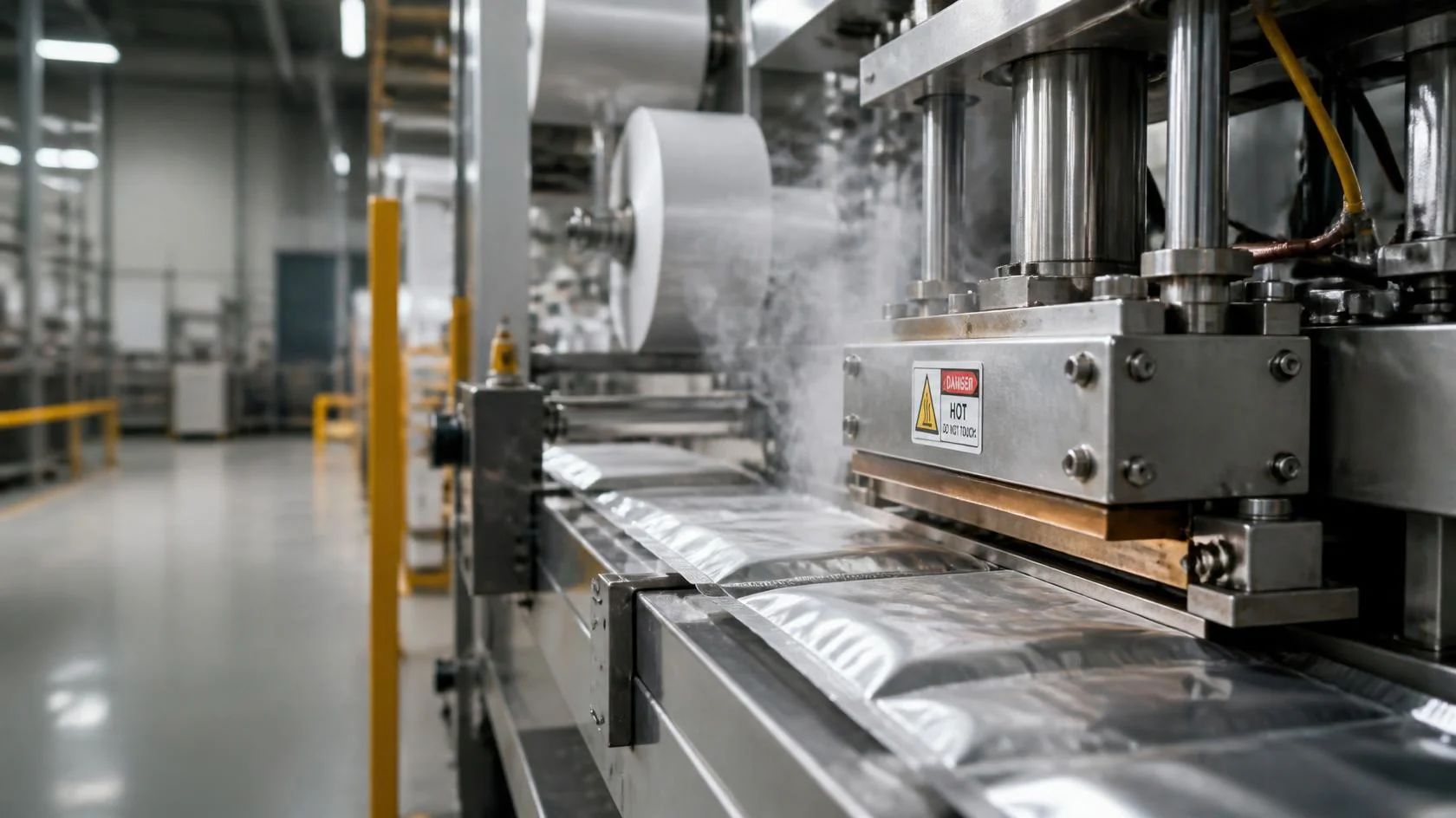
Flexible packaging heat-sealing station with process parameter optimization
Seal quality

Heat-Seal Process Optimization

Predict seal strength and recommend heat-seal temperature, speed and plate distance for flexible packaging lines using existing process and quality data.

See the full use case
Packaging compliance documentation review against EU PPWR requirements
Regulatory compliance

EU PPWR Packaging Compliance

Organize, check and maintain EU PPWR compliance documentation across packaging formats and SKUs for human review, not as a legal determination.

See the full use case
Recycled and virgin PE resin blend for flexible packaging film formulation
Film formulation

Recycled-Content Film Formulation Advisor

Predict how recycled-content blend ratios are likely to perform and recommend PE flexible-film combinations that target mechanical and processability specifications. Advisory only.

See the full use case

FAQ

Questions that come up in every first call

A practical look at what INSUS needs, where it fits and what your team can expect.

The work that fits is the data a packaging or converting plant already produces: heat-seal process and seal-strength records, PPWR technical and supplier documentation, formulation and film-property test history, line and reject tags, changeover tickets and quality finds. Heat-seal process optimization, EU PPWR compliance documentation and recycled-content film formulation can start from records you already keep. Closed-loop sealer control, automatic pass/fail on every pack, guaranteed blend pass rates and self-certifying regulatory filings are not promises we will make on day one.

Manufacturing on this site covers the broader sector. Packaging focuses on high-speed filling, labeling, sealing, wrapping and end-of-line operations where micro-stops, SKU changeovers, material scrap and seal integrity dominate the operating picture.

Usually not for PLC tags, reject counters and maintenance. Most lines already have some MES or historian coverage. If a stop-reason code is unused or a scrap counter is unread, that comes before any model.

No. The person who knows this filler, this film and this format stays responsible. The aim is to stop the next shift repeating the same micro-stop, and to flag a developing equipment issue before it stops the line.

No. It advises the supervisor or the engineer. Existing PLCs, robots and safety interlocks stay in charge of the loop.

No. OEE and scrap depend on SKU mix, materials, equipment condition and operating practice. We will not invent a cases-per-hour or scrap target for your plant.

It describes U.S. containers and packaging in municipal solid waste and related EPA packaging-material estimates — not a measurement of your line scrap. Your reject counters and material tickets are the numbers that matter.

Yes. One filler, one labeler, or one case packer is usually the practical start. Measure that, then decide whether to widen.

Contact

Talk to a packaging expert

  • 30 minA focused conversation about the packaging problem you are trying to solve. No sales deck.
  • OutcomeA practical view of whether INSUS can help, what data would be needed and where it makes sense to start.
  • We will first understand your current process, what information you have and where the biggest gap is.
  • If the right answer is a sensor check, a changeover update, a maintenance action or an existing MES report, that is what we will tell you.

Request a call

We reply within one working day, from a person, with a proposed time.