Today
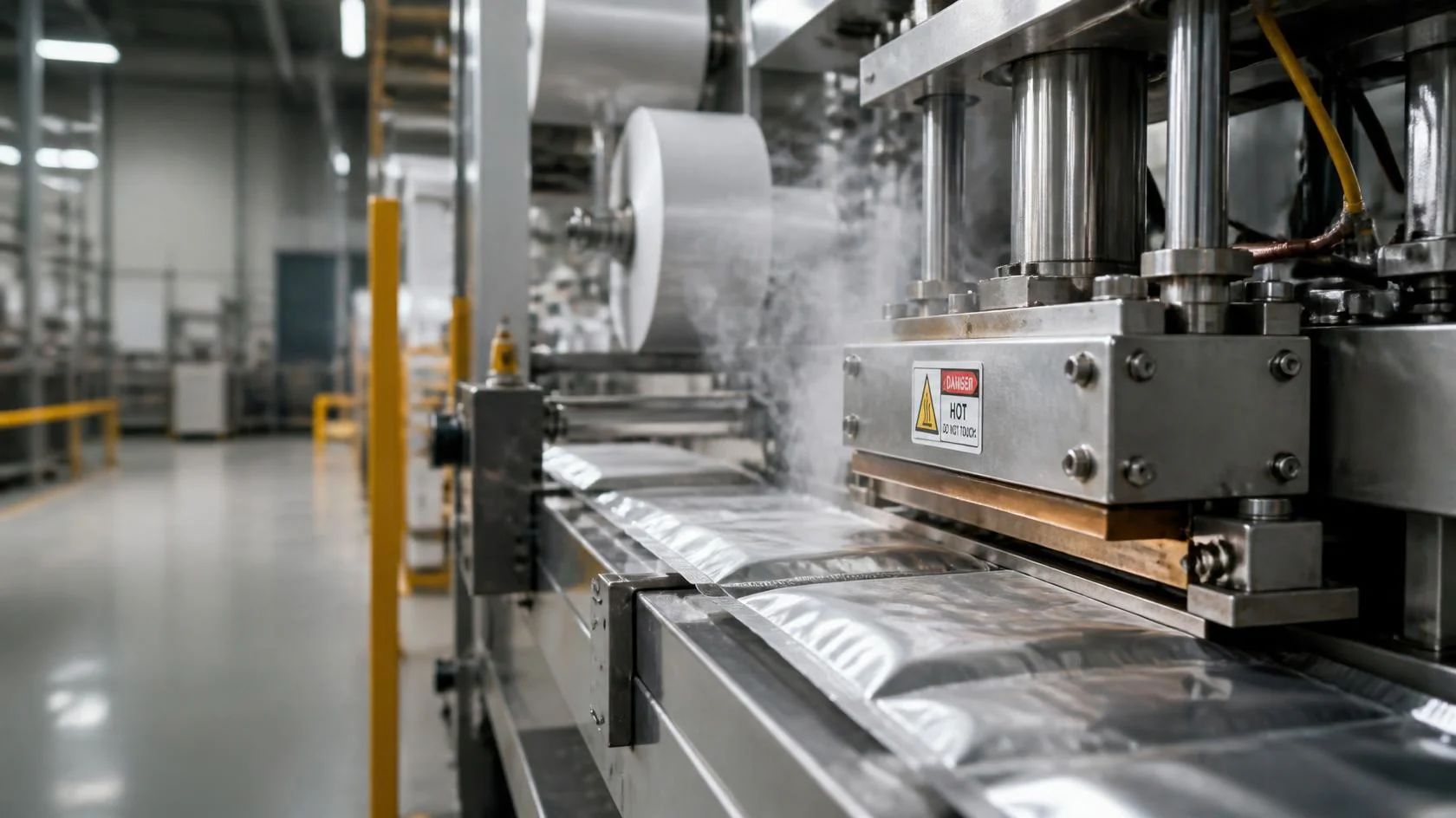
Trial-and-error tuning
- Heat-seal parameters are adjusted from operator experience.
- A new film, product or line-speed change can require repeated tuning.
- The outcome of a parameter combination is only known after it is run and tested.

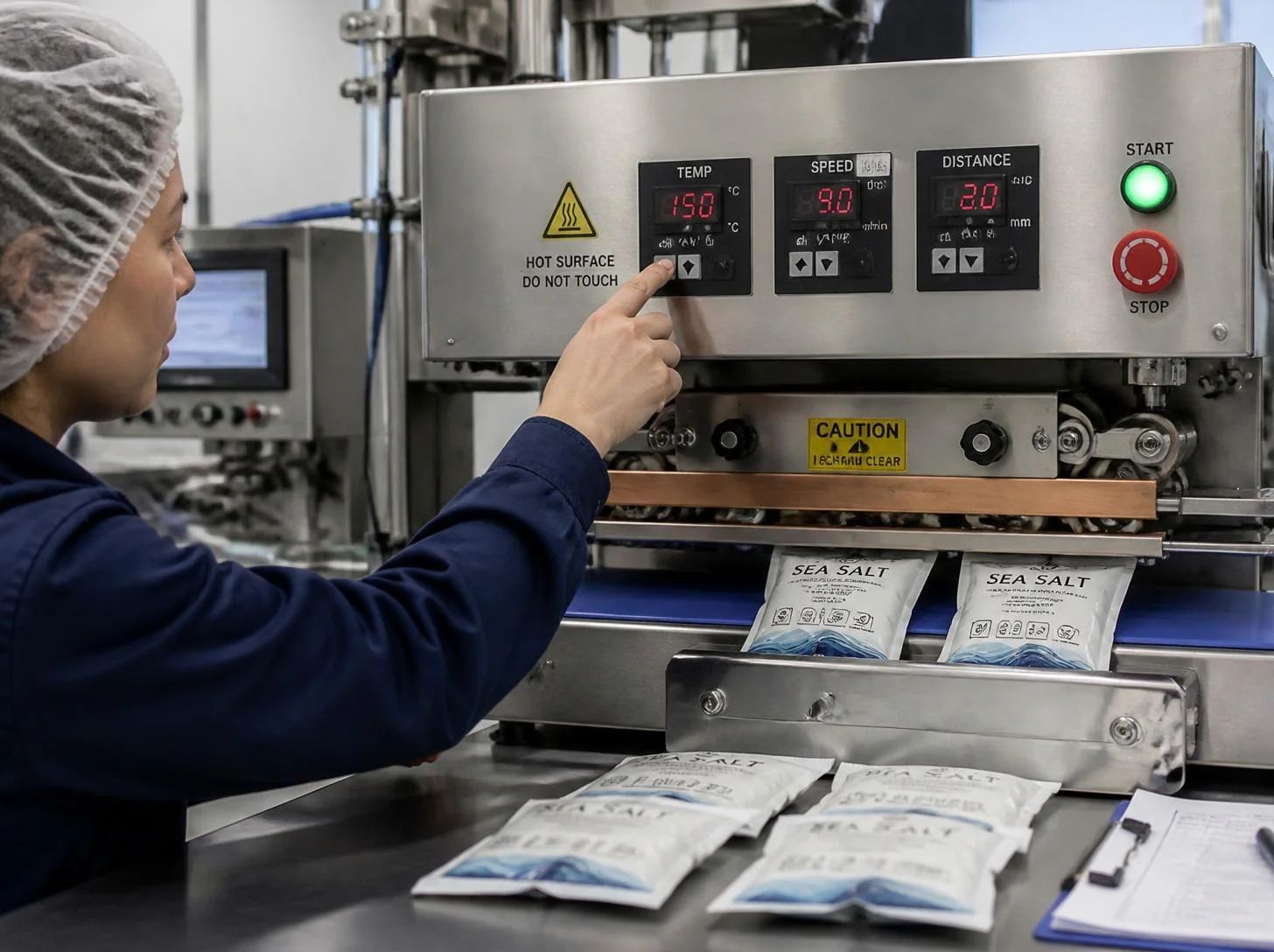
INSUS predicts the likely seal-strength outcome of heat-seal temperature, speed and plate-distance settings before they are run, giving packaging teams a data-driven starting point for tuning and changeovers. Process teams keep the decision.
01
Seal strength predicted before a parameter combination is run.
02
Temperature, speed and plate distance optimized together.
03
Existing process data. No new sealing hardware required.
The problem
On flexible-film and pillow-pack lines, heat-seal quality depends on finding the right relationship between temperature, sealing speed and plate distance. When those parameters are tuned mainly through operator experience, a new film, product or line-speed change can mean repeated adjustment and testing before the process reaches its target.
The shift
Process and line teams stay responsible for every setpoint change. What changes is whether a parameter combination's likely seal strength is visible before it is run and tested.
Today
With INSUS
How it works
This fits OptiStudio as process and quality decision support beside existing heat-seal controls. Access is read-only. It does not automatically change heat-seal settings.
Connect
Connect read-only to heat-seal station process data and existing seal-strength test records, together with relevant film and product specifications.
Understand
Analyze historical relationships between temperature, sealing speed, plate distance or pressure, and the resulting seal-strength measurements for the line's films and products.
Predict
Given a proposed parameter combination, predict the likely seal-strength outcome before the setting is committed to a production run.
Advise
Search for a parameter combination expected to meet the target seal-strength specification, providing the process team with a data-driven recommendation for review.
Verify
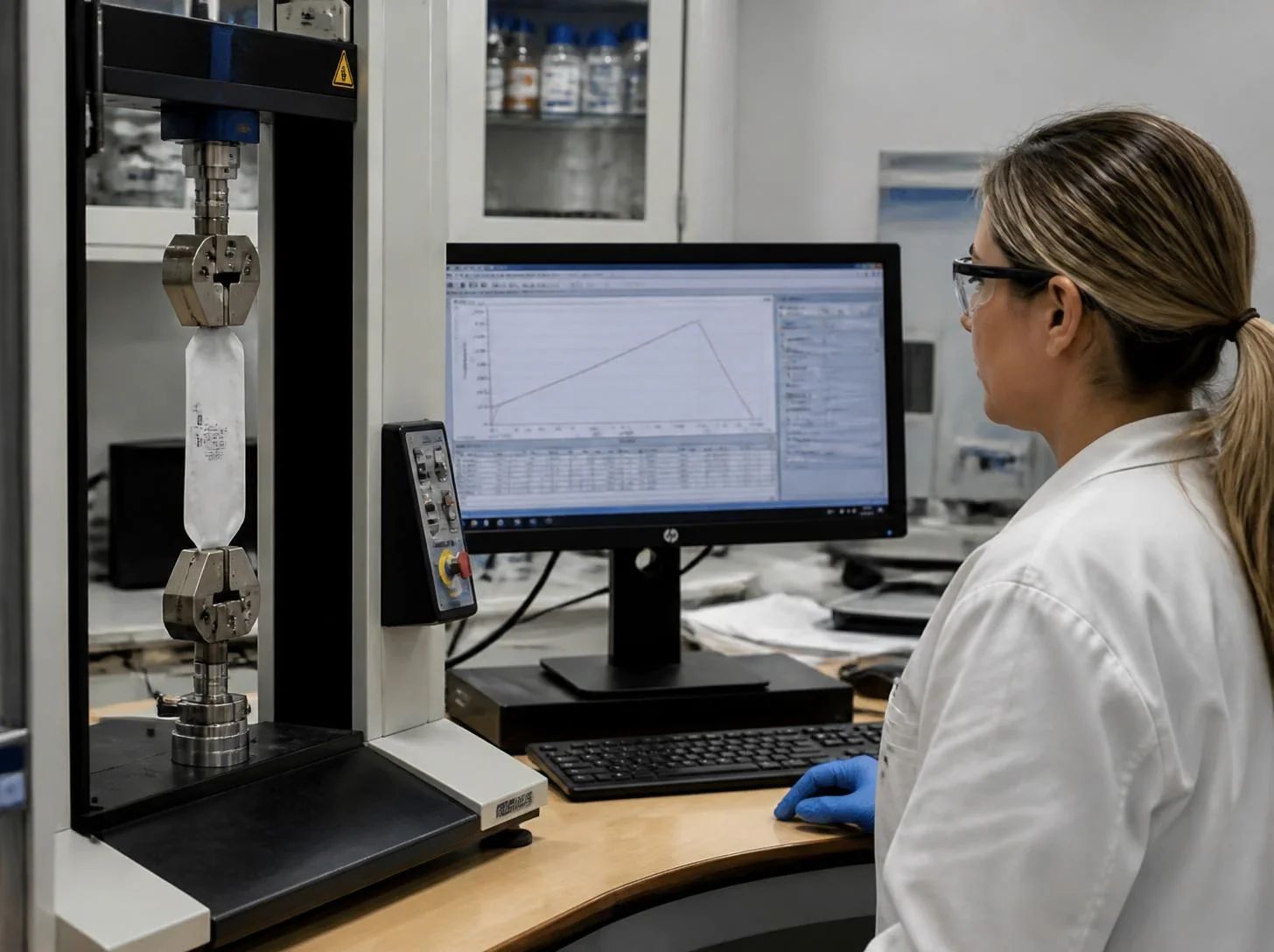
Compare predicted seal-strength outcomes with actual test results so the model can be validated and refined against the specific line, films and products.
Getting started
For packaging manufacturers that already collect heat-seal process parameters and corresponding seal-strength test results. Delivered through OptiStudio as sealing process decision support. Expert Services can help with data assessment and validation. Advisory and read-only. No new sealing hardware.
Related for packaging
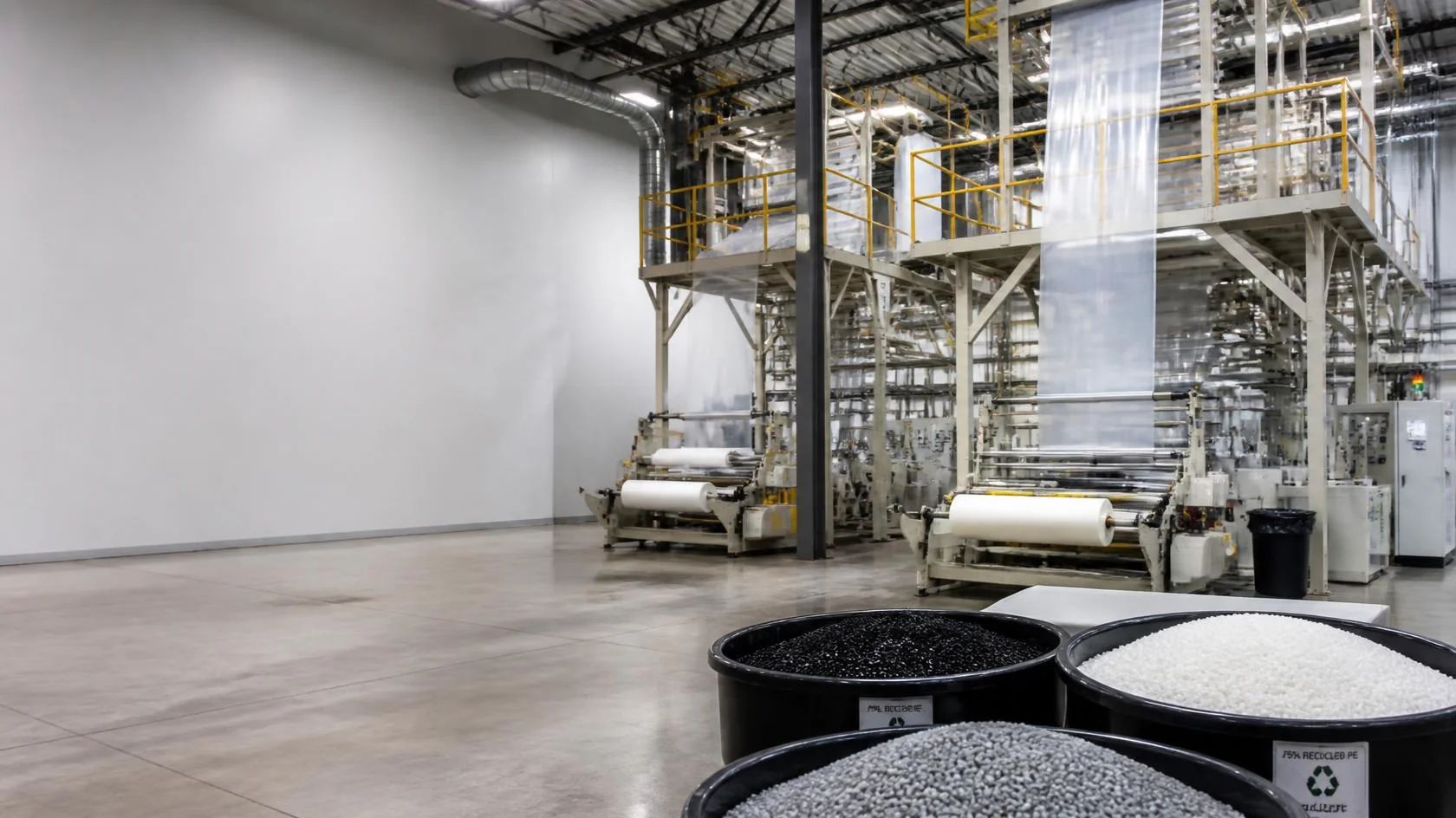
Heat-seal optimization sits beside EU PPWR documentation and recycled-content film formulation on the same packaging operation.
Heat-seal temperature, speed and plate distance are often tuned by trial and error. This use case predicts likely seal strength and recommends parameter combinations for process-team review.
Historical heat-seal process parameters and corresponding seal-strength test results. Film or product specifications provide context. No new sensors when a modern heat-seal line already logs those data.
No. It is decision support. The process or line team reviews the recommendation and decides whether to apply the proposed parameter change.
No. The AI layer works alongside existing control and quality systems and is scoped as a read-only decision-support capability.
Yes. When film, product or line-speed conditions change, the model can provide a data-driven starting point for parameter tuning rather than relying solely on manual trial and error.
Through OptiStudio as process and quality decision support. Expert Services can support data assessment, integration and validation with your packaging process team.
Performance depends on reliable historical process and seal-strength records. Recommendations are line- and film-specific; they do not automatically transfer to other equipment or materials without calibration.
Packaging · Heat-seal process optimization
Use your own sealing-process data to build a predictive process window, support faster changeover tuning and give packaging teams a data-driven alternative to trial-and-error parameter adjustment.