Midstream industry

Where the throughputpays for the miss

Pipelines already move product. Stations boost pressure whether fuel burn is tight or loose. Integrity and hydraulics show up after the event. The system still has to deliver.

  • 01

    Corrosion rate predicted between the ILI campaigns you already run

    Learn how process chemistry has related to measured corrosion on your own pipeline, so inspection prioritisation can follow conditions — not only the calendar.

  • 02

    Compressor stations optimised as one network, not one by one

    Evaluate outlet pressures and operating schemes together against flow, pressure and capacity constraints — so fuel burn is not the price of local rules alone.

  • 03

    EU methane obligations mapped asset by asset

    Structure LDAR, reporting, venting, flaring and importer requirements against your portfolio — with provisional acts flagged, not treated as settled law.

On the line and at the station

The margin is decided between receipt and delivery

Midstream systems lose money in three places that rarely share one screen: compression or pump stations that burn fuel and spare capacity to cover uncertainty, throughput that drifts before nominators and control rooms reconcile, and integrity findings that land after the pig or the leak. Most of that is already in SCADA, historians, ILI and CMMS — after the fact.

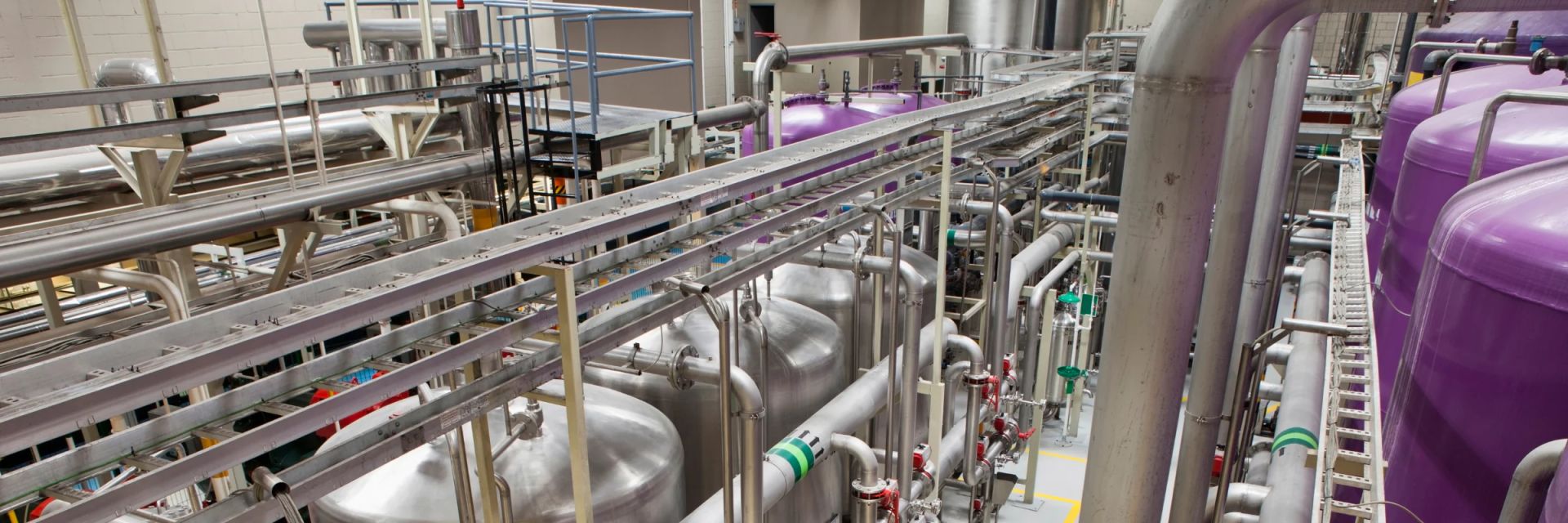
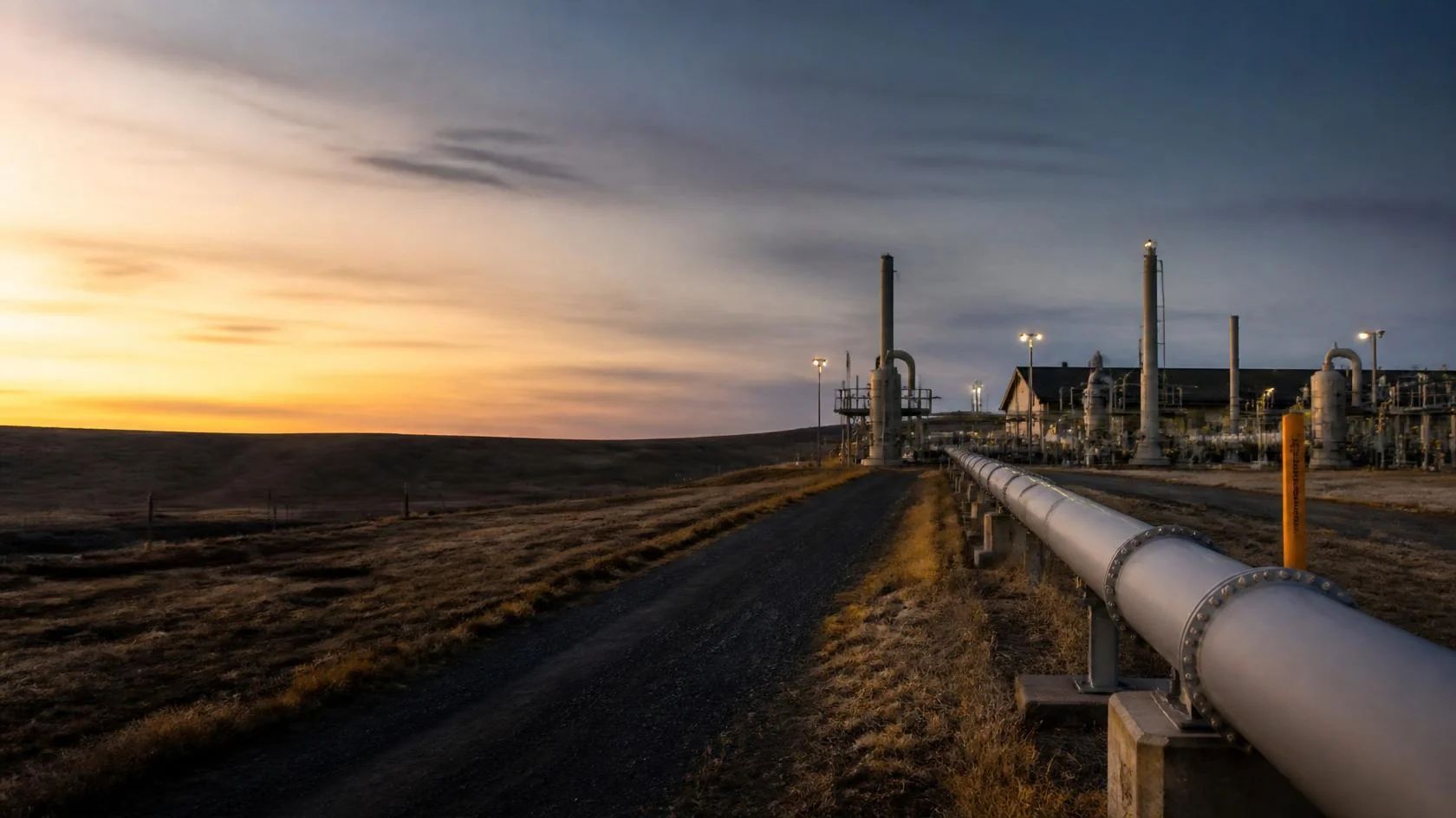
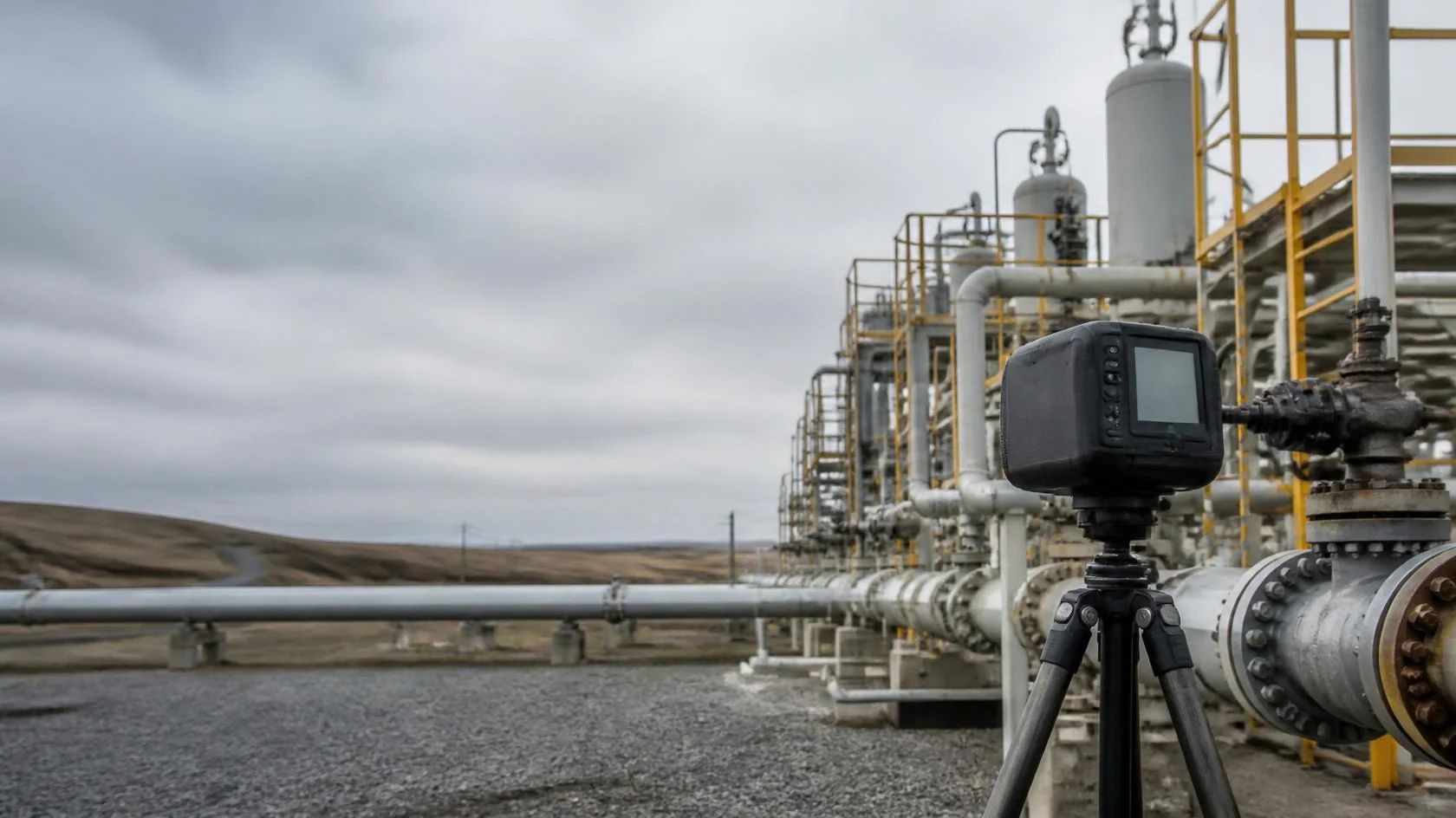
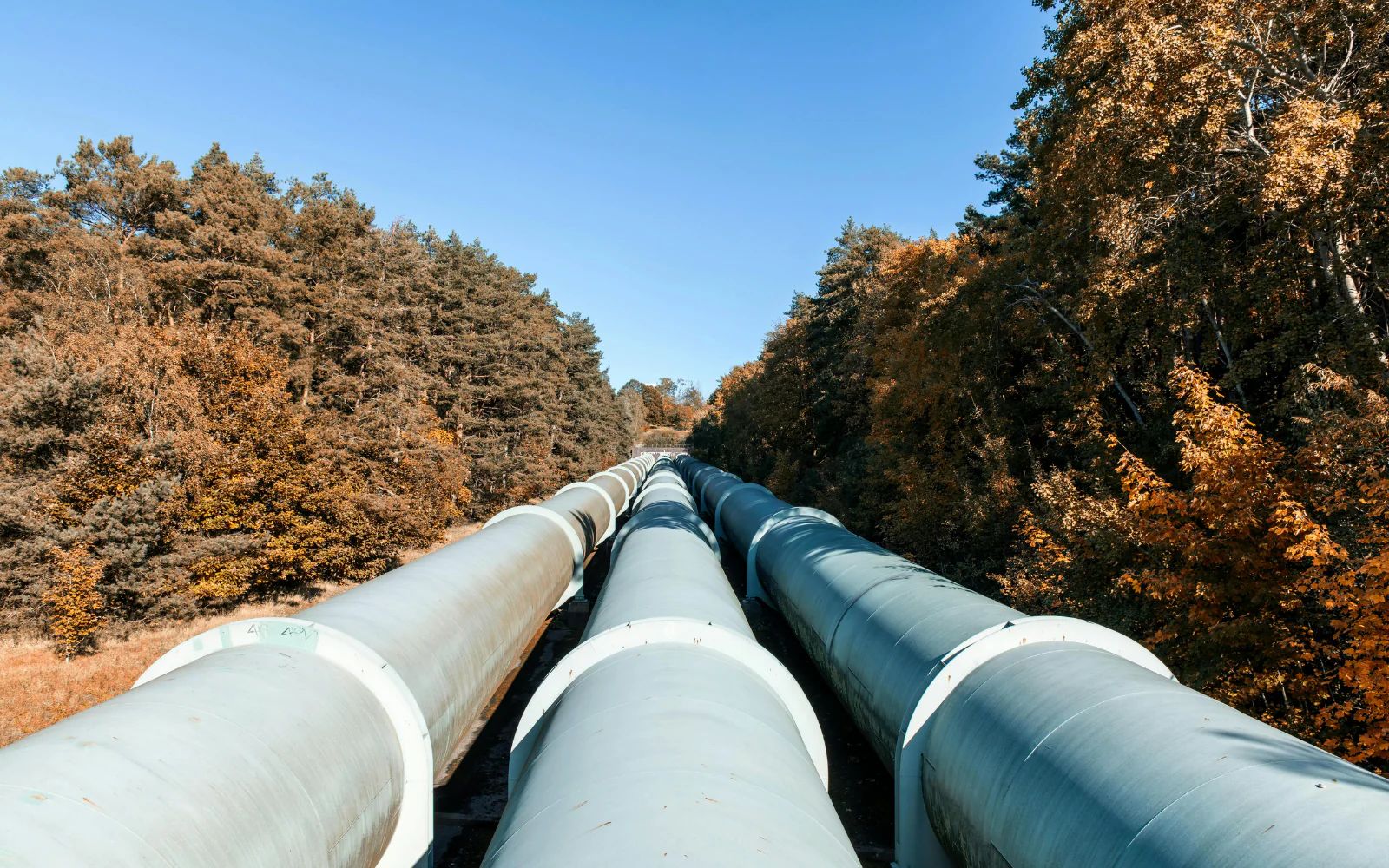
Long-distance midstream pipeline corridorThe network

Hundreds of thousands of transmission miles sit on the critical path

U.S. gas and hazardous-liquid transmission alone spans on the order of half a million miles. A single station trip or pressure restriction can cascade into nominations, storage and downstream supply — before the root cause is clear.
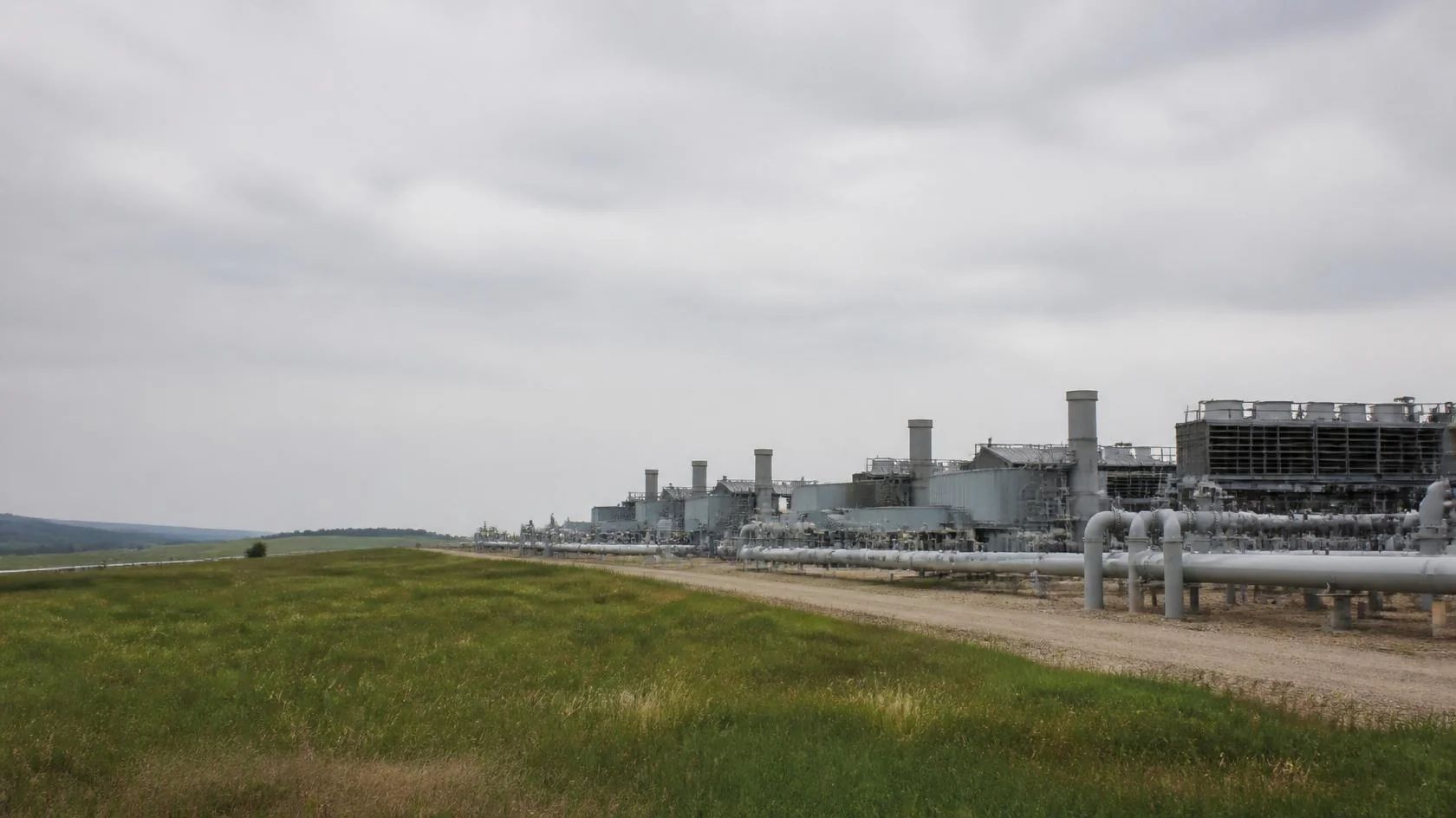
Natural gas compressor station energy systemsCompression

Stations convert fuel into pressure — and into operating cost

Transmission compressors consume a measurable share of the gas they move. When units run off their efficient band or spares stay online to cover uncertainty, fuel burn and emissions rise for every hour of throughput.

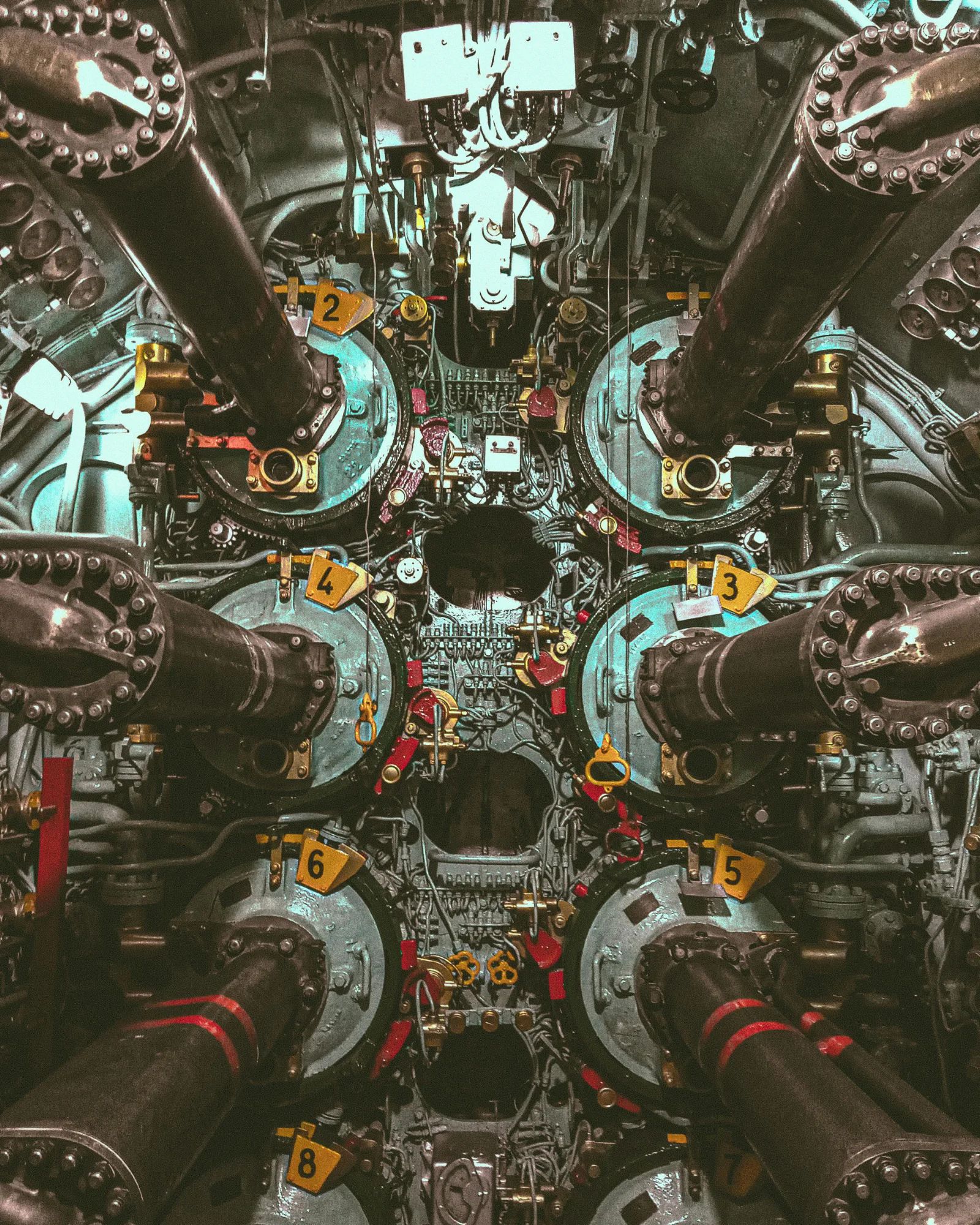
Pipeline integrity and SCADA monitoring recordsIntegrity

Incidents and restrictions still decide whether capacity is real

PHMSA-reported significant incidents continue every year across the U.S. network. Corrosion, seam and weld issues, and equipment failures do not only create response cost — they force pressure cuts and lost throughput while the investigation runs.

Starting the spare unit is the easy correction. It is also how the day is spent.

INSUS works from station and line tags, nominations context, ILI and work orders a midstream operator already keeps. If the gap is an unread vibration alarm, a hydraulic bottleneck, or a clearance sheet that never joined the event, that is what we will say. Recommendations stay advisory. Existing SCADA, PLC and protection systems stay in charge.

Explore the possibilities

Industry figures

The scale of what is being decided

Four external figures, each with its source. Nothing on this page is an estimate we made up. Where we cannot cite a number, we describe the situation in words instead.

Compressor fuel

~1%

of transported natural gas consumed as transmission compressor fuel in an NETL analysis of FERC Form 2 data for major U.S. pipeline companies (historical sample representing most transmission volumes). DOE program work has also cited fuel gas as a major share of gas-transportation operating cost — treat as order-of-magnitude context, not your station's heat rate.

Source: U.S. DOE / NETL pipeline natural-gas operation analysis (FERC Form 2 compressor-fuel rate)

Midstream compressor station and pipeline operations

Common problems

Problems that cost you before you notice

None of these show up as a single alarm. They show up in the corrosion rate between ILI campaigns, the station still set locally, and the methane track that still lives in a spreadsheet.

  1. Corrosion is checked periodically, but driven continuously

    ILI and coupons are point-in-time. Between campaigns, process chemistry keeps moving. Inspection scope then tends to follow uniform schedules rather than the conditions each segment has actually experienced.

    See: Pipeline Corrosion Rate Prediction
  2. Compressor stations still run to local rules

    Outlet pressure at one station affects flow and pressure drop elsewhere. When each station is set independently, fuel burn covers uncertainty that a network-wide scheme might still have reduced.

    See: Compressor Station Network Optimization
  3. Methane obligations still live in separate spreadsheets

    LDAR, reporting, venting and importer tracks sit apart across transmission, storage and LNG. Provisional implementing acts are easy to treat as settled until the next guidance update.

    See: EU Methane Regulation Compliance

Use cases

Places worth a closer look

Each is a specific starting point — this station, this segment, this integrity program — and a next conversation if it is worth your time.

Natural gas pipeline corridor with internal corrosion rate prediction monitoring
Pipeline integrity

Pipeline Corrosion Rate Prediction

Predict internal corrosion rate for gas pipelines from H₂S, CO₂, chloride, pH, flow and inhibitor data to help prioritise inspection between ILI campaigns. Advisory only.

See the full use case
Natural gas transmission network with compressor station optimisation recommendations
Compression

Compressor Station Network Optimization

Optimise compressor outlet pressures and operating schemes together across the gas pipeline network to reduce energy while meeting demand. Advisory only.

See the full use case
Midstream gas transmission and storage assets mapped against EU Methane Regulation compliance obligations
Regulatory compliance

EU Methane Regulation Compliance

Map EU Methane Regulation obligations across midstream assets and contracts, identify compliance gaps and keep supporting documentation for LDAR, reporting, venting and flaring. Not a legal determination.

See the full use case

FAQ

Questions that come up in every first call

A practical look at what INSUS needs, where it fits and what your team can expect.

The work that fits is the data a midstream operator already produces: station and line SCADA tags, nominations context, ILI and leak tickets, process chemistry, work orders, equipment condition signals and methane compliance records. Pipeline corrosion prediction, compressor network optimisation and EU Methane Regulation mapping can start from data you already keep. Closed-loop compressor control and automatic leak shut-in are not promises we will make on day one.

Oil & Gas is the parent overview across upstream, midstream, processing and industrial operations. Upstream focuses on wells, artificial lift and production facilities. Midstream focuses on pipelines, compression and pump stations, throughput and integrity. Processing focuses on treating, NGL recovery, fractionation and conversion units. Industrial Operations covers shared plant utilities, permit-to-work and contractor coordination.

Usually not for SCADA, historians and maintenance. Most systems already have station and line tags plus some integrity history. Corrosion prediction uses process chemistry already monitored for process control. Network optimisation uses topology, flow, pressure and compressor data already in SCADA and the network model.

No. The person who knows this segment, this station and this integrity program stays responsible. The aim is to stop the next hour repeating the same fuel waste or trip precursor, and to flag a developing equipment or integrity issue before it stops throughput.

No. It advises the control-room or engineering team. Existing station PLC, SCADA and protection systems stay in charge of the loop. Protection systems are not touched.

No. Throughput and integrity outcomes depend on nominations, hydraulics, equipment condition and operating practice. We will not invent a utilization or incident-rate target for your system.

They are published U.S. national summaries — not measurements of your segments. Your SCADA, ILI and work orders are the numbers that matter.

Yes. One compressor station, one pump station, or one pipeline segment is usually the practical start. Measure that, then decide whether to widen.

Contact

Talk to a midstream expert

  • 30 minA focused conversation about the midstream problem you are trying to solve. No sales deck.
  • OutcomeA practical view of whether INSUS can help, what data would be needed and where it makes sense to start.
  • We will first understand your current process, what information you have and where the biggest gap is.
  • If the right answer is a sensor check, a procedure update, a maintenance action or an existing SCADA report, that is what we will tell you.

Request a call

We reply within one working day, from a person, with a proposed time.