Predict corrosion ratebetween inspection campaigns.

INSUS learns how H₂S, CO₂, chloride, pH, temperature, flow and inhibitor dosing have related to measured corrosion on your own pipeline, and predicts internal corrosion rate between ILI and coupon campaigns. Integrity engineers keep the programme.

  • 01

    Corrosion rate predicted between ILI and coupon campaigns.

  • 02

    Uses H₂S, CO₂, chloride, pH, flow and inhibitor data you already keep.

  • 03

    Advisory only. Never replaces inspection or regulatory programmes.

The problem

Corrosion is checked periodically,but driven continuously.

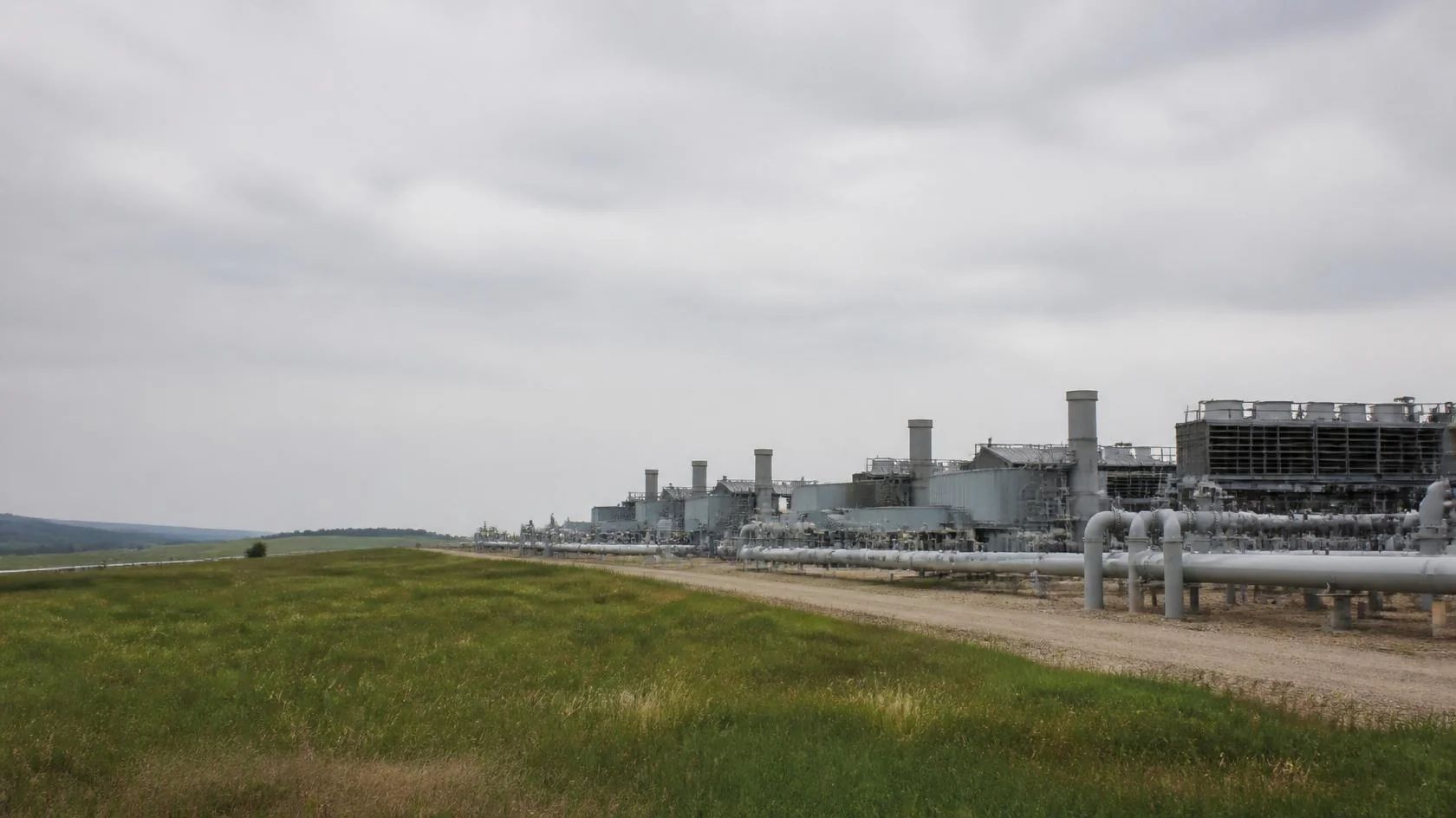
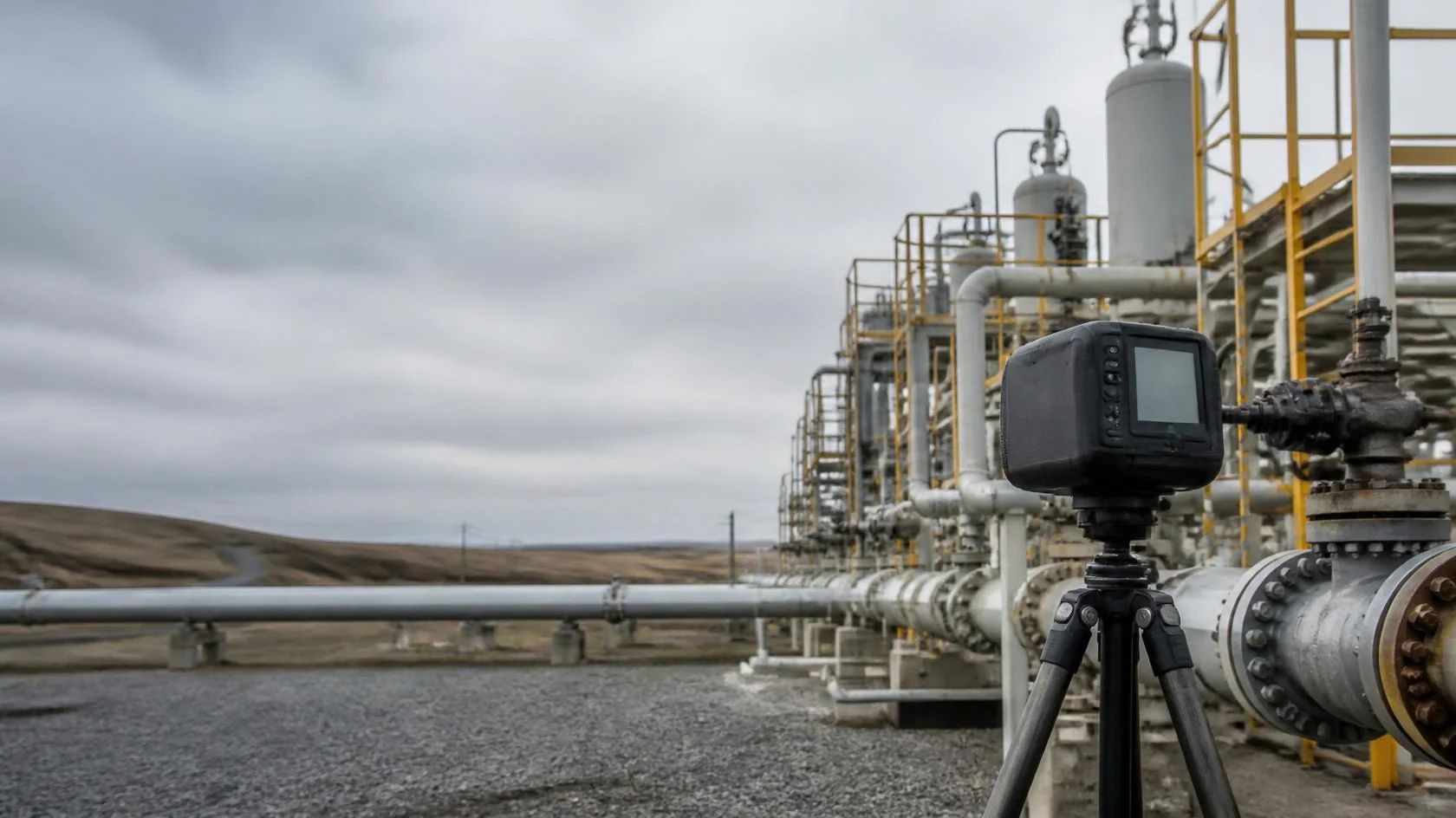
Internal corrosion is a major integrity threat for natural gas pipelines, yet it is typically managed through periodic ILI runs and coupon monitoring, both point-in-time and location-specific. Between campaigns, H₂S, CO₂, chloride, pH, temperature, flow and inhibitor dosing keep interacting in ways simple models track poorly. Inspection scope and integrity spend then tend to follow uniform schedules rather than the conditions each segment has actually experienced.

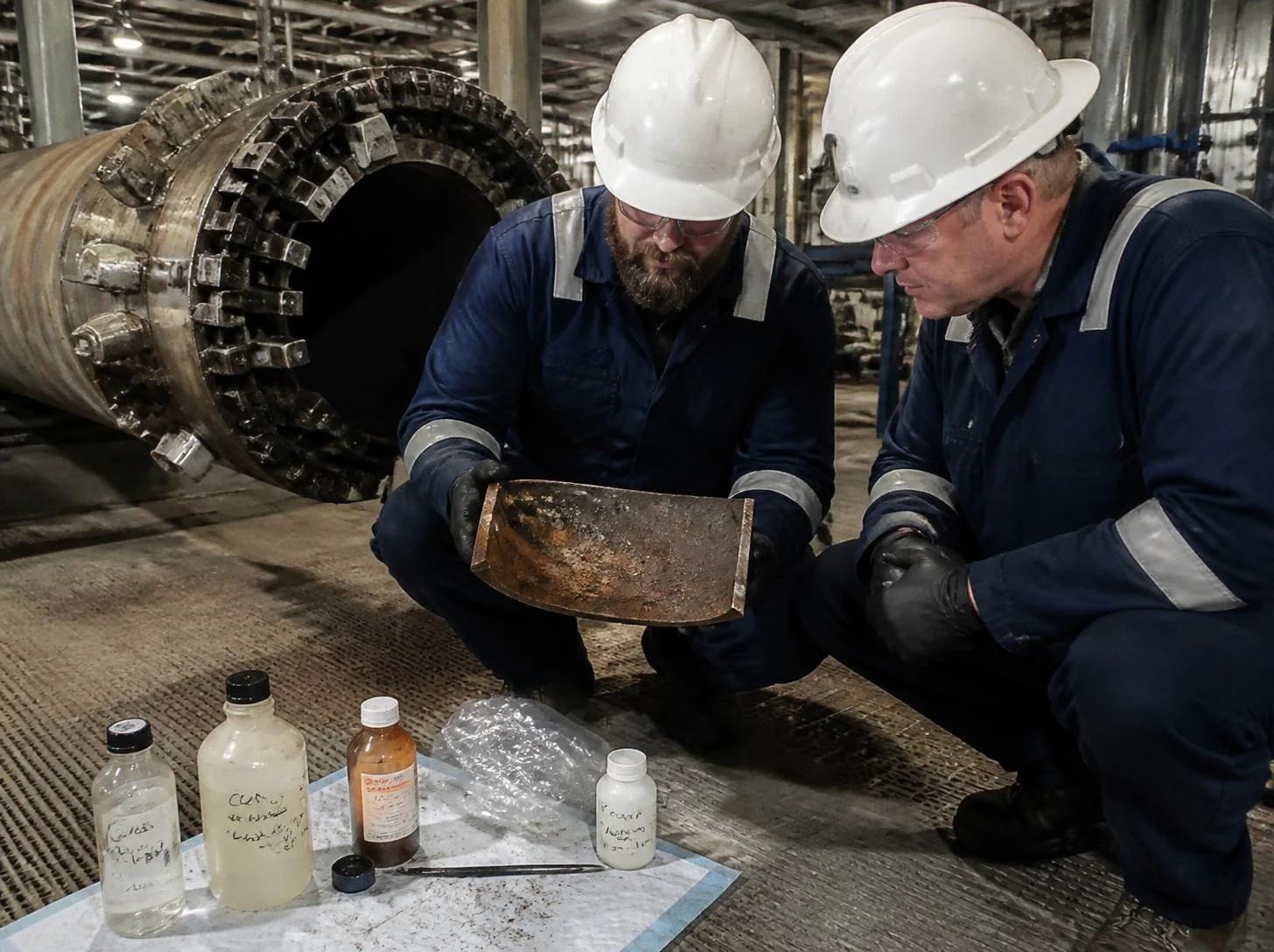
Pipeline integrity engineer reviewing corrosion rate predictions against process chemistry trends
01
02
03
  • 01CO₂ and chloride trending upward
  • 02Predicted rate rising between campaigns
  • 03Last inspection or coupon result

The shift

From periodic inspectionto prediction between campaigns.

Inline inspection, coupon monitoring and the regulated integrity programme all stay in place. What changes is that the time between campaigns is covered by a corrosion-rate prediction built on the pipeline's own process and inspection history.

Today

Corrosion confirmed at inspection intervals

  • Corrosion managed primarily through periodic ILI runs and coupon monitoring.
  • Link between process chemistry and corrosion rate not modelled between inspections.
  • Inspection scope and integrity spend allocated on uniform schedules.

With INSUS

Corrosion rate predicted as conditions change

  • Internal corrosion rate predicted from process chemistry as data updates.
  • Inspection prioritisation informed by updated predictions for monitored segments.
  • Inhibitor dosing reviews informed by the same prediction, not a fixed schedule alone.

How it works

From process chemistryto a predicted corrosion rate.

This fits OptiStudio as integrity decision support above process SCADA and the integrity management system. Access is read-only. It never replaces inspection, coupons or regulatory programmes.

  1. Connect

    Link process chemistry and inspection history

    Connect read-only to process SCADA and historian for temperature and flow, gas composition for H₂S and CO₂, water chemistry for chloride and pH, chemical treatment records for inhibitor dosing, and the integrity management system for ILI and coupon history.

  2. Understand

    Learn this pipeline's chemistry-to-corrosion link

    The model learns how H₂S, CO₂, chloride, temperature, pH, flow rate and inhibitor dosing have related to the corrosion rates confirmed by inspection and coupon data across this pipeline's own operating history.

  3. Predict

    Predict internal corrosion rate

    Predict internal corrosion rate from the process chemistry variables as data updates, using a model calibrated to this pipeline's own inspection and coupon history rather than a generic corrosion table.

  4. Advise

    Flag where inspection and treatment deserve a closer look

    Flag monitored segments with elevated predicted corrosion rate to help prioritise ILI scope and integrity spend, and show the predicted effect of current inhibitor dosing. The integrity team reviews every recommendation before it informs any plan.

  5. Verify

    Check predictions against each inspection and coupon result

    Compare predictions with ILI and coupon results as they arrive. Accuracy is tracked, flagged segments are checked against subsequent findings, and the model is refined against the pipeline's own history.

OptiStudio corrosion rate model informing integrity engineer review read-only

Getting started

Start with one pipeline segmentand the inspections you already ran.

For midstream gas pipelines where internal corrosion is managed between ILI and coupon campaigns. Delivered through OptiStudio as integrity decision support. Expert Services can help with data assessment and validation. Advisory and read-only. Never replaces inspection.

  • What we need. Historical H₂S, CO₂, chloride, temperature, pH, flow rate and inhibitor dosing data, together with corresponding ILI and coupon results. Some chemistry inputs often come from periodic samples. No new hardware to start.
  • What you see first. A back-test on one pipeline segment or asset: a corrosion-rate model and inspection prioritisation view run alongside existing practice, with a validation report comparing predictions to inspection-confirmed rates.
  • Where the limits are. Does not replace ILI, coupons, the integrity management system or any regulatory-mandated programme. Covers internal corrosion only, not external or coating-related corrosion. Local factors such as where water collects are not captured by process chemistry alone.
Explore OptiStudio

Questions integrity engineers ask us

Internal corrosion is driven continuously by process chemistry, but confirmed only at ILI and coupon intervals. This use case predicts corrosion rate between campaigns to help prioritise inspection for integrity engineer review.

Historical H₂S, CO₂, chloride, temperature, pH, flow rate and inhibitor dosing data, together with corresponding inline inspection and coupon results. No new sensors: it uses chemistry variables a midstream operator already monitors.

No. It helps prioritise inspection scope. It does not replace ILI, coupon monitoring, the integrity management system or any regulatory-mandated integrity programme.

No. It predicts internal corrosion rate and advises prioritisation. Access is read-only. Closed-loop control is not part of this use case.

Through OptiStudio as integrity decision support. Expert Services can support data assessment, integration and validation with your integrity team.

Peer-reviewed work has shown that internal corrosion rate can be predicted from process chemistry on gas pipelines. Those accuracy figures belong to the studied pipelines, not to every asset, and not to us. Value is measured against your own inspection-confirmed history.

It needs process chemistry and inspection or coupon data already being collected. Accuracy is specific to each pipeline's chemistry and corrosion mechanism. Local factors such as where water collects are not captured by process chemistry alone.

Midstream · Pipeline integrity

Predict corrosion rate between inspection campaigns.

A back-test on one segment and the inspections you already ran will show how well process chemistry already predicts the corrosion rate your programme later confirmed.