Optimise the network,not each station alone.

INSUS evaluates compressor outlet pressures and operating schemes together using the pipeline network's own topology, operating data and constraints, and advises lower-energy ways to meet demand. Operations teams review every scheme.

  • 01

    Optimise the network rather than each station independently.

  • 02

    Lower compression energy while meeting demand and pressure.

  • 03

    Advisory only. Pipeline operations teams review every scheme.

The problem

Compressor stations run to local ruleswhile the network behaves as one system.

A gas transmission network cannot be optimised station by station in isolation. Outlet pressure at one compressor affects flow, pressure drop and operating requirements elsewhere. The challenge is evaluating these interactions against real network constraints quickly enough to make network-wide operating decisions, rather than setting each station from fixed rules or local judgment alone.

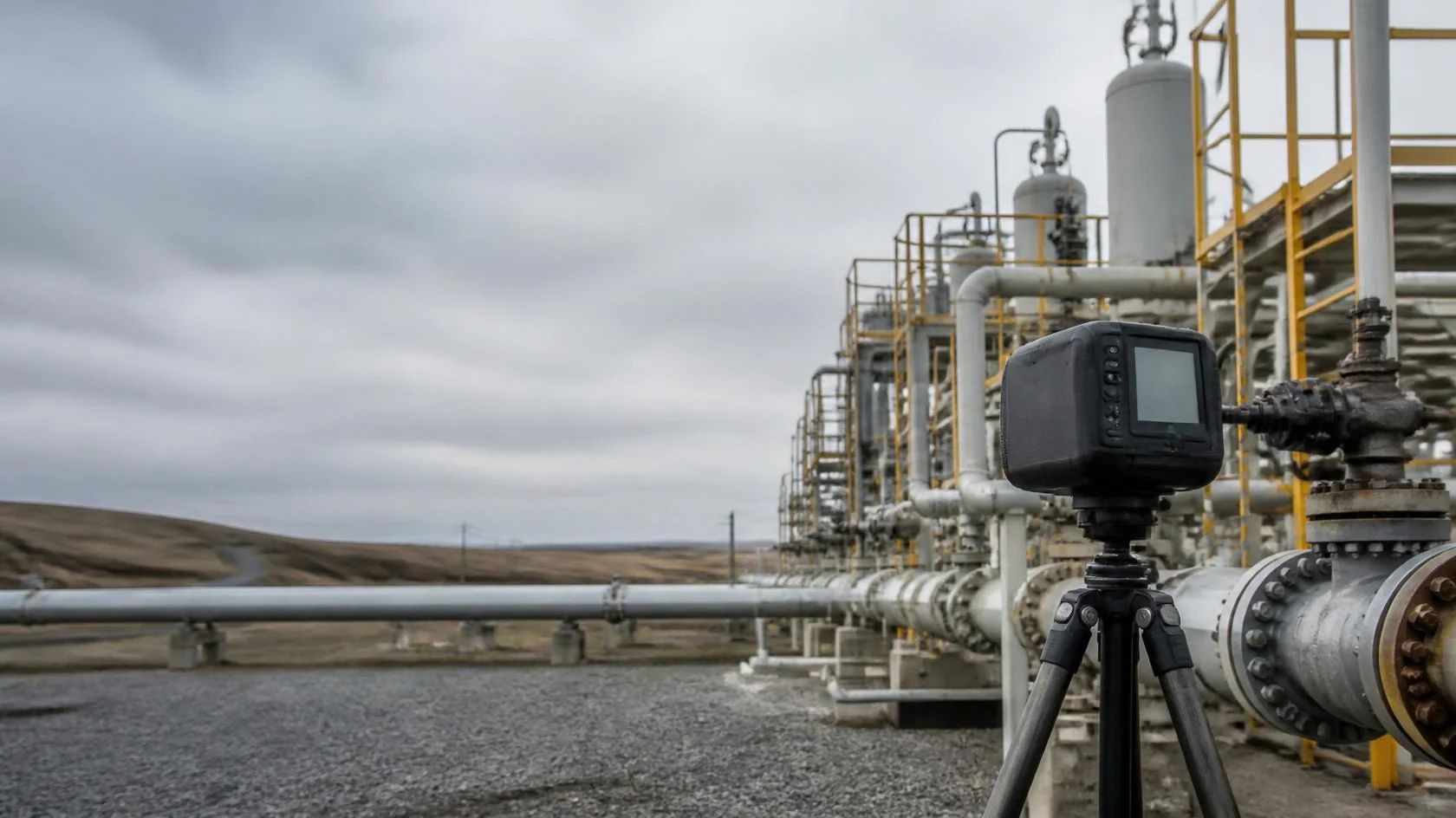
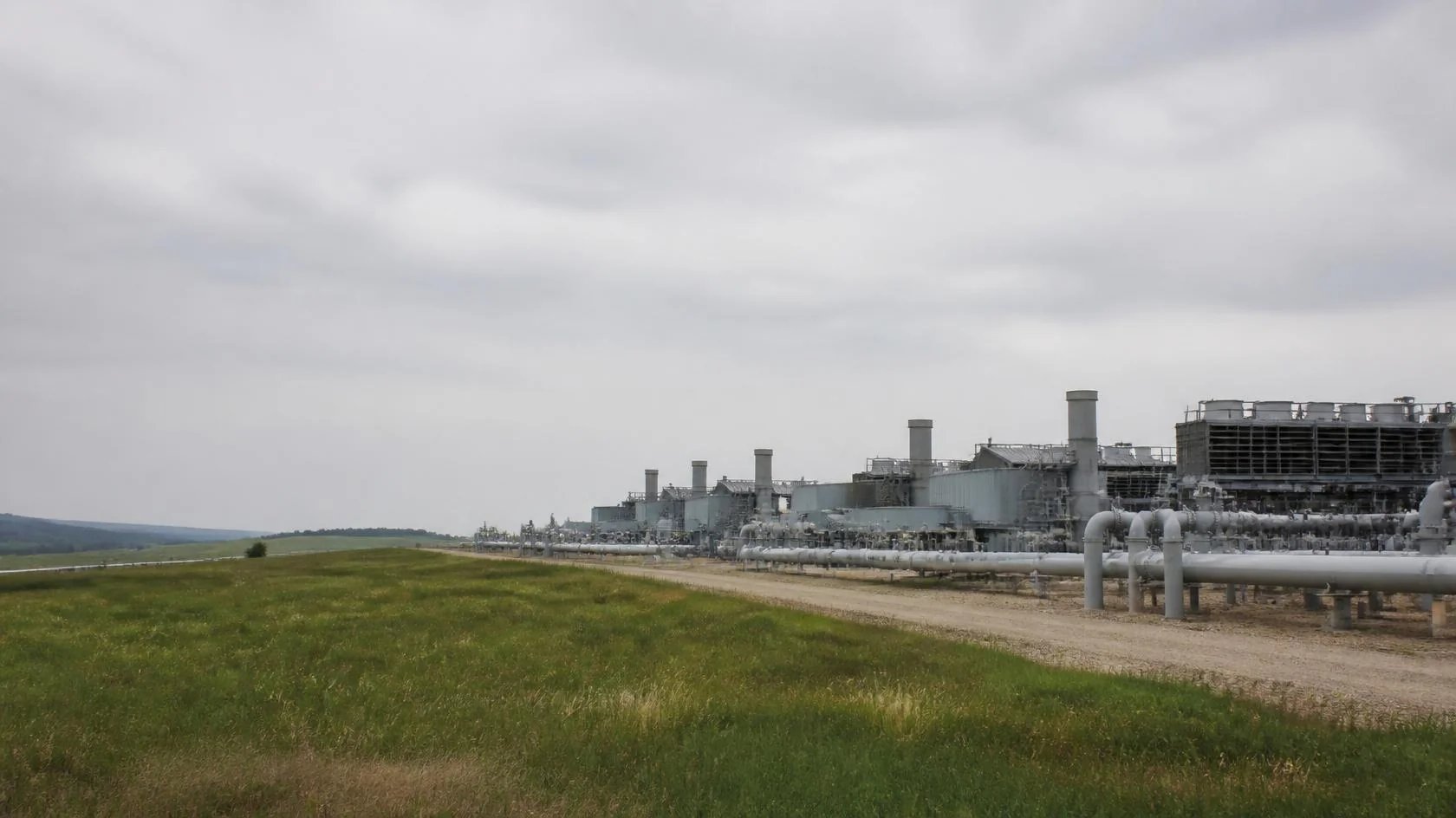
Gas transmission network showing interacting compressor stations, pressure constraints and flow paths
01
02
03
  • 01Compressor station
  • 02Pressure interaction
  • 03Network constraint

The shift

From station-level rulesto network-wide optimisation.

The objective is not simply to run individual compressors more efficiently. It is to determine how the entire transmission network should operate together, accounting for flow balance, pressure drop, compressor pressure ratios, demand and network configuration.

Today

Optimise each station separately

  • Compressor outlet pressures set using fixed rules or station-level judgment.
  • Effect of one station's setpoint on other parts of the network hard to evaluate continuously.
  • Energy not always evaluated against the lowest-energy configuration that can satisfy demand.

With INSUS

Optimise the network as one system

  • Compressor station outlet pressures evaluated together across the network.
  • Flow direction, flow balance, pressure drop and compressor pressure-ratio constraints included.
  • Recommended operation evaluated against actual network energy and demand satisfaction.

How it works

From network datato a recommended operating scheme.

This fits OptiStudio as network decision support above compressor SCADA and the pipeline model. Access is read-only. It does not replace SCADA or compressor control.

  1. Connect

    Bring the network and compressor data together

    Connect pipeline topology, compressor stations, gas sources, distribution points, compressor pressures and flows, fuel gas consumption, pipe specifications and relevant capacity constraints.

  2. Understand

    Model flow and pressure across the network

    Analyse current flow balance, pressure profiles, flow directions and compressor operating points against the network's physical constraints.

  3. Predict

    Evaluate alternative compressor setpoints

    Model candidate compressor outlet pressures and operating configurations that satisfy network flow and pressure requirements while respecting compressor operating limits.

  4. Advise

    Find the lower-energy operating scheme

    Advise the combination of compressor station outlet pressures and operating configuration that meets current network requirements with the targeted energy objective. Operations teams decide what to apply.

  5. Verify

    Compare recommendations with actual operation

    Track recommended operating schemes against actual compressor energy consumption and demand-satisfaction outcomes, then refine the model using the network's own operating history.

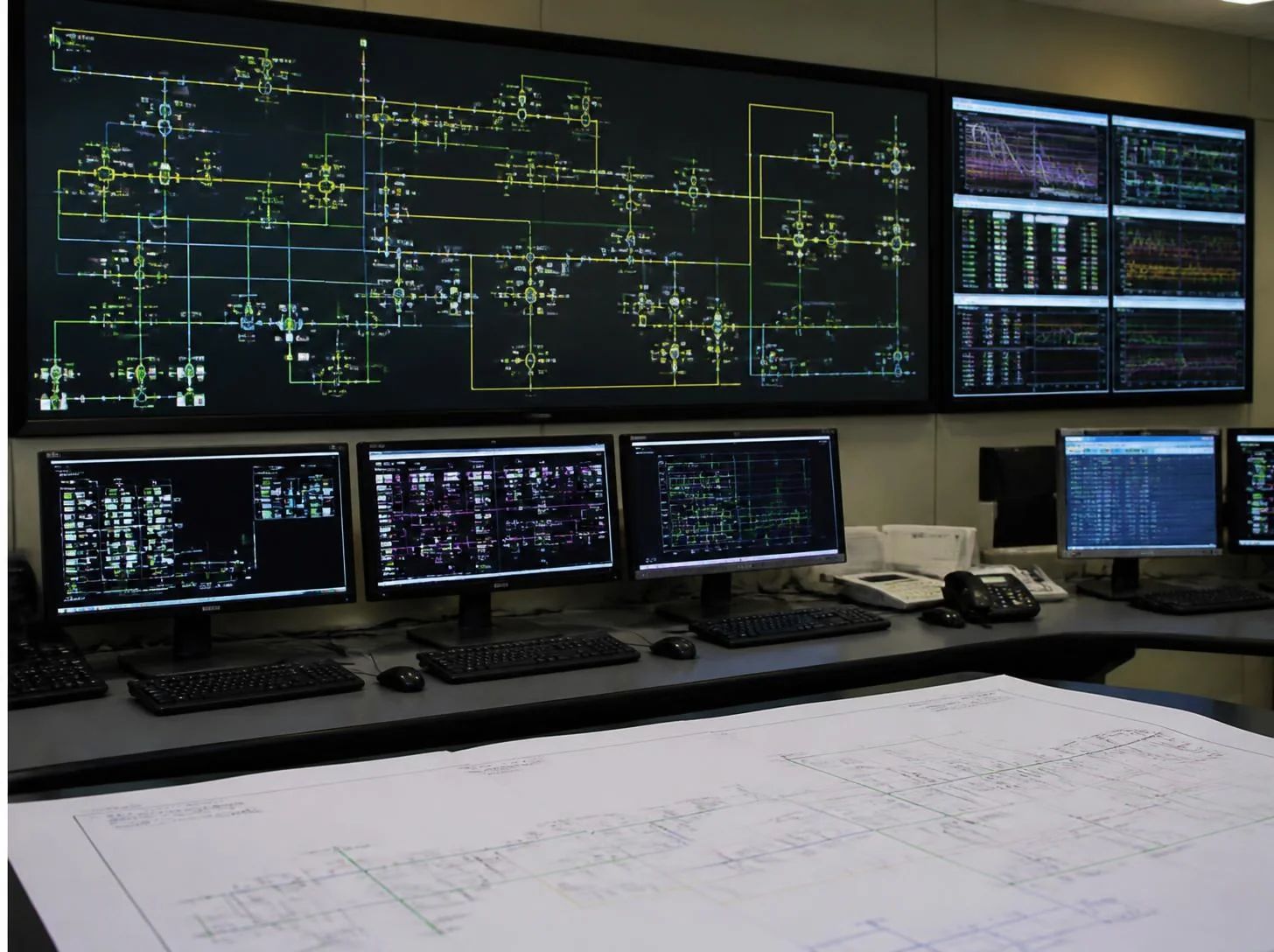
Existing pipeline network and compressor station data feeding an optimisation model

Getting started

Start with one network segmentand the history behind it.

For gas transmission operators where compressor stations interact through a shared pipeline network. Delivered through OptiStudio as network decision support. Expert Services can help with data assessment and validation. Advisory and read-only. No new field hardware to start.

  • What we need. Pipeline topology, compressor station locations and operating data, gas source and distribution points, historical flow and pressure data, fuel gas consumption, and relevant pipe and compressor capacity specifications.
  • What you see first. Recommendations run alongside existing operations on one transmission network segment or sub-system, compared with actual energy and demand-satisfaction outcomes before any wider rollout.
  • Where the limits are. Advisory only. Operations teams review every recommended scheme. It does not replace SCADA or compressor control. Automatic control requires additional validation and must retain the operator's safeguards. Achievable savings are network-specific.
Explore OptiStudio

Questions pipeline operations teams ask us

Compressor stations interact through the shared pipeline network, so station-level rules rarely produce the best network-wide energy outcome. This use case advises coordinated outlet pressures and operating schemes for operations review.

Pipeline topology, compressor station locations and operating data, gas source and distribution points, historical flow and pressure data, fuel gas consumption, and relevant pipe and compressor capacity specifications. No new sensors to start.

No to both. The initial deployment is decision support. Operations teams review recommended schemes. It augments existing SCADA and compressor control; automatic control can only be considered after sufficient validation.

Peer-reviewed network-wide optimisation studies have reported energy reductions on specific transmission networks. Those figures belong to those networks, not to every system, and not to us. Value is measured against your own compressor fuel gas and demand-satisfaction baseline.

Through OptiStudio as network decision support. Expert Services can support data assessment, integration and validation with your operations team.

Operating scheme recommendations can be regenerated as network demand and configuration change. Real-time or closed-loop deployment should be validated against the operator's operating cycle and control requirements.

Optimisation quality depends on accurate network topology, operating data and compressor and pipeline constraints. Achievable savings are network-specific. Automatic control requires additional validation against the operator's safety, operating and demand requirements.

Midstream · Pipeline transmission

Your stations are connected. Your optimisation should be too.

A shadow run on one network segment will show where coordinated compressor schemes differ from local rules, and how that compares with the energy and demand you already recorded.