Pharma industry

Where the batchwaits on the record

Quality, clean utilities, and release decisions sit on separate systems. The campaign still has to ship. INSUS works from the process tags, batch tickets, lab results, and approved procedures pharmaceutical plants already keep — advisory only, with people and existing systems in control.

  • 01

    Process decisions inside approved limits

    Hold reactor, dryer, and utility readings against the campaign record you already log, so conservative setpoints are not the only answer when feed or equipment drifts.

  • 02

    Procedures that stay findable under pressure

    Keep approved SOPs, change-control steps, and handling guidance in one place the next shift can use — not only in the head of whoever ran the last batch.

  • 03

    Equipment issues while release can still be protected

    Read pumps, compressors, HVAC, and clean-utility signals already in the historian, so wear is flagged while intervention can still be planned.

On the line and in QA

Release is decided from incomplete screens

Pharmaceutical plants lose time and money where process, quality, utilities, and documentation rarely share one view: a batch held for missing context, a cleanroom HVAC bill that never gets challenged, and a deviation investigated after the campaign has already moved on. Most of that signal is already in historians, LIMS, MES, and SOPs — after the fact.

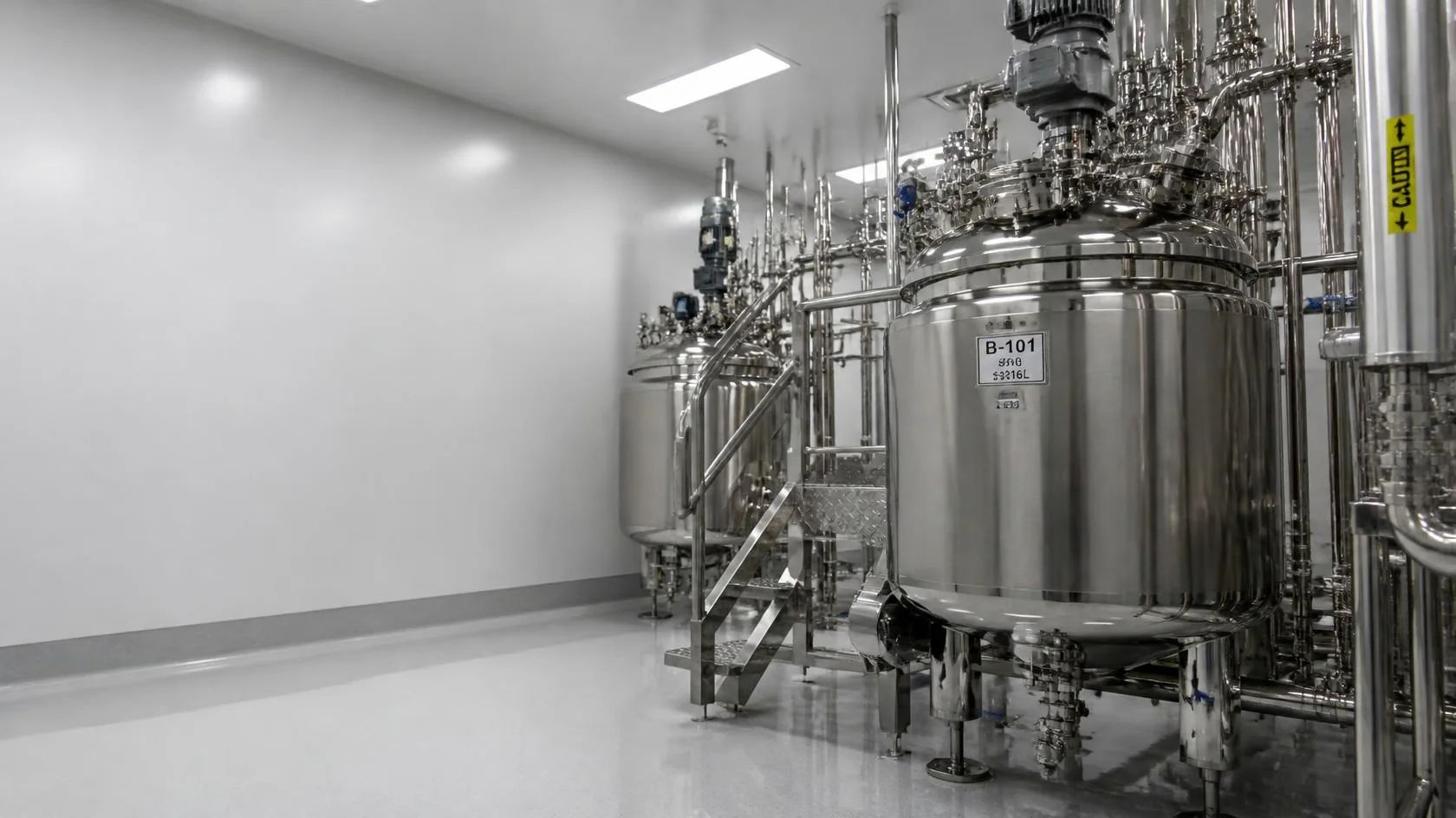
Pharmaceutical process plant and batch manufacturing operationsThe batch

The process drifts while the ticket catches up

API synthesis, formulation, and fill-finish must stay inside validated ranges. When process, material, and quality feedback arrive late, teams protect the unit with conservative setpoints — and leave yield, cycle time, and energy performance on the table.

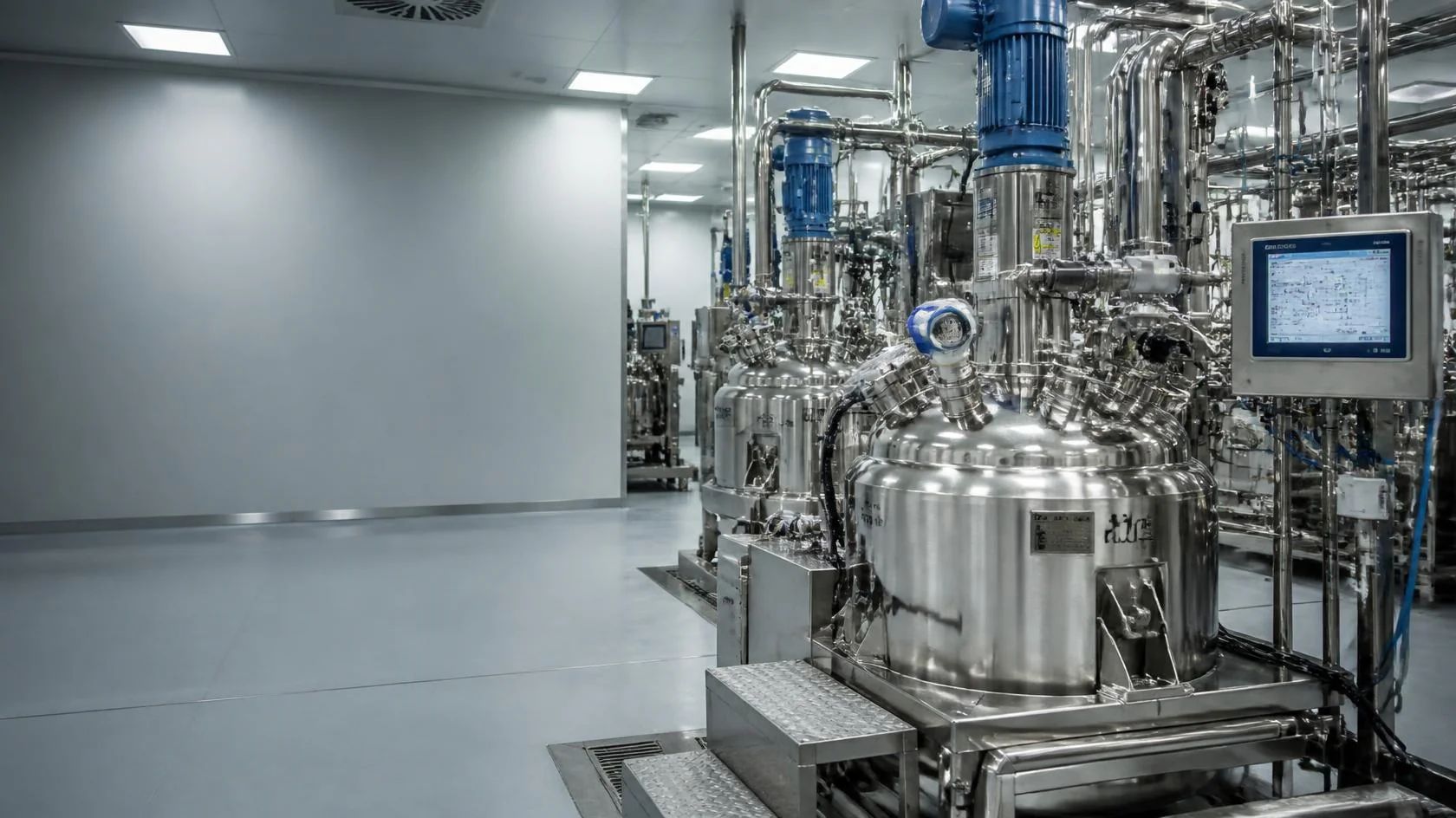
Industrial HVAC and clean-utility systems under continuous loadThe clean utilities

HVAC protects the room — and often dominates the bill

ENERGY STAR’s pharmaceutical energy guide estimates HVAC at around 65% of typical plant energy use. Electricity is usually the largest energy cost. Efficiency work is often delayed because teams fear revalidation — so waste persists inside already-validated envelopes.

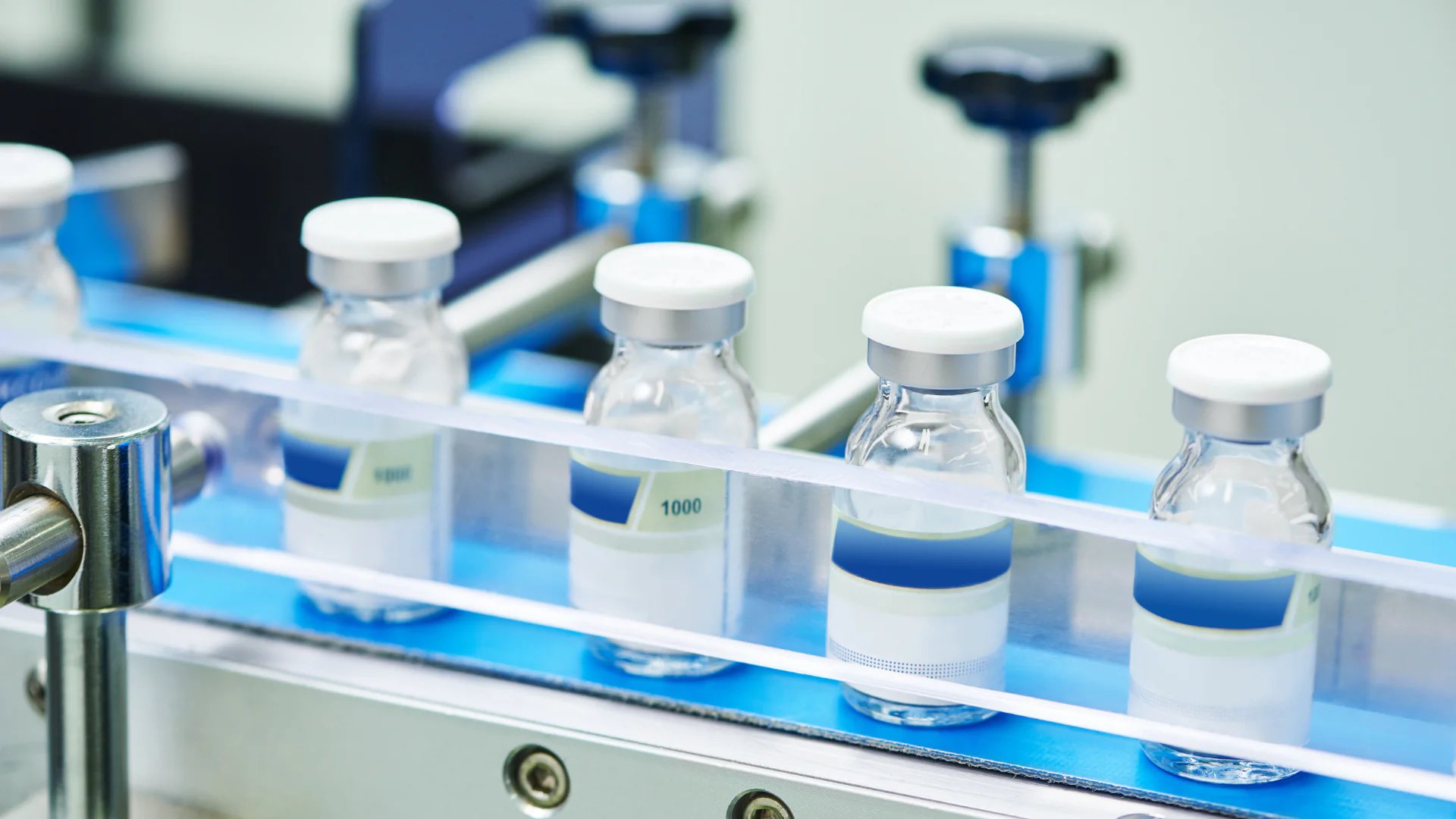
Quality and manufacturing teams reviewing regulated documentationThe record

Release waits on what the systems never joined

Batch records, lab tickets, deviations, and audit trails live across MES, LIMS, and document systems. EU GMP drafts for Annex 11 and Annex 22 are raising expectations for computerized systems, data integrity, and governed AI use. Incomplete context still slows disposition.

Running more conservatively is the easy correction. It is also how the campaign is spent.

INSUS works from historian tags, batch tickets, lab results, and approved procedures a plant already keeps. If the gap is a drifting sensor, a missing SOP step, or a pump already in the historian, that is what we will say. Recommendations stay advisory. Existing DCS, MES, and quality systems stay in charge.

Explore the possibilities

Industry figures

The scale of what is being decided

Four external figures, each with its source. Nothing on this page is an estimate we made up. Where we cannot cite a number, we describe the situation in words instead.

Generics

~20%

of global pharmaceutical supply by volume is attributed to India in IBEF’s industry overview — a reminder that manufacturing scale and regulated-market compliance sit at the centre of the sector.

Source: IBEF, Pharmaceutical Exports from India

Vaccines

65–70%

of WHO vaccine requirements are estimated to be sourced from India, according to the same IBEF overview — production reliability and quality systems matter far beyond one plant’s P&L.

Source: IBEF, Pharmaceutical Exports from India

HVAC

~65%

of typical pharmaceutical-plant energy use is estimated for HVAC in the ENERGY STAR / LBNL pharmaceutical energy guide — cleanrooms and controlled environments drive a large share of the bill.

Source: ENERGY STAR pharmaceutical energy guide (LBNL)

Release

Paper & systems

still decide many disposition timelines. Batch, lab, deviation, and audit-trail evidence often live in separate systems until someone joins them for release.

Typical plant practice. Timing varies with product, site systems, and quality workload.

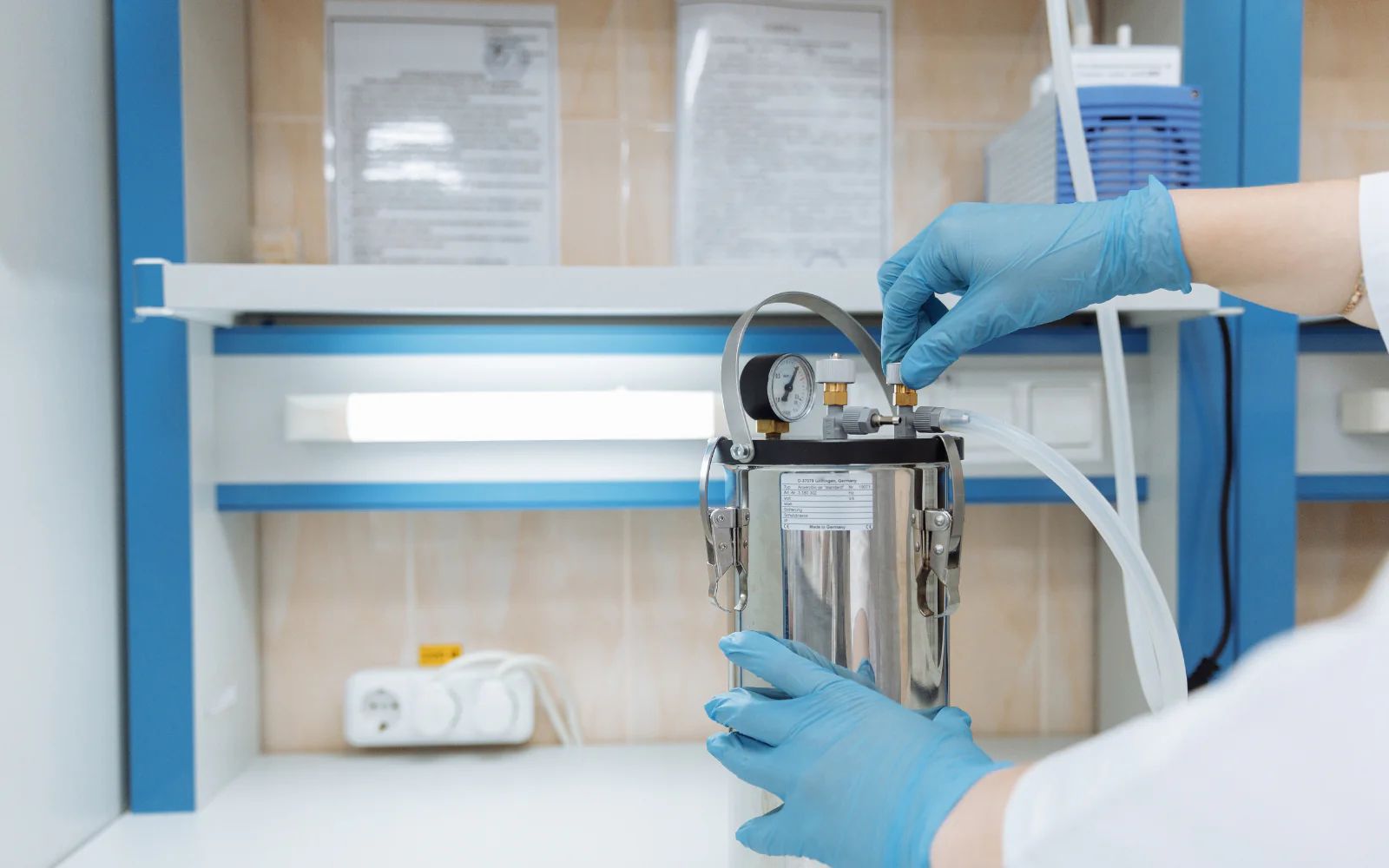
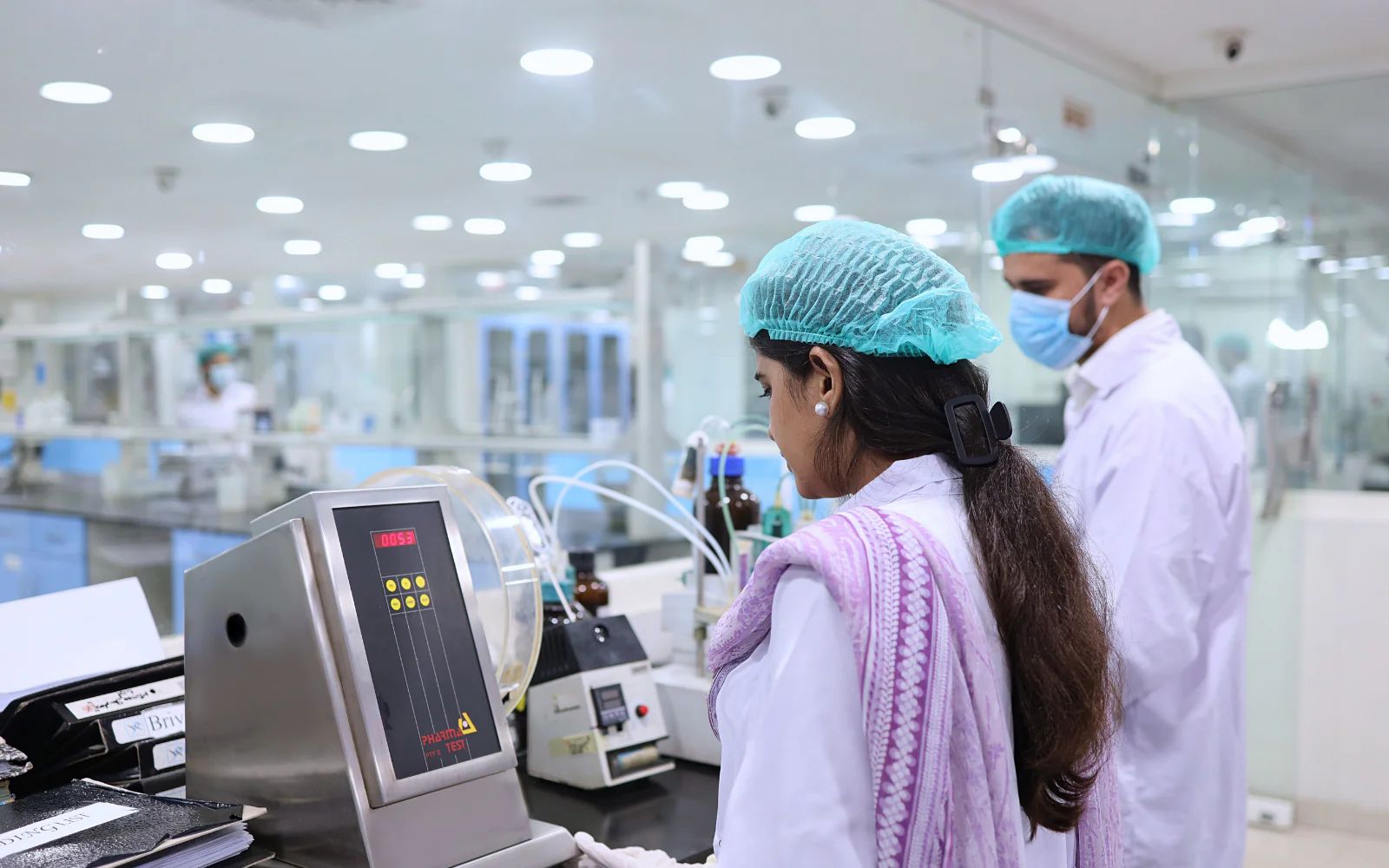
Pharmaceutical manufacturing plant with process, utility, and quality operations

Common problems

Problems that cost you before you notice

None of these show up as a single alarm. They show up in the held batch, the late contamination investigation, and the process that has drifted from its optimum.

  1. Yield is confirmed after the batch has already finished

    Laboratory results and manual batch comparisons often arrive after the process has moved on. Low-yield or off-spec outcomes are then investigated after materials, time, and capacity have already been spent.

    See: Batch Yield Prediction
  2. Contamination is investigated after the risk has already materialized

    Environmental, process, and laboratory signals often stay separated until a contamination event forces an investigation. By then, batch rejection, cleaning, and production disruption may already be underway.

    See: Contamination Risk Prediction
  3. Process parameters drift away from the operating optimum

    Static setpoints and rule-based adjustments leave temperature, pressure, and flow behind as equipment condition and production requirements change. Energy, variability, and quality risk grow before anyone retunes the process.

    See: Process Parameter Optimization

Use cases

Places worth a closer look

Each is a specific starting point — this batch, this contamination risk, this process train — and a next conversation if it is worth your time.

Pharmaceutical manufacturing process with batch yield prediction
Quality

Batch Yield Prediction

Predict pharmaceutical batch yield from process, raw-material, quality and historical batch data while production is underway. Advisory only. Process teams keep the decision.

See the full use case
Pharmaceutical production line with contamination risk monitoring
Quality

Contamination Risk Prediction

Identify emerging contamination risks in pharmaceutical production from environmental, process, equipment and laboratory data for quality-team review. Advisory only.

See the full use case
Pharmaceutical manufacturing process with parameter optimization
Process

Process Parameter Optimization

Identify better pharmaceutical process parameters from process, quality and energy data as conditions change, within validated constraints. Advisory only.

See the full use case

FAQ

Questions that come up in every first call

A practical look at what INSUS needs, where it fits and what your team can expect.

The work that fits is the data a pharmaceutical plant already produces: process and utility tags, batch tickets, lab results, approved procedures, and equipment logs. OptiStudio can advise within approved limits. ExpertFlow AI keeps procedures accessible. BatchVision can help join batch and lab context. Predictive Maintenance can start from signals you already log. Closed-loop process control and automatic batch release are not promises we will make on day one.

No. Validation, computerised-system controls, and quality-unit ownership remain yours. EU GMP drafts for Annex 11 and Annex 22 underline that critical AI use needs clear intended use, governance, and human accountability. We support advisory workflows designed to work with your quality system — we do not claim to replace validation or inspection readiness.

Chemicals and Specialty Chemicals cover industrial chemical manufacturing — process plants and multi-product specialty grades. Pharma focuses on regulated pharmaceutical manufacturing, where batch records, quality systems and release decisions dominate the cost of a miss. Biotech covers biologics manufacturing specifically.

Usually not for process records, lab tickets, and maintenance. Most plants already have DCS/SCADA, historians, LIMS, MES, and rotating-equipment instrumentation. If a sensor has been drifting or a drive signal is unread, that comes before any model.

No. The people who own the batch, the procedure, and the disposition stay responsible. The aim is clearer context and earlier visibility — not to remove professional judgement where GMP requires it.

No. It advises the operator, process engineer, or quality team. Existing DCS, APC, and validated control stay in charge of the loop. Safety and quality interlocks are not touched.

No. Release and investigation outcomes depend on product, systems, data quality, and operating practice. We will not invent a deviation-rate or cycle-time target for your site.

Yes. The approach is built around the systems you already run. Integration is defined during the assessment. Statutory recipes, tickets, and regulatory reporting remain yours.

Yes. One process train or one batch-record workflow is usually the practical start. Measure that, then decide whether to widen.

Contact

Talk to a pharma expert

  • 30 minA focused conversation about the pharmaceutical manufacturing problem you are trying to solve. No sales deck.
  • OutcomeA practical view of whether INSUS can help, what data would be needed and where it makes sense to start.
  • We will first understand your current process, what information you have and where the biggest gap is.
  • If the right answer is a sensor check, a procedure update, a maintenance action or an existing system, that is what we will tell you.

Request a call

We reply within one working day, from a person, with a proposed time.