Know how the batchis likely to finish.

INSUS predicts batch yield from process, raw-material, quality and historical batch data while production is still underway, giving pharmaceutical teams earlier visibility into deviations. Process and quality teams keep the decision.

  • 01

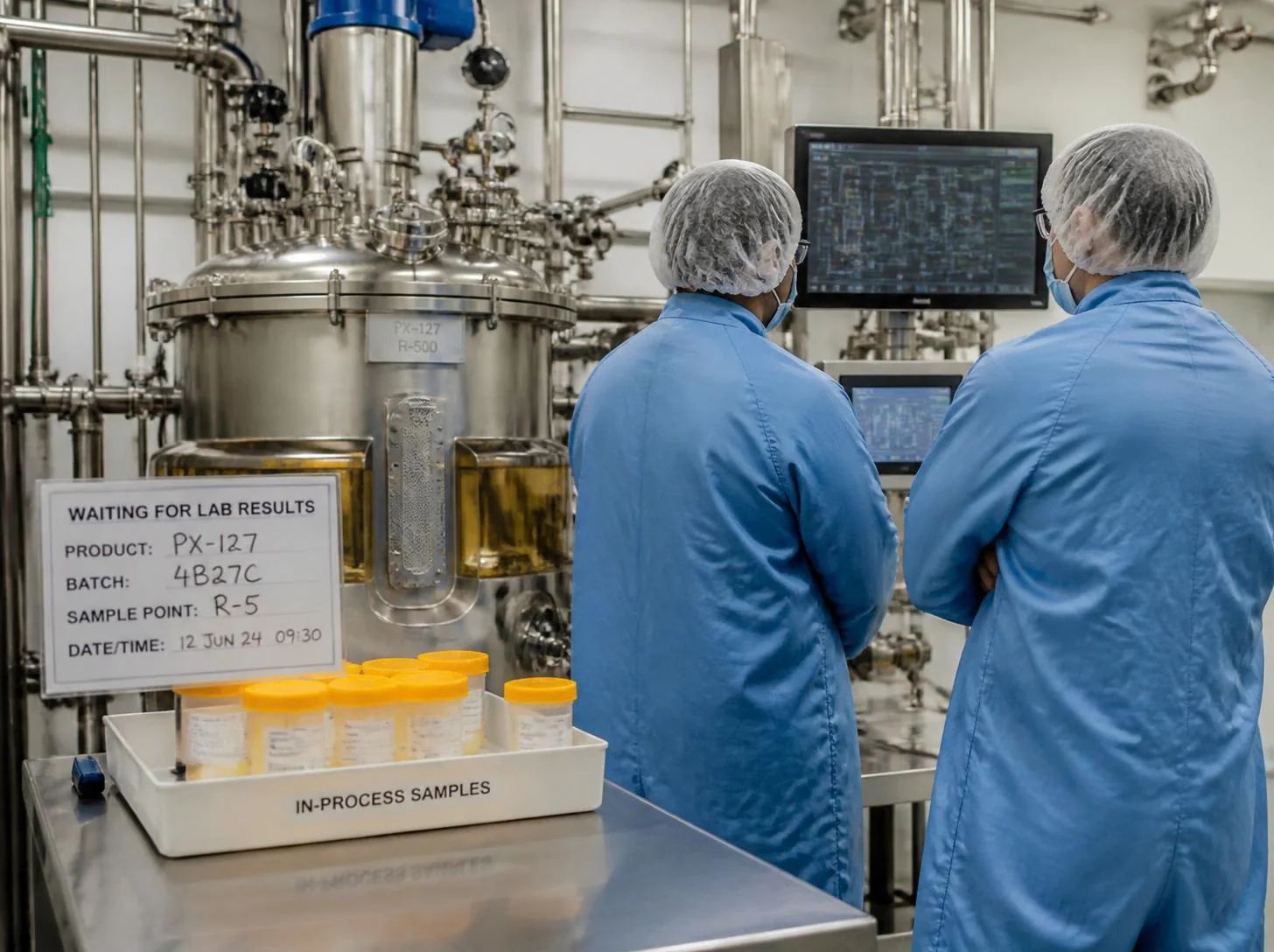
    Lab results can arrive hours after a batch is complete.

  • 02

    Yield losses and deviations may already be locked in.

  • 03

    Predict the batch outcome while there is still time to act.

The problem

The batch is analyzedafter the outcome is already set.

Pharmaceutical chemical synthesis involves multi-step processes where raw-material quality, reaction conditions, temperature, pressure, concentration, agitation and catalyst state can affect the final result. Sampling and laboratory analysis often provide critical quality information only after a batch has progressed or completed. By then, low-yield or off-spec outcomes can already mean rework, scrap, extended cycles and delayed release.

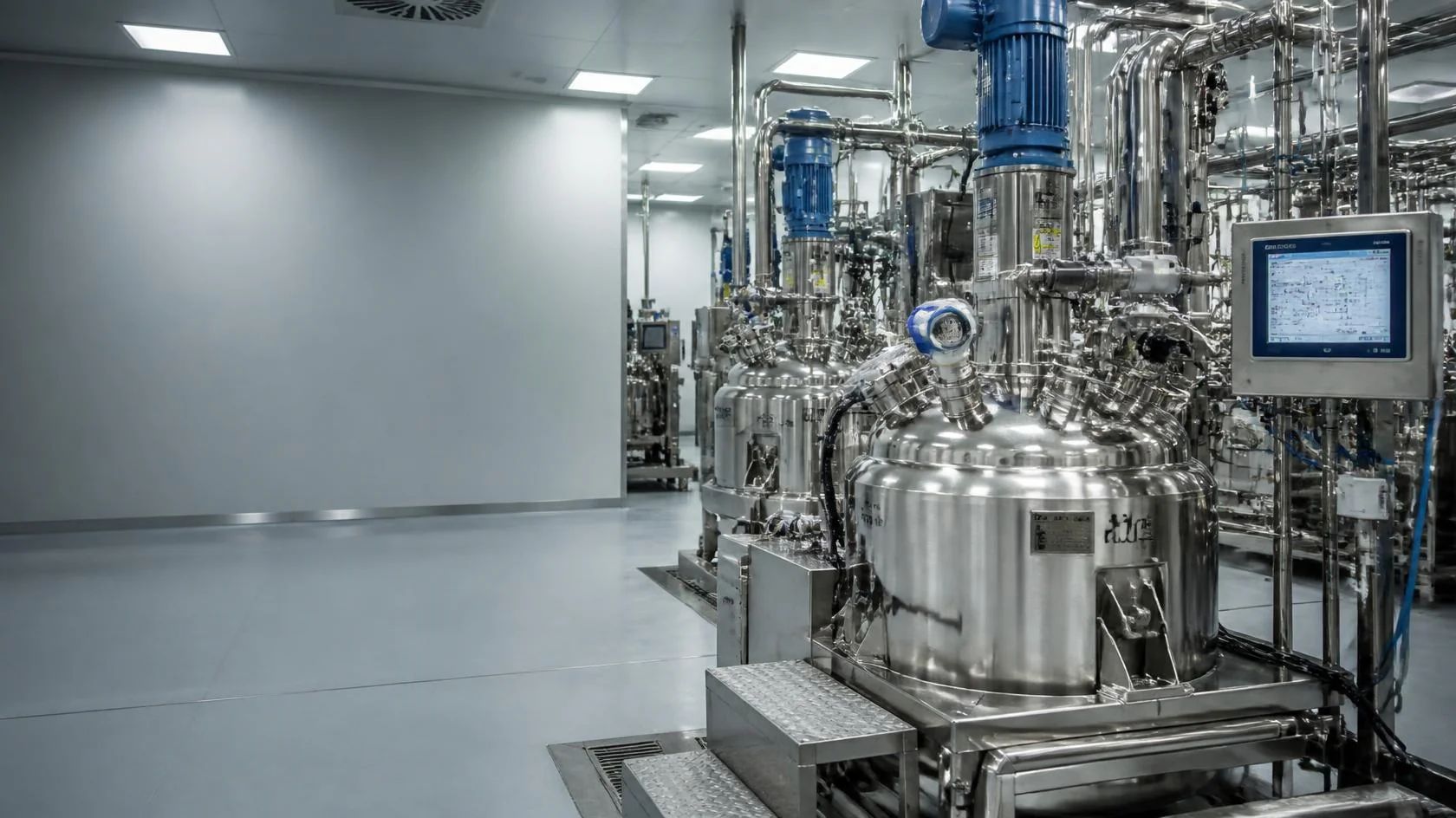
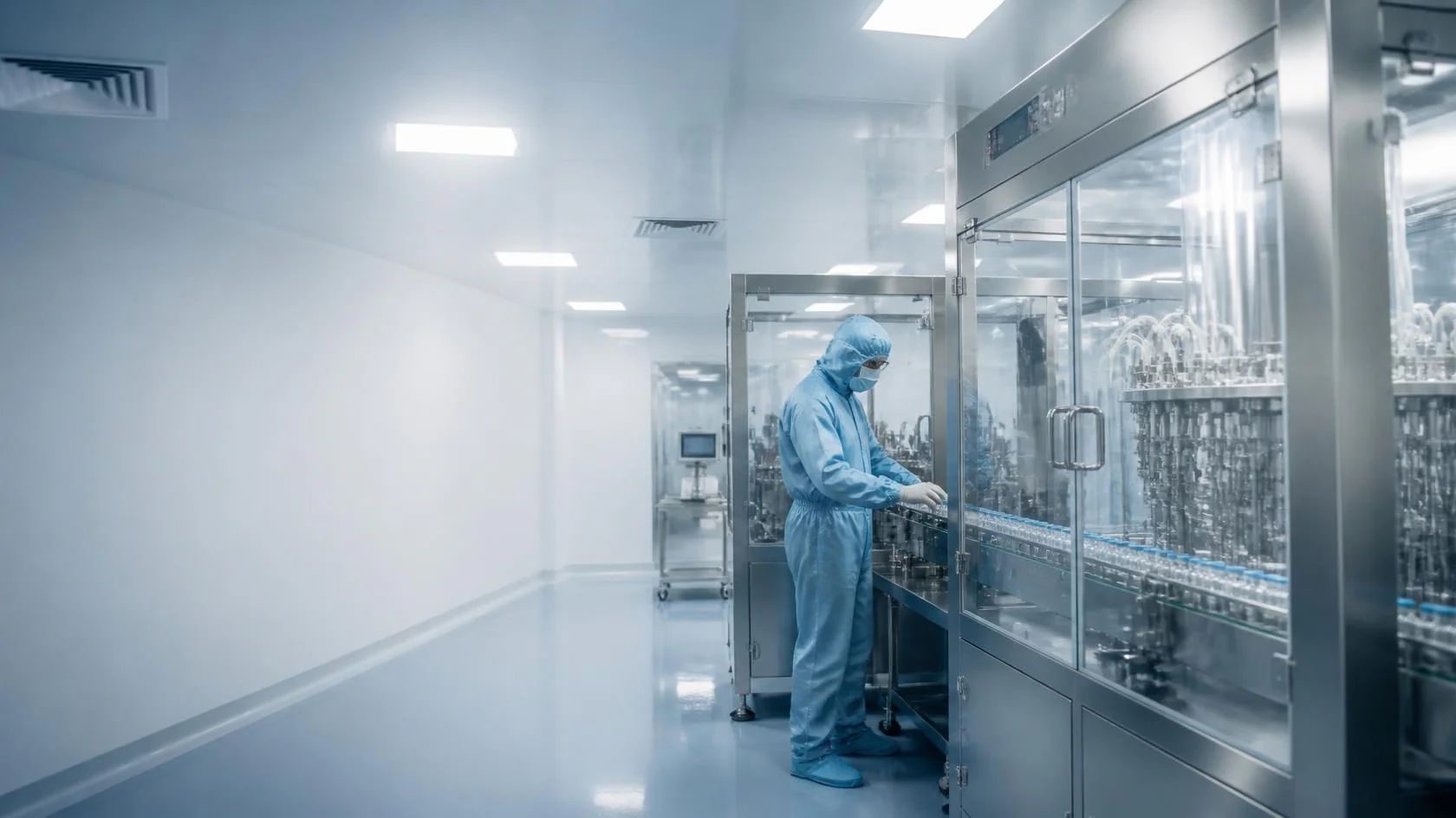
Pharmaceutical manufacturing process and batch production operations
01
02
03
  • 01Batch variability
  • 02Late quality insight
  • 03Manual batch analysis

The shift

From analyzing completed batchesto predicting the batch in progress.

Process and quality teams stay responsible for every intervention. What changes is whether the likely yield and deviation from successful batch behavior are visible while the batch is still running.

Today

Understand the result after production

  • Sampling and laboratory analysis provide yield and quality information after the process has progressed.
  • Engineers manually compare historical batches to understand deviations.
  • Low-yield or off-spec outcomes can consume additional materials, time and capacity.
With INSUS

See the likely outcome while the batch is running

  • Current process conditions are combined with historical batch, raw-material and quality data.
  • Likely batch yield and deviations from successful batch behavior can be flagged for review.
  • Process teams get earlier decision support without automatic control changes.

How it works

From batch datato earlier production decisions.

This fits OptiStudio as process and quality decision support beside existing MES, historian and LIMS systems. Access is read-only. It does not automatically change pharmaceutical process parameters.

  1. Connect

    Bring the batch data together

    Connect read-only to DCS/SCADA, process historians, LIMS, MES, raw-material information, batch records and other available production and quality data.

  2. Understand

    Learn from successful batches

    Analyze historical batch behavior, process variables, raw-material characteristics and quality outcomes to identify relationships associated with high-yield and successful production.

  3. Predict

    Predict the batch yield

    Estimate the likely batch yield as production progresses and detect multivariable deviations that may indicate a potential yield or quality problem.

  4. Advise

    Recommend investigation options

    Provide actionable recommendations based on predicted outcomes and process deviations, helping process teams evaluate adjustments before implementing them under existing quality procedures.

  5. Verify

    Compare prediction with the actual batch

    Compare predicted yield with actual batch and laboratory results so the model can be validated and refined for the specific product and synthesis line.

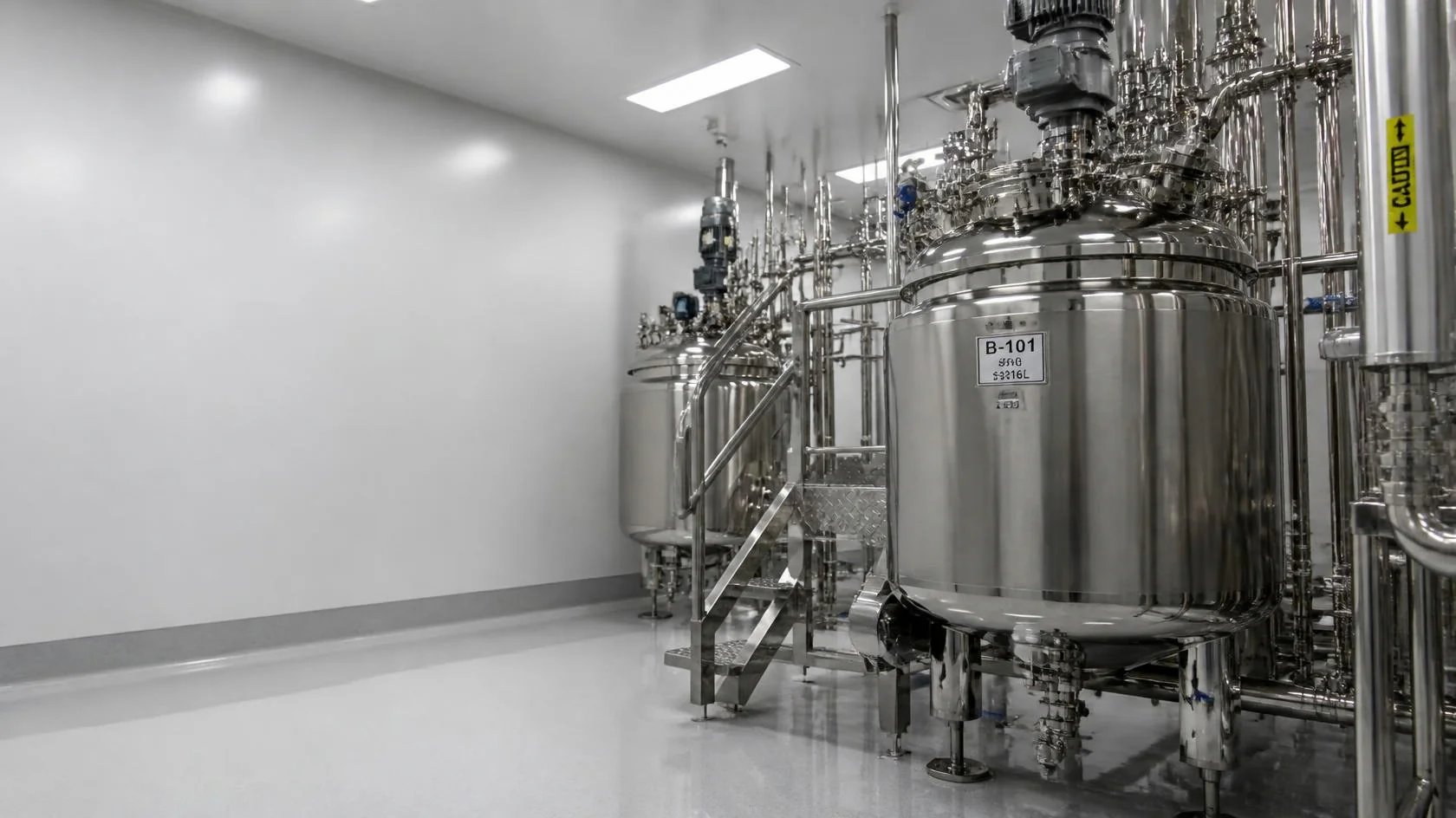
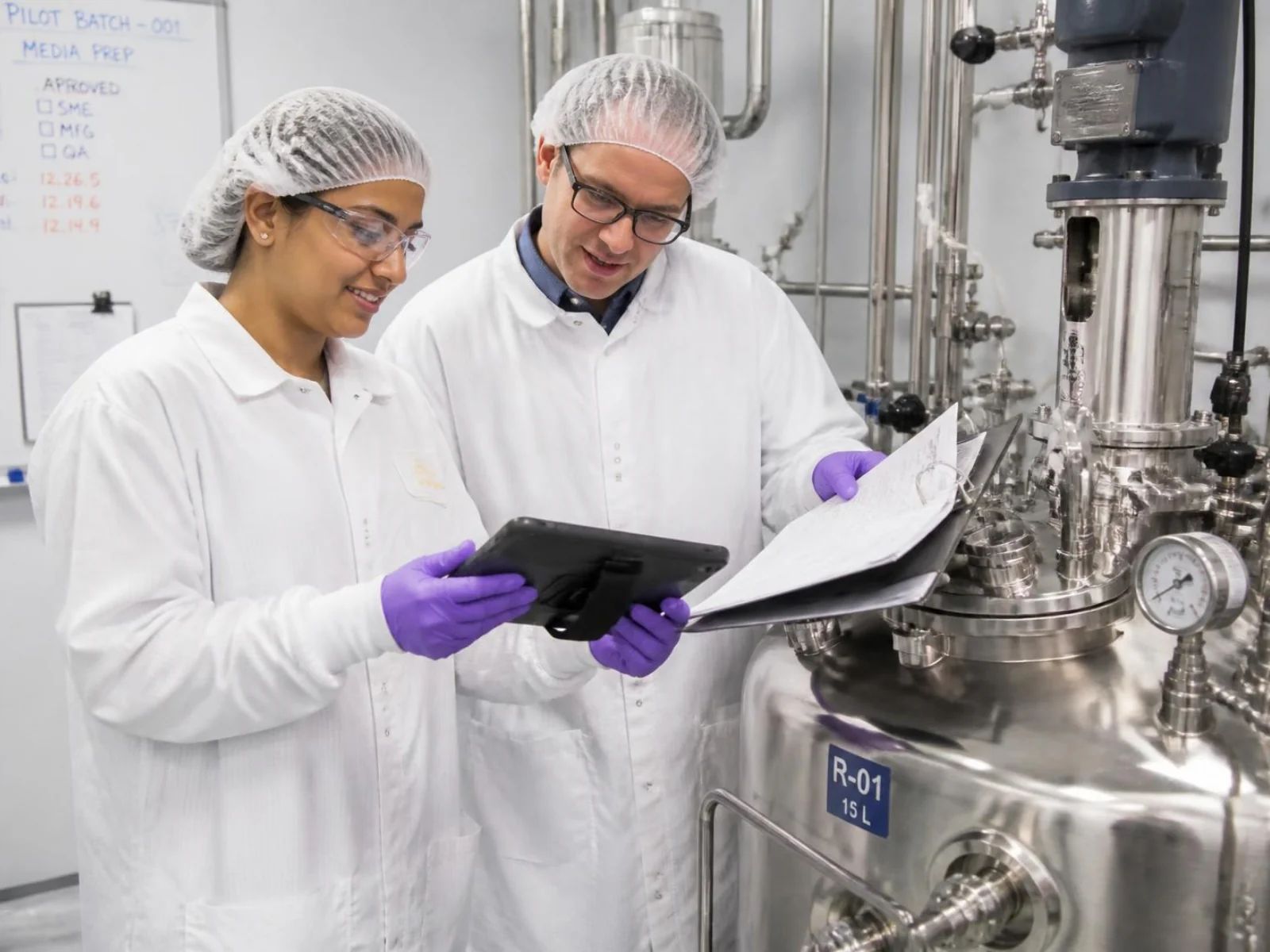
Pharmaceutical manufacturing team reviewing batch yield predictions and process insights

Getting started

Start with one product lineand the batches you already run.

For pharmaceutical manufacturers that already collect batch, process, raw-material and quality data. Delivered through OptiStudio as batch-yield decision support. Expert Services can help with data assessment and validation. Advisory and read-only. Implementation must fit applicable pharmaceutical quality and validation requirements.

  • What we need. Historical batch records, process historian data, DCS/SCADA signals, LIMS quality results, MES batch information and relevant raw-material characteristics. Successful-batch reference profiles strengthen deviation detection.
  • What you see first. One synthesis process or product line: a back-test of predicted yield against historical batches before any live recommendation enters the process workflow.
  • Where the limits are. Does not automatically change process parameters. Qualified operators and engineers review every recommendation. Model performance is product- and process-specific and must be validated in the manufacturing environment.
Explore OptiStudio

Questions pharmaceutical manufacturers ask us

Yield and quality insight often arrive after a batch has progressed. This use case predicts likely batch yield and flags deviations from successful batch behavior while production is still underway.

Historical batch records, DCS/SCADA and historian data, LIMS quality results, MES batch information and relevant raw-material characteristics. No new sensors when those systems already exist.

No. It is decision support. Qualified operators and engineers review every recommendation, especially where regulatory and process-safety considerations apply.

A golden batch is a successful batch behavior used as a reference profile. The current batch can be compared against that profile to identify meaningful deviations for investigation.

Implementation should be designed around the applicable pharmaceutical quality, change-control and validation requirements of the manufacturing environment. The system does not replace those controls.

Through OptiStudio as process and quality decision support. Expert Services can support data assessment, integration and validation with your process and quality teams.

Performance depends on reliable batch and process history. Recommendations are product- and process-specific. The system does not guarantee yield improvement or replace laboratory release decisions.

Pharma · Batch yield prediction

Don't wait for the lab to tell you what the batch became.

Use your own process and batch history to predict yield while production is underway, identify deviations from successful batch behavior and give process teams earlier insight before the outcome is locked in.