Keep every processcloser to its optimum.

INSUS analyzes process, production, quality and energy data to recommend operating parameters as equipment, feedstock and conditions change, helping teams balance efficiency with quality and throughput targets. Process teams keep the decision.

  • 01

    Parameters drift as equipment, feedstock and conditions change.

  • 02

    Static setpoints can waste energy or reduce performance.

  • 03

    Recommendations stay within validated process limits.

The problem

Process parameters driftaway from the operating optimum.

Pharmaceutical manufacturing is energy-intensive and depends on precise conditions across HVAC, drying, mixing, compression and other operations. Parameters can move away from optimal ranges as equipment fouls, feedstock varies, catalyst ages or production requirements change. Fixed setpoints and slow manual adjustments can mean higher energy use, more variability, lower throughput or shifts in critical quality attributes before anyone responds.

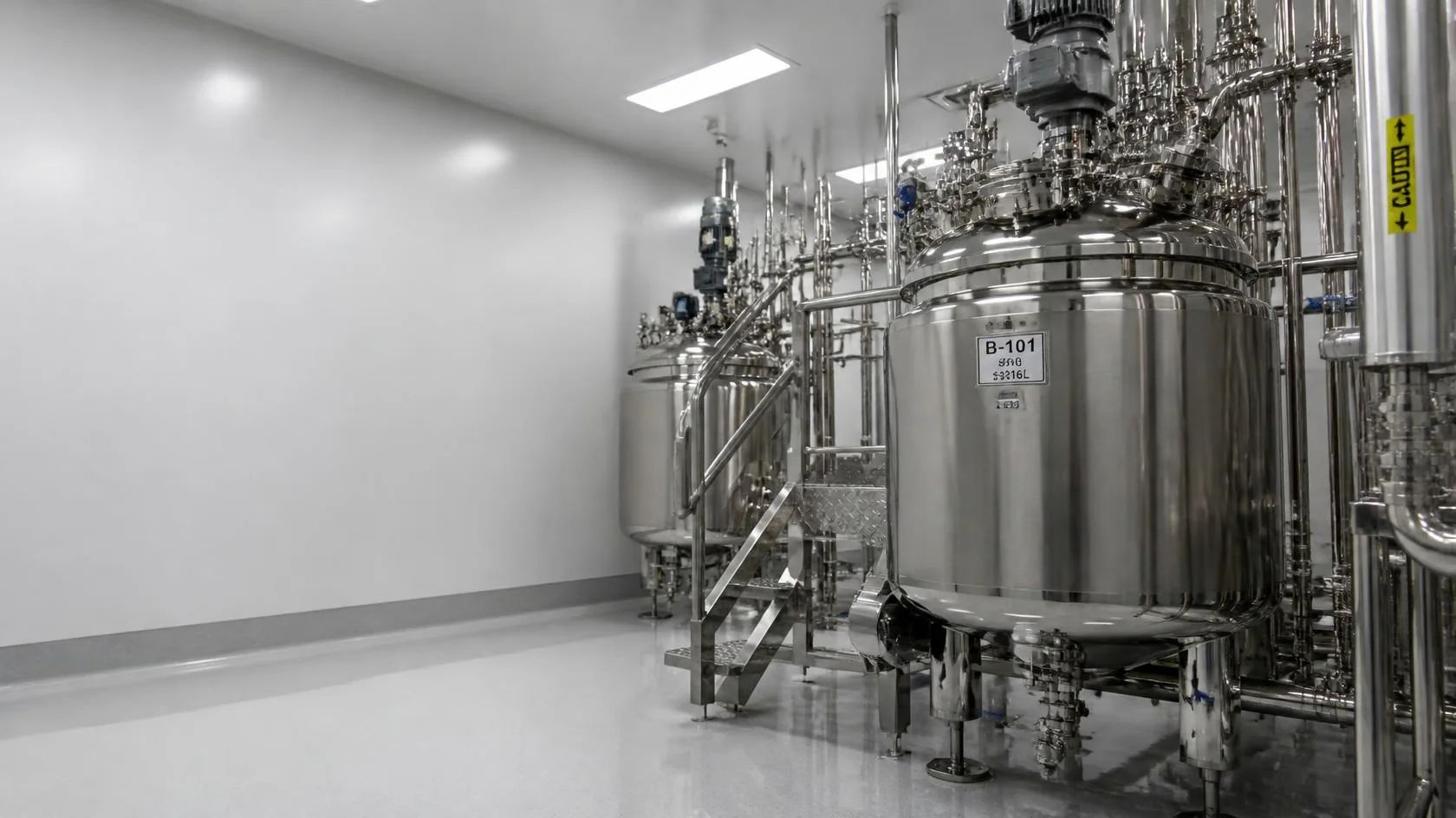
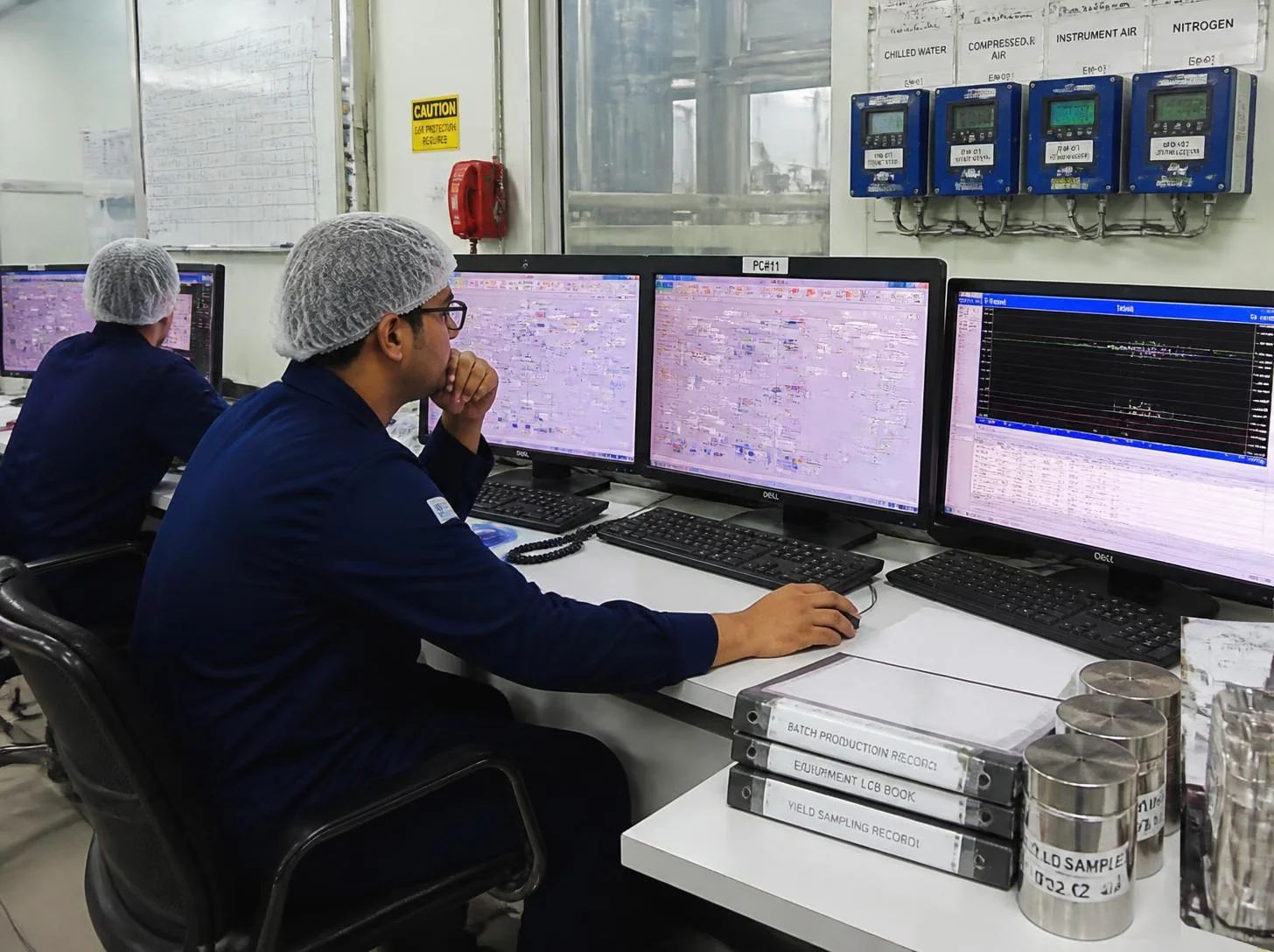
Pharmaceutical manufacturing process with changing operating parameters
01
02
03
  • 01Parameter drift
  • 02Static setpoints
  • 03Efficiency trade-offs

The shift

From fixed process settingsto data-informed parameters.

Operators and process engineers stay responsible for every setpoint change within validated limits. What changes is whether recommended parameters reflect the current process state, not only the last campaign's defaults.

Today

Adjust when the process moves

  • Teams work from established setpoints, rules and process limits.
  • Drift may only show up after energy, quality, yield or throughput has changed.
  • Manual adjustments can favor conservative operation over continuous optimization.

With INSUS

Optimize for current conditions

  • Process, energy, production and quality data are analyzed for the current operating state.
  • Parameter drift and likely performance impact can be flagged for review.
  • Teams get advisory recommendations that respect validated constraints.

How it works

From live process datato better operating parameters.

This fits OptiStudio as process and energy decision support beside existing DCS and quality systems. Access is read-only. It does not automatically change validated process parameters.

  1. Connect

    Bring process and production data together

    Connect read-only to DCS, PLCs, SCADA, historians, LIMS, MES, process instrumentation and energy or utility data already available to the plant.

  2. Understand

    Learn what drives performance today

    Analyze relationships between process variables, energy behavior and quality or production outcomes for the specific unit or line.

  3. Detect

    Flag parameter drift

    Identify deviations from expected or optimal operating behavior and patterns that may affect quality, yield or energy performance.

  4. Advise

    Recommend better parameter settings

    Recommend parameter combinations expected to improve energy efficiency, yield or throughput while staying within validated quality and safety constraints.

  5. Verify

    Compare recommendations with actual results

    Compare predicted and actual energy, quality and production outcomes so the model can be validated and refined for the specific process and product.

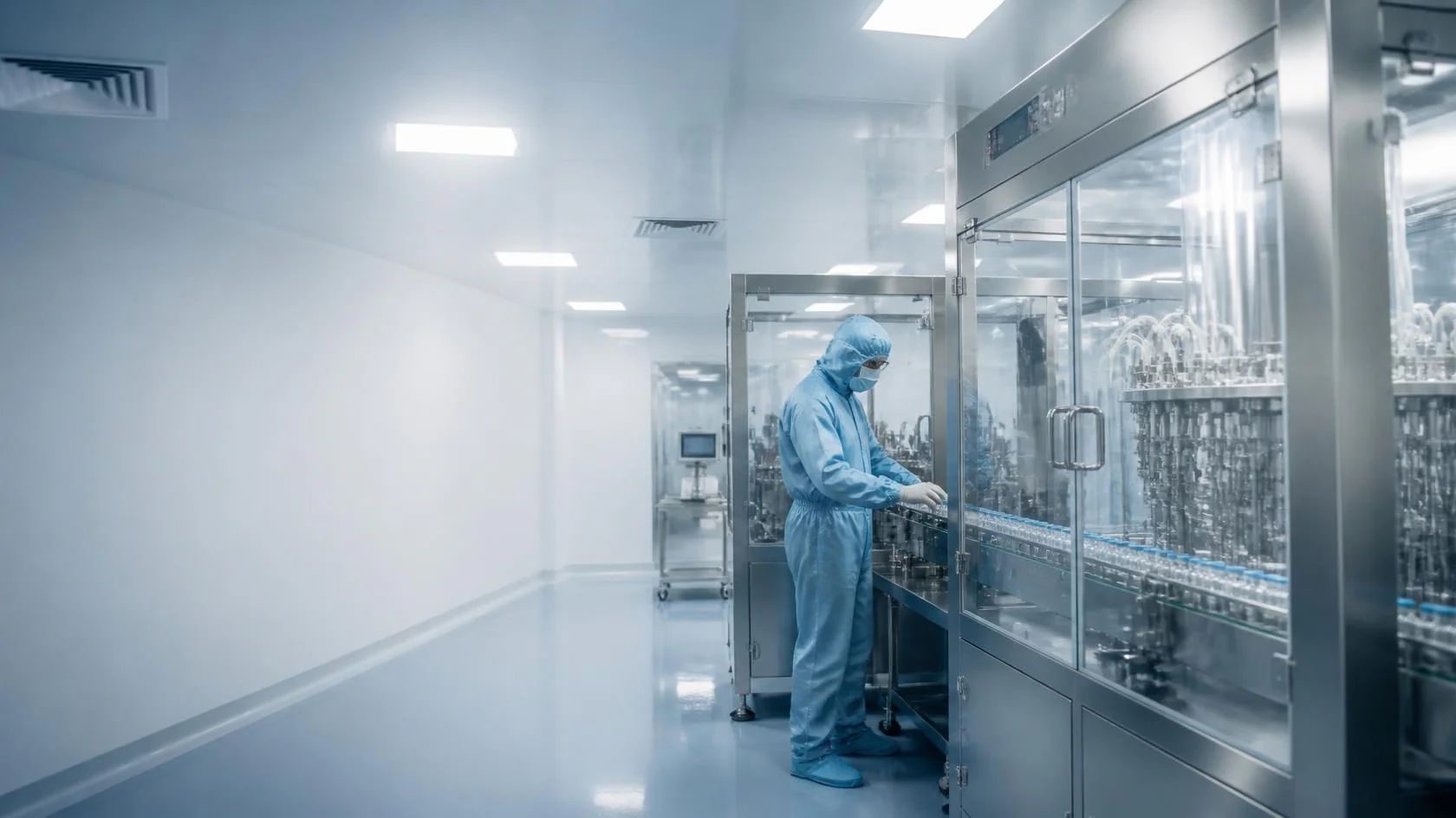
Pharmaceutical manufacturing team reviewing process parameter recommendations

Getting started

Start with one energy-intensive processand the data you already keep.

For pharmaceutical manufacturers that already collect process, quality and energy data. Delivered through OptiStudio as process decision support. Expert Services can help with data assessment and validation. Advisory and read-only. Implementation must fit applicable quality and validation requirements.

  • What we need. DCS, PLC, SCADA and historian data, process instrumentation, energy and utility data, LIMS quality results, MES production records and relevant equipment or environmental context.
  • What you see first. One high-impact process area such as HVAC, drying or another energy-intensive unit: a back-test of recommendations against historical performance before any live suggestion enters the operating workflow.
  • Where the limits are. Does not replace the control system or bypass validated limits. Qualified personnel review every recommendation. Closed-loop changes are out of scope for initial deployment.
Explore OptiStudio

Questions pharmaceutical manufacturers ask us

Process parameters drift as equipment and conditions change. This use case flags drift and recommends operating parameters for process-team review within validated constraints.

Energy-intensive areas such as HVAC, drying, mixing and compression are common starting points. Suitability depends on available data, validated limits and measurable objectives for the unit.

DCS, SCADA, historian, LIMS, MES, process instrumentation and energy data. No new sensors when those systems already exist.

No. Initial deployment is advisory. Qualified operators and engineers review every recommendation, especially where regulatory and validation requirements apply.

Yes. Recommendations can consider multiple objectives, but energy reduction is not treated as the only goal. Validated quality and process constraints stay in force.

Through OptiStudio as process and energy decision support. Expert Services can support data assessment, integration and validation with your process team.

Performance depends on reliable process and quality history. Recommendations are process-specific. The system does not guarantee energy savings, yield gains or replace change-control and validation procedures.

Pharma · Process parameter optimization

Don't optimize yesterday's settings for today's process.

Use your own process and energy data to understand changing conditions and give teams a data-informed basis for parameter decisions within validated operating constraints.