Power industry

Where the megawatt-hourpays for the miss

Units already follow dispatch. Fuel is burned whether heat rate is tight or loose. Forced outages and derates show up after the market has already moved. The plant still has to deliver.

  • 01

    Degradation seen through the weather that hides it

    Correct output and heat rate for ambient conditions using data the unit already logs, so recoverable fouling is visible instead of buried in the day-to-day swing.

  • 02

    The outage taken when it pays for itself

    Price accumulating loss in lost MW and fuel against the cost of the wash and its outage, so wash timing is argued with numbers rather than the calendar.

  • 03

    The damage a start imposed, while it is still a decision

    Reconstruct what each transient did to the components from historian data, so cycling duty reaches dispatch and inspection planning rather than the next outage report.

On the unit and in the control room

The margin is decided inside the cycle

Power plants lose money in three places that rarely share one screen: heat rate that drifts at part load, a forced outage found after the unit trips, and an auxiliary or cooling problem that only shows up in the month-end fuel bill. Most of that is already in DCS, EMS, historians and CMMS — after the fact.

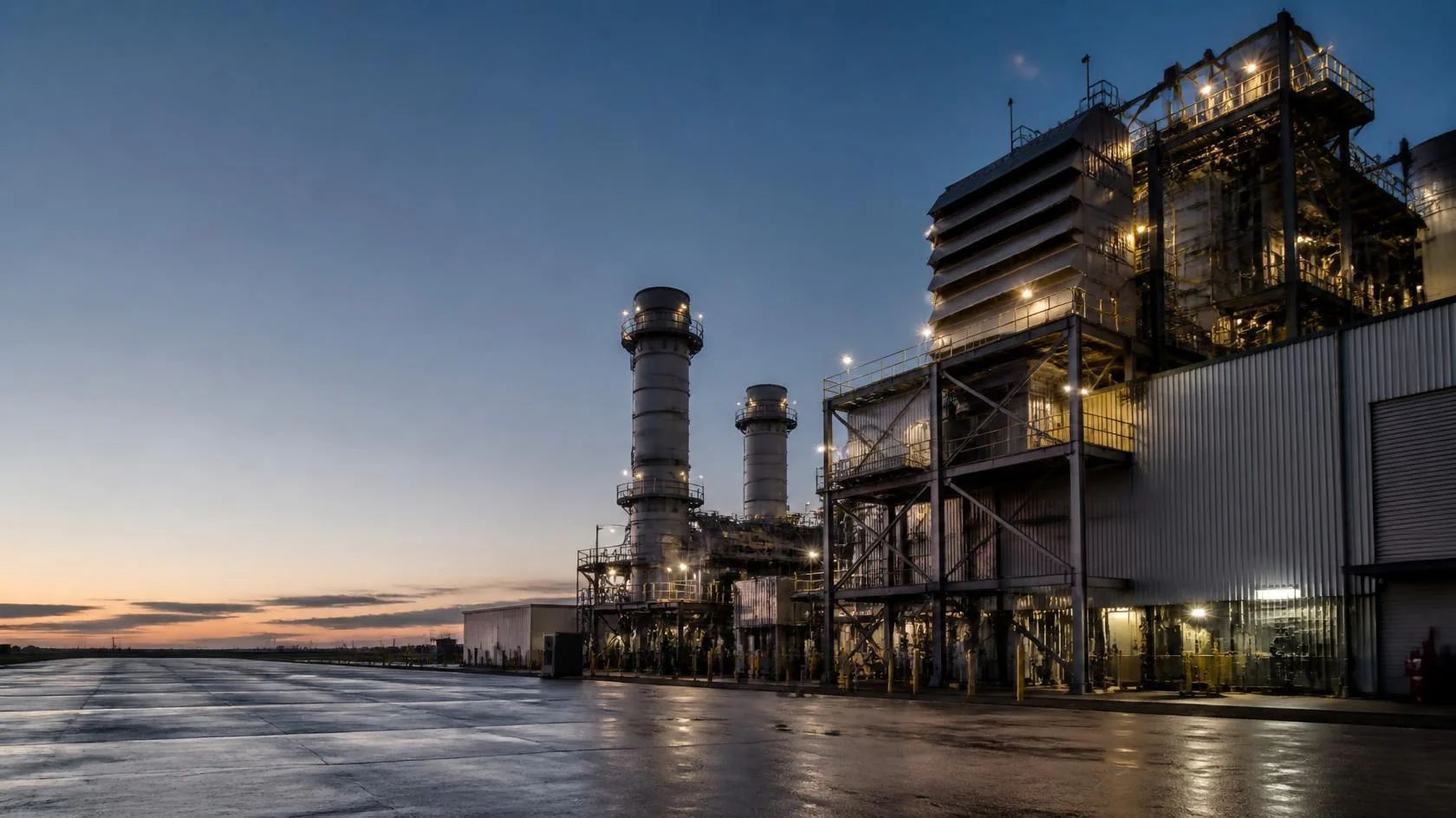
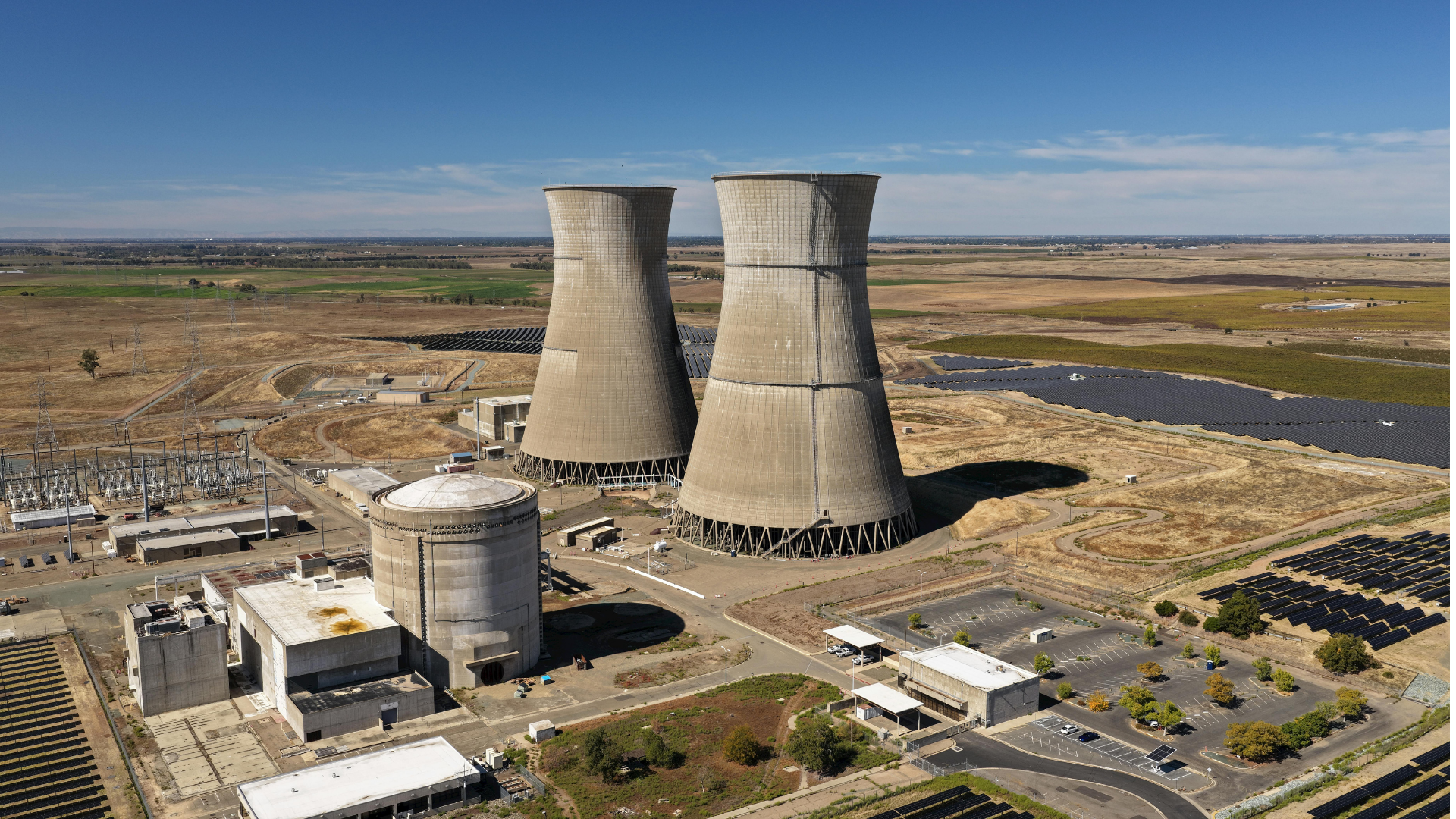
Power plant generating units and steam cycle equipmentThe cycle

Heat rate is the fuel bill written into every operating hour

Average fleet heat rates still leave room between best achievable and how the unit is actually run. When load, ambient and fuel quality move and setpoints stay conservative, Btu/kWh rises quietly for the whole shift.
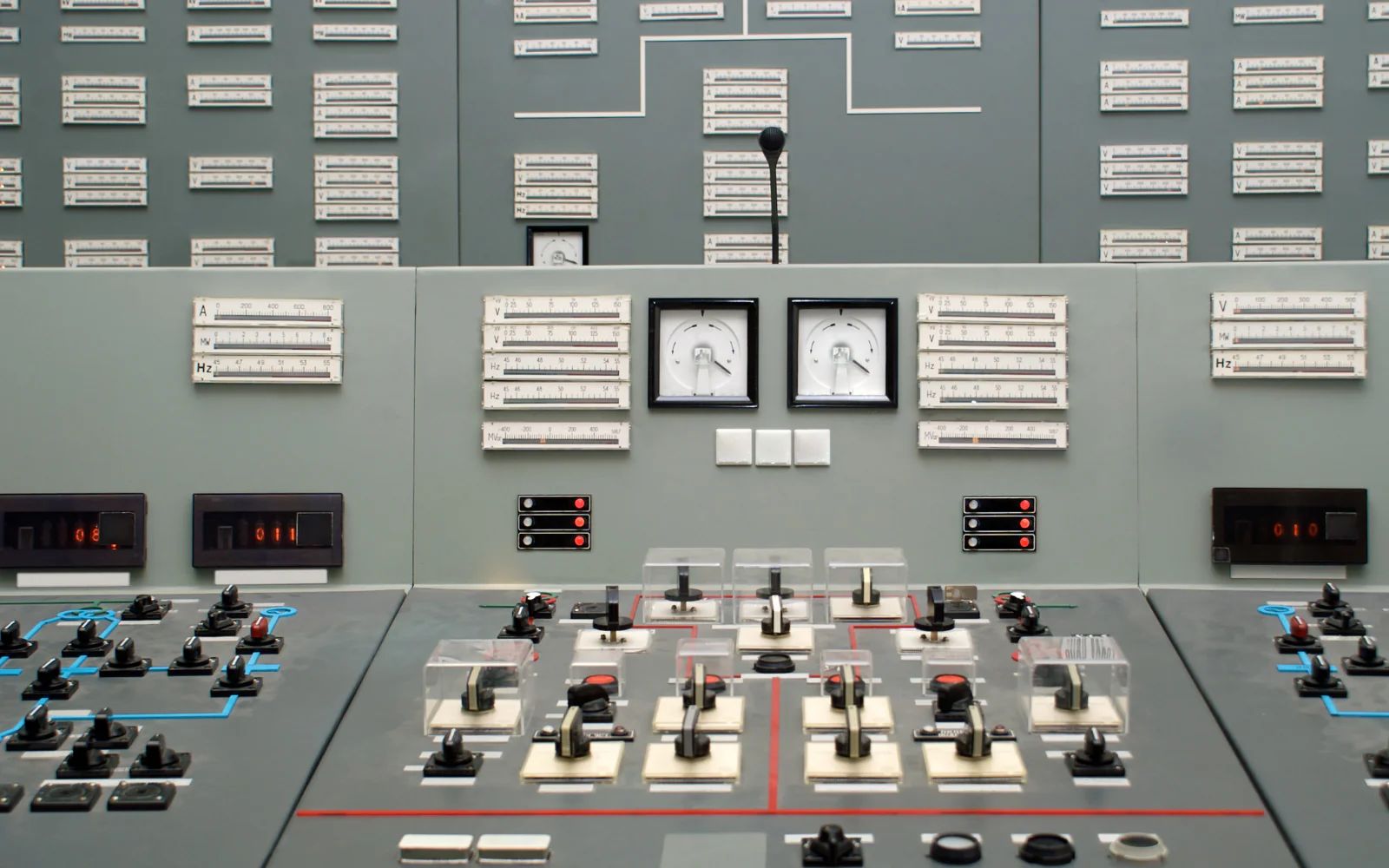

Generation availability and outage monitoring recordsAvailability

Forced outages and derates decide whether capacity is real

Equivalent forced outage rates on demand vary widely by technology and region. A trip or derate does not only cost repair — it costs replacement power, lost market position and a clearance sequence that must still be executed correctly.

Outage and switching procedure documents for power plantsThe record

Outage and switching steps still live outside the event

Isolation, LOTO and restoration sheets often sit in shared drives while the unit is already offline. When the approved sequence is hard to find, shifts and contractors invent the next step under pressure.

Buying replacement power is the easy correction. It is also how the day is spent.

INSUS works from unit and auxiliary tags, dispatch context, work orders and equipment logs a plant already keeps. If the gap is an unread alarm, a drifting heat-rate band, or an outage sheet that never joined the event, that is what we will say. Recommendations stay advisory. Existing DCS, EMS and plant controls stay in charge.

Explore the possibilities

Industry figures

The scale of what is being decided

Four external figures, each with its source. Nothing on this page is an estimate we made up. Where we cannot cite a number, we describe the situation in words instead.

Forced outage

0.15–5.85%

EFORd range reported for combined-cycle resources across FERC Common Metrics respondents (2023 report) — showing how much availability can differ by region and fleet even within one technology class. Coal and oil steam units showed much higher ranges in some ISOs.

Source: FERC, 2023 Common Metrics Report

Customer impact

$121B

estimated cost of major U.S. power outages to electricity customers in 2024 in Oak Ridge National Laboratory analysis — up from a seven-year average above $67 billion, with major outage counts rising about 40% from 2018 to 2024. A generation-side reminder that unavailable capacity has consequences beyond the plant fence.

Source: Oak Ridge National Laboratory / U.S. DOE, analysis of major outage customer costs

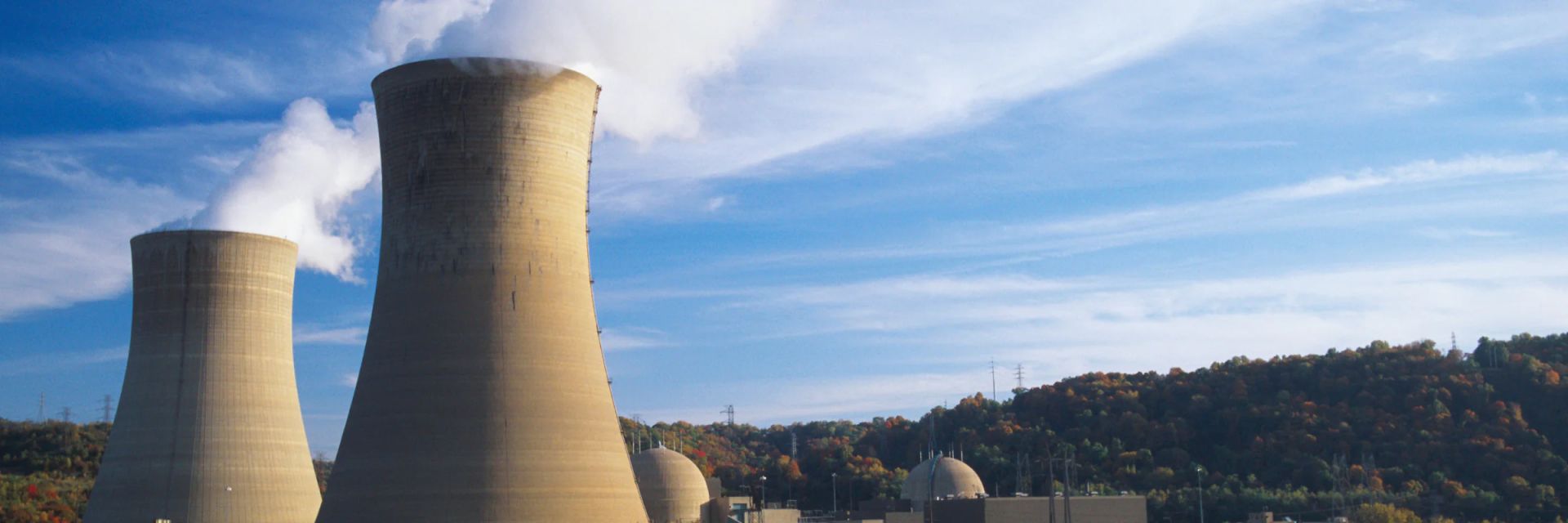
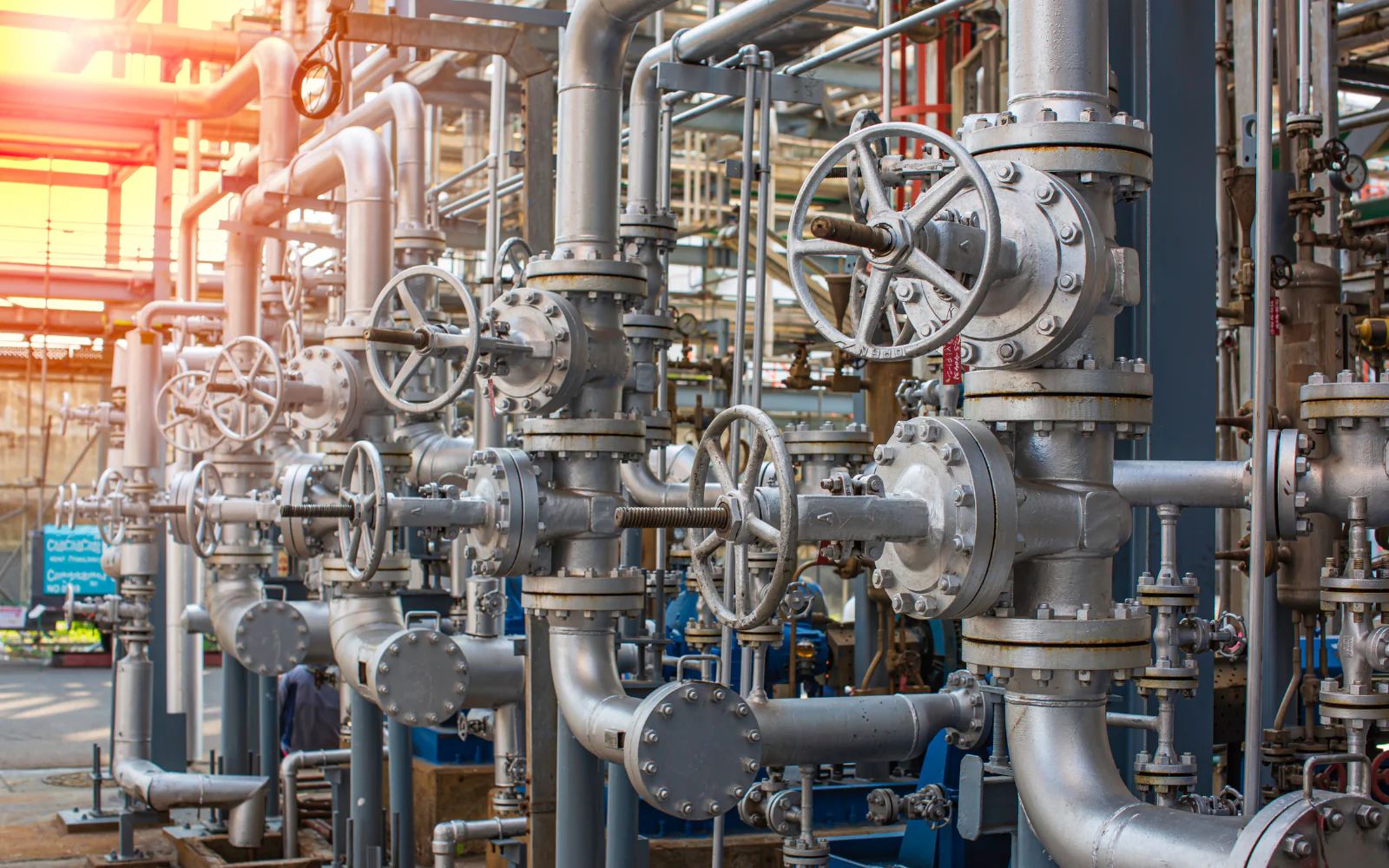
Power plant boiler, turbine and cooling operations

Common problems

Problems that cost you before you notice

None of these show up as a single alarm. They show up in the wash that returned less than the last one, the start paid for years later, and the shutdown that may not have been necessary.

  1. Wash intervals are set by the calendar, not by what they return

    Wash too often and outage hours and water are spent for little. Wash too late and the megawatts are already gone. Without knowing what past washes actually recovered, the interval stays a guess either way.

    See: Compressor Fouling & Wash Economics
  2. A start is costed on fuel, and paid for years later

    Units designed for baseload now start, stop and ramp as routine duty. The fuel and staff time are visible immediately; the thermal damage the transient imposed only appears at a later inspection or in a forced outage.

    See: Cycling Damage & Start-Up Optimization
  3. The unit shuts down because nobody knows how low it can go

    Minimum load is usually a commissioning figure held with margin, because crossing a CO limit is unacceptable. When prices fall, shutdown becomes the default — and the plant pays for a start that may not have been necessary.

    See: Minimum Emissions-Compliant Load

Use cases

Places worth a closer look

Each is a specific starting point — this unit, this wash history — and a next conversation if it is worth your time.

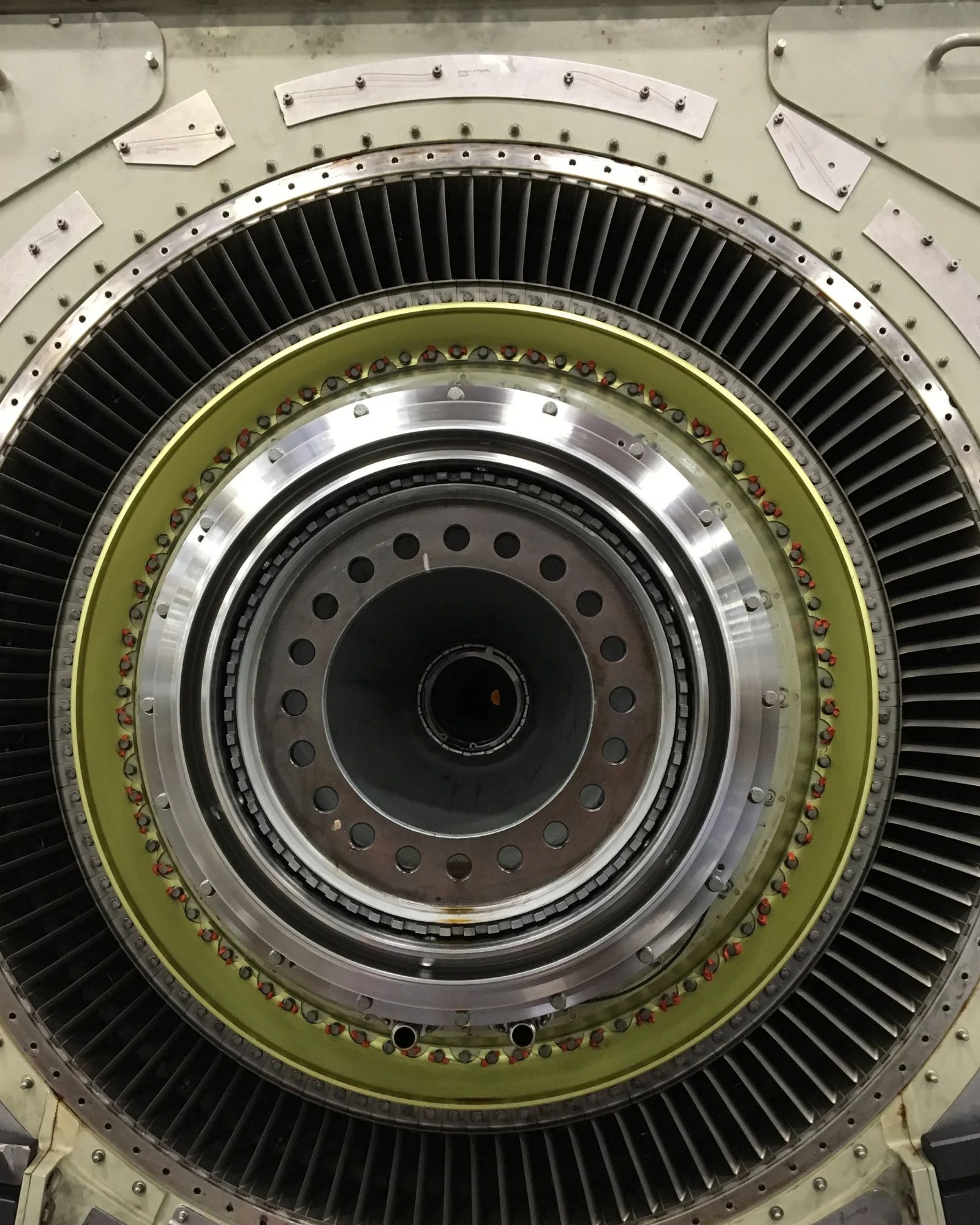
Gas turbine generating unit in continuous operation
Generation

Compressor Fouling & Wash Economics

Track gas turbine compressor fouling on an ambient-corrected baseline and time washes against lost MW, fuel and outage cost. Advisory only.

See the full use case
Thermal generating unit during a start-up ramp
Asset life

Cycling Damage & Start-Up Optimization

Track cycling damage per component from historian transients and evaluate start-up ramps against time-versus-damage for dispatch and maintenance review. Advisory only.

See the full use case
Combined cycle unit operating at low load with emissions monitoring
Compliance

Minimum Emissions-Compliant Load

Predict CO, NOx and steam-side behaviour at low load to find a combined-cycle unit's real minimum compliant load for operations review. Advisory only.

See the full use case

FAQ

Questions that come up in every first call

A practical look at what INSUS needs, where it fits and what your team can expect.

The work that fits is the data a generating plant already produces: unit and auxiliary tags, heat-rate and CEMS records, work orders and equipment condition signals. Predictive Maintenance can start from signals you already log. Closed-loop unit control and automatic dispatch are not promises we will make on day one.

Energy & Utilities is the parent overview across power, grid, renewables, water and waste. Power focuses on generating units — heat rate, fuel burn and steam-cycle availability. Utilities focuses on transmission and distribution — outages, switching and substations.

Usually not for historians, DCS tags and maintenance. Most plants already have unit meters, CEMS and some auxiliary metering. If a critical transmitter has been drifting or a vibration point is unused, that comes before any model.

No. The person who knows this unit, this fuel and this plant stays responsible. The aim is to stop the next hour repeating the same heat-rate drift or trip precursor, and to flag a developing equipment issue before it stops the unit.

No. It advises the control-room or engineering team. Existing DCS, turbine controls and safety interlocks stay in charge of the loop. Protection systems are not touched.

No. Heat rate and availability depend on fuel, ambient, dispatch, equipment condition and operating practice. We will not invent a Btu/kWh or EFORd target for your fleet.

They are published U.S. fleet and market metrics — not measurements of your units. Your heat-rate reports, GADS-style availability records and work orders are the numbers that matter.

Yes. One combined-cycle block, one steam unit, or one cooling system is usually the practical start. Measure that, then decide whether to widen.

Contact

Talk to a power expert

  • 30 minA focused conversation about the power generation problem you are trying to solve. No sales deck.
  • OutcomeA practical view of whether INSUS can help, what data would be needed and where it makes sense to start.
  • We will first understand your current process, what information you have and where the biggest gap is.
  • If the right answer is a transmitter check, a procedure update, a maintenance action or an existing historian report, that is what we will tell you.

Request a call

We reply within one working day, from a person, with a proposed time.