Today
The damage is deferred to a later inspection
- Start cost is approximated from fuel and staff time.
- Hot, warm and cold starts are treated as counts rather than severity profiles.
- Ramp profiles are set for start time and procedure alone.

INSUS reconstructs what each start-up transient did to critical components from historian data you already hold, so cycling damage is visible while it is still a dispatch decision. Plant engineers keep the call.
01
Damage tracked per component, not per start count.
02
Ramp profiles evaluated inside OEM limits.
03
Advisory. The DCS keeps control of the ramp.
The problem
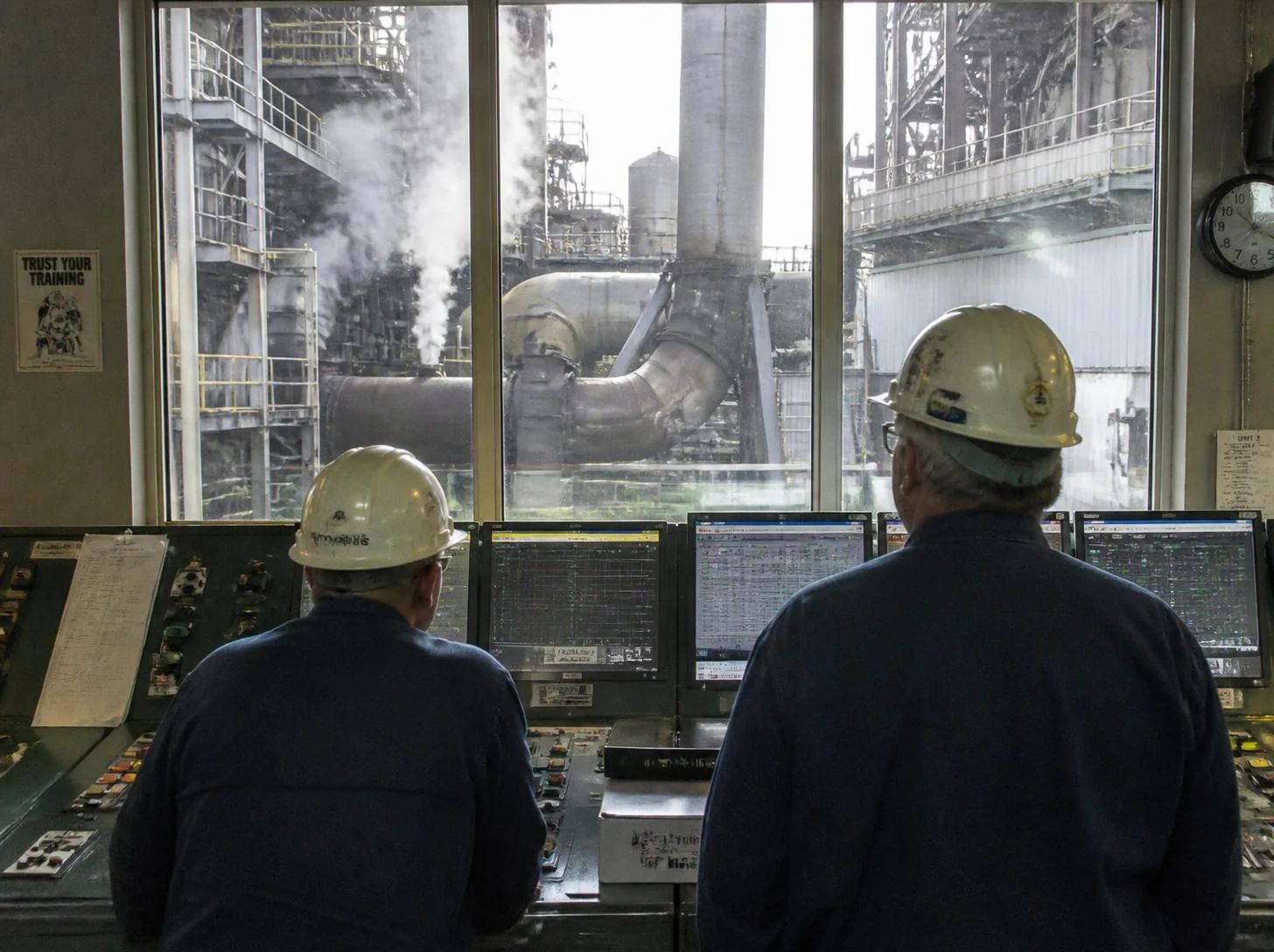
Thermal units built for baseload now face starts, shutdowns and load changes as routine duty. Fuel cost is visible immediately; thermal and mechanical damage may only appear at a later inspection or forced outage. Counting starts is not the same as knowing what a particular ramp at a particular severity consumed in component life.
The shift
The start still happens when dispatch says it happens. What changes is knowing what it consumed, and where.
Today
With INSUS
How it works
This fits OptiStudio as decision support beside existing plant systems. Access is read-only. The DCS remains responsible for ramp control.
Connect
Connect high-resolution historian data from start-ups, shutdowns and load changes with outage history, inspection records and OEM limits where they exist.
Understand
Analyse each transient against the unit's own history: temperature differentials, rates of change and load trajectories, rather than the nominal procedure alone.
Predict
Generate component-level damage indicators for critical equipment and project how accumulation could develop under an expected dispatch pattern.
Advise
Evaluate alternative ramp profiles, estimate relative damage by start type and show where damage is concentrating, within applicable OEM limits.
Verify
Compare modelled damage concentration with actual inspection findings and repairs. Where they conflict, inspection takes precedence and the model is recalibrated.

Getting started
For thermal and combined-cycle plants on flexible duty. Delivered through OptiStudio as cycling decision support. Expert Services can help with data assessment and validation. Advisory and read-only. Historian resolution through start transients matters.
Related for power
Cycling damage sits beside compressor wash economics and minimum emissions-compliant load on the same generating unit.
Cycling damage is incurred during a start but often surfaces years later. This use case tracks component-level damage indicators from actual transients and evaluates ramp profiles for engineering review.
High-resolution transient historian data, start logs, component metal temperatures, inspection findings and outage history. Adequate metal-temperature coverage matters; missing critical measurements lower confidence.
No. Formal remaining-life assessment involves engineering analysis, inspection evidence and OEM expertise. This informs operating and maintenance decisions between those assessments.
No. The DCS remains responsible for control. Plant engineering owns life, maintenance and operating decisions. Recommendations stay within OEM limits.
It can evaluate alternative ramp profiles and quantify the modelled trade between start time and damage. The operating decision stays with plant engineering and operations.
Through OptiStudio as cycling decision support. Expert Services can support data assessment, integration and validation with your plant team.
Historian resolution and temperature coverage bound the model. Inspection evidence is sparse. Published cycling-cost figures should not be treated as a cost estimate for your plant.
Power · Cycling and asset life
Reconstruct one unit's cycling history from the data you already hold, then compare it with what your inspections actually found.