Renewables industry

Where the available MWhpays for the miss

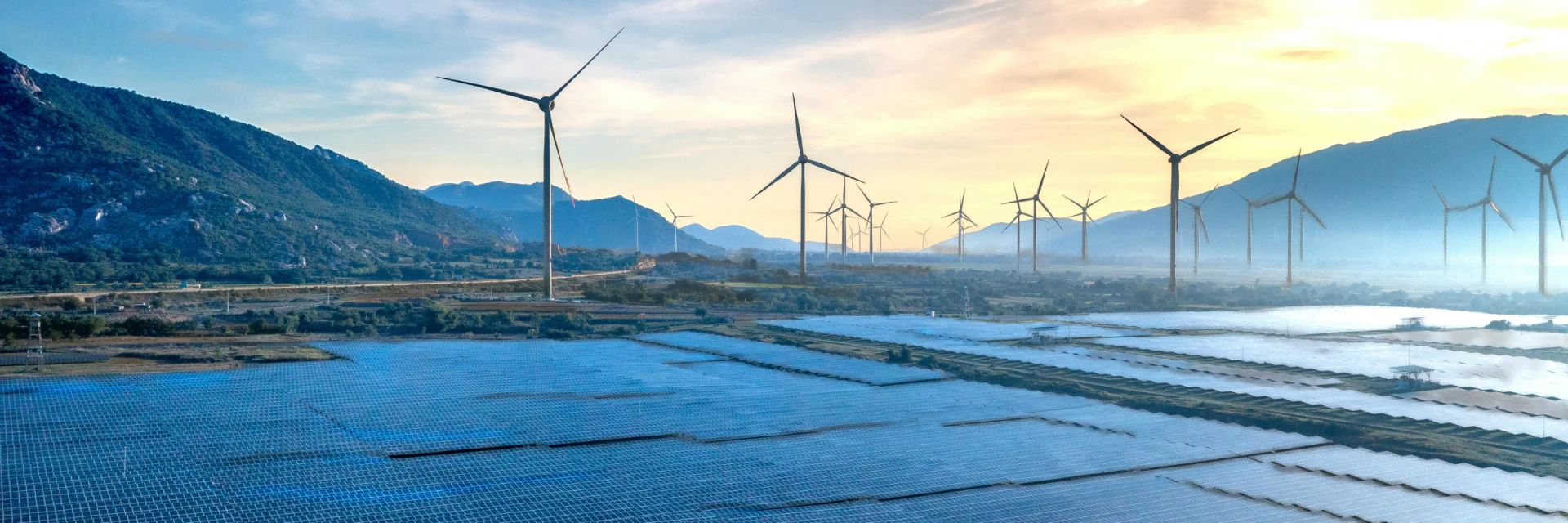
Wind and solar already produce when the resource is there. Curtailment, inverter trips and forecast error show up after the market has moved. The site still has to deliver what the grid will take.

  • 01

    Output for this resource hour, not last week's habit

    Read turbine, inverter and meteorological tags the site already logs, so conservative derates are not the only answer when wind, irradiance or temperature changes.

  • 02

    Curtailment and trips caught while the site can still respond

    Hold SCADA, congestion and work-order signals together — not only after available energy is dumped or a string goes dark for a shift.

  • 03

    The asset stop while the outage window can still be planned

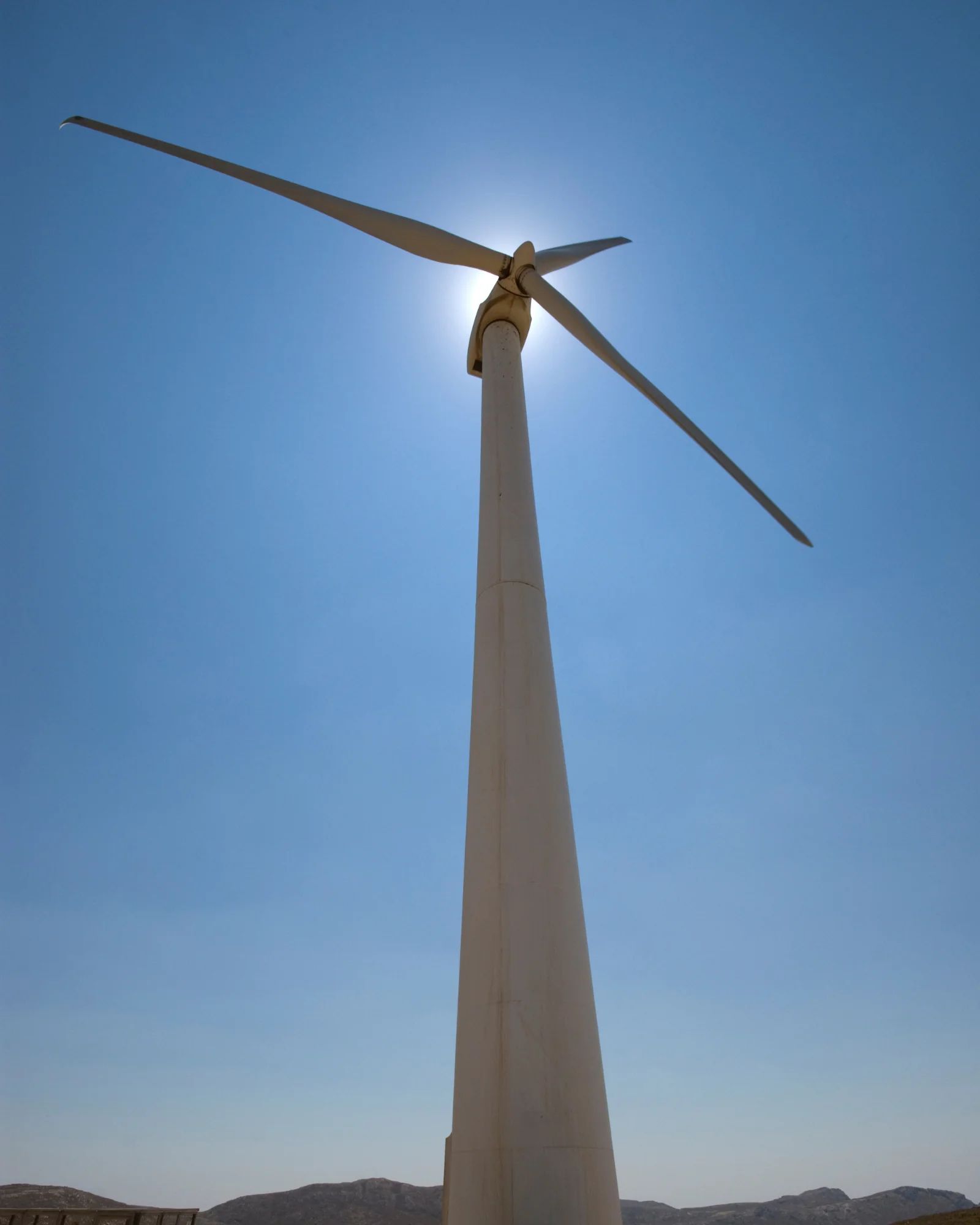
    Read gearbox, inverter, transformer and BESS signals already in the historian, so wear is flagged while a crane or crew day can still be scheduled.

On the site and in the control room

The margin is decided at the interconnection

Renewable fleets lose money in three places that rarely share one screen: energy curtailed when the grid cannot take it, capacity factor lost to downtime or soiling, and a forecast miss that leaves the next dispatch hour under- or over-committed. Most of that is already in SCADA, historians and CMMS — after the fact.

Wind and solar generation assets at utility scaleThe resource

Capacity factor is the resource written into every operating hour

U.S. utility-scale wind and solar capacity factors leave a wide gap between nameplate and delivered energy. When turbines sit offline, inverters trip, or arrays soil without a cleaning trigger, the lost MWh never show up as a single alarm — only as a weaker month.

Renewables curtailment and grid dispatch monitoringCurtailment

Available energy still gets left on the table

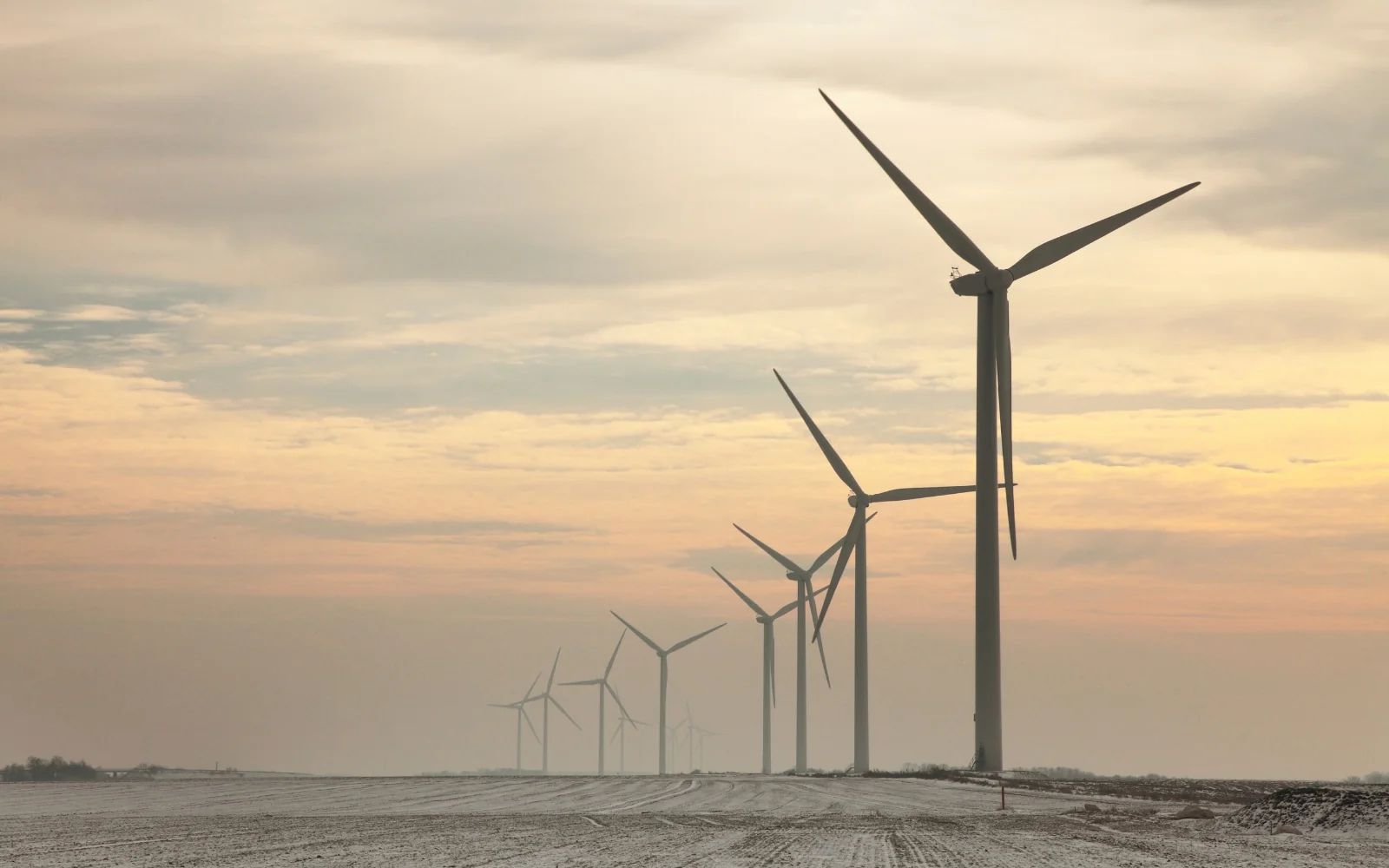
Grid operators increasingly curtail wind and solar when demand is low or transmission is congested. That is free or near-zero marginal-cost energy the site could have produced — and a signal that forecasting, storage timing and interconnection limits need to sit on one view.

Renewables O&M and switching procedure documentsThe record

O&M and switching steps still live outside the event

Turbine resets, inverter replacements and BESS clearances often sit in shared drives while the string is already offline. When the approved sequence is hard to find, contractors invent the next step under pressure.

Accepting the curtailment is the easy correction. It is also how the day is spent.

INSUS works from SCADA and met tags, curtailment events, work orders and equipment logs a site already keeps. If the gap is an unread inverter alarm, a soiling or wake loss, or an outage sheet that never joined the event, that is what we will say. Recommendations stay advisory. Existing plant controllers, EMS and grid instructions stay in charge.

Explore the possibilities

Industry figures

The scale of what is being decided

Four external figures, each with its source. Nothing on this page is an estimate we made up. Where we cannot cite a number, we describe the situation in words instead.

Solar O&M

~$22–24/kW-yr

NREL 2024 Annual Technology Baseline fixed O&M benchmark range for utility-scale PV (about $24/kWAC-yr in the 2022 base year and about $22/kWAC-yr reflecting 2023 benchmarks) — before site-specific soiling, inverter and BOS costs are counted.

Source: NREL, 2024 Electricity ATB — Utility-Scale PV

Wind, solar and storage operations at utility scale

Common problems

Problems that cost you before you notice

None of these show up as a single alarm. They show up in the clean that returned less than it cost, the curtailment report, and the crane that was called after the turbine had already stopped.

  1. A clean is sent before anyone can see what it returns

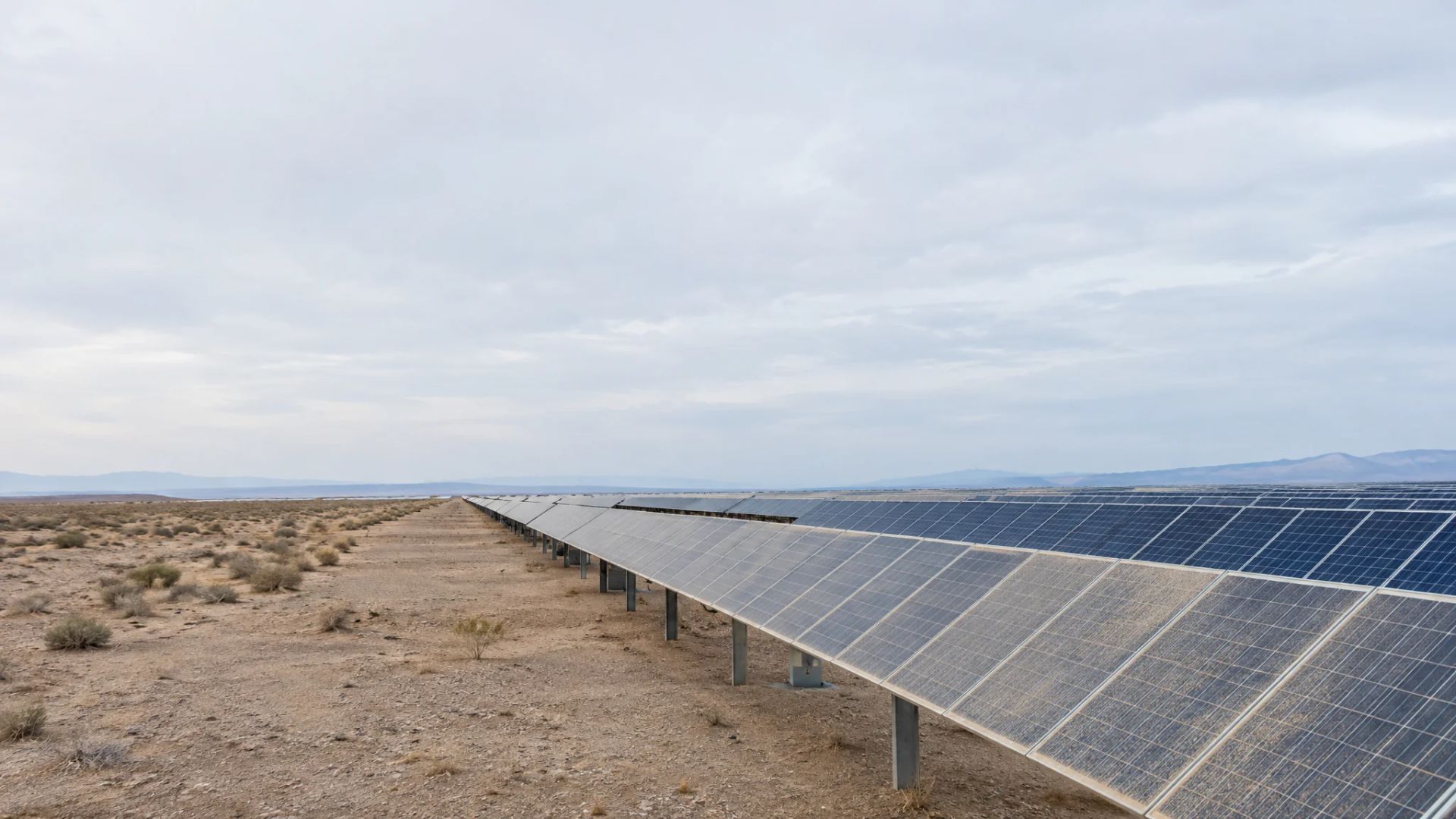
    Soiling takes yield slowly, and irradiance hides it. Clean on a fixed day and water and labor are spent while the array is still clean — or dust stays until the month is already short.

    See: Soiling Loss & Cleaning Economics
  2. Curtailed energy is stored as if the cycle were free

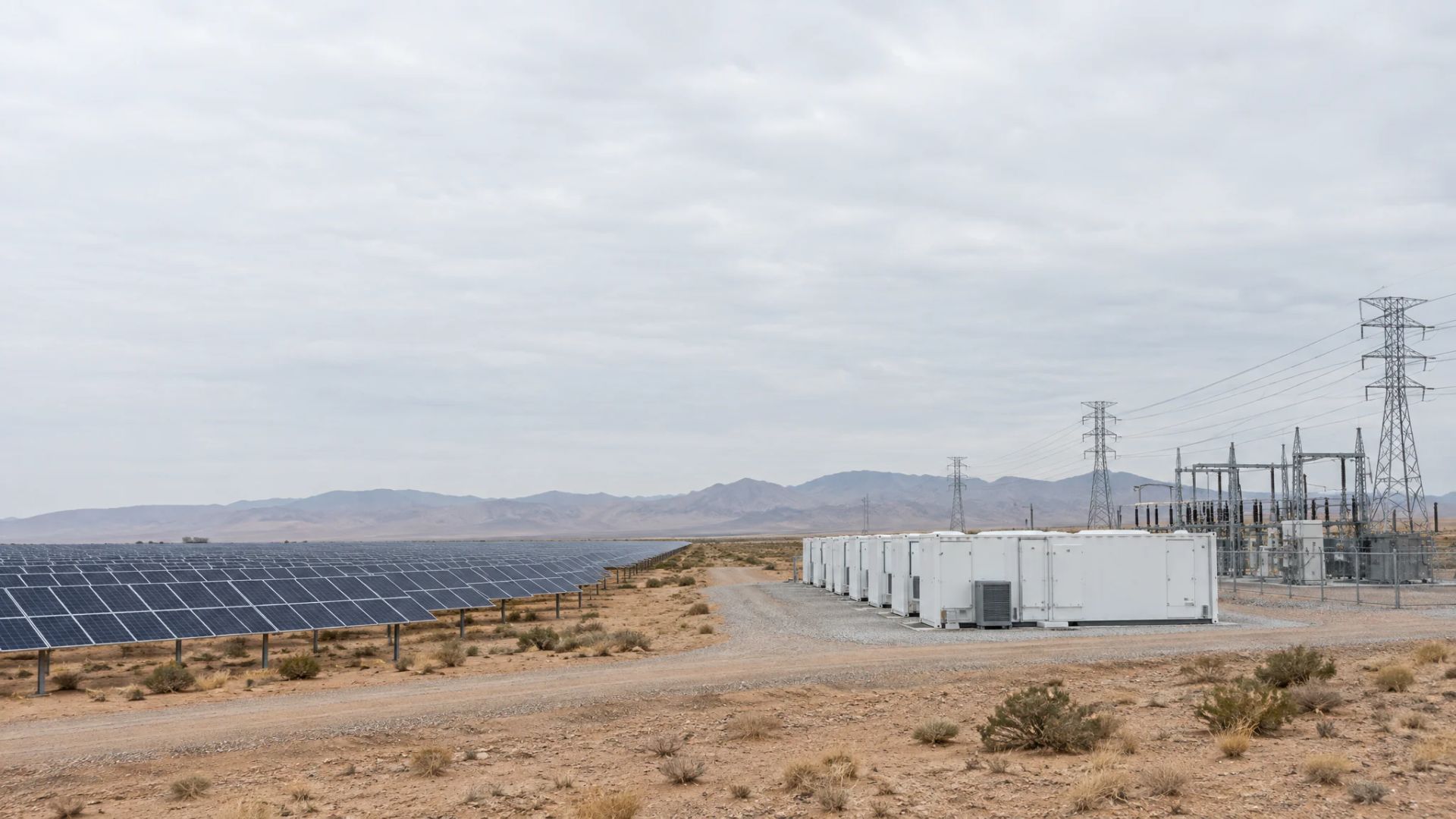
    When the interconnection will not take the next hour, charging the battery recovers energy only inside throughput, temperature, and state of charge. Past those limits, accepting the curtailment can be the cheaper choice.

    See: Curtailment Capture & Battery Throughput
  3. The crane is called after the gearbox or bearing has already stopped the turbine

    Main-bearing and gearbox wear often stays inside normal temperature until the stop. By then the crane, the spare, and the lost energy are no longer a plan.

    See: Gearbox & Main-Bearing Life

Use cases

Places worth a closer look

Each is a specific starting point — this solar park, this wind plant, this hybrid site — and a next conversation if it is worth your time.

Utility-scale photovoltaic arrays under a low sun
Production

Soiling Loss & Cleaning Economics

Separate soiling from irradiance, temperature and clipping in inverter yield, and time a clean on recovered energy against water, labor and downtime. Advisory only.

See the full use case
Utility-scale renewable plant where export can be limited while the resource is still available
Grid

Curtailment Capture & Battery Throughput

When the interconnection will not take the next hour, advise whether charging the co-located battery recovers that energy inside warranty throughput limits. Advisory only.

See the full use case
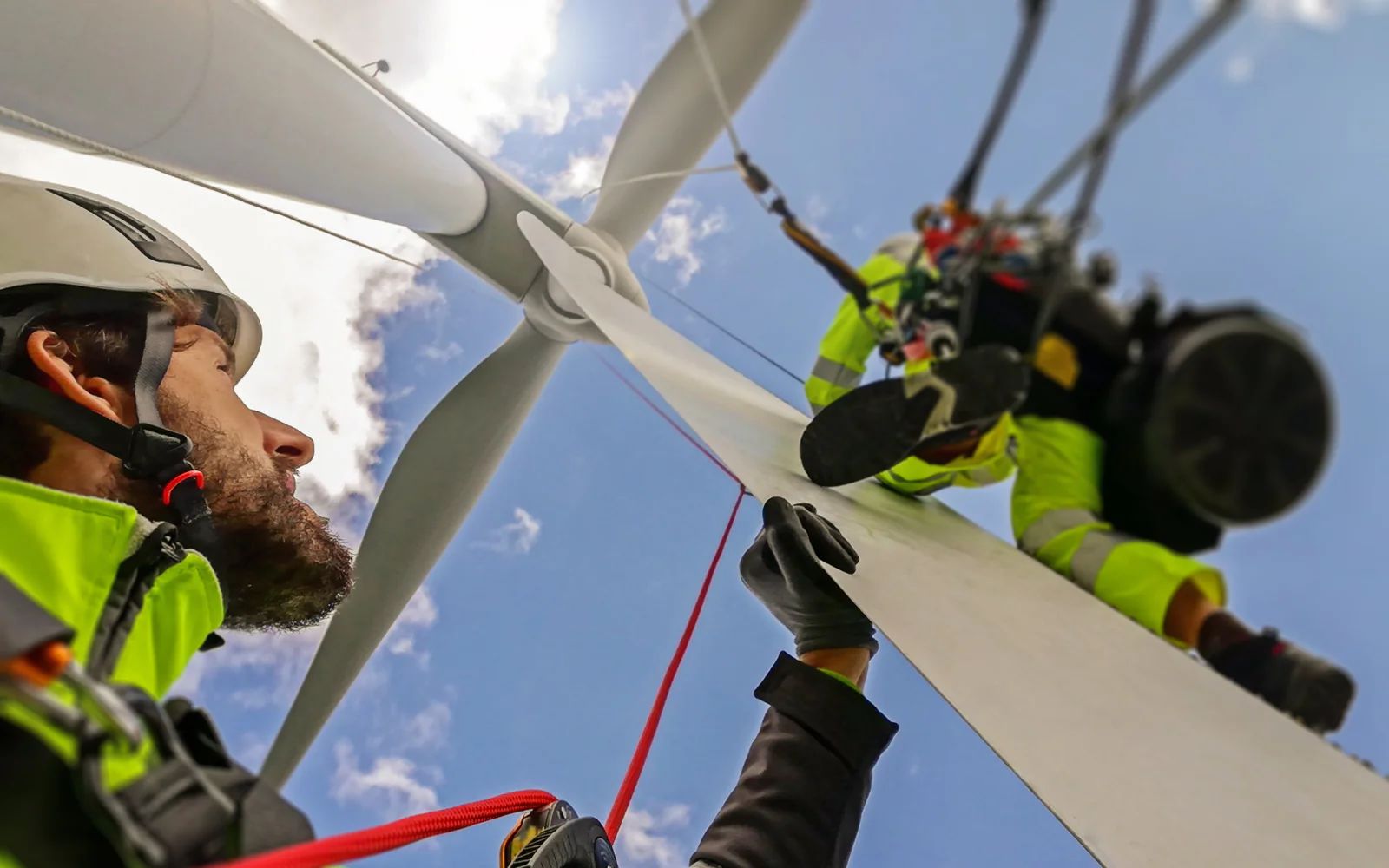
Technicians working on a wind turbine that is still available for a planned stop
Asset management

Gearbox & Main-Bearing Life

Read vibration, temperature and operating point the turbine already logs so gearbox and main-bearing wear is visible while a crane window can still be booked. Advisory only.

See the full use case

FAQ

Questions that come up in every first call

A practical look at what INSUS needs, where it fits and what your team can expect.

The work that fits is the data a wind, solar or storage site already produces: SCADA and met tags, curtailment events, work orders and equipment condition signals. Predictive Maintenance can start from signals you already log. Closed-loop turbine pitch control and automatic market bidding are not promises we will make on day one.

Energy & Utilities is the parent overview across power, grid, renewables, water and waste. Power focuses on thermal and conventional generating units — heat rate, fuel burn and steam-cycle availability. Renewables focuses on wind, solar and storage — curtailment, capacity factor, inverter and turbine trips, forecasting and site O&M — where the resource and the interconnection dominate the cost of a miss.

Usually not for SCADA, historians and maintenance. Most sites already have turbine or inverter tags, met stations and some work-order history. If a critical sensor has been drifting or an alarm code is unused, that comes before any model.

No. The person who knows this site, this resource and this interconnection stays responsible. The aim is to stop the next hour repeating the same derate or trip precursor, and to flag a developing equipment issue before it stops production.

No. It advises the control-room or O&M team. Existing plant controllers, OEM systems and grid instructions stay in charge of the loop. Protection systems are not touched.

No. Capacity factor and curtailment depend on resource, grid constraints, equipment condition and operating practice. We will not invent a CF or curtailment target for your fleet.

They are published market and fleet metrics — not measurements of your plants. Your SCADA, curtailment logs and work orders are the numbers that matter.

Yes. One wind plant, one solar park, or one BESS is usually the practical start. Measure that, then decide whether to widen.

Contact

Talk to a renewables expert

  • 30 minA focused conversation about the renewables problem you are trying to solve. No sales deck.
  • OutcomeA practical view of whether INSUS can help, what data would be needed and where it makes sense to start.
  • We will first understand your current process, what information you have and where the biggest gap is.
  • If the right answer is a sensor check, a procedure update, a maintenance action or an existing SCADA report, that is what we will tell you.

Request a call

We reply within one working day, from a person, with a proposed time.