Know when a PV cleanis worth the crew.

INSUS reads inverter yield and weather the plant already logs, separates recoverable soiling from losses a clean cannot fix, and prices the next clean against recovered energy. O&M keeps the schedule.

  • 01

    Soiling reduces output. Cleaning spends labor, water and time.

  • 02

    The loss is read from yield the inverters already report.

  • 03

    Advisory only. The cleaning crew stays yours to schedule.

The problem

Lost energy you can wash back,hidden inside the weather.

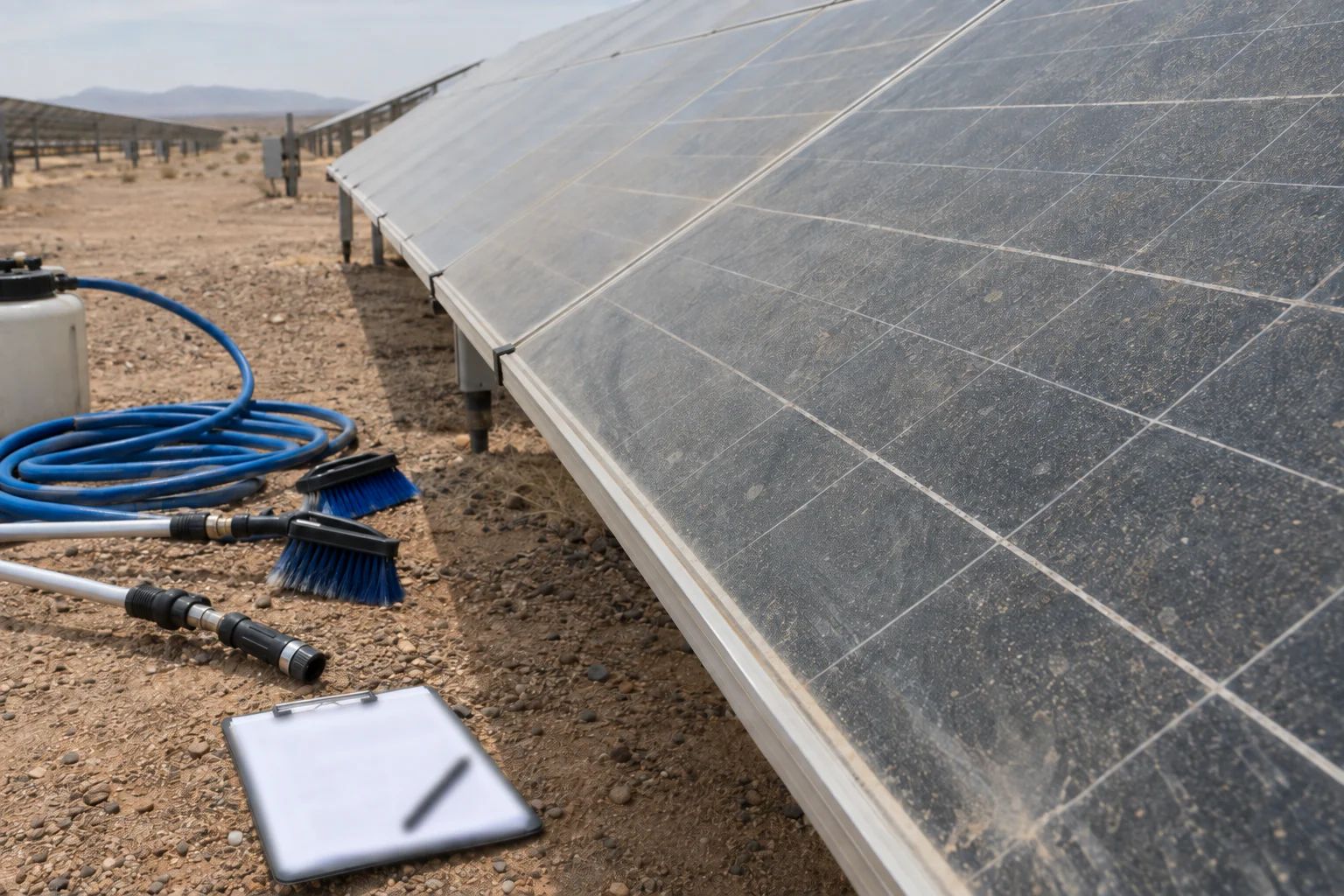
Raw production moves with irradiance, temperature and inverter clipping more than with dust, so a slow soiling trend is hard to see and harder to justify a crew for. One block soils faster than the next, rain does not always restore output, and clipping can hide soiling while the inverter is already at its limit. Fixed cleaning days then spend water and labor while the array is still clean, or leave energy unrecovered after dust has cemented.

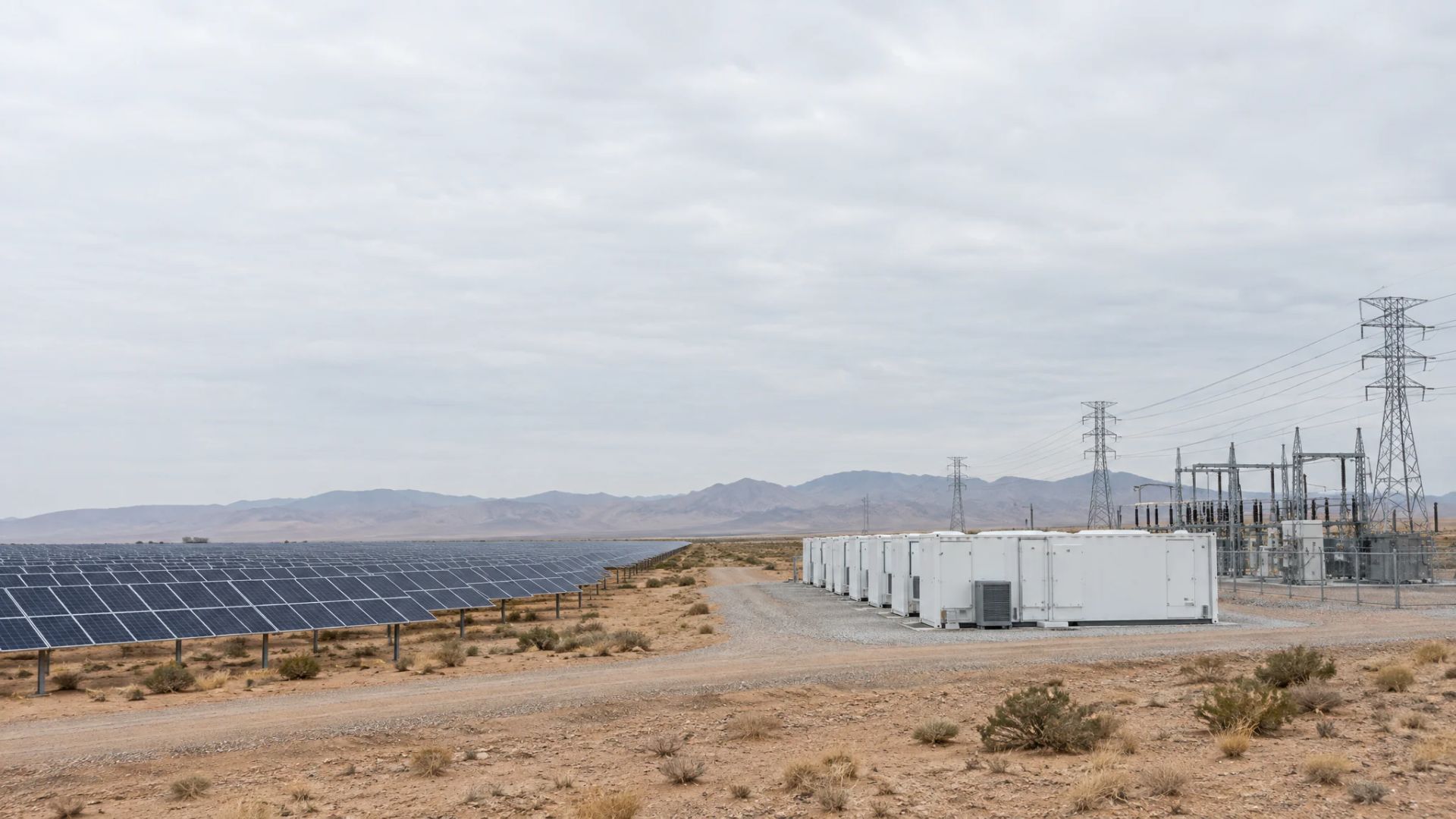
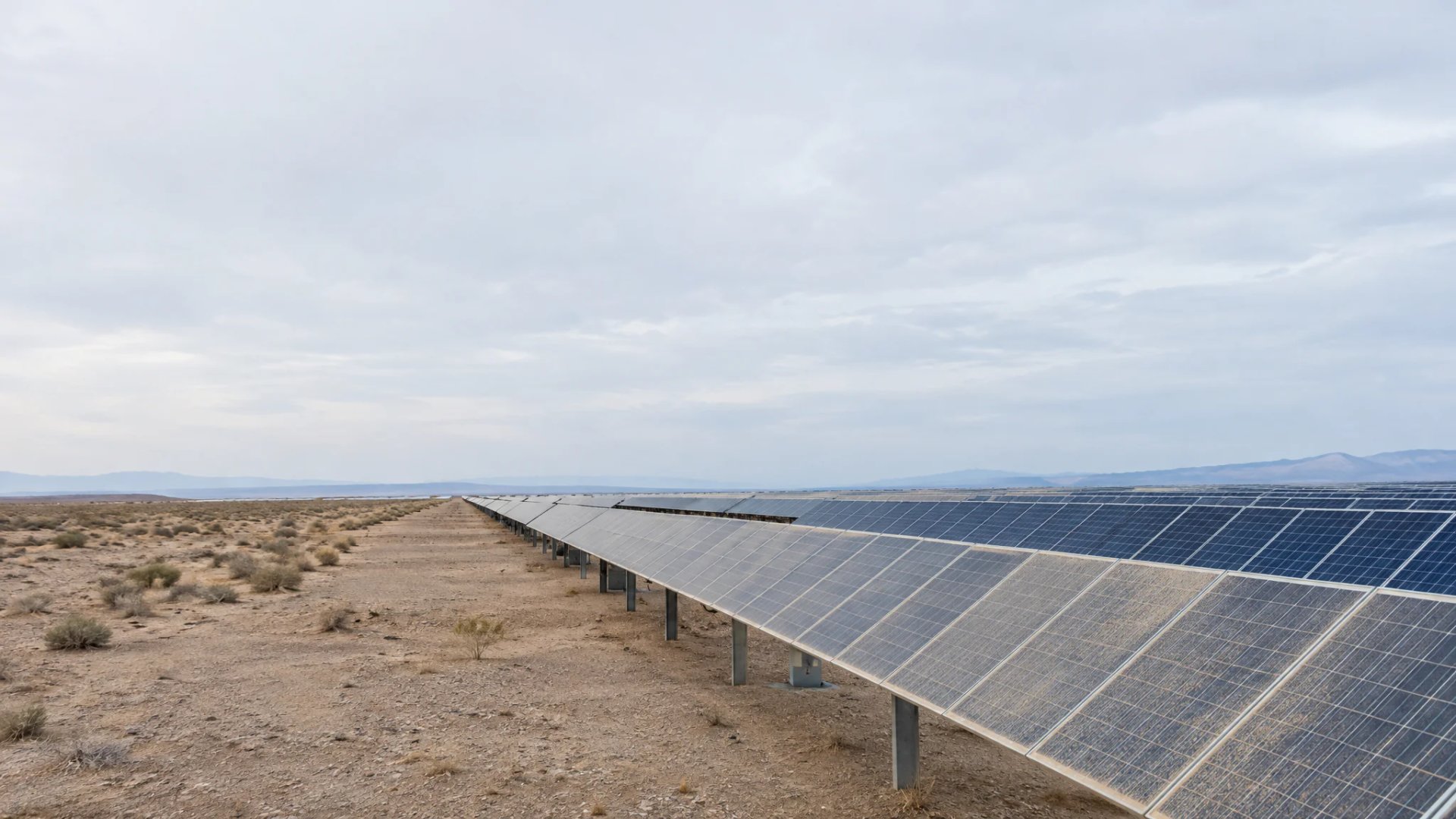
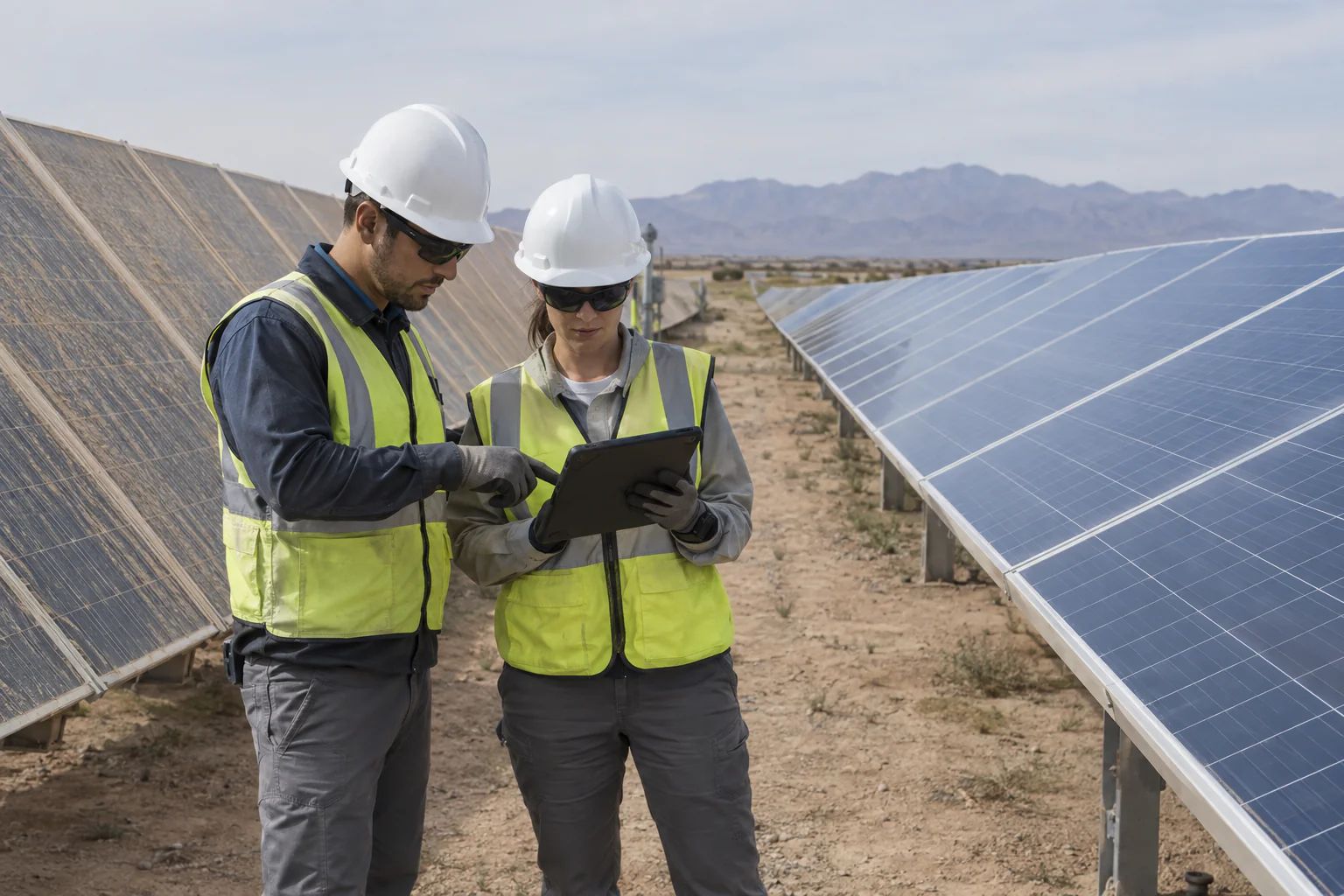
Photovoltaic plant where production moves with weather as well as soiling
01
02
03
  • 01Raw yield swings with irradiance
  • 02Soiling inside that swing
  • 03A clean nobody priced

The shift

From a fixed cleaning dayto a clean priced against the loss.

Nothing here changes how the array is cleaned. What changes is when the clean is worth sending, and how that decision is justified.

Today

The interval is set, the loss is guessed

  • Intervals follow a local rule of thumb or a contract schedule.
  • Soiling is judged from raw production that irradiance and temperature dominate.
  • Soiling, degradation, outages and clipping are not separated.
With INSUS

The timing follows recovered energy and cost

  • Timing is driven by where unrecovered energy crosses water, labor and downtime.
  • Soiling is tracked on irradiance- and temperature-corrected yield for this plant.
  • Recoverable soiling is separated from degradation, trips and clipping.

How it works

From corrected yieldto a cleaning decision.

This fits OptiStudio as performance decision support beside existing inverter SCADA and plant historians. Access is read-only. O&M decides whether to send the crew.

  1. Connect

    Link yield, weather and cleaning records

    Connect read-only to inverter AC and DC power, plane-of-array irradiance, module or ambient temperature, rainfall where recorded, and cleaning history with method, blocks, water, labor and any production held during the clean.

  2. Understand

    Separate soiling from losses a clean cannot fix

    Correct for irradiance and temperature to establish what this plant should have produced. Split the remaining gap into soiling, longer-term degradation, downtime and clipping.

  3. Predict

    Project the soiling rate and what a clean returns

    Project the soiling rate from this plant's own recent history. Estimate what a clean would return on the dirty blocks, and whether forecast rain would do part of that job.

  4. Advise

    Find the economic cleaning point

    Show where the value of unrecovered energy exceeds the cost of the clean, using your offtake price and cleaning costs. O&M decides, because access windows, water limits and contract minimums sit outside the model.

  5. Verify

    Measure what every clean actually returned

    Compare predicted and realised recovery against each clean's pre-clean baseline. A clean that returns little can flag degradation or an inverter issue rather than dust.

Plant yield and historian data feeding a soiling model for O&M review

Getting started

Start with one plantand the cleans you already ran.

For utility-scale PV O&M and performance teams. Delivered through OptiStudio as cleaning-timing decision support. Expert Services can help with data assessment and validation. Advisory and read-only. No new hardware.

  • What we need. Inverter production, plane-of-array irradiance, module or ambient temperature and a cleaning log with dates and blocks. Rainfall and offtake price sharpen the cost comparison. Standard plant data, read-only.
  • What you see first. A back-test on one plant or a few blocks across cleans already done: soiling history with each clean's recovery marked, and whether earlier or later timing would have returned more than it cost.
  • Where the limits are. Correction quality and cleaning-log completeness bound the analysis. Soiling rates do not transfer between sites. Clipping hides soiling while the inverter is at its limit. No closed-loop control; cleaning is a physical job.
Explore OptiStudio

Questions PV operations teams ask us

Soiling is hard to see in raw yield and cleaning intervals are often calendar-based. This use case tracks corrected soiling loss and advises when a clean is worth its water, labor and downtime.

Inverter production, plane-of-array irradiance, module or ambient temperature and a cleaning log. No new sensors to start when those tags already exist in SCADA and the historian.

Possibly nothing, and discovery should establish that honestly. Where the performance ratio still mixes soiling with degradation, trips and clipping, and does not price a clean against recovered energy, that gap is the use case.

No. O&M decides when to clean. Access to SCADA and the historian is read-only. There is no closed-loop version.

No. Published fleet estimates vary by climate and year. Each plant is modelled from its own yield and cleaning history. Those figures are not INSUS results.

Through OptiStudio as performance decision support. Expert Services can support data assessment, integration and validation with your O&M team.

Correction quality and cleaning-log completeness bound the split between soiling and other losses. Rates from one climate do not transfer to another. Contract minimums and water restrictions can override the economic point.

Renewables · Utility-scale PV

What did your last clean actually get back?

A back-test on your own yield and cleaning history will answer that, and show whether the clean before it was worth the water and the crew.