Book the cranewhile the turbine still turns.

INSUS reads vibration, temperature and operating point the turbine already logs, estimates how gearbox and main-bearing wear is moving, and shows the outage window while it can still be planned. Reliability keeps the stop.

  • 01

    Gearbox and main-bearing stops dominate drivetrain downtime.

  • 02

    Condition is read from monitoring the turbine already has.

  • 03

    Advisory only. The crane and the stop stay yours to schedule.

The problem

The bearing announces itselfby stopping the turbine.

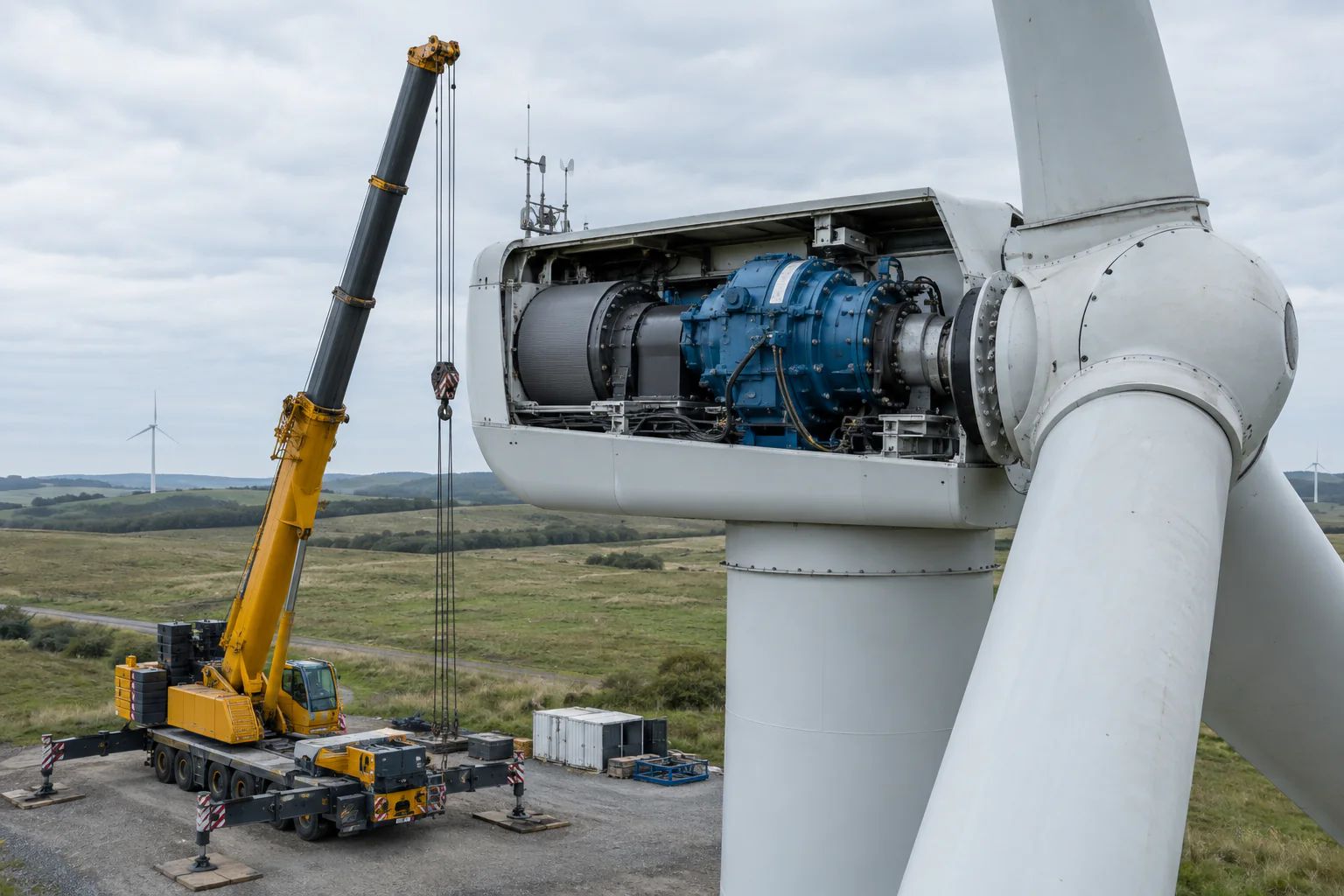
A gearbox or main-bearing stop is rarely just a part. It is a crane, a crew, a spare and lost energy while those are found. Temperature alone is easy to dismiss because it moves with power and speed as well as with damage. By the time the turbine has tripped, the crane date is no longer a plan.

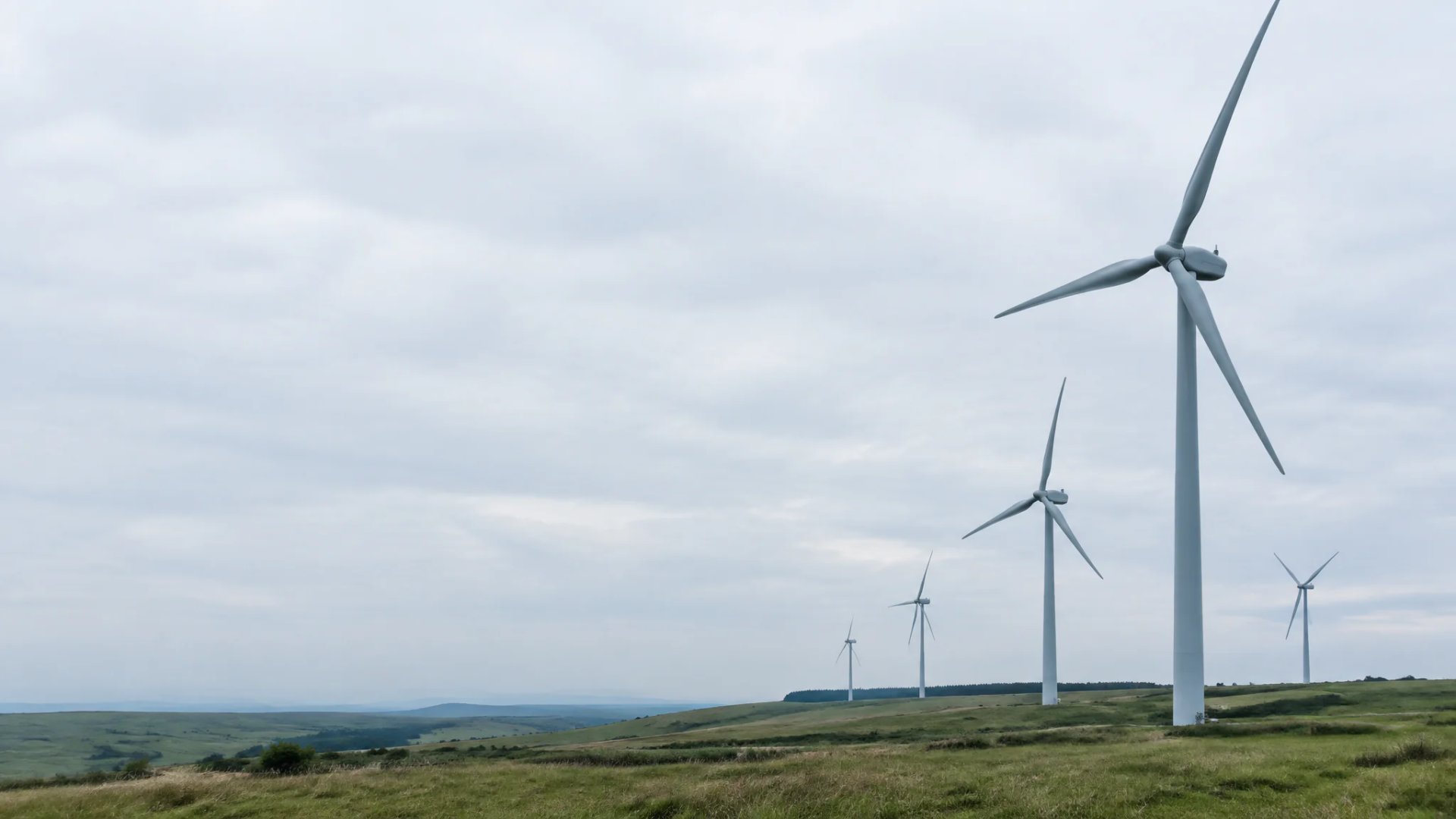
Wind plant where one stopped turbine waits on a crane that was not booked
01
02
03
  • 01Wear still inside normal temperature
  • 02A stop that booked the crane
  • 03Lost energy while the spare is found

The shift

From a stop that orders the craneto a window you can still choose.

Nothing here changes the repair or trips the turbine. It changes when the reliability team can see that a gearbox or main bearing is using life faster than the calendar says.

Today

The crane is called when the turbine is already down

  • Condition read from a trip, an oil sample or a scheduled inspection.
  • Temperature judged without the power and speed that heat the bearing.
  • Gearbox and main bearing folded into one drivetrain alarm.

With INSUS

Wear is visible while a window can still be booked

  • Vibration, temperature and oil read against this turbine's operating point.
  • Gearbox stages and the main bearing trended apart.
  • Remaining life estimated from this fleet's own history, with a range.

How it works

From condition the turbine logsto a crane window.

This fits Predictive Maintenance as drivetrain decision support above SCADA, the condition-monitoring system and the CMMS. Access is read-only. It does not trip a turbine or dispatch a crane.

  1. Connect

    Link SCADA, monitoring and repair history

    Connect read-only to power, rotor speed, wind speed, gearbox and main-bearing temperatures, oil pressure and filter differential where logged, vibration and oil-debris channels where a condition-monitoring system is already fitted, plus work orders, inspections and prior replacements.

  2. Understand

    Learn what normal is at this operating point

    A hot bearing on a high-power day is not the same event as the same temperature at low load. The model learns this turbine model's thermal and vibration behavior against power, speed and ambient, and keeps the main bearing separate from gearbox stages.

  3. Predict

    Estimate remaining life, with a range

    Project how the deviation is moving, using this turbine's trend and peers of the same model in the fleet. The output is a remaining-life range in operating time, not a catalog L10 and not a single date. A flat or missing vibration channel is reported as a limit, not filled in.

  4. Advise

    Show the window before the crane is forced

    Show which turbines still have time for a planned stop, given forecast wind, spare lead time and crane availability you supply. Engineers decide. A serial defect, a gearbox campaign or a bearing already on order can override the estimate, and the advice should say so.

  5. Verify

    Compare the flag with what the crane found

    Each inspection and replacement is set against the flag that preceded it: damage found, damage missed and flags that found nothing. Those outcomes improve the model on this fleet. A failure mode with no preceding signal is recorded as a data limit, not hidden.

Drivetrain condition and maintenance history prepared for reliability review

Getting started

Start with one turbine modeland the replacements you already ran.

For wind plants where gearbox and main-bearing stops drive crane cost and lost energy. Delivered through Predictive Maintenance as drivetrain decision support. Expert Services can help with data assessment and validation. Advisory and read-only. A plant with only a power reading is not this use case.

  • What we need. Turbine SCADA with power, speed and bearing or oil temperatures, plus replacement and inspection history. Vibration or oil-debris data is needed for a remaining-life estimate that is more than a temperature trend. No new sensors to start.
  • What you see first. A back-test on one turbine model at one plant, across replacements you have already done: which flags would have preceded the crane, how early, and which stops had no usable signal beforehand.
  • Where the limits are. Some gearbox bearing failures progress with little external warning. Remaining life is a range. Serial defects can dominate a model fit on one plant. No closed-loop version: the turbine controller stays in charge, and the crane is a physical job.
Explore Predictive Maintenance

Questions wind reliability teams ask us

Gearbox and main-bearing wear often stays hidden until the turbine stops and a crane is forced. This use case estimates a remaining-life range from signals the turbine already logs so a planned window can still be booked.

SCADA with power, speed and bearing or oil temperature, plus inspection and replacement history. A remaining-life estimate that is more than a temperature trend needs vibration or oil-debris data the turbine already collects. No new sensors to start.

No. Reliability engineers review the advice and decide whether to book the crane. Access to SCADA and the controller is read-only.

Possibly nothing, and discovery should establish that honestly. Where the portal shows an alarm or a temperature but not a remaining-life range tied to your crane lead time and this fleet's own replacements, that gap is the use case.

Through Predictive Maintenance as drivetrain decision support. Expert Services can support data assessment, integration and validation with your reliability team.

They are population and published cost context, not a forecast for your turbines and not our result. Main-bearing and gearbox stops are widely reported as high downtime contributors, and replacement cost is dominated by crane and crew as well as the part. Value is measured on your own replacements and lost energy.

Temperature without vibration is a weak remaining-life signal. Some failure modes give little warning in the channels a turbine logs. Estimates do not transfer cleanly across turbine models. Crane availability and spare lead time can override the estimate, and the advice should show that.

Renewables · Wind drivetrain

Which turbines still have time to book the crane?

A back-test on replacements you have already made will show whether the signals were there, and how much of the stop was still a choice.