Store the curtailed houronly if the cycle is worth it.

INSUS reads curtailment, state of charge and battery throughput the plant already logs, and advises whether to store this hour or accept the curtailment. The EMS and the grid instruction stay in charge.

  • 01

    Curtailed energy is not free if the cycle spends warranty life.

  • 02

    Charge only inside throughput, temperature and state of charge.

  • 03

    Advisory only. The EMS and the grid instruction stay in charge.

The problem

Energy the grid refused,stored as if the cycle were free.

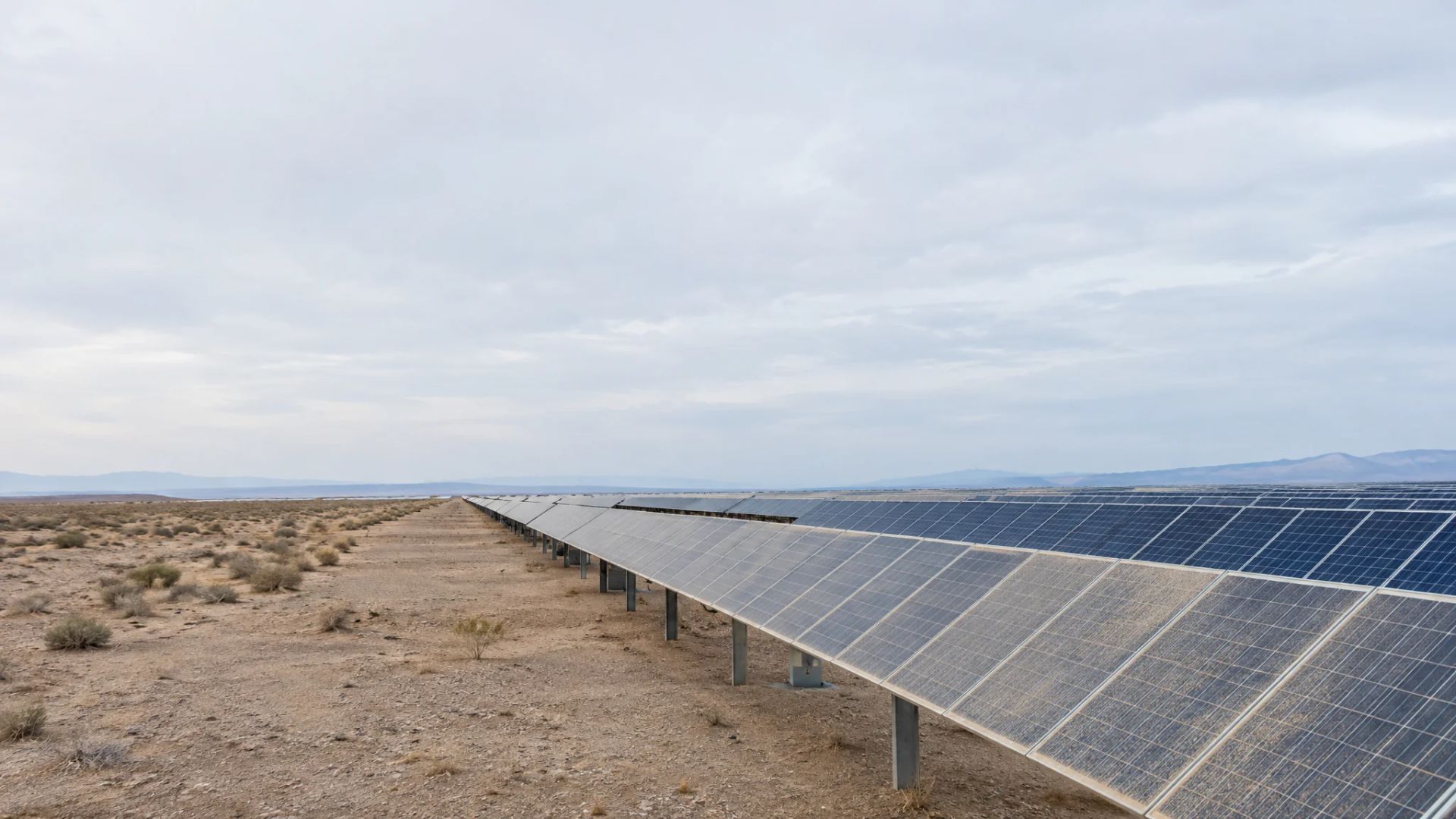
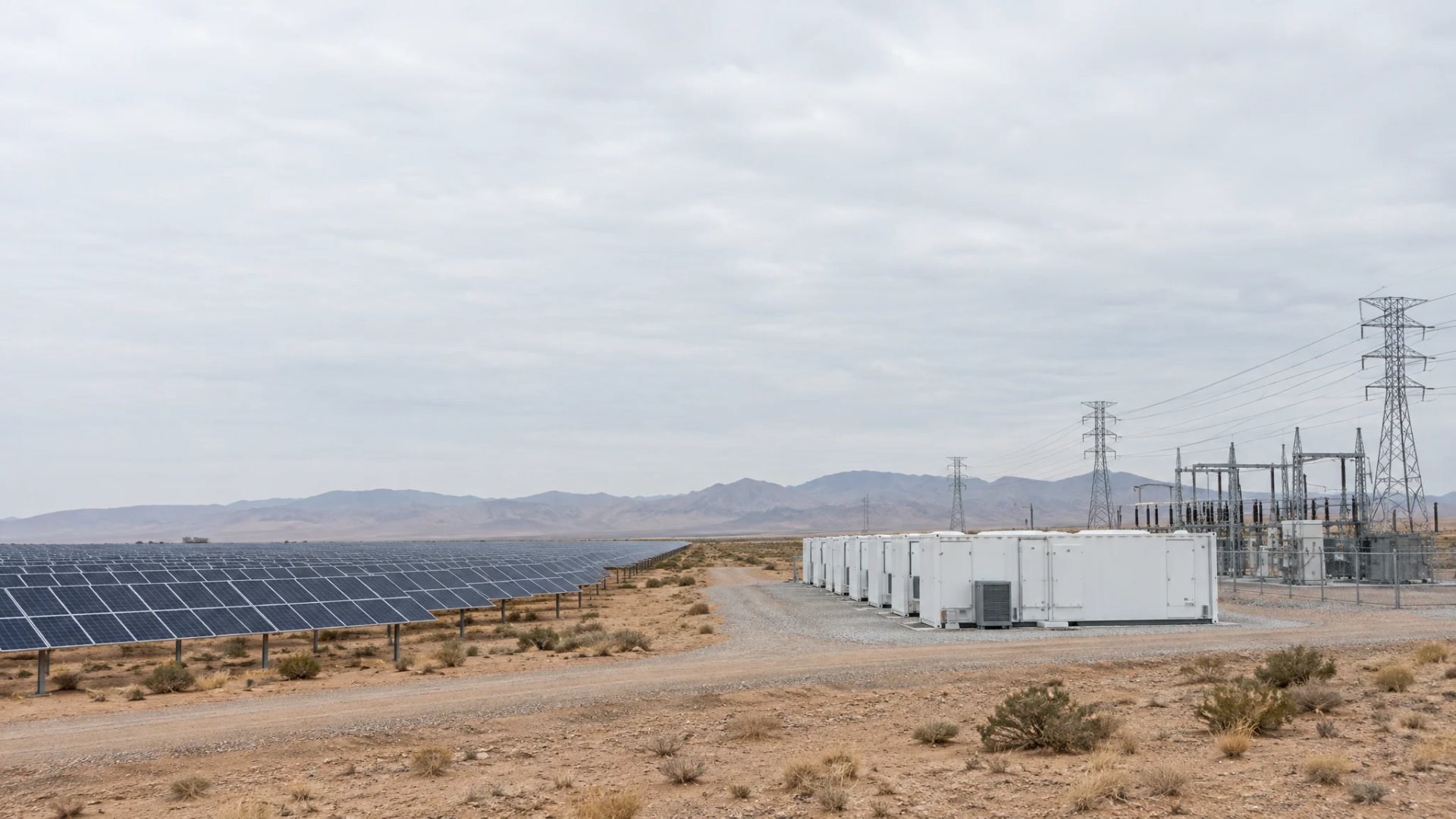
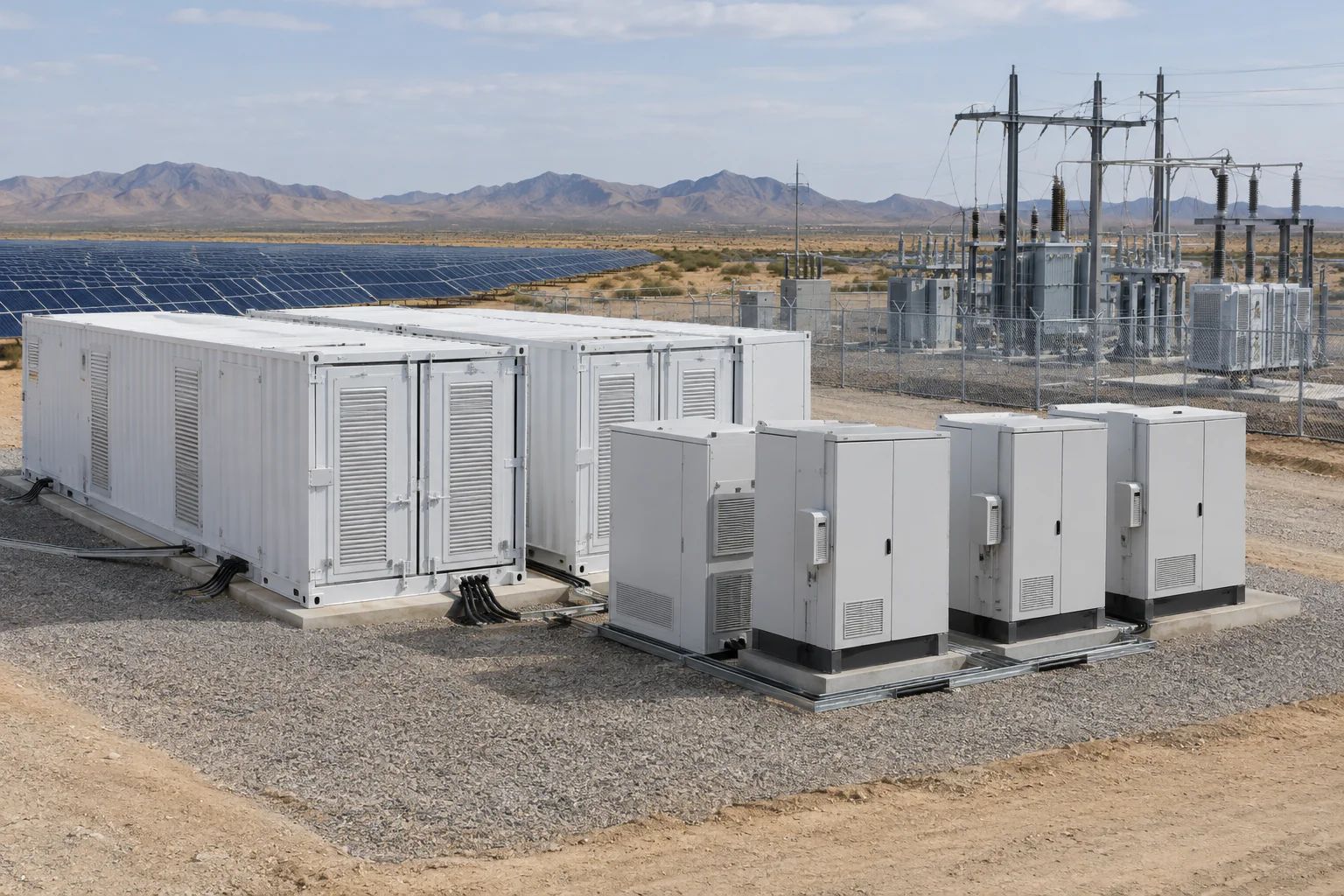
Curtailment is now a routine operating hour. A co-located battery can absorb some of that refused energy, then discharge when the interconnection can take it. The cycle is not free: every charge spends throughput, temperature margin and warranty life. Exceed those bounds and coverage can be voided or repriced. The hour then has two honest outcomes: absorb it inside those limits, or leave it curtailed.

Renewable generation held at an export limit while storage state is decided separately
01
02
03
  • 01Export at interconnection limit
  • 02Charge without throughput check
  • 03Warranty life spent cheaply

The shift

From storing every curtailed hourto storing hours the cycle can afford.

The grid instruction does not change. What changes is knowing whether this hour of refused energy is worth the throughput it would consume.

Today

Curtailment is treated as free energy

  • The battery charges whenever export is limited and state of charge allows it.
  • Grid curtailment, clipping and equipment derate are not separated.
  • Throughput and warranty limits are reconciled after the month.

With INSUS

Each hour is priced against remaining battery life

  • Only export-limited energy the plant could actually have produced is a candidate.
  • The charge is checked against throughput, temperature, rate and state of charge.
  • A curtailment the contract already pays for can be left alone.

How it works

From the refused hourto a charge or a pass.

This fits OptiStudio as hybrid-plant decision support beside the EMS and battery management system. Access is read-only. It does not write setpoints or override a grid instruction.

  1. Connect

    Link curtailment, export and battery state

    Connect read-only to available and delivered megawatts, the interconnection limit, curtailment instructions and cause, inverter clipping, battery state of charge, temperature, power, cumulative throughput and warranty bounds.

  2. Understand

    Separate energy the battery can actually take

    Distinguish an export limit behind the meter from a plant dispatch-down, a tripped inverter or clipping inside the inverter. Round-trip losses mean a stored megawatt-hour is smaller when it comes back out.

  3. Predict

    Project throughput if this hour is stored

    Estimate throughput, temperature and state of charge if the battery absorbs this curtailed hour, and what discharge later remains available inside the warranty, using this plant's own history.

  4. Advise

    Charge, or accept the curtailment

    Recommend absorbing the hour inside remaining limits, or leaving it curtailed when the cycle costs more life than the recovered energy is worth under this contract. Operators decide.

  5. Verify

    Count what the cycle actually returned

    Compare each absorbed hour with energy later discharged, throughput consumed and any warranty-limit excursion so the record improves for this plant.

Hybrid plant records prepared for a curtailment and battery-throughput review

Getting started

Start with one hybrid plantand the curtailment you already ran.

For hybrid wind or solar plants with co-located storage. Delivered through OptiStudio as charge-or-accept decision support. Expert Services can help with data assessment and validation. Advisory and read-only. A plant without co-located storage is not this use case.

  • What we need. Interconnection limit, curtailment instructions with cause, plant available and delivered power, battery state of charge, power, temperature and cumulative throughput, plus the warranty schedule and curtailment settlement terms. No new meters to start.
  • What you see first. A back-test across curtailment months already operated: which hours were stored, which were dumped, what throughput those charges consumed and which sat outside warranty bounds.
  • Where the limits are. A grid instruction to reduce generation is not optional. Storage can only absorb energy the plant could produce behind the export limit. Round-trip efficiency and a full battery both cap capture. No automatic bidding and no closed-loop dispatch.
Explore OptiStudio

Questions hybrid-plant operators ask us

Curtailed energy looks free to store, but every charge spends battery throughput and warranty life. This use case advises whether to charge or accept the curtailment for operator review.

Curtailment instructions and cause, interconnection limit, available and delivered power, and battery state of charge, power, temperature and cumulative throughput, plus warranty and settlement terms. No new meters to start.

No. Operators review the charge-or-accept advice. The energy management system keeps the setpoints. Grid instructions stay in force.

No. It only considers energy the plant could have produced behind an export limit. A plant dispatch-down, tripped inverter or clipping is not energy for the battery to absorb.

Possibly nothing, and discovery should establish that honestly. Where the EMS charges on state of charge and price but does not show remaining warranty throughput against curtailment settlement, that gap is the use case.

Through OptiStudio as hybrid-plant decision support. Expert Services can support data assessment, integration and validation with your operations team.

It needs co-located storage, a curtailment record that distinguishes export limits from plant dispatch-down, and a readable warranty. Round-trip losses reduce what comes back out. Published market curtailment totals are not a measurement of your plant.

Renewables · Hybrid plant storage

Which curtailed hours were worth the cycle?

A back-test on your own curtailment and battery history will show which charges recovered energy inside the warranty, and which ones spent throughput the contract did not pay for.