Send inspectors wherethe consumption data points.

INSUS learns theft and non-technical loss patterns from your consumption history and confirmed inspection outcomes, then gives revenue protection a prioritised list of accounts most likely to warrant a visit. People decide every inspection and account action.

  • 01

    Flags from consumption data you already bill against.

  • 02

    Missing reads and rare confirmed theft handled in the pipeline.

  • 03

    Advisory. People decide every inspection and account action.

The problem

Non-technical losses found by chance,not by data pattern.

Electricity theft and other non-technical losses are still often investigated through random or complaint-triggered field visits. Those visits do not systematically target the consumption anomalies theft produces: irregular or sustained drops, or use that behaves unlike similar customers. Confirmed theft is rare, reads can be missing, and inspection capacity is spread without a ranking, so hit rates stay low.

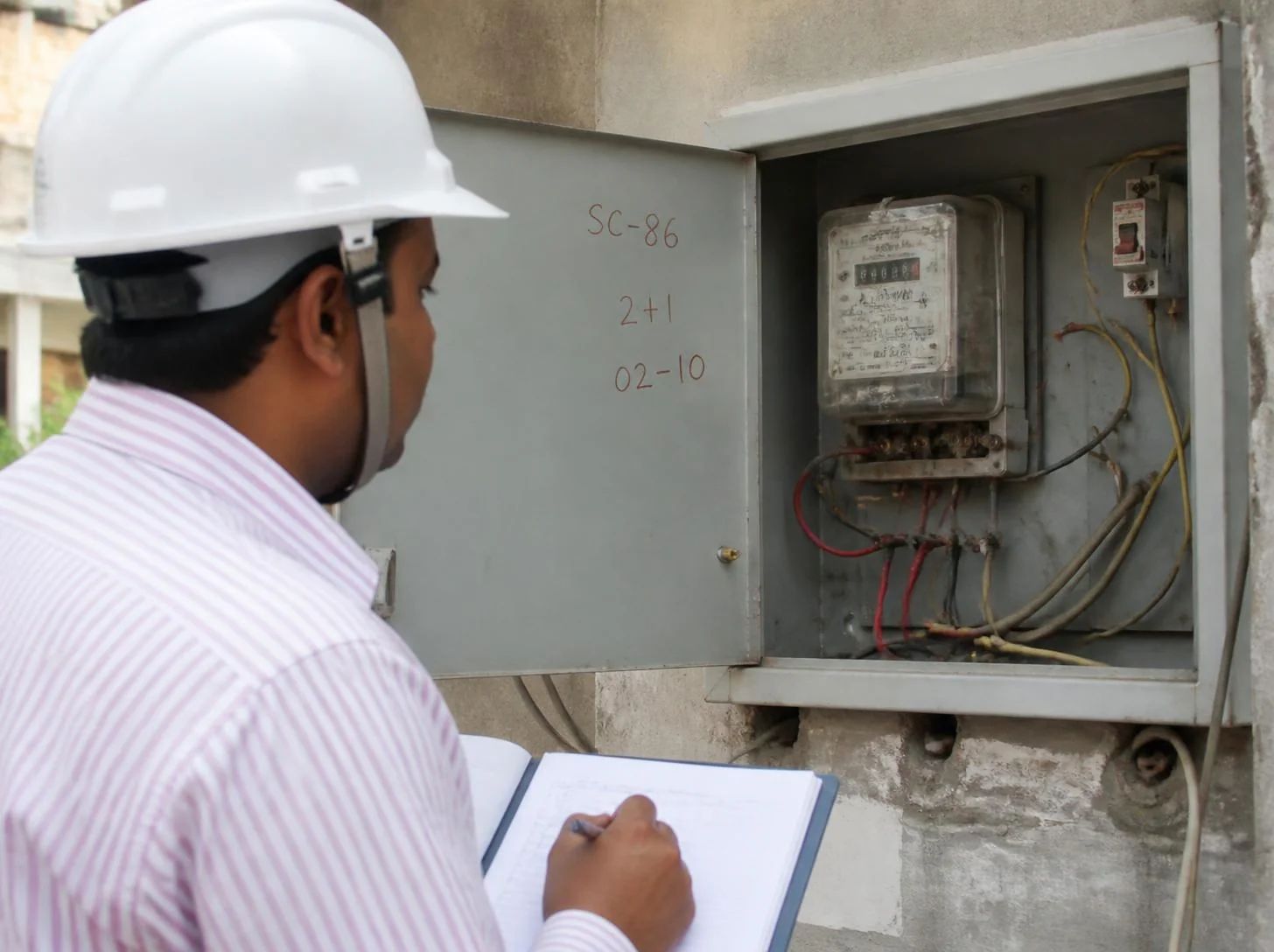
Revenue protection analyst reviewing flagged accounts against consumption anomalies
01
02
03
  • 01Sustained drop in consumption
  • 02Unlike similar customers
  • 03Ranked for field inspection

The shift

From random inspectionto pattern-driven detection.

Inspectors still make the visit, and the utility still decides every action. What changes is which accounts they visit first.

Today

Inspection effort spread without a ranking

  • Investigation relies substantially on random inspection or complaints.
  • Consumption patterns are not modelled against theft likelihood across the base.
  • Field resources are allocated without data-driven prioritisation.

With INSUS

Inspections aimed at the most likely accounts

  • Likely-theft accounts are flagged from a model trained on this utility's confirmed cases.
  • Missing data and class imbalance are handled in the modelling pipeline.
  • Field inspections are prioritised toward high-probability accounts for review.

How it works

From consumption datato a prioritised inspection list.

This fits OptiStudio as revenue-protection decision support beside existing metering, billing and inspection systems. Access is read-only. It never triggers disconnection or billing action.

  1. Connect

    Link consumption, customer and inspection records

    Connect daily or periodic consumption from metering and billing, customer information for segment, tariff and meter type, and field inspection outcomes for confirmed theft and legitimate use.

  2. Understand

    Handle missing reads and rare theft cases

    Prepare consumption records, address missing readings and correct the imbalance between rare confirmed theft and legitimate use so the model is not simply learning that most customers do not steal.

  3. Predict

    Score theft likelihood per account

    Score theft or non-technical loss likelihood for each account from consumption patterns, with the pattern characteristics that drove each score.

  4. Advise

    Rank accounts for field inspection

    Present a prioritised inspection list for the revenue protection team, with pattern detail to support case preparation. The team reviews every flagged account and decides whether to inspect.

  5. Verify

    Check every flag against what inspectors find

    Compare flags with actual field inspection findings and feed confirmed outcomes back so the model can be refined for this utility's customer base.

Theft likelihood model reading metering and inspection data for revenue protection review

Getting started

Start with one segmentand the inspections you already ran.

For electricity distribution revenue protection teams. Delivered through OptiStudio as inspection-prioritisation decision support. Expert Services can help with data assessment and validation. Advisory only. No new meters from INSUS.

  • What we need. Historical daily or periodic consumption data plus confirmed field inspection outcomes for a representative sample of accounts. Where accounts are read only monthly, performance must be established on that coarser data.
  • What you see first. One customer segment or service territory: a theft-likelihood ranking and flagged-account list run alongside existing inspection practice, then compared with inspection findings.
  • Where the limits are. Confirmed outcomes come from accounts that were inspected, rarely a random sample. Accuracy is utility-specific. Any account-level action requires human review and the applicable regulatory process.
Explore OptiStudio

Questions revenue protection teams ask us

Theft and non-technical losses are often found by random or complaint-triggered inspection. This use case scores likely theft from consumption patterns and ranks accounts for field inspection review.

Historical daily or periodic consumption plus confirmed field inspection outcomes. No new meters from INSUS. Monthly-only reads need performance established on that coarser data.

No. The revenue protection team reviews every flagged account. Disconnection, billing adjustment and any other account action require human review and often a regulatory process.

No. External peer-reviewed results on public datasets are not INSUS results and do not transfer automatically to another utility's customer base.

Through OptiStudio as revenue-protection decision support. Expert Services can support data assessment, integration and validation with your revenue protection team.

By comparing flagged accounts with actual field inspection findings in the pilot segment. Benchmark precision does not translate directly into a field hit rate.

It needs consumption history and confirmed inspection outcomes. Accuracy is specific to each utility's customer base, meter infrastructure, read frequency and theft patterns.

Utilities · Revenue protection

Send inspectors where the data already points.

Start with one segment and the inspection history behind it. The useful first answer is whether your own confirmed outcomes already leave a pattern the next visit list can use.