Waste industry

Where the tonnagepays for the miss

Material is already collected. Contamination and diversion show up after the sort. Wastewater aeration and landfill systems run whether the process is tight or loose. The operation still has to move the load.

  • 01

    Fuel condition inferred while it is still burning

    Read furnace, steam and air tags the plant already logs, so grate, feed and air corrections start earlier in the swing than steam output alone allows.

  • 02

    Loading pushed against a modelled stability margin

    Estimate digester state between lab VFA results, so organic loading is decided against predicted margin rather than last week's sample.

  • 03

    The biogenic/fossil split with an evidence trail

    Connect declared emissions to waste receipts and sampling the plant already keeps, so uncertainty and financial sensitivity are visible before verification.

On the floor and at the plant

The margin is decided after the material moves

Waste operations lose money in three places that rarely share one screen: recoverable material lost to contamination or landfill, energy burned in aeration or processing to cover uncertainty, and an asset or compliance miss found after the load has already moved. Most of that is already in SCADA, weighbridge, LIMS and CMMS — after the fact.

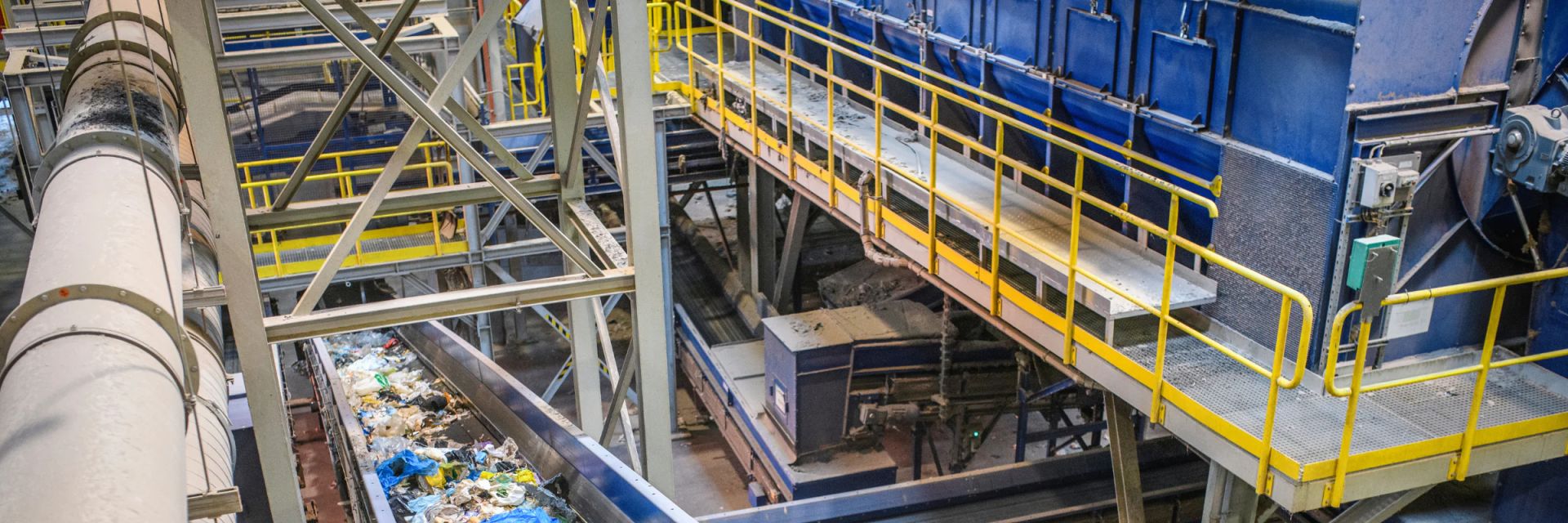
Municipal solid waste and recycling processing operationsDiversion

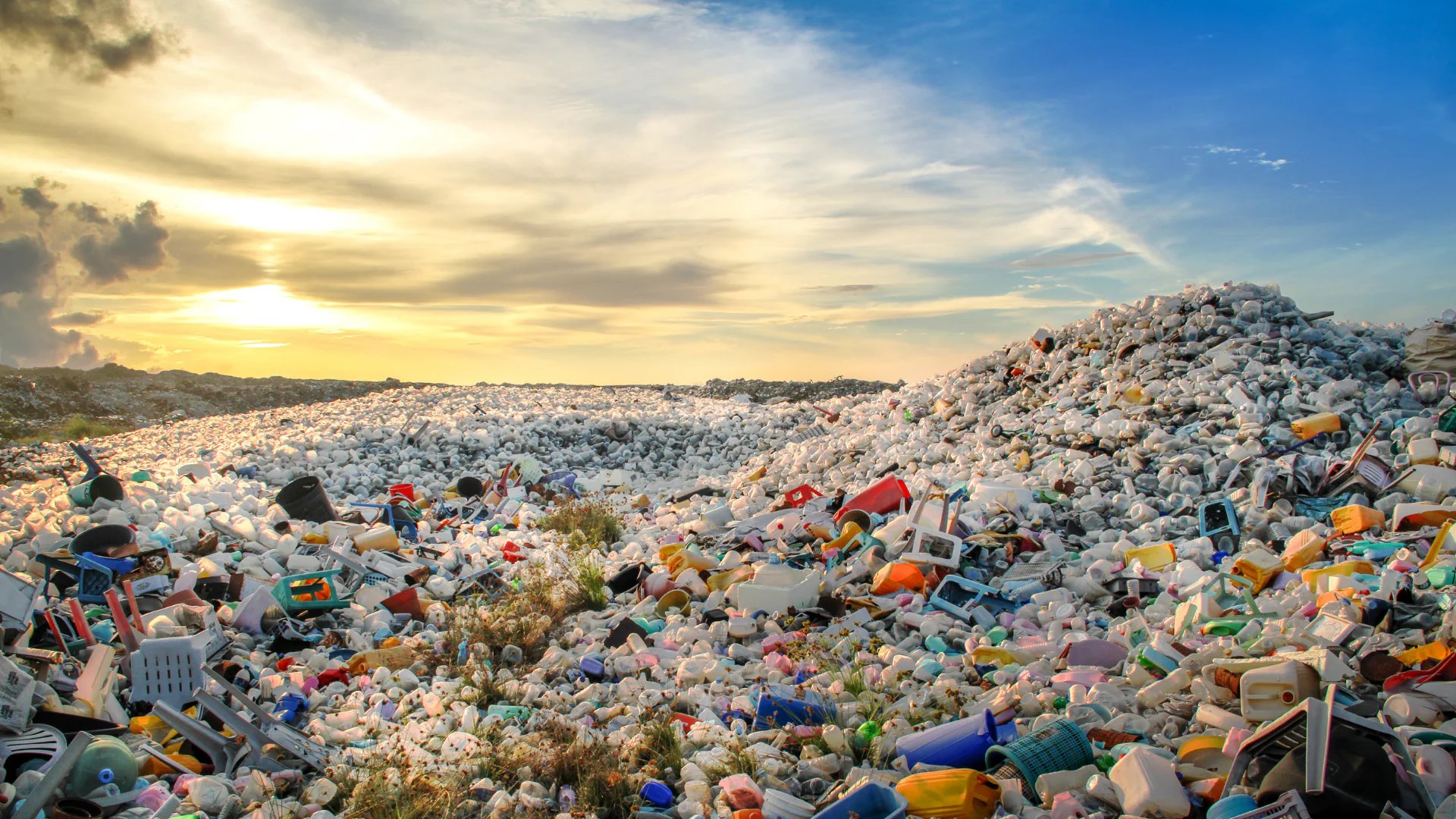
Landfill still takes half the municipal stream in published U.S. data

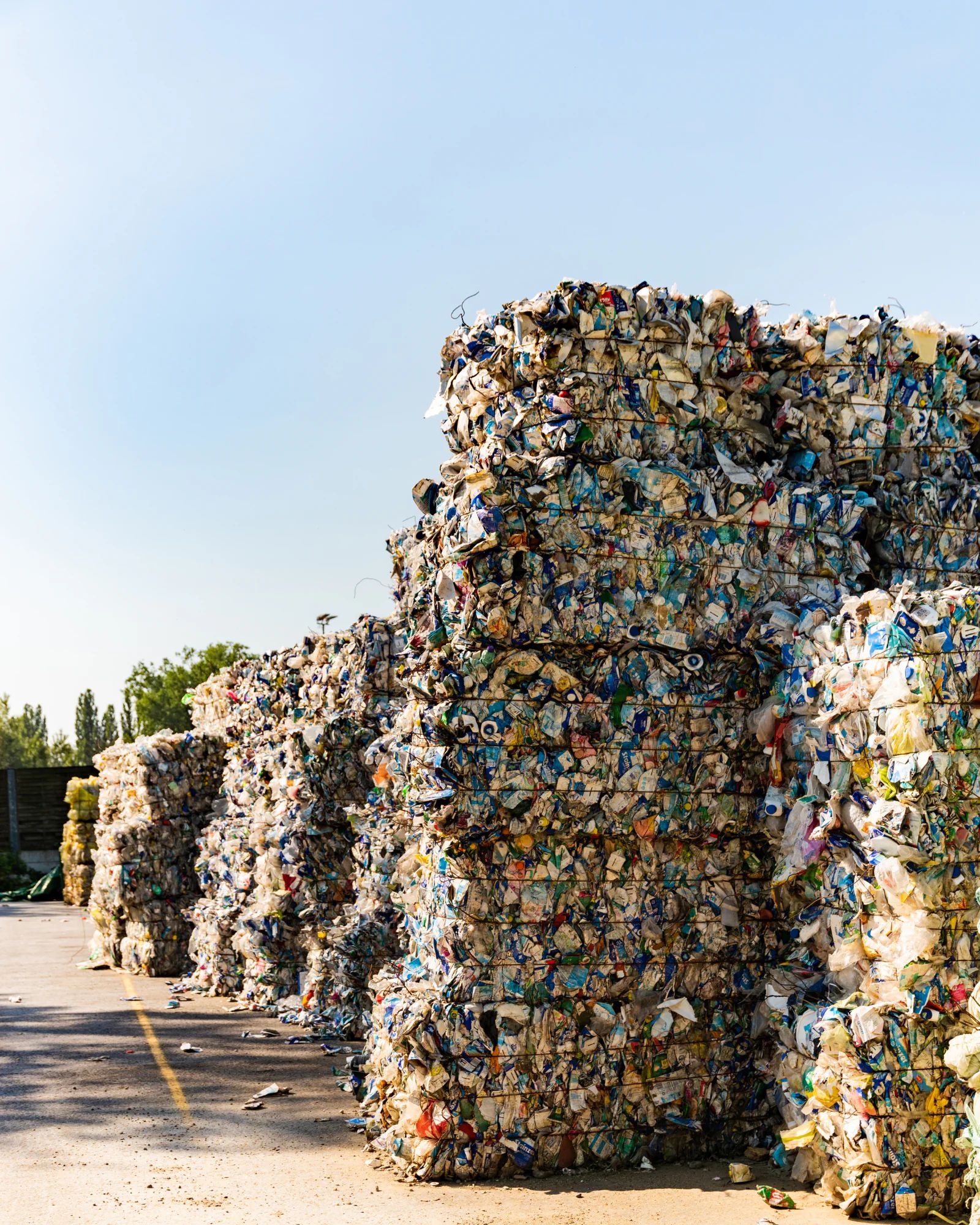
EPA Facts and Figures for 2018 put about 50% of U.S. MSW in landfills and a recycling-plus-composting rate around 32%. Every contaminated load that becomes residue was already collected and hauled — so the cost is paid twice when markets reject the bale.

Waste and wastewater process energy systemsEnergy

Treatment and processing energy is the controllable utility cost

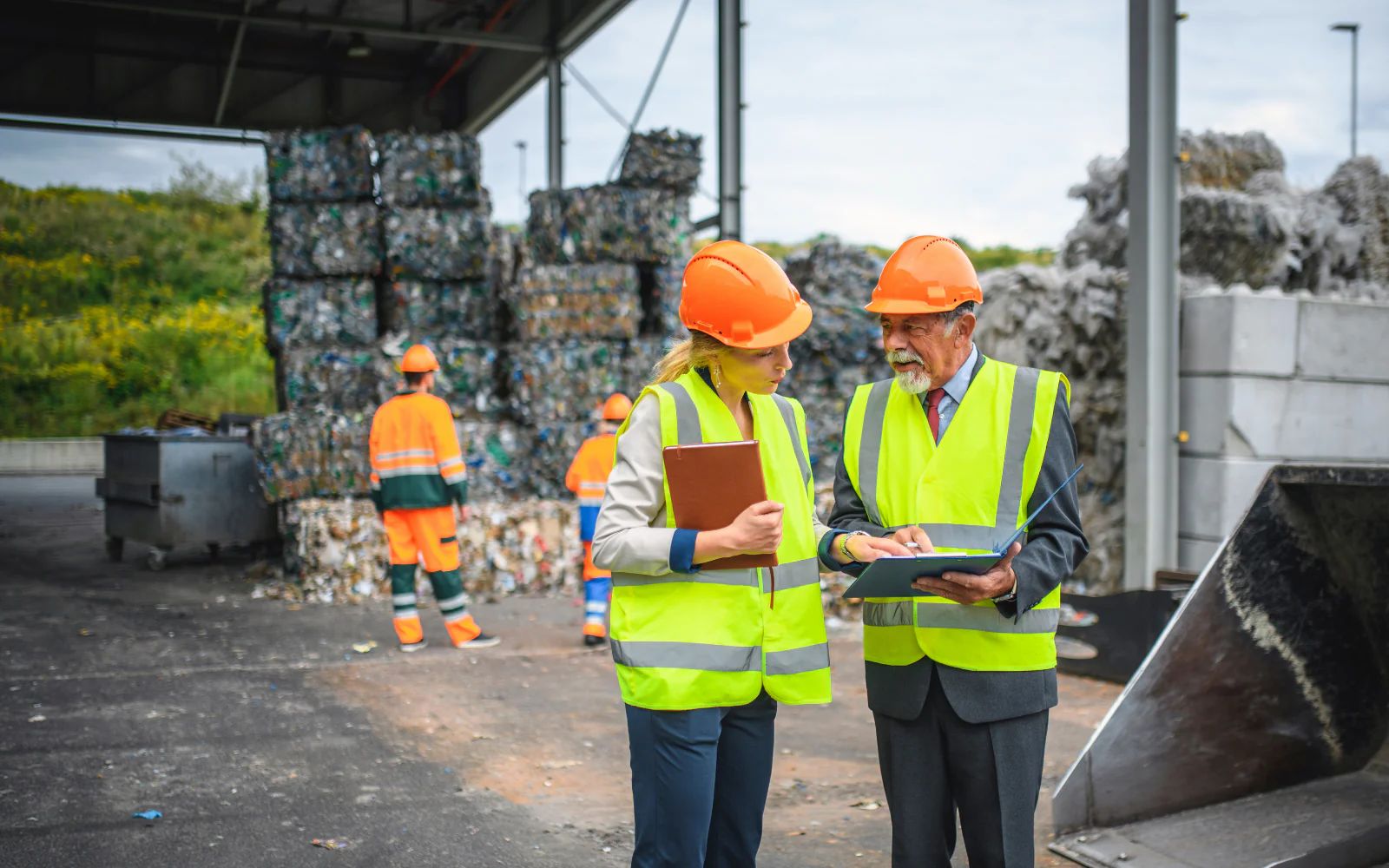
Wastewater aeration, pumping and solids handling sit among a municipality’s largest energy users. On the solid-waste side, MRF motors, compactors and collection fleets absorb uncertainty with conservative schedules — and write the power and fuel bill.

Waste operations work order and compliance documentsThe record

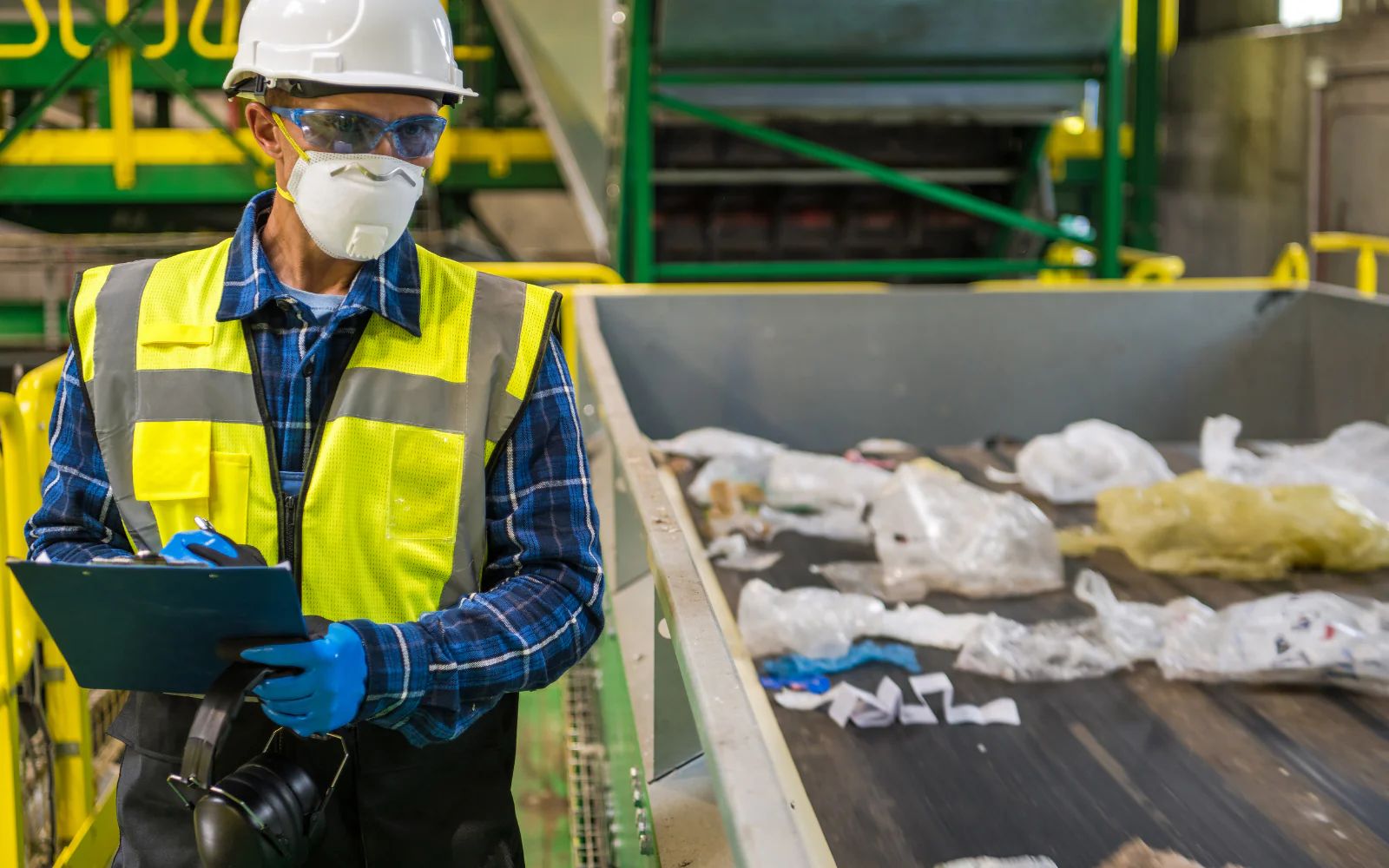
Sort quality, permits and work orders still live apart

Weighbridge tickets, contamination scores, gas/leachate readings and clearances often sit in separate systems. When the approved sequence is hard to find, crews invent the next step under pressure.

Sending it to residue is the easy correction. It is also how the day is spent.

INSUS works from plant and fleet tags, weighbridge and quality records, work orders and equipment logs an operation already keeps. If the gap is an unread blower alarm, a contaminated stream that never joined the ticket, or a clearance sheet that never joined the event, that is what we will say. Recommendations stay advisory. Existing SCADA, PLC and plant controls stay in charge.

Explore the possibilities

Industry figures

The scale of what is being decided

Four external figures, each with its source. Nothing on this page is an estimate we made up. Where we cannot cite a number, we describe the situation in words instead.

Waste processing and energy-from-waste operations

Common problems

Problems that cost you before you notice

None of these show up as a single alarm. They show up in the steam swing after the fuel changed, the carbon split nobody can evidence, and the digester held too far from the edge.

  1. Steam swings after the fuel has already changed

    Municipal waste heat content cannot be measured directly. Operators correct after steam and oxygen move — and moist, low-calorific charges can push simple control the wrong way.

    See: WtE Combustion Stability
  2. The carbon split rests on assumptions the verifier will ask about

    When fossil emissions carry a cost, a default composition factor is not the same as measured evidence. Waste receipts, sampling and declared emissions often live apart until verification forces them together.

    See: EfW Biogenic & Fossil Carbon MRV
  3. Digester loading waits on lab results that arrive days later

    VFA, alkalinity and pH confirm stability after the feed decision is already spent. Most plants run well inside the boundary — leaving yield unclaimed — while an acidification event still costs extended degraded output.

    See: Anaerobic Digestion Stability & Yield

Use cases

Places worth a closer look

Each is a specific starting point — this incineration line, this digester, this MRV record — and a next conversation if it is worth your time.

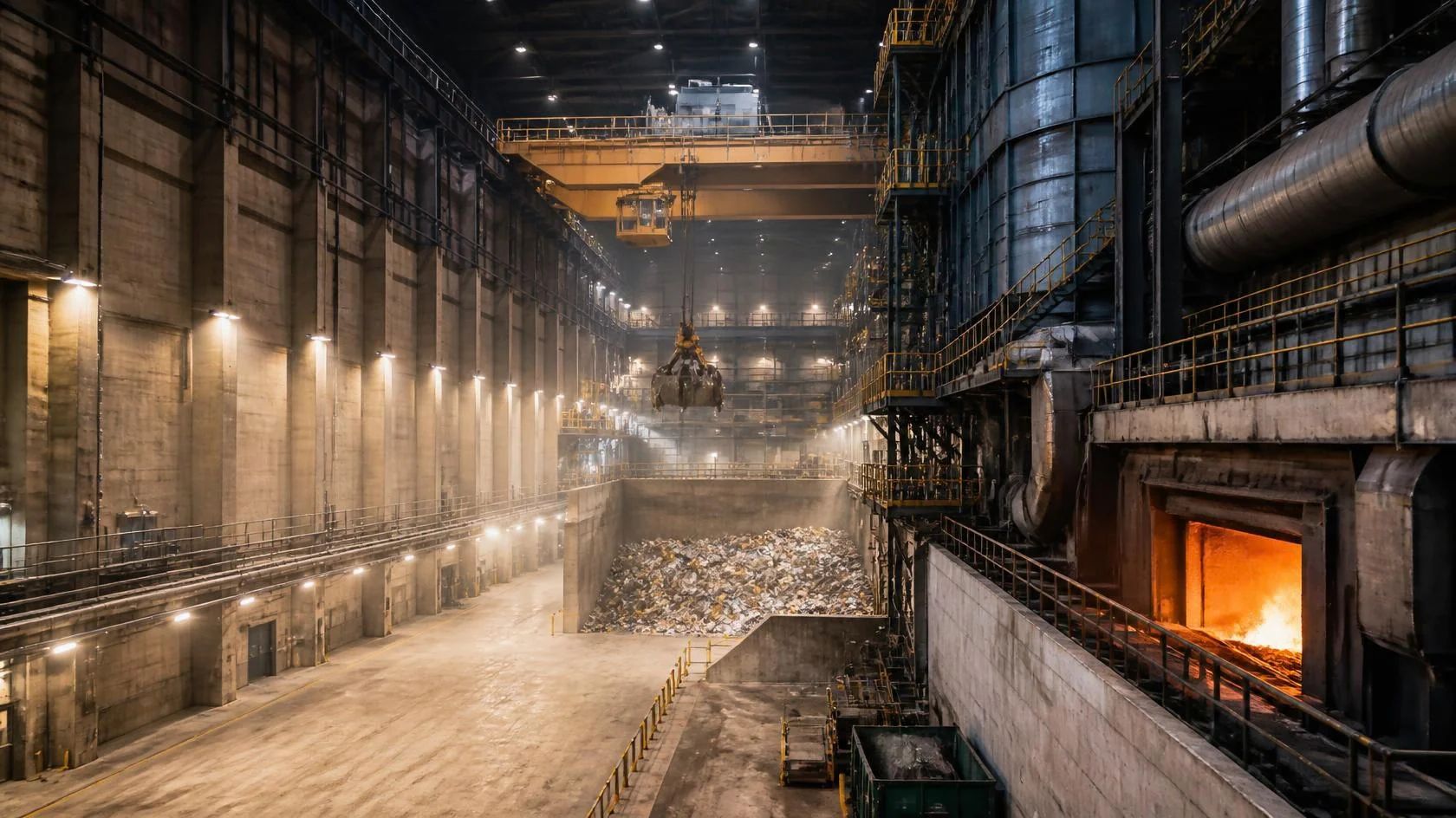
Moving grate furnace with steam output and combustion monitoring
Energy-from-waste

WtE Combustion Stability

Infer waste calorific value from furnace response and advise grate, feed and air earlier in the swing, inside permit temperature and emissions limits. Advisory only.

See the full use case
EfW emissions split into biogenic and fossil carbon with an evidence trail
Carbon MRV

EfW Biogenic & Fossil Carbon MRV

Connect EfW emissions to waste receipts, composition sampling and plant data to quantify the biogenic and fossil CO₂ split, expose evidence gaps and prepare a traceable MRV record. Advisory only.

See the full use case
Organic loading against biogas yield with a digester stability margin
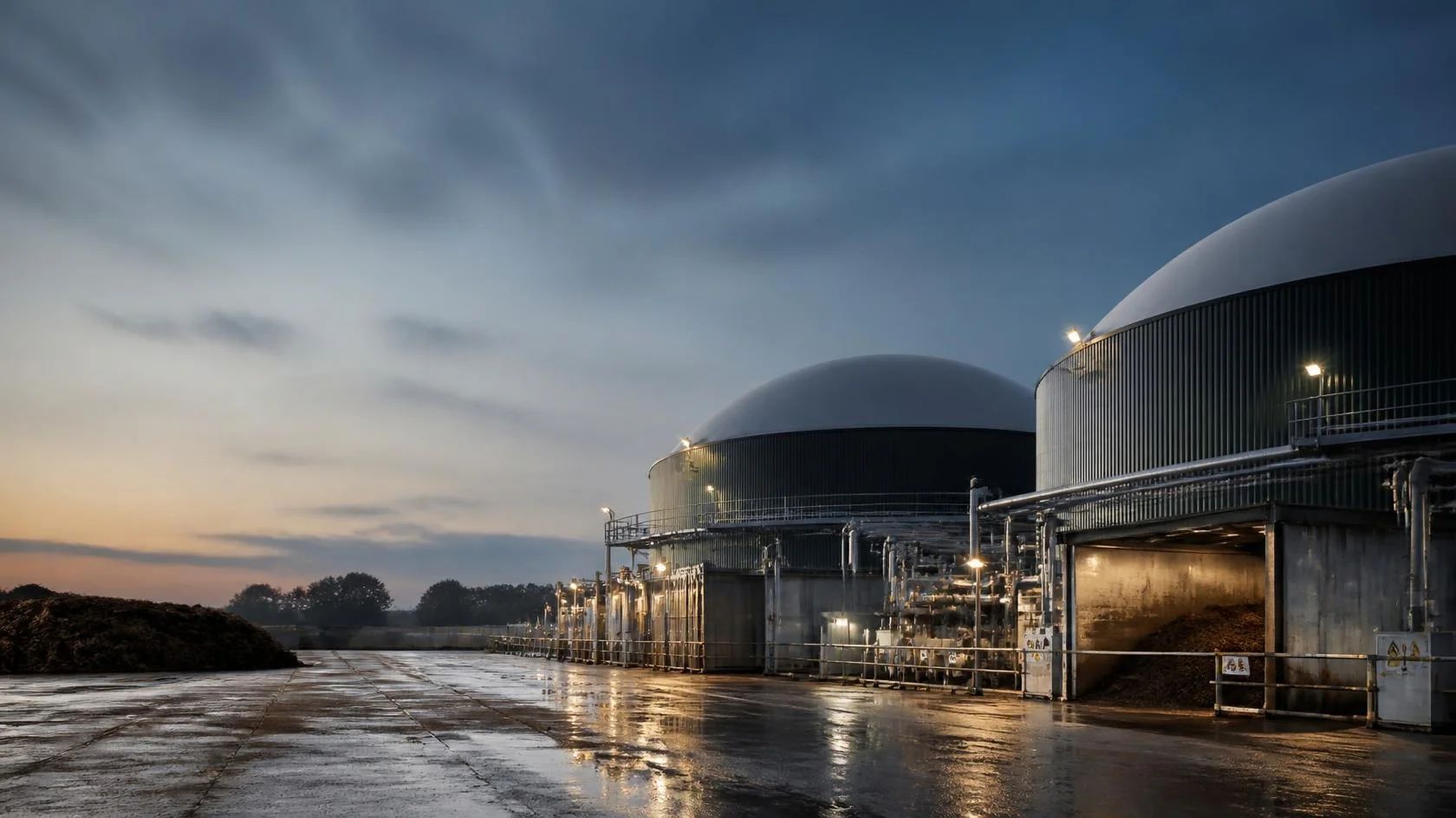
Anaerobic digestion

Anaerobic Digestion Stability & Yield

Estimate digester stability and VFA risk between lab results, and predict biogas yield for a planned feed, so organic loading is set against a modelled margin. Advisory only.

See the full use case

FAQ

Questions that come up in every first call

A practical look at what INSUS needs, where it fits and what your team can expect.

The work that fits is the data a waste or wastewater operation already produces: plant and fleet tags, weighbridge and quality records, work orders and equipment condition signals. Predictive Maintenance can start from signals you already log. Closed-loop aeration control and automatic sort decisions are not promises we will make on day one.

Energy & Utilities is the parent overview across power, grid, renewables, water and waste. Water focuses on drinking water treatment and distribution — NRW, network pressure and clean-water plants. Waste covers solid waste (collection, MRFs, landfill) and wastewater process energy and reliability — where diversion, contamination and aeration dominate the cost of a miss.

Usually not for SCADA, historians and maintenance. Most sites already have weighbridge data, some process tags and work-order history. If a critical meter has been drifting or an alarm code is unused, that comes before any model.

No. The person who knows this stream, this plant and this permit stays responsible. The aim is to stop the next shift repeating the same contamination or energy waste, and to flag a developing equipment issue before it stops the line.

No. It advises the operations or engineering team. Existing SCADA, PLC and safety interlocks stay in charge of the loop. Protection systems are not touched.

No. Diversion and energy depend on inbound composition, markets, equipment condition and operating practice. We will not invent a recycling-rate or kWh/m³ target for your site.

They are published U.S. national benchmarks — not measurements of your sites. Your weighbridge, SCADA and work orders are the numbers that matter.

Yes. One MRF line, one WWTP train, or one landfill cell is usually the practical start. Measure that, then decide whether to widen.

Contact

Talk to a waste expert

  • 30 minA focused conversation about the waste operations problem you are trying to solve. No sales deck.
  • OutcomeA practical view of whether INSUS can help, what data would be needed and where it makes sense to start.
  • We will first understand your current process, what information you have and where the biggest gap is.
  • If the right answer is a sensor check, a procedure update, a maintenance action or an existing SCADA report, that is what we will tell you.

Request a call

We reply within one working day, from a person, with a proposed time.