Your CO₂ number has two sources.Can you prove the split?

INSUS connects declared EfW emissions to waste receipts, composition sampling and operating data, quantifies the biogenic and fossil split, and surfaces evidence gaps before verification. It does not create carbon data or replace physical sampling.

  • 01

    Evidence trail from waste receipt to declared emissions.

  • 02

    Uncertainty shown. Assumptions are not treated as measurements.

  • 03

    Advisory only. Verification stays with the accredited verifier.

The problem

The number that was a conventioncan become a cost.

EfW operators already keep emissions records, waste receipts and sampling information. The hard part is connecting those records into a defensible explanation of the biogenic and fossil share of emissions. When fossil carbon carries a cost, a default composition assumption is no longer the same thing as measured evidence. Assembling that trail retrospectively for verification is a different job from keeping it continuously.

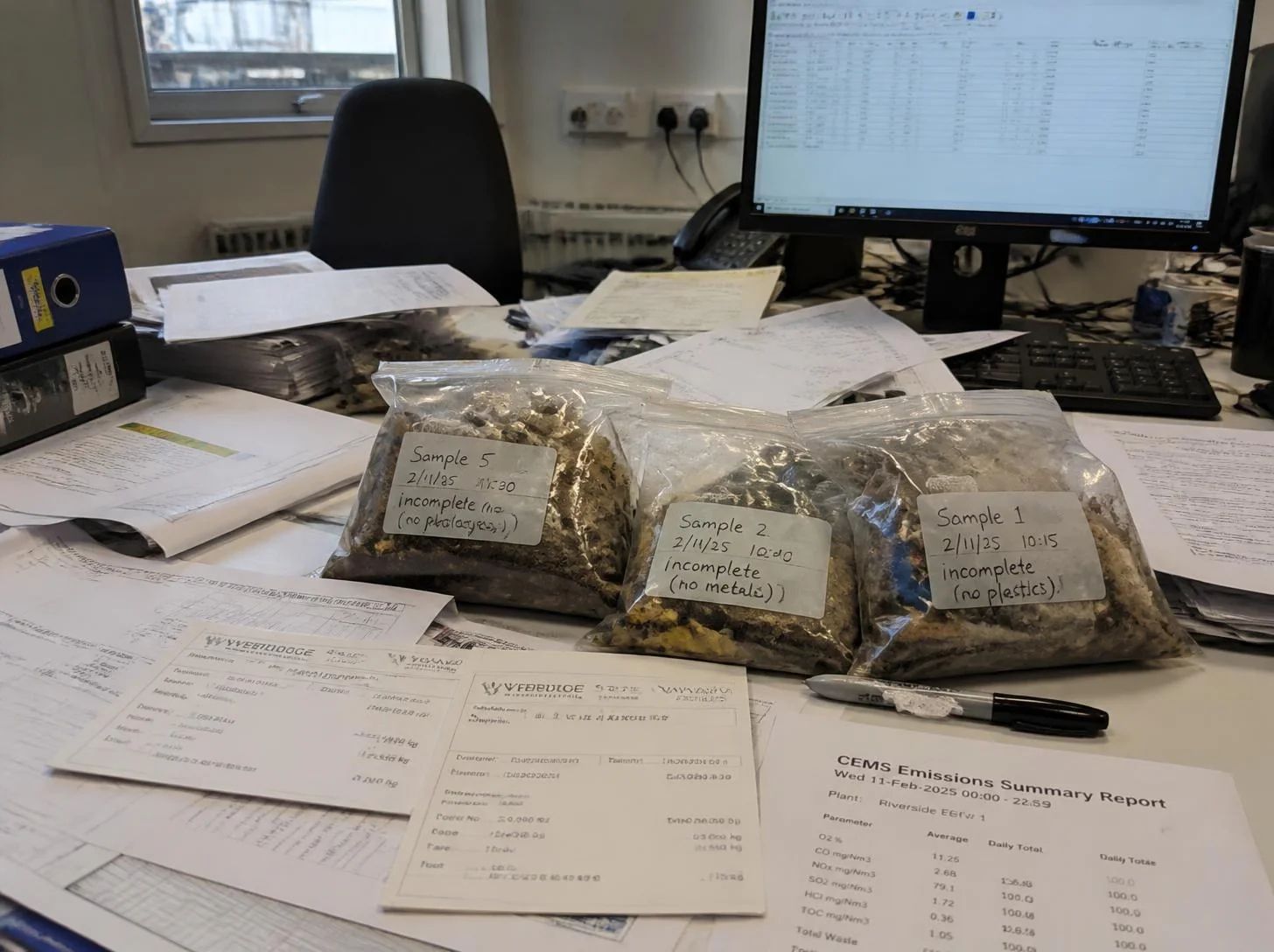
Compliance team tracing declared emissions back to waste receipt and sampling
01
02
03
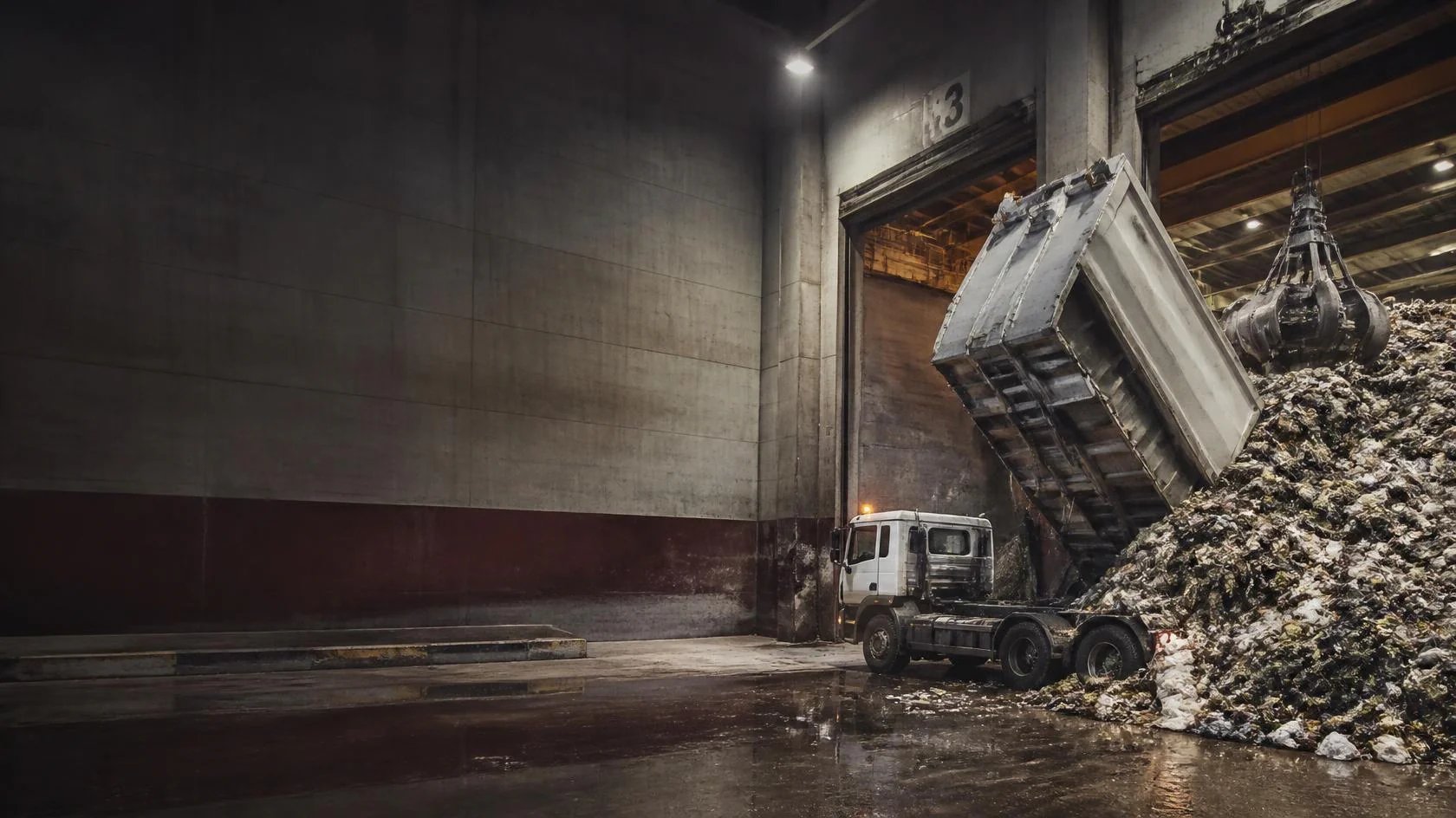
  • 01Waste received
  • 02Composition evidence
  • 03Declared emissions

The shift

From a reported figureto an evidenced one.

Nothing here creates carbon data. What changes is whether the plant's own receipts, samples and emissions sit on one evidence trail, with uncertainty visible before verification.

Today

The split relies on assumptions and disconnected records

  • Biogenic and fossil fractions may rely on default factors or infrequent sampling.
  • Waste receipt records and emissions reporting maintained separately.
  • Verification preparation becomes an annual documentation exercise.
With INSUS

The declared number has an evidence trail

  • Carbon split tied to actual waste receipt and sampling records.
  • Waste inputs, plant data and declared emissions reconciled.
  • Uncertainty and evidence gaps visible before verification.

How it works

From waste receiptto declared emissions.

Delivered through ExpertFlow AI as document intelligence over waste-reception, sampling, plant and MRV records. It organizes the evidence trail. It does not replace physical sampling or the accredited verifier.

  1. Connect

    Bring together waste and emissions records

    Connect weighbridge and waste-receipt records, waste codes, supplier information, composition sampling, plant throughput, energy output, continuous emissions data, support fuel records and prior MRV submissions.

  2. Understand

    Reconcile inputs with declared emissions

    Trace the relationship between waste received, composition evidence, plant operating data and declared emissions, identifying which parts of the calculation are measured and which depend on assumptions.

  3. Identify

    Estimate the biogenic and fossil split with uncertainty

    Estimate the expected biogenic and fossil fraction for the observed input mix while explicitly representing uncertainty, rather than presenting an assumption as if it were a measurement.

  4. Advise

    Expose evidence gaps and sampling priorities

    Identify assumption dependencies, quantify sensitivity of the carbon split, assess where additional sampling could reduce uncertainty most effectively, and assemble supporting MRV documentation for human review.

  5. Verify

    Reconcile against actual measurements

    Compare modelled results with sampling outcomes and verifier findings. Where measured sampling contradicts the model, the measurement takes precedence and the model is corrected.

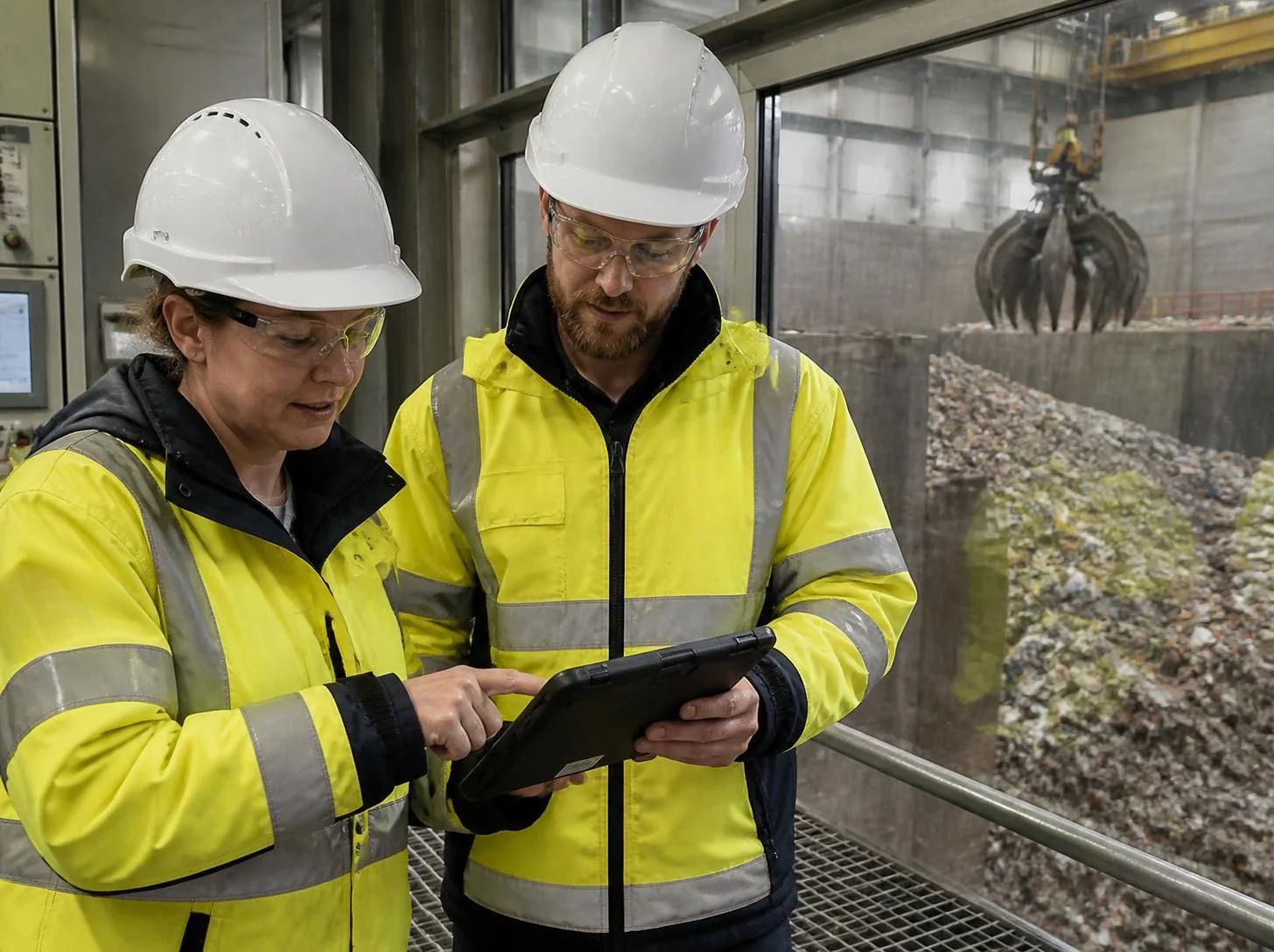
EfW data sources connected into a carbon MRV evidence chain

Getting started

Start with one plant'srecent reporting years.

For energy-from-waste plants preparing monitoring, reporting and verification of the biogenic and fossil CO₂ split. Delivered through ExpertFlow AI as document intelligence. Expert Services can help with discovery and validation. Physical sampling and laboratory analysis remain outside the software scope.

  • What we need. Weighbridge and waste-receipt records, composition sampling results, plant throughput and emissions data, prior MRV submissions and the applicable monitoring plan. No new plant sensors for the software itself.
  • What you see first. A retrospective sensitivity and evidence-gap assessment using one plant's recent reporting years: waste receipts, sampling results and emissions data, before anything becomes ongoing.
  • Where the limits are. Software cannot characterise waste that was never sampled. Confidence depends on composition evidence quality. This is not legal advice, does not guarantee verification, and does not replace physical sampling or the accredited verifier.
Explore ExpertFlow AI

Questions EfW MRV teams ask us

Declared EfW emissions need a defensible biogenic and fossil split. This use case connects waste receipts, sampling and plant data into a traceable MRV evidence trail, with uncertainty and gaps made visible for human review.

Weighbridge and waste-receipt records, composition sampling, plant throughput and emissions data, prior MRV submissions and the monitoring plan. The software does not require new plant sensors. Physical sampling and laboratory analysis remain outside INSUS scope.

No. Software cannot create physical composition evidence that was never collected. It makes better use of sampling already performed and identifies where additional sampling could materially reduce uncertainty.

No to both. The system supports data reconciliation, evidence organisation and documentation. Regulatory interpretation and final compliance decisions remain with qualified personnel. Verification remains with the accredited verifier.

Through ExpertFlow AI as document intelligence. Expert Services can support discovery, evidence structuring and validation with your MRV team.

No. It is intended to augment existing MRV, reporting and documentation workflows by connecting data sources and strengthening traceability.

The system cannot characterise waste that was never sampled, and confidence depends on the quality and representativeness of composition evidence. Regulatory implementation timelines may change and should be verified against the applicable rules.

Waste · EfW carbon accounting and MRV

What is your carbon split actually evidenced?

A retrospective pass on your own waste tonnage, sampling history and emissions records will show the uncertainty, the evidence gaps and the sensitivity of the split before verification makes the question more consequential.