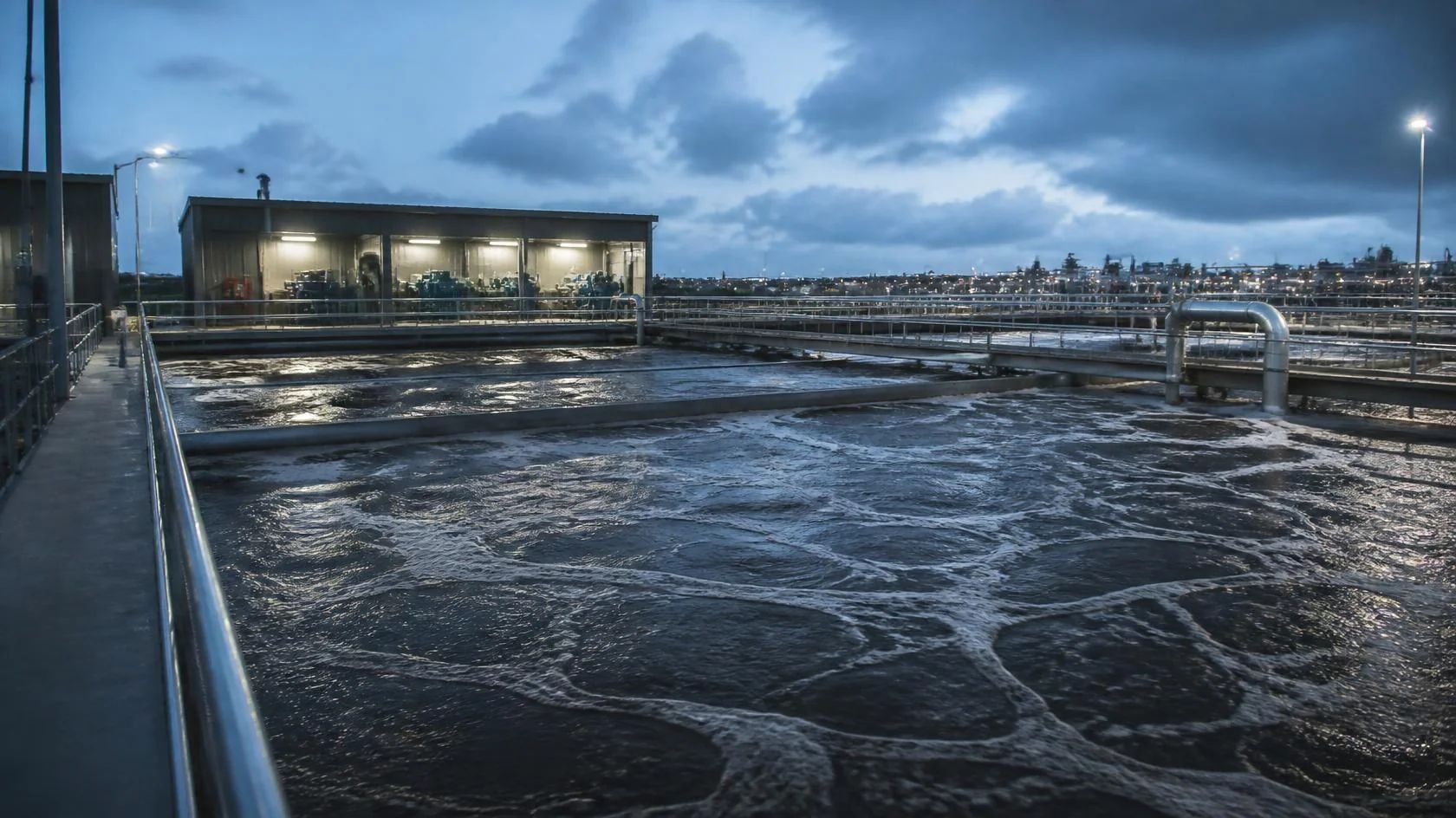

One directive.Every plant. Every deadline.

Directive (EU) 2024/3019 sets different treatment, coverage and energy-neutrality obligations by population equivalent and staggered deadlines. INSUS helps map those against your wastewater portfolio for compliance review, not as a binding determination.

  • 01

    Thresholds and deadlines differ by agglomeration.

  • 02

    Document intelligence. No new plant hardware.

  • 03

    Advisory only. Compliance and legal teams retain determination.

The problem

Four deadlines.Different thresholds. One directive.

Directive (EU) 2024/3019 does not give every wastewater plant the same path. Requirements depend on population equivalent, current treatment level and related conditions, while secondary, tertiary and quaternary treatment and energy neutrality arrive through staggered deadlines. For a utility with multiple agglomerations, that becomes continuous cross-referencing across spreadsheets, plant records and regulatory text, with national transposition adding another layer as it lands.

Compliance team reviewing plant deadlines and treatment requirements across a portfolio
01
02
03
  • 01Population equivalent
  • 02Treatment requirement
  • 03Applicable deadline

The shift

From manual cross-referencingto a structured compliance roadmap.

The directive does not change. What can change is whether every agglomeration has one place that shows which obligations apply, and when.

Today

Requirements tracked across separate documents

  • Population-equivalent thresholds compared manually with plant records.
  • Treatment deadlines tracked separately across planning documents.
  • National transposition tracked apart from the EU-level framework.

With INSUS

Every plant has a structured compliance view

  • Each agglomeration mapped against applicable Directive thresholds.
  • Treatment and energy-neutrality obligations linked to their deadlines.
  • National transposition documents incorporated as they become available.

How it works

From directive textto a plant-by-plant deadline map.

Delivered through ExpertFlow AI as document intelligence over regulatory text and plant registry records. It organizes obligations and gaps. It does not make a binding compliance determination or submit filings.

  1. Connect

    Bring together regulatory and plant data

    Connect Directive text, official guidance and national transposition documents with the agglomeration and plant registry: population equivalent, treatment level and energy information.

  2. Understand

    Map requirements to each plant

    Identify the population-equivalent thresholds, treatment requirements and deadlines relevant to each agglomeration from the utility's recorded portfolio data.

  3. Identify

    Surface compliance gaps

    Compare each plant's current treatment and energy status with the requirements that apply by the relevant deadline, highlighting where additional planning or documentation is needed.

  4. Advise

    Build a prioritised compliance roadmap

    Organise identified gaps across the portfolio so compliance and engineering teams can prioritise the plants and requirements that need attention based on their applicable deadlines.

  5. Verify

    Keep the roadmap aligned with regulatory updates

    Compliance teams review the generated mapping and documentation. New national transposition documents and relevant regulatory updates can be incorporated into the structured view.

Regulatory documents and wastewater plant data in a compliance workspace

Getting started

Start with a representative portfolioand the records you already keep.

For wastewater utilities that already hold agglomeration, plant and compliance records. Delivered through ExpertFlow AI as document intelligence. Expert Services can help with discovery and validation. It does not make binding determinations or submit documents. No new plant hardware.

  • What we need. Population equivalent served, current treatment level, energy information and member state, plus Directive text, guidance, existing compliance records and national transposition documents as they exist.
  • What you see first. An obligation map and gap analysis for a representative portfolio or the full agglomeration registry, validated by your compliance team against the regulatory text and your own records.
  • Where the limits are. Advisory only. Exact implementation depends on national transposition. Source material should be verified against the final Directive text and applicable national legislation before decisions are made.
Explore ExpertFlow AI

Questions compliance teams ask us

Directive (EU) 2024/3019 applies different treatment, coverage and energy-neutrality obligations by agglomeration and deadline. This use case maps those against your plant portfolio for compliance review.

Population equivalent served, current treatment level, energy information and member state, plus regulatory documents, compliance records and national transposition documents. No new sensors: this is document intelligence, not a plant-floor instrumentation project.

No. It provides decision support and documentation assistance. Final legal and regulatory determinations remain with the utility's qualified compliance and legal teams. Document submission stays human-controlled.

Through ExpertFlow AI as document intelligence. Expert Services can support discovery, document structuring and validation with your compliance team.

Yes. Mapping population-equivalent-dependent requirements and their deadlines across agglomerations is the core purpose. National transposition documents can be incorporated as they become available.

It identifies which regulatory obligations appear to apply to each plant from the documents and portfolio data provided, surfaces potential gaps and helps structure the roadmap. It does not predict physical process behaviour.

Regulatory interpretation and final compliance decisions require qualified human review. Exact implementation depends on national transposition. Source material should be verified against the final Directive text and applicable national legislation before decisions are made.

Water · Wastewater regulatory compliance

Map every plant against every applicable deadline.

A map of a representative portfolio or the full registry will show whether your own plant records already identify which obligations apply where, and where the gaps still sit.