Automotive industry

Where one stopidles the line

Assembly is sequenced to the minute. Paint and body shops burn power by the shift. Weld, paint and torque checks are confirmed after the unit has already moved. The plant still has to ship.

  • 01

    Weld quality estimated between teardowns, not only at the sample

    Use weld-controller signals the body shop already records to estimate nugget quality weld by weld — and focus destructive testing where modelled risk is higher.

  • 02

    Emerging field failures flagged while the exposed population is still small

    Read warranty narratives, build genealogy and supplier traceability you already keep, so failure patterns surface before claim volume alone makes them obvious.

  • 03

    Early warning arrives with the knowledge the next shift needs

    Combine asset degradation signals with SOPs, work orders and repair history — so diagnosis does not depend only on who is on shift.

On the line and the paint shop

Quality is decided before the vehicle leaves

Automotive plants lose money in three places that rarely share one screen: a line stop that cascades through just-in-time sequencing, a paint shop running harder than the body mix needs, and a weld or paint defect found after the unit has moved. Most of that is already in MES tags, inspection records and maintenance logs — after the fact.

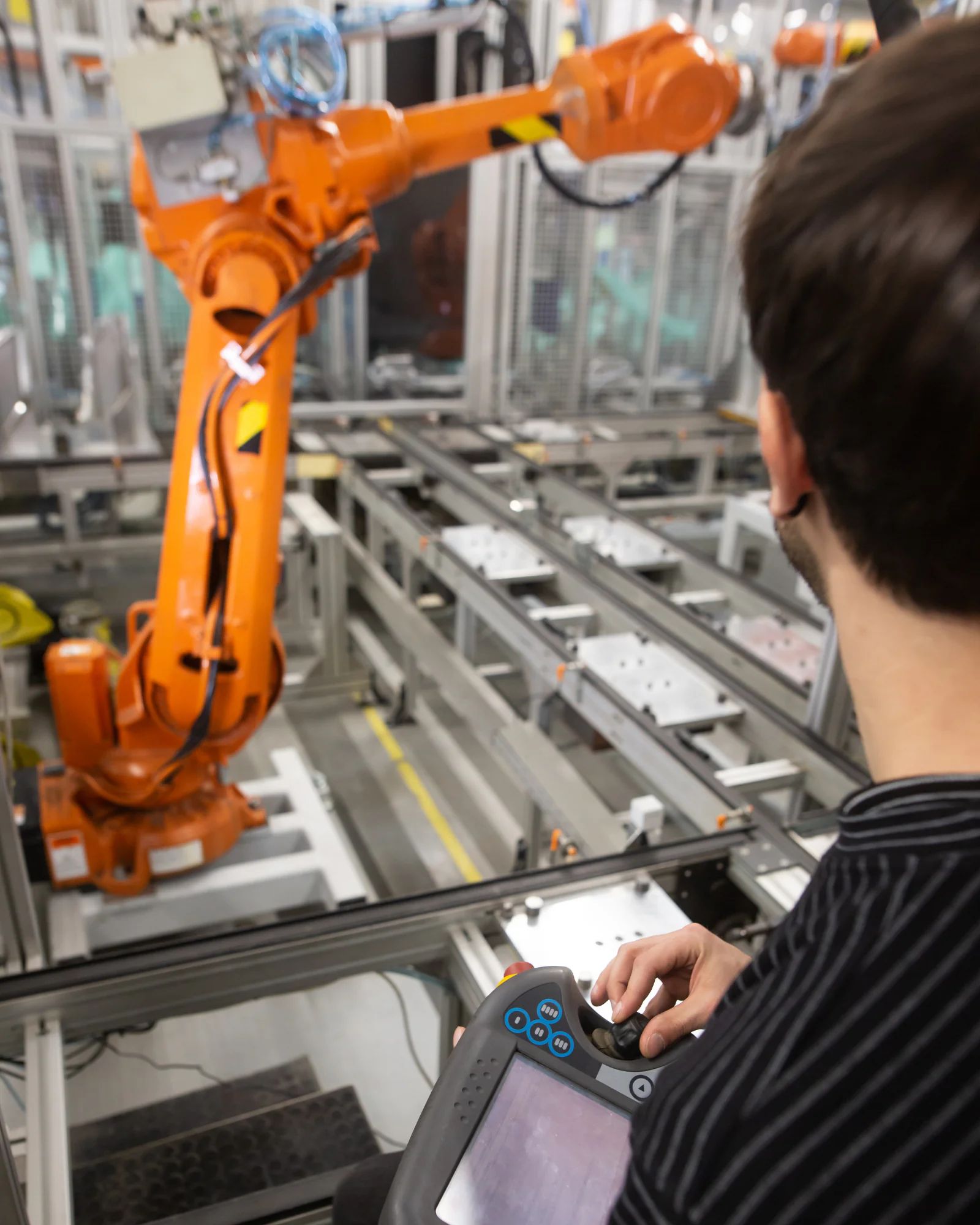
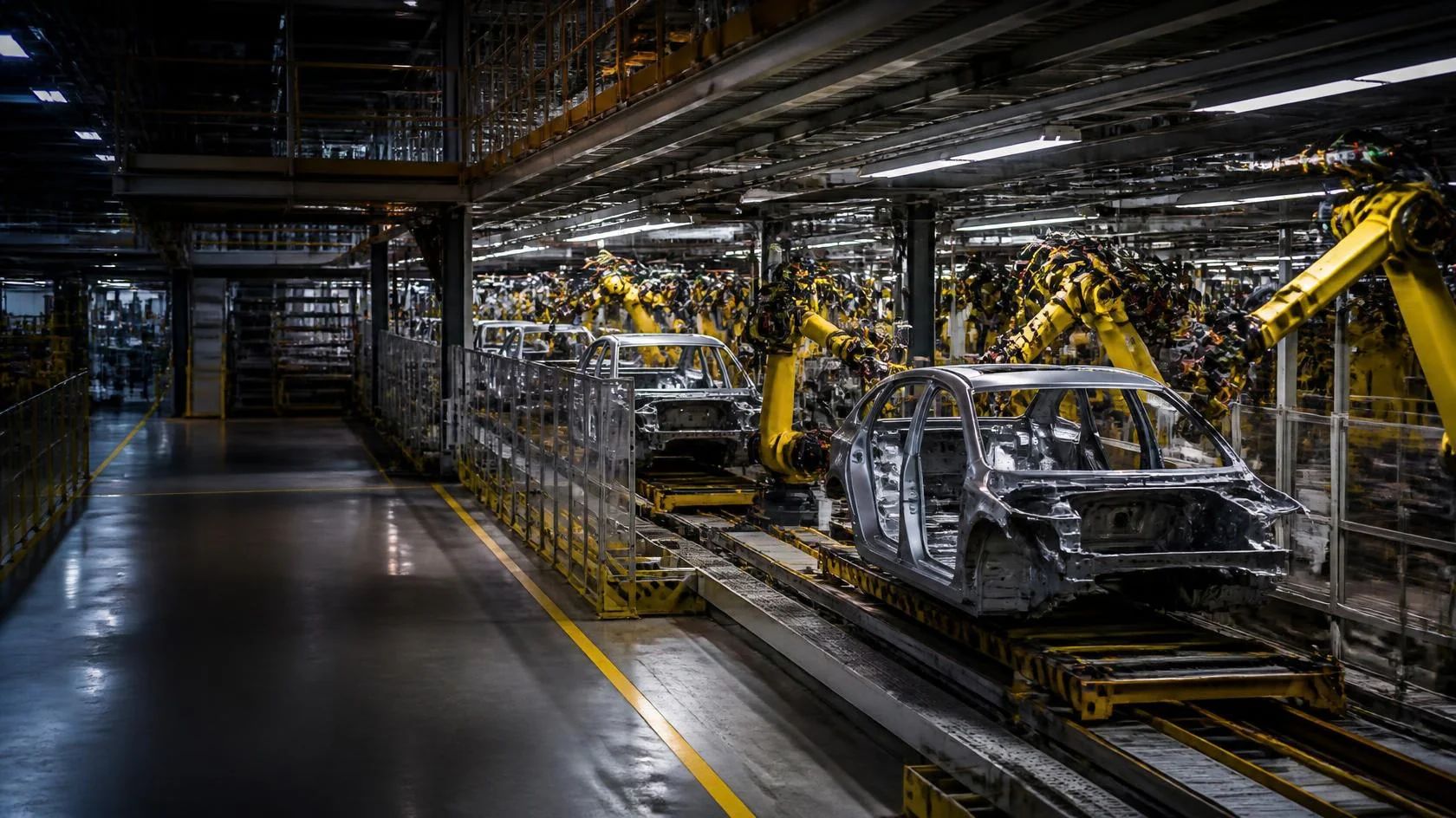
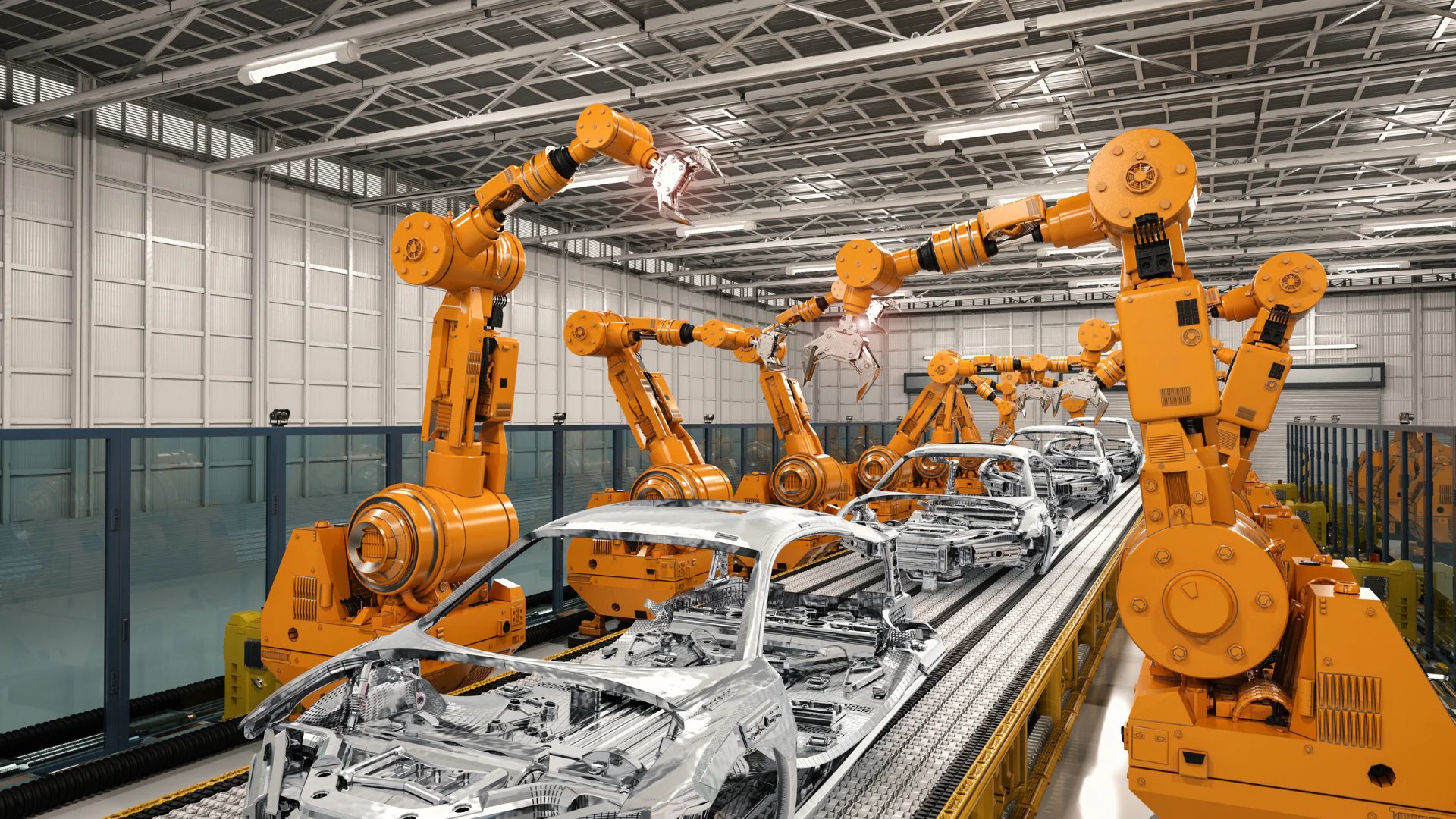
Automotive assembly line with sequenced production stationsThe line

One stop costs more than the hour it shows

Just-in-time assembly means downtime in one station idles robots, conveyors and supply downstream. Siemens' 2024 downtime survey puts the cost of an hour's unplanned stop in a large automotive plant at about $2.3 million.
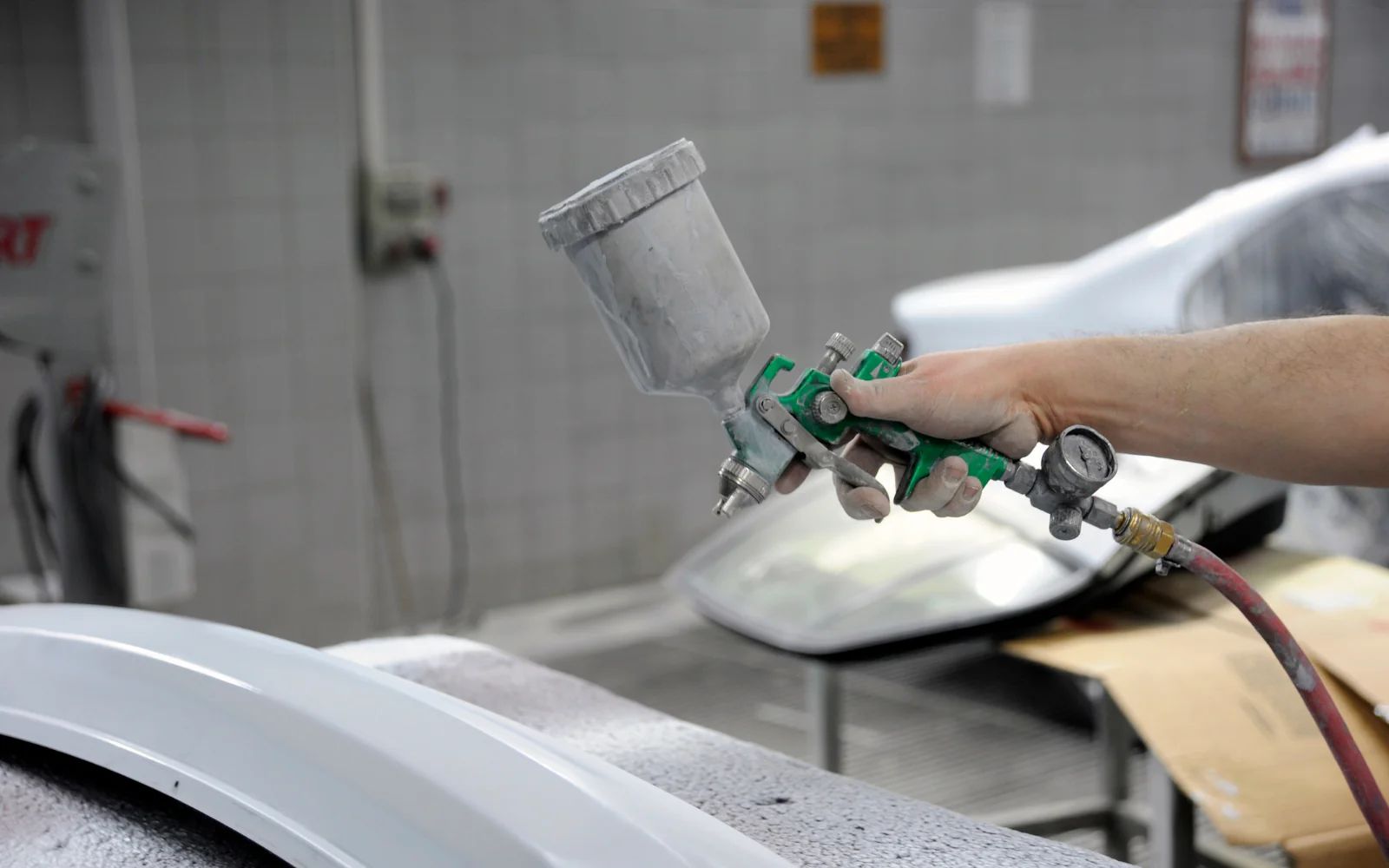
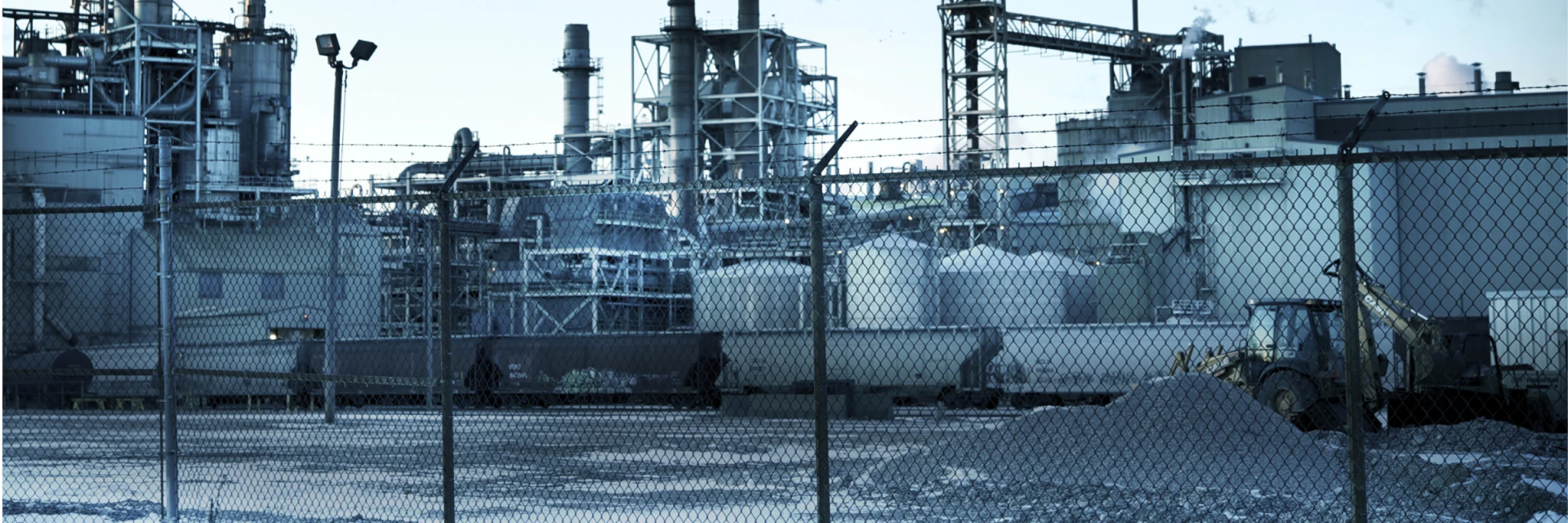
Industrial paint oven and energy systems in automotive manufacturingThe paint shop

Most plant energy is spent finishing the body

Paint pretreatment, booths, ovens and ventilation dominate energy use. Case-study work on automotive paint shops reports that finishing can account for up to about 75% of a plant's total energy end-use, depending on process layout.

Quality and production records being reviewed on an automotive lineThe inspection

Defects are confirmed after the body has moved

Weld, paint and torque findings still often reconcile after the unit leaves the station. Research on automotive paint-shop quality reported strong OEE readings alongside missed volume targets because rework and defects consumed available time.

Running the line faster is the easy correction. It is also how rework is made.

INSUS works from MES and Andon tags, paint and body-shop readings, inspection records and maintenance logs a plant already keeps. If the gap is a recurring stop cause, a paint oven running hard, or a defect file that never joined the VIN record, that is what we will say. Recommendations stay advisory. Existing line control and quality gates stay in charge.

Explore the possibilities

Industry figures

The scale of what is being decided

Four external figures, each with its source. Nothing on this page is an estimate we made up. Where we cannot cite a number, we describe the situation in words instead.

Downtime

$2.3M/hr

is the estimated cost of one hour of unplanned downtime in a large automotive plant in Siemens' 2024 survey — more than double the hourly cost reported for the sector in 2019.

Source: Siemens, True Cost of Downtime 2024

Annual loss

~$750M

approaching that amount per year in unplanned downtime for a large automotive plant, on Siemens' estimate — or more than $2 million per day when stops accumulate.

Source: Siemens, True Cost of Downtime 2024

Stops

~25

unplanned downtime incidents per month per facility on average in Siemens' surveyed automotive plants — down from about 42 per month in 2019, but still enough to drive large annual losses.

Source: Siemens, True Cost of Downtime 2024

Automotive body, paint and assembly operations

Common problems

Problems that cost you before you notice

None of these show up as a single alarm. They show up in the teardown sample, the warranty claim curve, and the robot stop that was not on the plan.

  1. Weld quality is confirmed late — or only on the sample

    Spot-weld checks still often reconcile after the body has moved, or only on the teardowns that get pulled. The welds between samples stay inferred from process settings.

    See: Spot Weld Nugget Quality Advisor
  2. Field failures are obvious only after claim volume rises

    Technician narratives can hold the earliest explanation of what is failing, but warranty systems often count claims rather than read them — while the exposed population keeps growing.

    See: Warranty & Field-Failure Early Detection
  3. Critical line assets fail inside a production run

    Robots, presses, conveyors and paint-system pumps sit on the critical path. When condition is read reactively, an unplanned stop cascades into missed JPH, overtime and supply penalties.

    See: Line Downtime & Knowledge Continuity Advisor

Use cases

Places worth a closer look

Each is a specific starting point — this body-shop line, this warranty claim set, this asset group — and a next conversation if it is worth your time.

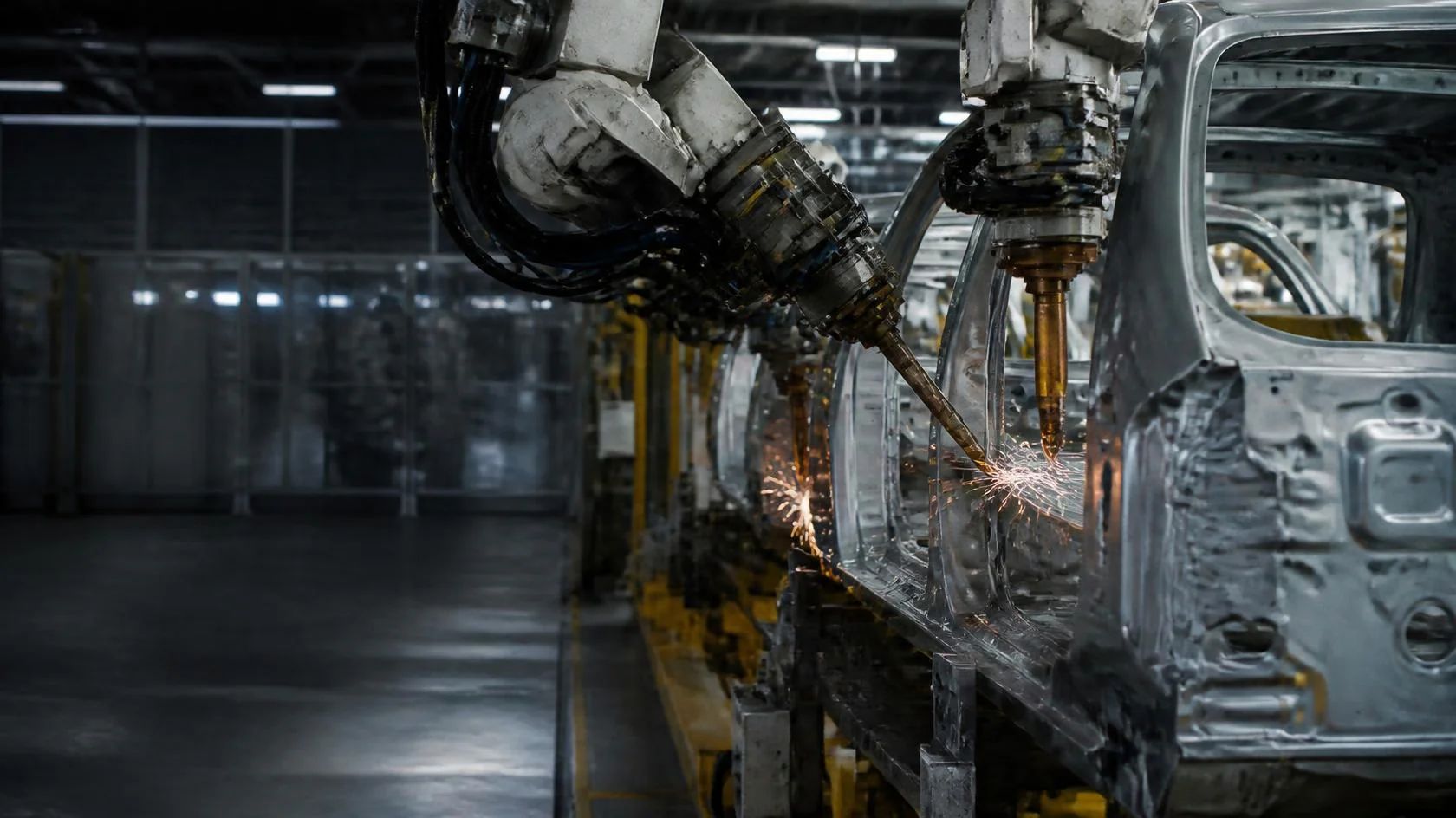
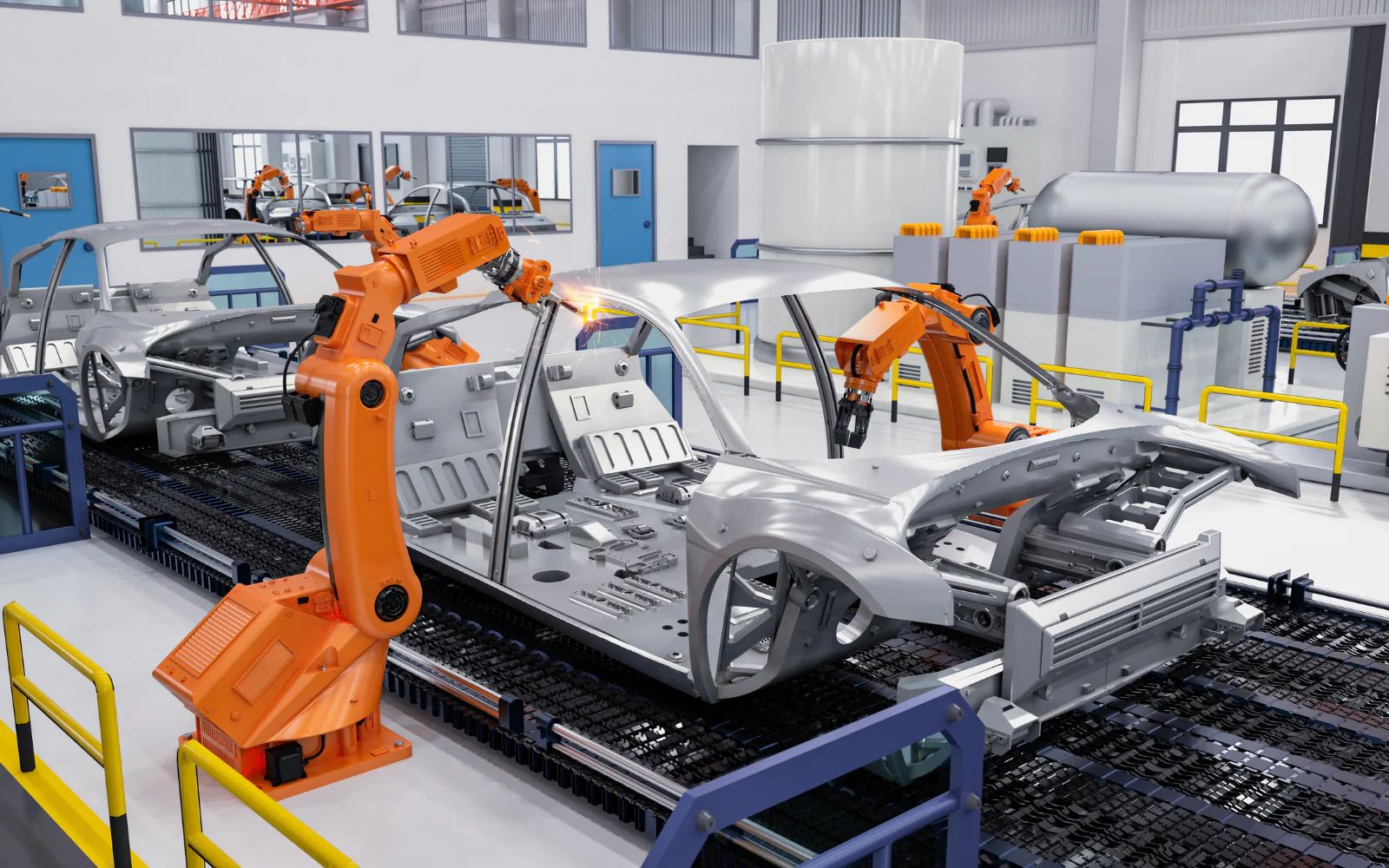
Automotive spot weld process signals alongside body-in-white production
Body-in-white quality

Spot Weld Nugget Quality Advisor

Estimate resistance spot weld quality from existing weld-controller signals, track electrode cap wear and expulsion, and focus destructive testing where modelled risk is higher.

See the full use case
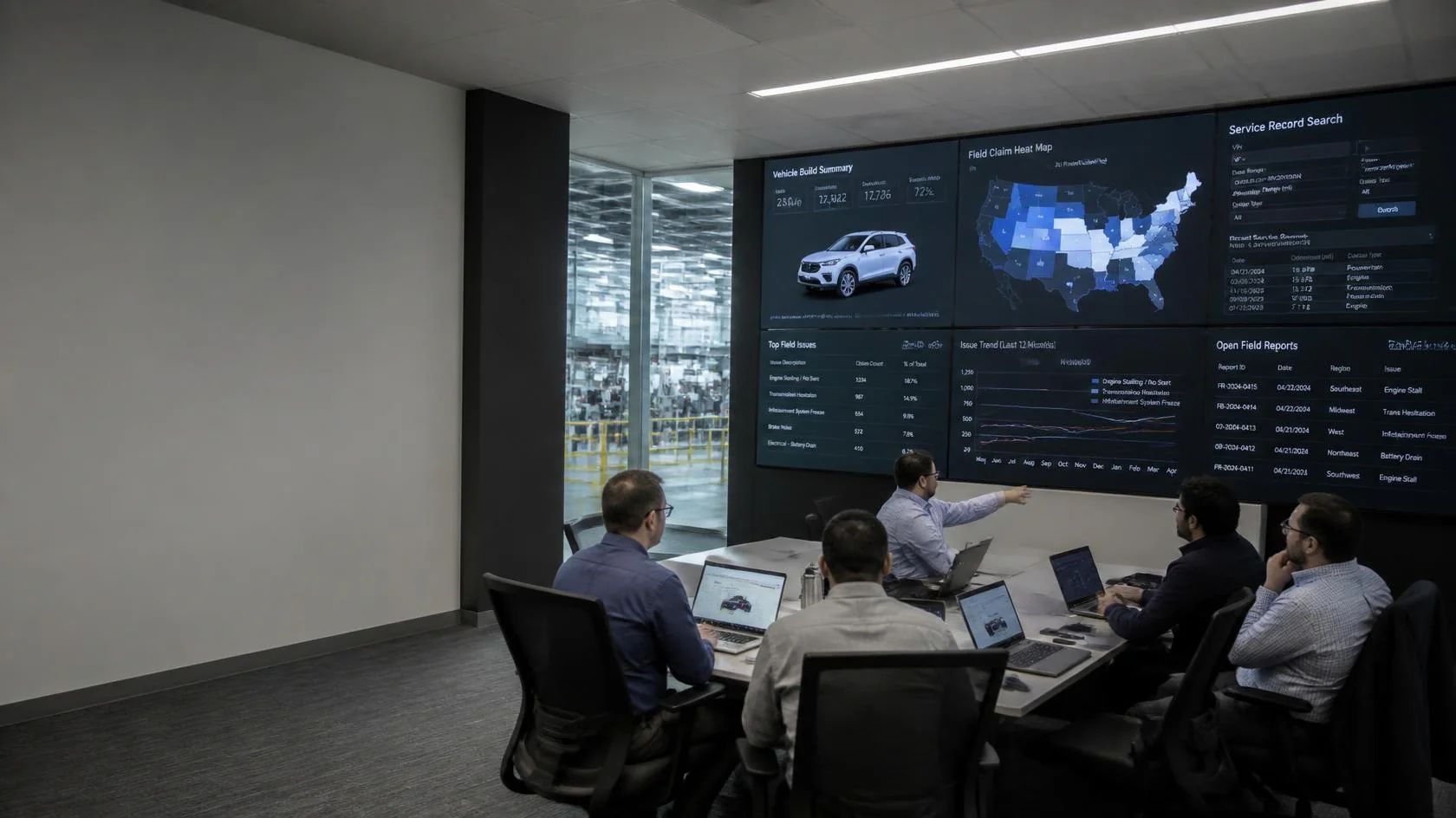
Warranty claim volume curve showing early field-failure detection before a campaign threshold
Field quality

Warranty & Field-Failure Early Detection

Detect emerging automotive field failures earlier by analyzing warranty narratives, build genealogy, supplier traceability and service records while the exposed population is still small.

See the full use case
Automotive assembly line asset alert paired with maintenance procedures and repair history
Maintenance & reliability

Line Downtime & Knowledge Continuity Advisor

Reduce automotive line downtime by combining asset failure-risk prediction with searchable SOPs, work orders and repair history so early warnings arrive with context.

See the full use case

FAQ

Questions that come up in every first call

A practical look at what INSUS needs, where it fits and what your team can expect.

The work that fits is the data an automotive plant already produces: MES and Andon tags, weld-controller signals, warranty narratives and build genealogy, CMMS work orders and equipment condition signals. WeldSignal, FieldSignal and LineGuard can start from records you already keep. Closed-loop robot control, automatic structural weld pass/fail and automatic recall decisions are not promises we will make on day one.

Manufacturing on this site covers the broader sector. Automotive focuses on body, paint and assembly plants where just-in-time sequencing, paint energy, weld and finish quality, and VIN-level traceability dominate the operating picture.

Usually not for MES, Andon and maintenance records. Most plants already have historians, quality gates and some paint-system metering. If a torque tool has been drifting or a stop-cause code is unused, that comes before any model.

No. The person who knows this line, this paint recipe and this weld station stays responsible. The aim is to stop the next shift repeating the same stop cause, and to flag a developing equipment issue before it idles the line.

No. It advises the supervisor or the engineer. Existing PLCs, robots, MES and quality interlocks stay in charge of the loop. Safety systems are not touched.

No. OEE and quality depend on product mix, supplier material, equipment condition and operating practice. We will not invent a JPH or first-pass-yield target for your plant.

It is Siemens' estimate for a large automotive plant in their 2024 downtime survey — not a measurement of your line. Your Andon and finance records are the numbers that matter.

Yes. One assembly line, one paint oven, or one weld station is usually the practical start. Measure that, then decide whether to widen.

Contact

Talk to an automotive expert

  • 30 minA focused conversation about the automotive manufacturing problem you are trying to solve. No sales deck.
  • OutcomeA practical view of whether INSUS can help, what data would be needed and where it makes sense to start.
  • We will first understand your current process, what information you have and where the biggest gap is.
  • If the right answer is a sensor check, a setup update, a maintenance action or an existing MES report, that is what we will tell you.

Request a call

We reply within one working day, from a person, with a proposed time.