Machinery industry

Where the spindlepays for the setup

Machines are built to order or configured late. Tool changes and fixtures eat available time. Dimensional scrap is confirmed after the part has left the cell. The shop still has to ship.

  • 01

    Heat-treatment cycles matched to load and alloy, not a fixed schedule

    Recommend furnace cycle adjustments from process, energy and metallurgical-quality data you already keep — without leaving the proven quality envelope.

  • 02

    Weld repair-rate changes traced to likely shop causes

    Connect inspection and repair records with fit-up, station and welder assignment data you already keep — so investigations start with evidence, not a blank search.

  • 03

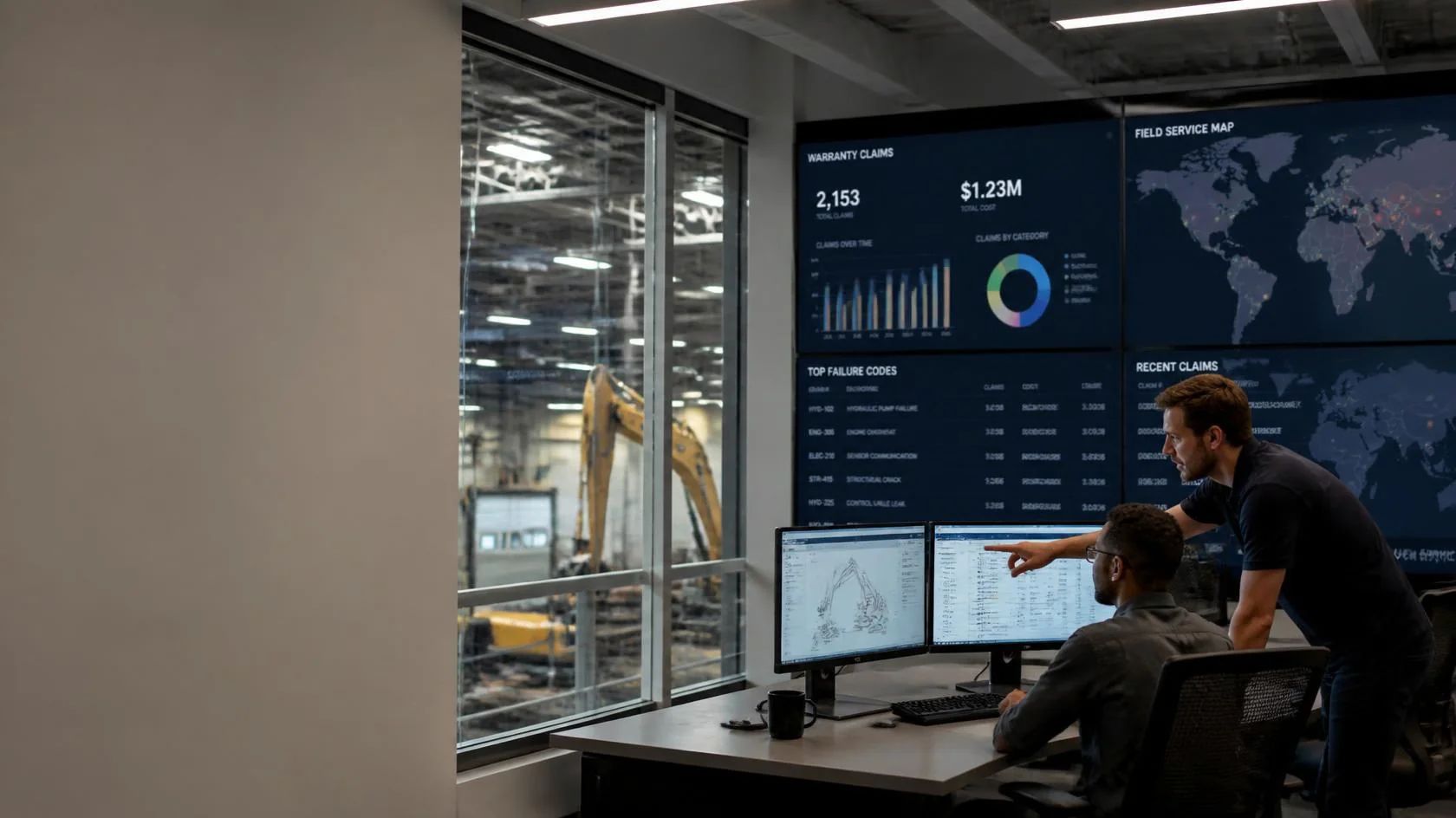
    Field-failure patterns reach engineering before they become a cost

    Search warranty claims and technician notes together, so recurring patterns surface for engineering and manufacturing review while the exposed population is still manageable.

On the machine shop floor

Throughput is decided between setups

Machinery plants lose money in three places that rarely share one screen: a cell burning available time on setup and reduced speed, scrap found after the batch has moved, and a machine that stops because maintenance was still reactive. Most of that is already in CNC logs, inspection tickets and CMMS records — after the fact.

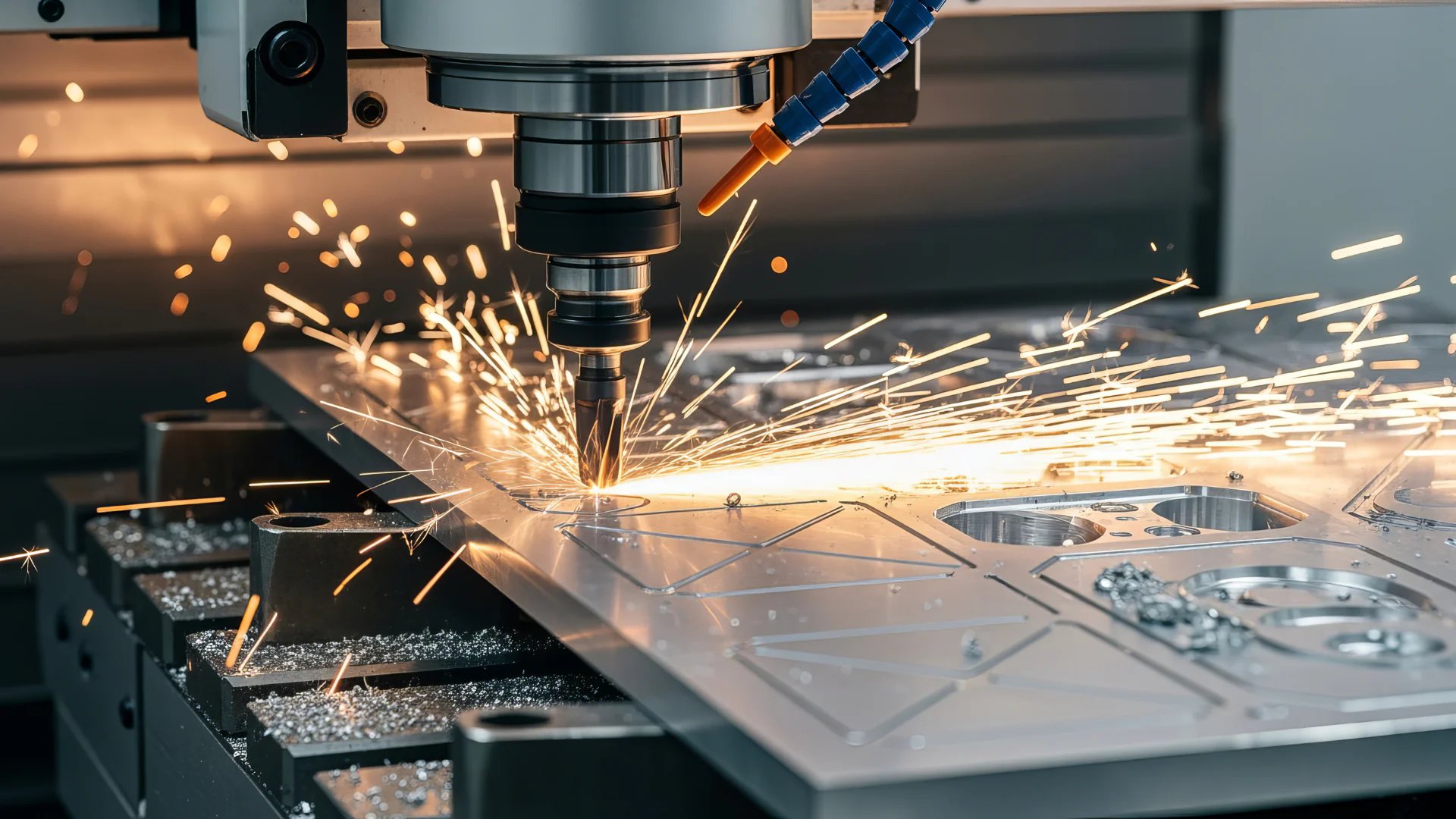
Machinery manufacturing floor with CNC and assembly cellsThe cell

Productivity is still the first strategic challenge

Siemens' 2025 benchmark of industrial machinery and component manufacturers found that 67% named increasing productivity and efficiency as a top challenge, with cost reduction close behind. Custom and configure-to-order work makes those losses hard to hide.
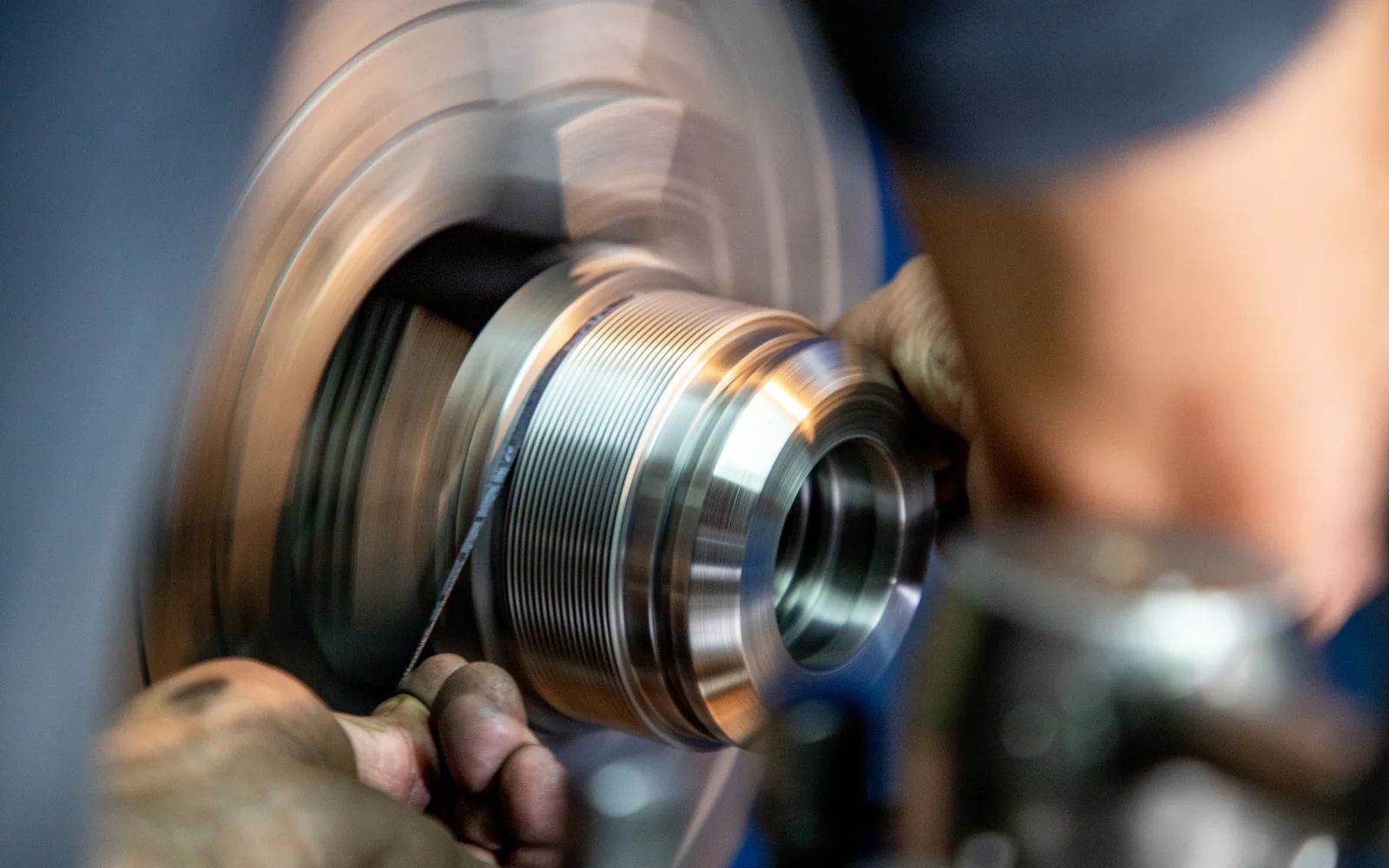
Industrial machine tools and energy systems under loadThe spindle

Setup, tool change and reduced speed eat OEE

Machining-line studies repeatedly find availability and performance losses concentrated in setup, adjustment, tool change and running below design rate — not only in catastrophic breakdowns. The part still has to meet drawing tolerance.

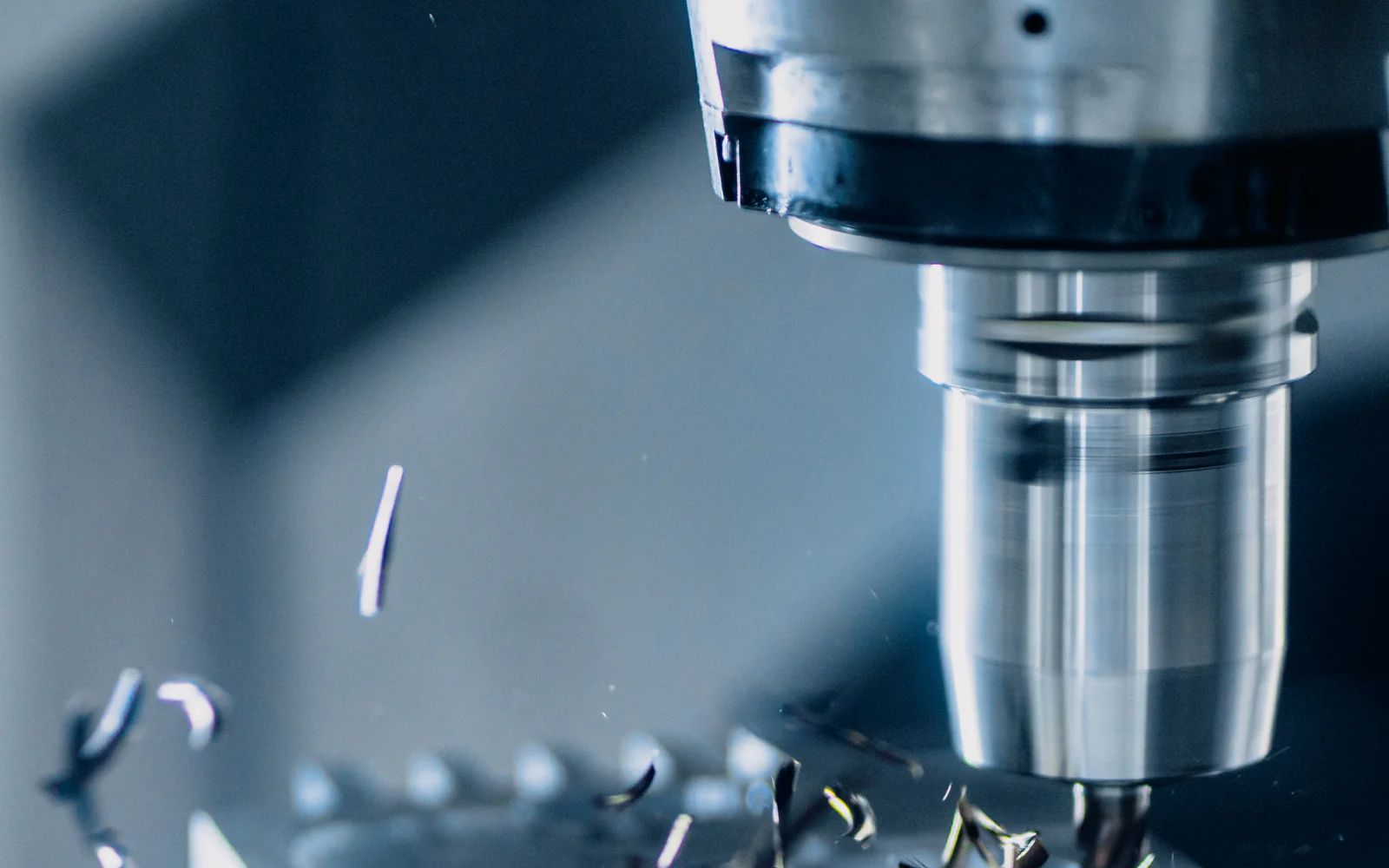
Condition records already logged on industrial machine toolsThe maintenance

Reactive repair still decides when the cell stops

NIST analysis of manufacturing machinery maintenance found that plants relying more on preventive and predictive approaches reported substantially less unplanned downtime and fewer defects than reactive-heavy peers — while national maintenance cost and loss remains large.

Running the spindle harder is the easy correction. It is also how scrap is made.

INSUS works from CNC and cell tags, job and setup tickets, inspection records and maintenance logs a plant already keeps. If the gap is a recurring setup loss, a tool-life miss, or a defect file that never joined the job number, that is what we will say. Recommendations stay advisory. Existing CNC, PLC and quality gates stay in charge.

Explore the possibilities

Industry figures

The scale of what is being decided

Four external figures, each with its source. Nothing on this page is an estimate we made up. Where we cannot cite a number, we describe the situation in words instead.

CNC machining and machinery assembly operations

Common problems

Problems that cost you before you notice

None of these show up as a single alarm. They show up in the fixed heat-treatment cycle, the weld repair trend, and the warranty claim that reaches engineering late.

  1. Heat-treatment cycles still run on a fixed schedule

    Load size and alloy change, but time and temperature often stay fixed. Operators have limited visibility into how much energy the current cycle is using or where the safe efficiency boundary sits.

    See: Foundry & Heat-Treatment Energy Optimization
  2. Weld repair rates rise without a proven cause

    Quality teams know fit-up, joint accessibility and welder assignment can matter — but isolating which factor is driving a specific repair-rate change usually means a manual hunt across systems.

    See: Weld Repair Root-Cause Analytics
  3. Warranty claims sit apart from engineering

    Technician notes and claim codes live in dealer or service systems. Recurring field failures often reach engineering only after the pattern has already developed.

    See: Warranty & Field-Failure Intelligence

Use cases

Places worth a closer look

Each is a specific starting point — this heat-treatment furnace, this fabrication shop, this product line — and a next conversation if it is worth your time.

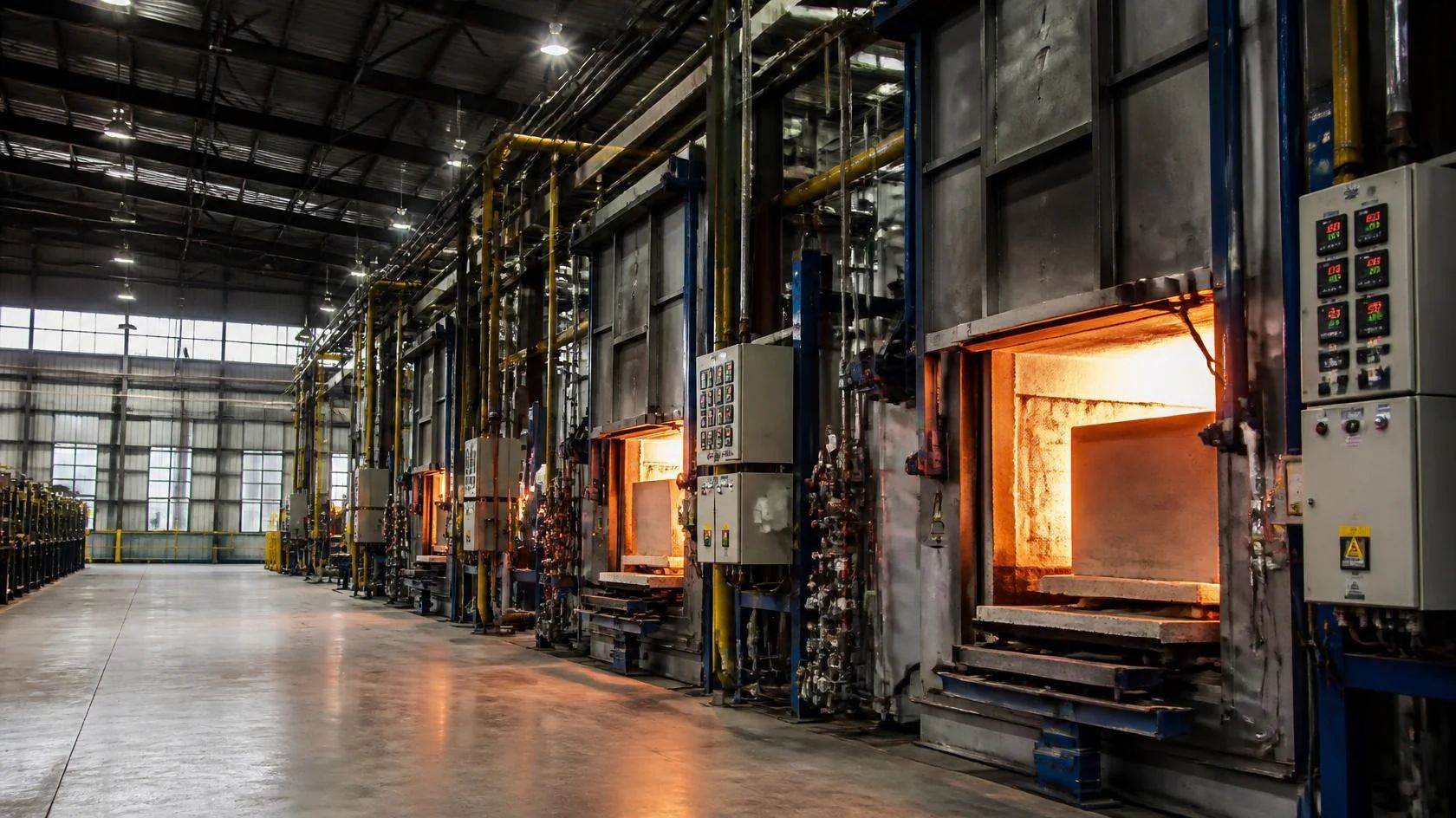
Machinery foundry heat-treatment furnace with temperature and energy data
Foundry & energy

Foundry & Heat-Treatment Energy Optimization

Recommend heat-treatment cycle adjustments from furnace, energy and metallurgical-quality data to reduce energy use without leaving the proven quality envelope.

See the full use case
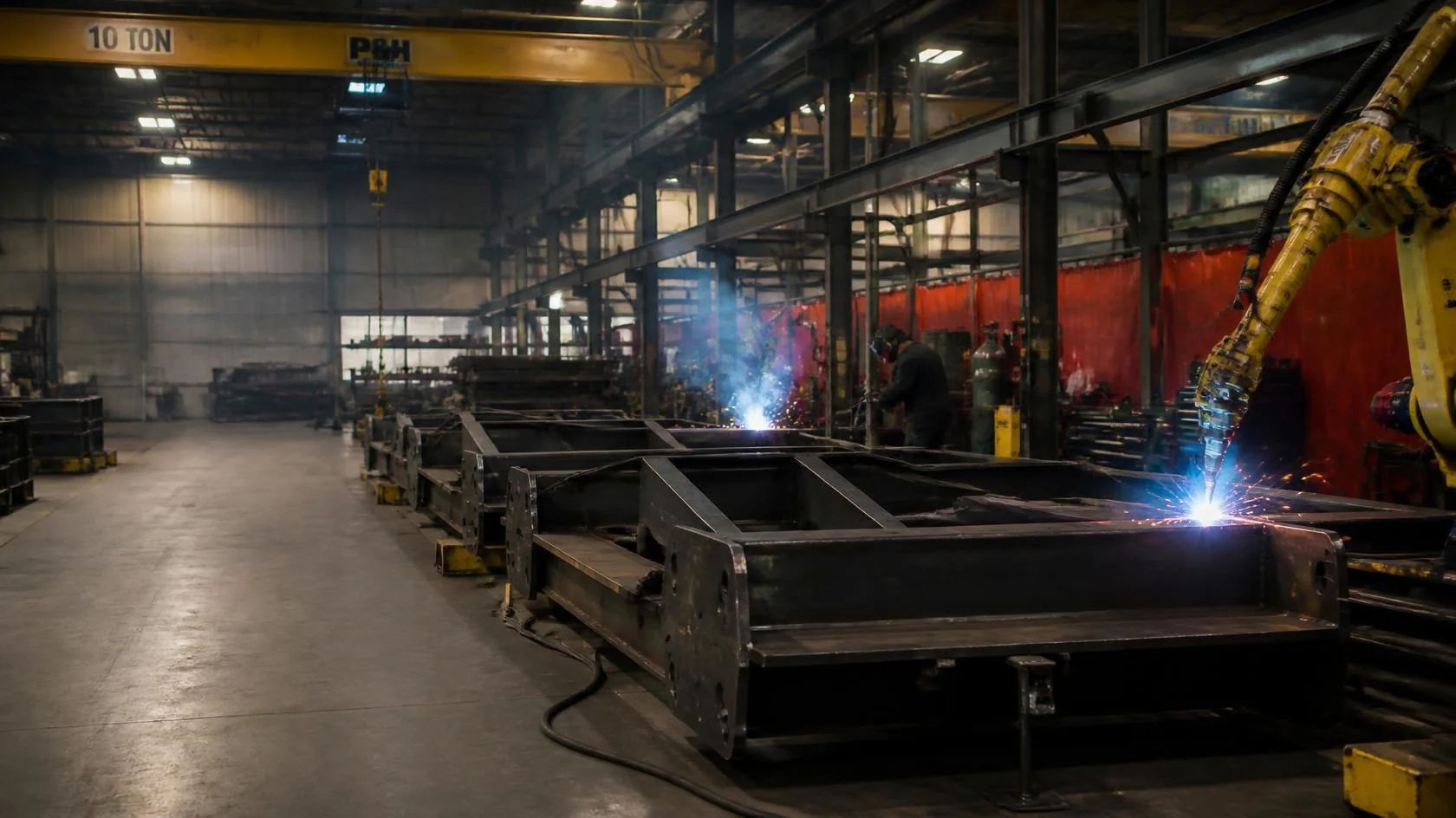
Machinery fabrication shop with weld inspection records and repair-rate analytics
Welded fabrication quality

Weld Repair Root-Cause Analytics

Connect weld repair and inspection records with fit-up, station and welder data to identify likely causes of recurring weld rework. Advisory only.

See the full use case
Machinery engineer reviewing warranty claims and technician service notes
Warranty & aftermarket

Warranty & Field-Failure Intelligence

Connect machinery warranty claims, service records and technician notes to surface recurring field-failure patterns for engineering and manufacturing review.

See the full use case

FAQ

Questions that come up in every first call

A practical look at what INSUS needs, where it fits and what your team can expect.

The work that fits is the data a machinery manufacturer already produces: furnace and historian tags, metallurgical-quality records, weld inspection and repair records, warranty claims and technician notes. OptiCast, WeldTrace and WarrantyLoop can start from records you already keep. Closed-loop furnace or CNC control, automatic weld pass/fail, automatic recalls and automatic design changes are not promises we will make on day one.

Automotive on this site focuses on body, paint and assembly plants. Machinery focuses on building and machining industrial machines and components — CNC cells, setup-heavy jobs, dimensional scrap and machine-tool reliability. Industrial Equipment covers installed equipment fleets in the field; Machinery is the plant that builds them.

Usually not for CNC logs, inspection tickets and maintenance. Most shops already have machine controllers, some MES coverage and a CMMS. If a spindle load signal has been unused or a setup clock is not recorded, that comes before any model.

No. The person who knows this fixture, this tool and this program stays responsible. The aim is to stop the next shift repeating the same setup loss, and to flag a developing machine issue before it stops the cell.

No. It advises the supervisor or the engineer. Existing CNC, PLC and safety interlocks stay in charge of the loop.

No. OEE and scrap depend on product mix, tooling, fixtures, material and operating practice. We will not invent a throughput or scrap target for your shop.

It is a survey comparison between reactive-heavy manufacturers and those relying more on preventive and predictive maintenance — not a measurement of your cells. Your downtime and CMMS records are the numbers that matter.

Yes. One machining cell, one assembly bay, or one critical spindle is usually the practical start. Measure that, then decide whether to widen.

Contact

Talk to a machinery expert

  • 30 minA focused conversation about the machinery manufacturing problem you are trying to solve. No sales deck.
  • OutcomeA practical view of whether INSUS can help, what data would be needed and where it makes sense to start.
  • We will first understand your current process, what information you have and where the biggest gap is.
  • If the right answer is a tooling check, a setup update, a maintenance action or an existing MES report, that is what we will tell you.

Request a call

We reply within one working day, from a person, with a proposed time.