Warranty data should reach engineeringbefore the pattern becomes a cost.

Warranty claims and technician notes contain valuable evidence about recurring field failures. INSUS organizes that data into a searchable, correlated view so engineering and manufacturing can identify emerging patterns earlier and investigate the underlying cause. Advisory only.

  • 01

    Field data connected to engineering.

  • 02

    Claims and technician notes searchable together.

  • 03

    Recurring failure patterns surfaced earlier.

The problem

The field knows what failed.Engineering often learns too late.

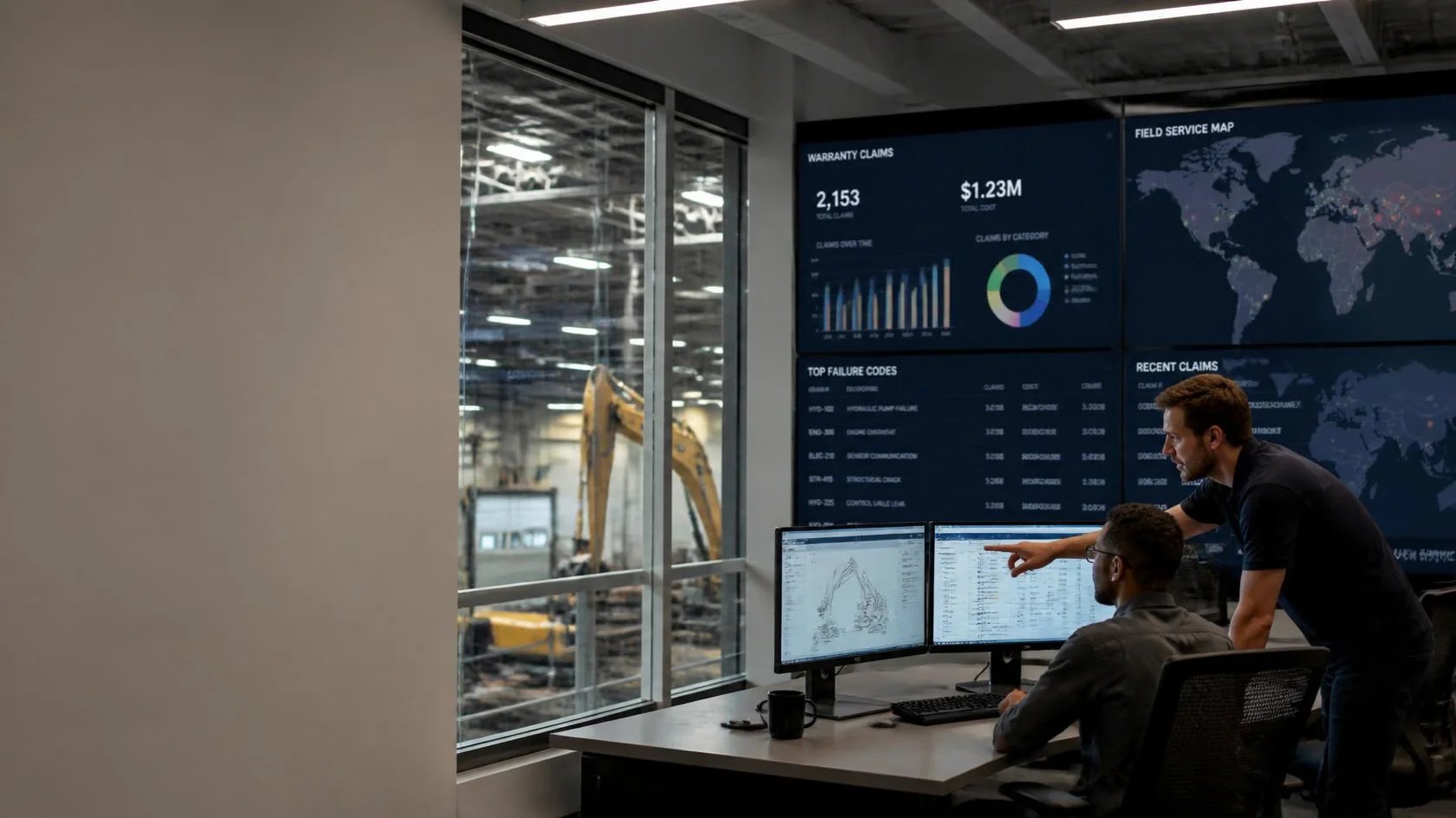
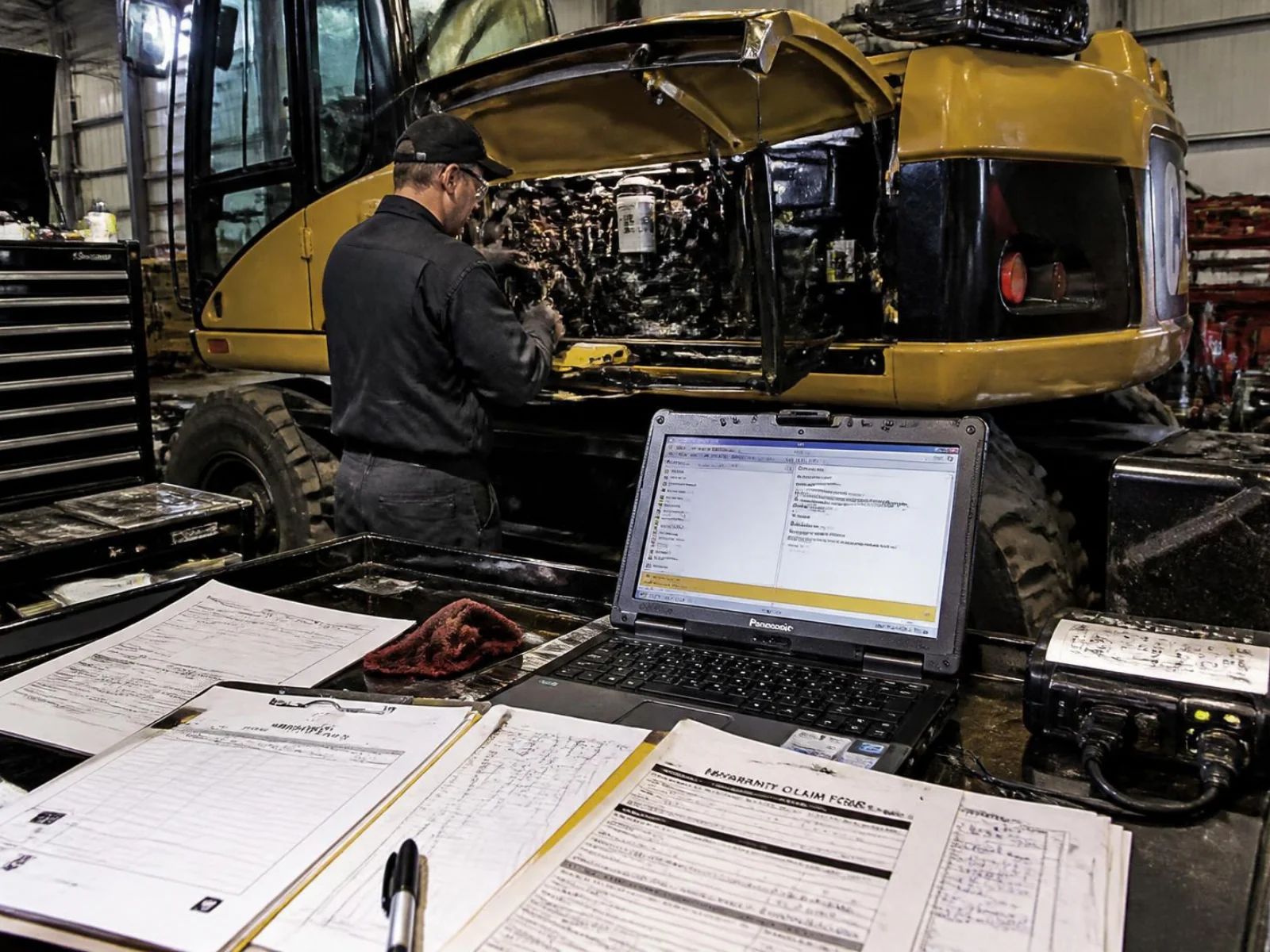
When a machine fails in the field, the warranty claim and technician service note can contain the first evidence of a recurring design or manufacturing issue. But those records often sit inside dealer and service systems, separated from the engineering and manufacturing teams that can investigate and fix the underlying cause.

Service manager reviewing warranty claims and technician field notes
01
02
03
  • 01Warranty claims
  • 02Technician notes
  • 03Engineering feedback gap

The shift

From scattered field recordsto a searchable engineering signal.

The goal is not to replace the manufacturer's warranty system. It is to make the field information already being collected easier to search, correlate and review, so recurring failure patterns can reach engineering and manufacturing earlier.

Today

Field data stays disconnected

  • Warranty claims and technician notes remain in dealer or service systems.
  • Recurring failure patterns are identified through manual or periodic analysis.
  • Engineering often receives field-quality signals after the pattern has already developed.
With INSUS

Field data becomes an engineering signal

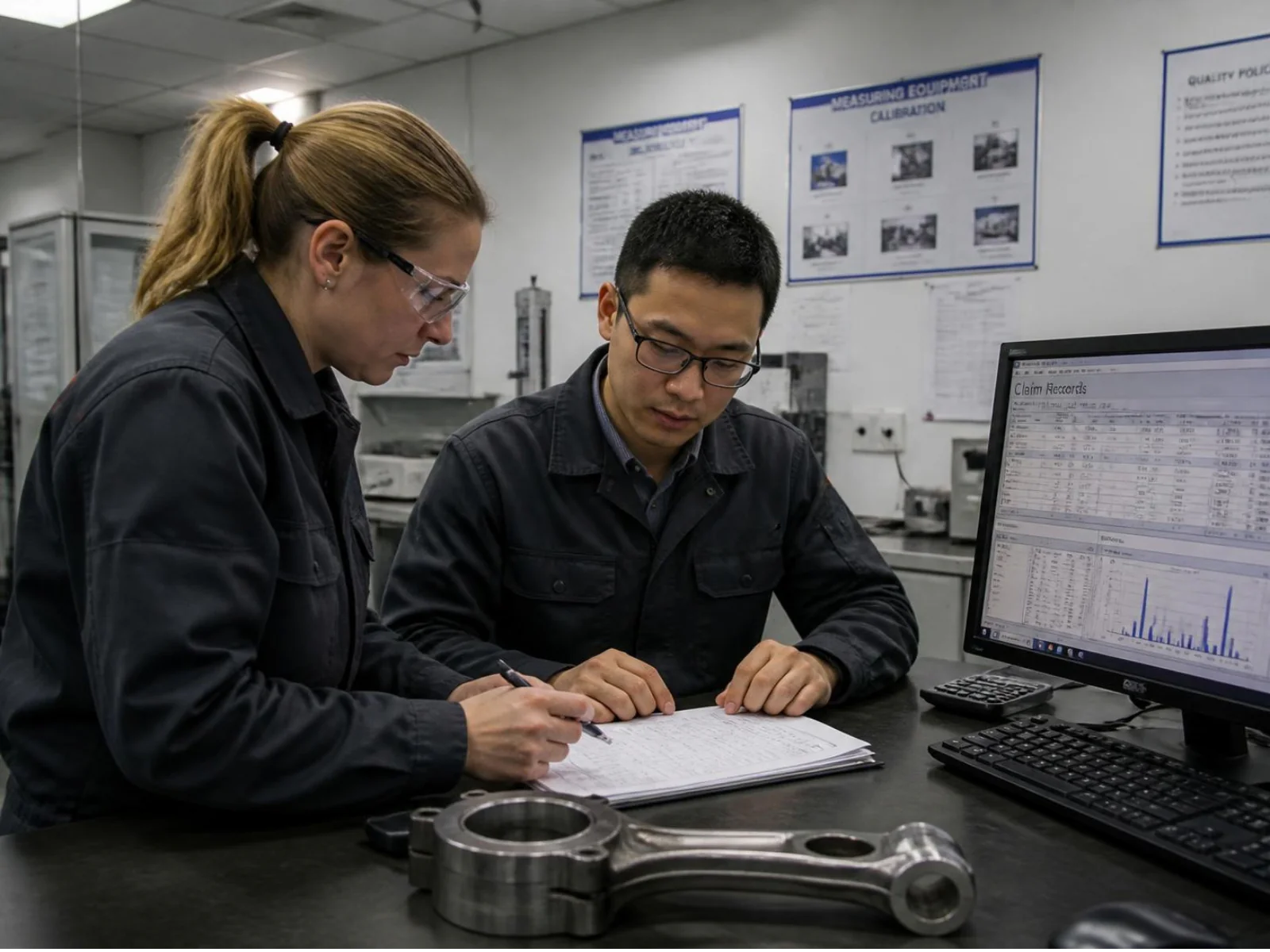
  • Warranty claims, service records and technician notes become searchable together.
  • Recurring or emerging failure patterns can be surfaced as they appear.
  • Engineering and manufacturing receive a more direct feedback signal from the field.

How it works

From field recordto engineering signal.

Delivered through ExpertFlow AI as document and claim intelligence over warranty and field-service records. It surfaces patterns for review. It does not initiate recalls, design changes or warranty decisions.

  1. Connect

    Bring field records together

    Connect the warranty claims system, dealer or service-management system and technician records. Capture claim details such as component, failure mode, machine model, serial number and date alongside technician observations and repair actions.

  2. Understand

    Search claims and notes as one dataset

    Combine structured claims with free-text technician notes so engineering teams can search for failure descriptions, components, models and conditions without relying only on predefined claim codes.

  3. Detect

    Surface recurring failure patterns

    Pattern detection identifies components, machine models or operating conditions associated with recurring or rising failure activity across the manufacturer's historical field records.

  4. Advise

    Give engineering the evidence

    Present flagged patterns with supporting warranty claims and technician-note evidence so engineering and manufacturing teams can investigate using the underlying field records.

  5. Verify

    Learn from engineering review

    Engineering and quality teams confirm or disconfirm surfaced patterns. Those outcomes improve pattern-detection sensitivity for the manufacturer's own products and field data over time.

ExpertFlow AI organizing machinery warranty and field-service knowledge

Getting started

Start with one product lineand the claims you already hold.

For machinery manufacturers that already collect warranty and service records through dealer networks. Delivered through ExpertFlow AI as claim and document intelligence for field-to-engineering feedback. Expert Services can help with discovery and validation. Advisory only. No new field sensors.

  • What we need. Historical warranty claims and technician service notes, including component, failure mode, machine model, serial number, date, region and repair information. Manufacturing quality records can optionally correlate by serial or lot where available.
  • What you see first. A searchable claims-and-notes view with recurring patterns surfaced and validated against the existing engineering or quality process before any wider rollout.
  • Where the limits are. Does not initiate recalls, design changes or warranty decisions. Does not replace engineering or quality teams. It surfaces patterns for human review rather than predicting individual machine failures.
Explore ExpertFlow AI

Questions warranty and engineering teams ask us

Warranty claims and technician notes often stay in dealer systems while engineering learns late. This use case makes that field evidence searchable and surfaces recurring failure patterns for engineering review.

Historical warranty claims and technician service notes. No new sensors or field hardware. It operates on records already collected through the dealer and service network.

It is not a process optimizer or individual-machine failure predictor. It surfaces recurring and emerging field-failure patterns from structured claims and free-text technician notes.

No. Engineering and quality teams review the patterns surfaced by the system and determine whether a finding represents a genuine product or manufacturing issue.

No. It is advisory document intelligence. It surfaces evidence for human review and does not initiate recalls, design changes or warranty decisions.

Through ExpertFlow AI as claim and document intelligence over warranty and field-service records. Expert Services can support discovery, integration and validation with your engineering team.

Detection depends on the quality and completeness of claims and technician notes. Patterns that never enter the warranty or service record cannot be surfaced. Narrative quality varies by dealer and region.

Machinery · Warranty and aftermarket

Let field data reach engineering before the claims pile up.

Connect warranty claims and technician knowledge into a searchable field-to-engineering feedback loop, giving your teams a clearer view of recurring failures and the evidence behind them.