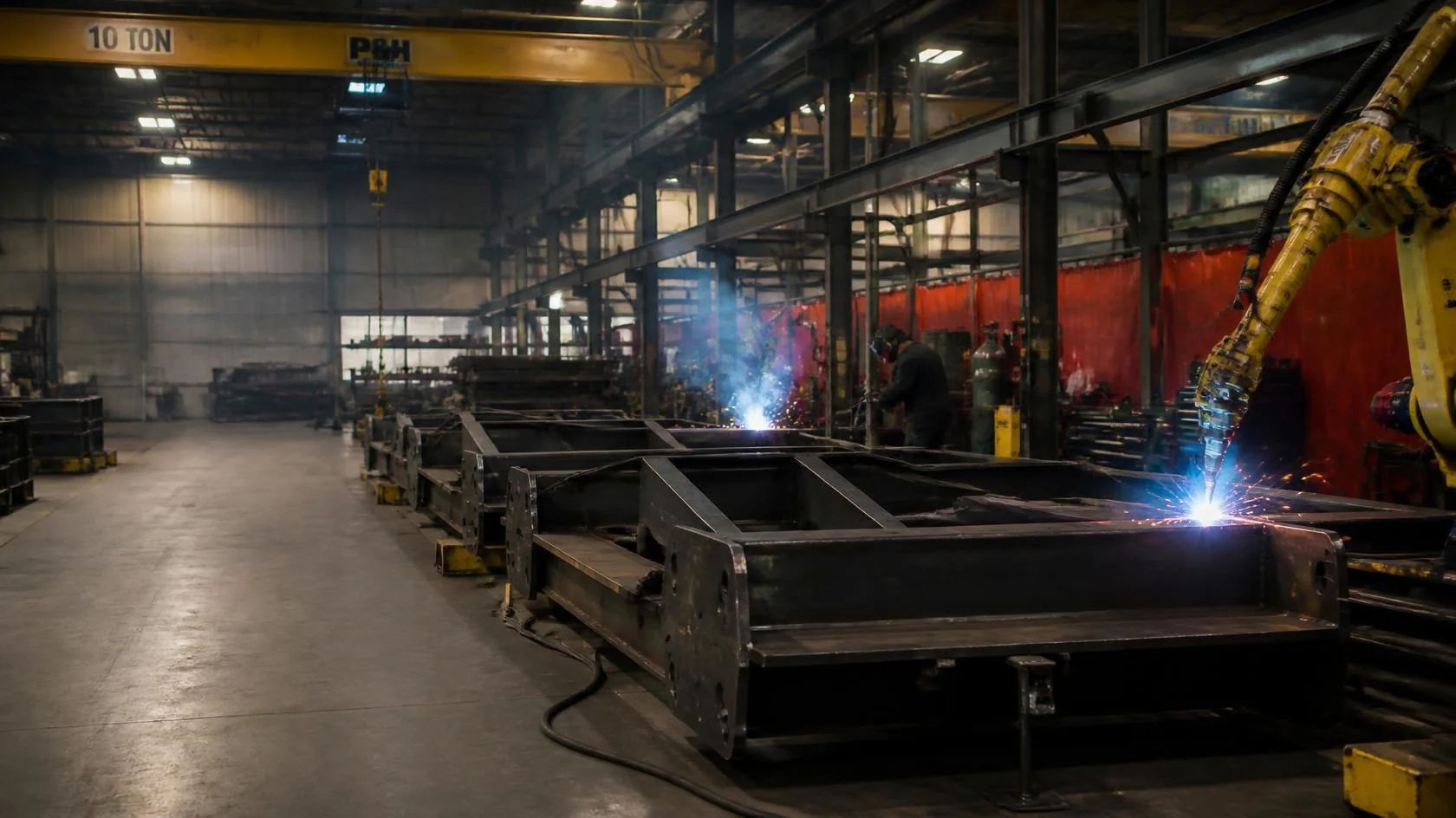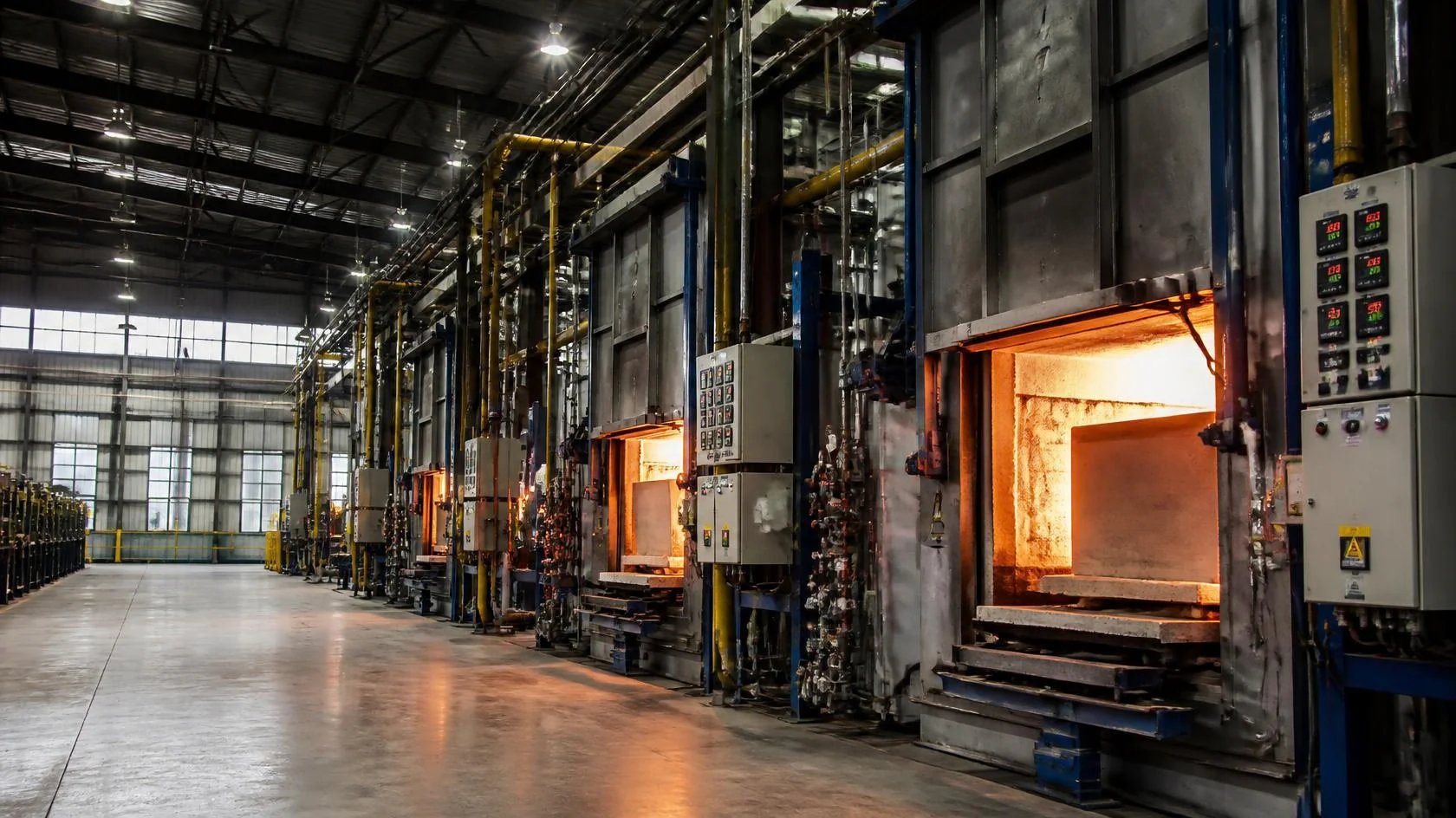
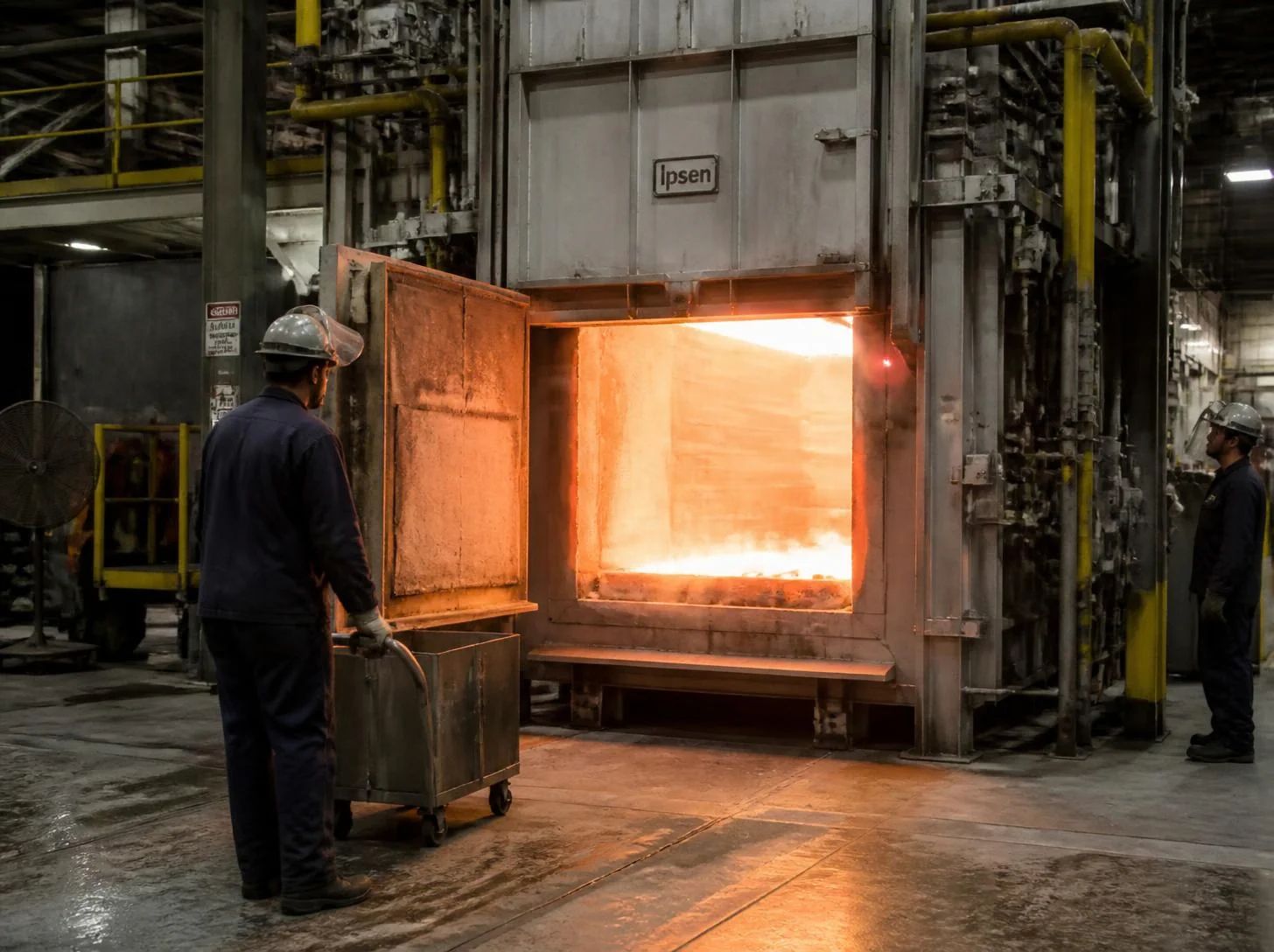
Your heat-treatment furnaceshould not run on a fixed schedule.

INSUS uses your furnace process, energy and metallurgical-quality data to recommend heat-treatment cycle adjustments for actual load and alloy conditions, helping reduce energy consumption without compromising proven quality limits. Operators keep the decision.

  • 01

    Heat treatment often dominates foundry energy cost.

  • 02

    Fixed cycles rarely match load and alloy conditions.

  • 03

    Recommendations screened against metallurgical quality history.

The problem

Your biggest energy line itemis often the least continuously managed.

Foundry heat treatment is highly energy-intensive, yet many cycles continue to run on fixed time and temperature schedules. When load size, alloy composition or furnace conditions change, operators have limited visibility into how much energy the current cycle is actually using or where the safe efficiency boundary sits.

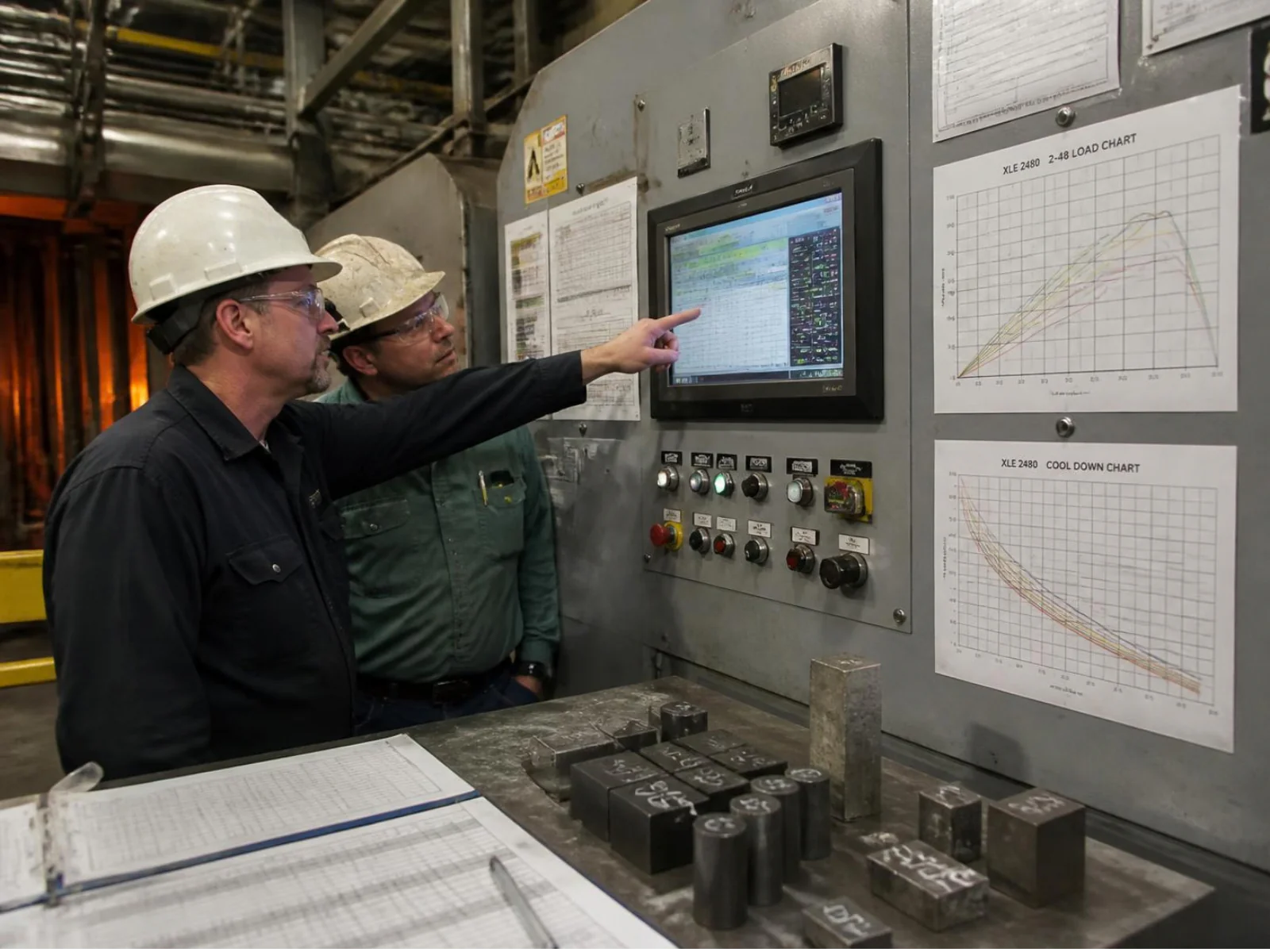
Foundry operator reviewing heat-treatment furnace temperature and energy trends
01
02
03
  • 01Fixed cycle
  • 02Load and alloy variation
  • 03Energy vs. quality trade-off

The shift

From a fixed heat-treatment cycleto a live, alloy-aware one.

The opportunity is not new furnace hardware. It is using the data your furnace already produces to understand its achievable energy baseline and recommend cycle adjustments for the actual load and alloy being processed.

Today

Fixed cycles, periodic review

  • Heat-treatment cycles run on fixed time and temperature schedules.
  • Cycle parameters do not consistently account for load size or alloy variation.
  • Operators have limited evidence for when a cycle can safely be retuned.
With INSUS

Furnace-specific, quality-aware recommendations

  • Cycle recommendations are calculated from the furnace's own process history.
  • Load size and alloy composition are incorporated into recommendations.
  • Candidate adjustments are screened against metallurgical test and reject history.

How it works

From furnace datato cycle recommendation.

This fits OptiStudio as process and energy decision support beside existing furnace controls. Access is read-only. AI does not control the furnace.

  1. Connect

    Bring furnace and quality data together

    Connect furnace controls or PLC data, the plant historian and metallurgical quality records covering temperature profiles, cycle duration, load size, alloy type, energy consumption and corresponding test or reject outcomes.

  2. Understand

    Establish the furnace's energy baseline

    Compare current heat-treatment energy performance against the furnace's own historically achievable performance for comparable load sizes and alloys.

  3. Predict

    Model the impact of cycle changes

    Estimate the energy impact of candidate cycle adjustments and assess whether the predicted outcome remains within the foundry's established metallurgical-quality envelope.

  4. Advise

    Rank energy-saving cycle adjustments

    Rank candidate heat-treatment adjustments by estimated energy impact while applying quality constraints. Operators review and apply the recommendations.

  5. Verify

    Learn from actual furnace outcomes

    Compare recommended cycles with actual energy consumption and metallurgical test outcomes. The model is refined using the foundry's own furnace and alloy history over time.

Furnace process, energy and metallurgical quality data used for heat-treatment optimization

Getting started

Start with one furnaceand the cycles you already log.

For foundry and heat-treatment teams that already log furnace process, energy and metallurgical-quality data. Delivered through OptiStudio as cycle energy decision support. Expert Services can help with data assessment and validation. Advisory and read-only. No new sensors when the furnace already logs the data in scope.

  • What we need. Furnace temperature profiles, cycle duration, load size, alloy type, energy consumption and corresponding metallurgical test or reject results. Production schedule and energy price can add context where available.
  • What you see first. One heat-treatment furnace with sufficient historical process, energy and metallurgical-quality data. Recommendations run alongside existing operator practice before any wider rollout.
  • Where the limits are. Does not write to furnace PLCs or controls. Energy savings are not treated as an acceptable trade for leaving the proven quality envelope. Results must be established on the target furnace.
Explore OptiStudio

Questions foundry and process engineers ask us

Heat-treatment cycles often run on fixed schedules even when load and alloy change. This use case recommends cycle adjustments from furnace, energy and metallurgical-quality data while staying inside the proven quality envelope.

Furnace temperature profiles, cycle duration, load size, alloy type, energy consumption and metallurgical test or reject results. No new sensors when the furnace already logs the temperature and energy data in scope.

Candidate recommendations are screened against the foundry's historical metallurgical test and reject outcomes. Energy savings are not treated as an acceptable trade for leaving the proven quality envelope.

No. It is advisory. It provides ranked recommendations for operator review and does not write directly to furnace PLCs or controls.

Yes. Alloy composition and load size are part of the input data so recommendations can be calibrated to the actual material and production conditions.

Through OptiStudio as process and energy decision support. Expert Services can support data assessment, integration and validation with your foundry and process teams.

Results are furnace- and alloy-specific. Melting-furnace optimization and other foundry processes are outside this scope. Actual savings must be established through a plant-specific pilot, not assumed from external guidance.

Machinery · Foundry and energy

Your biggest energy line item deserves more than a fixed schedule.

Start with one furnace. Establish its achievable energy baseline, connect it to metallurgical-quality history and test whether recommended cycle adjustments can reduce energy use without changing the quality envelope.