Textile industry

Where the dyehousepays for the recipe

Yarn and fabric already run on the mill. Wet processing spends water and heat by the batch. Shade and finish are confirmed after the liquor has moved. The plant still has to ship.

  • 01

    Dye outcome predicted before the batch runs

    Use recipe and laboratory data the dyehouse already keeps to predict exhaustion, fixation and color strength — without waiting for a full batch to discover an off-target result.

  • 02

    Thermal losses named before the next utility review

    Read wet-processing process and utility data the mill already logs so wastewater, drying, equipment heat and exhaust are a line-level profile — not one aggregate energy number.

  • 03

    DPP data organized before the requirements are final

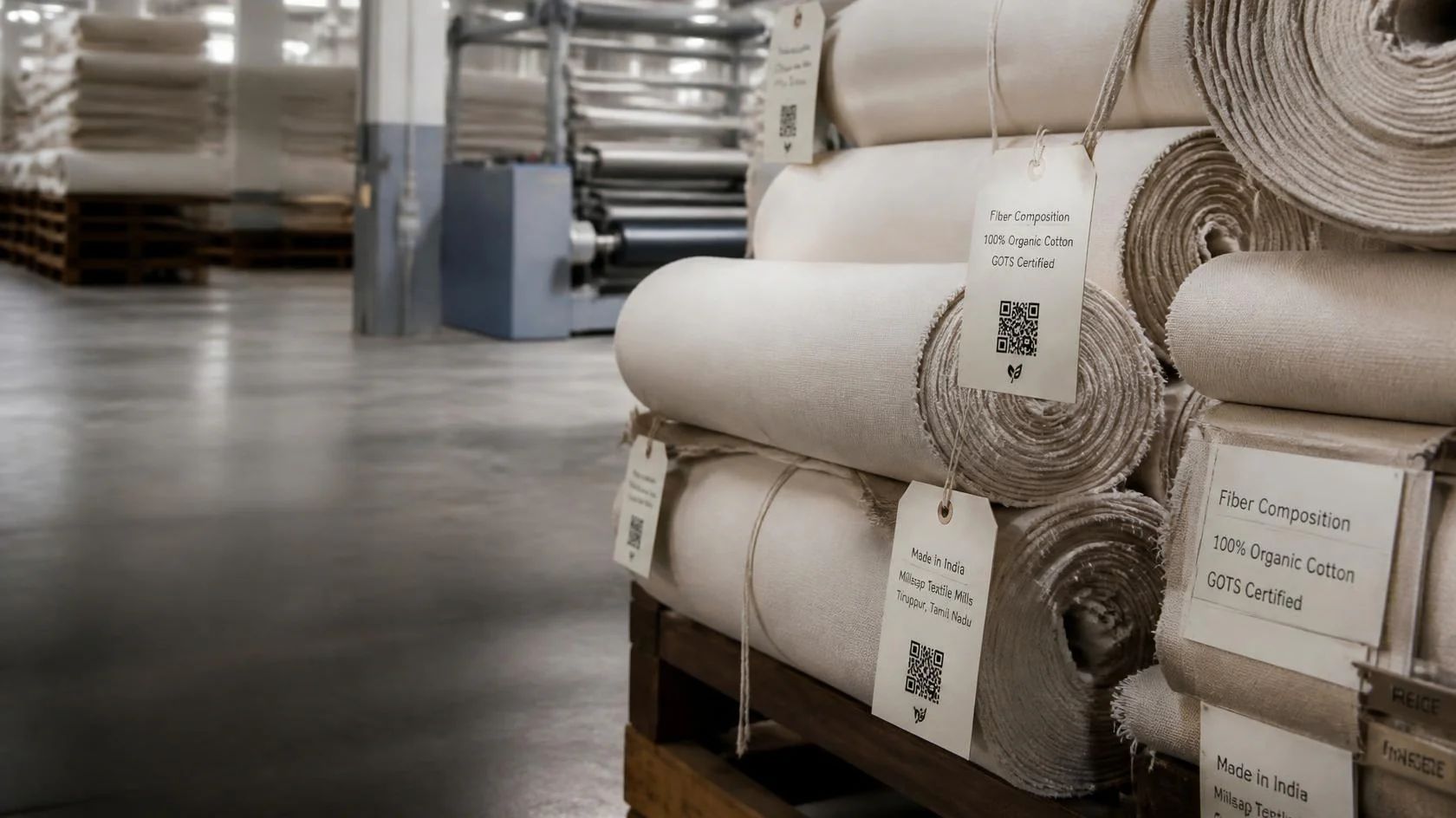
    Consolidate fiber composition, origin, traceability and supplier records the mill already holds so readiness gaps are visible while the ESPR delegated acts are still being defined.

On the mill and the dyehouse

Quality is decided inside the liquor

Textile plants lose money in three places that rarely share one screen: a dyehouse burning more water and heat than the batch needs, a shade miss found after the fabric has left, and a spinning or weaving stop that was not on the plan. Most of that is already in utility meters, batch tickets and machine logs — after the fact.

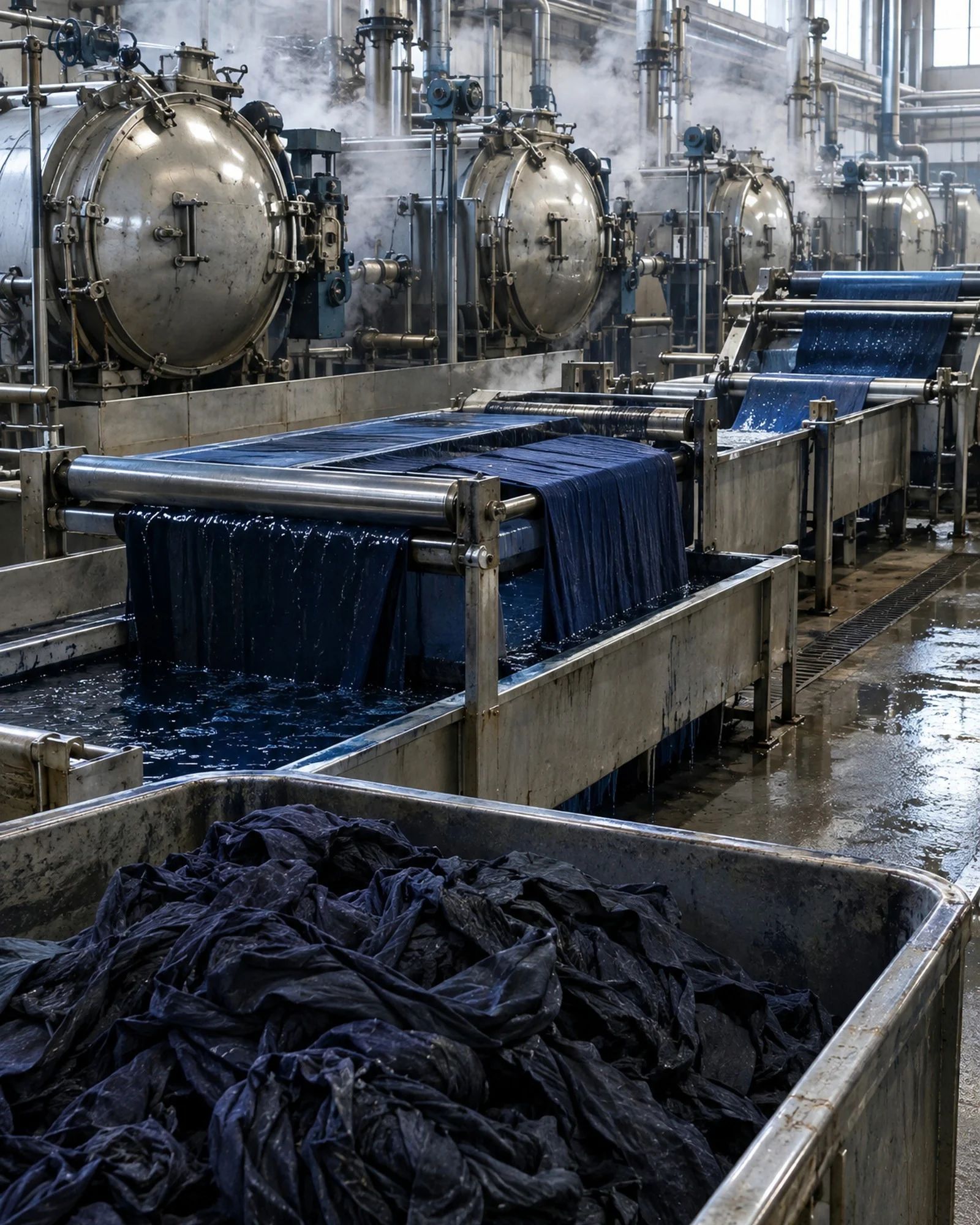
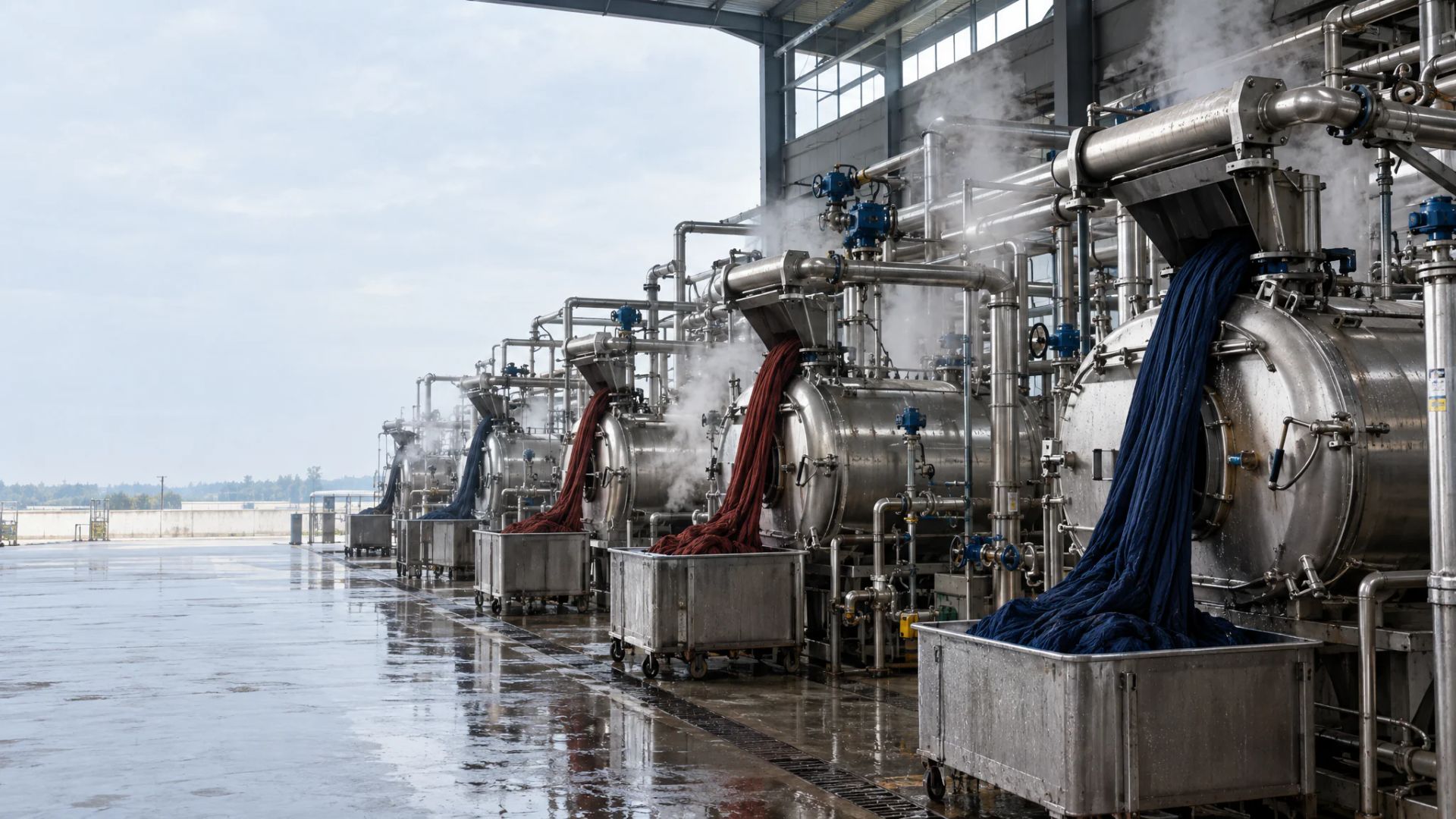
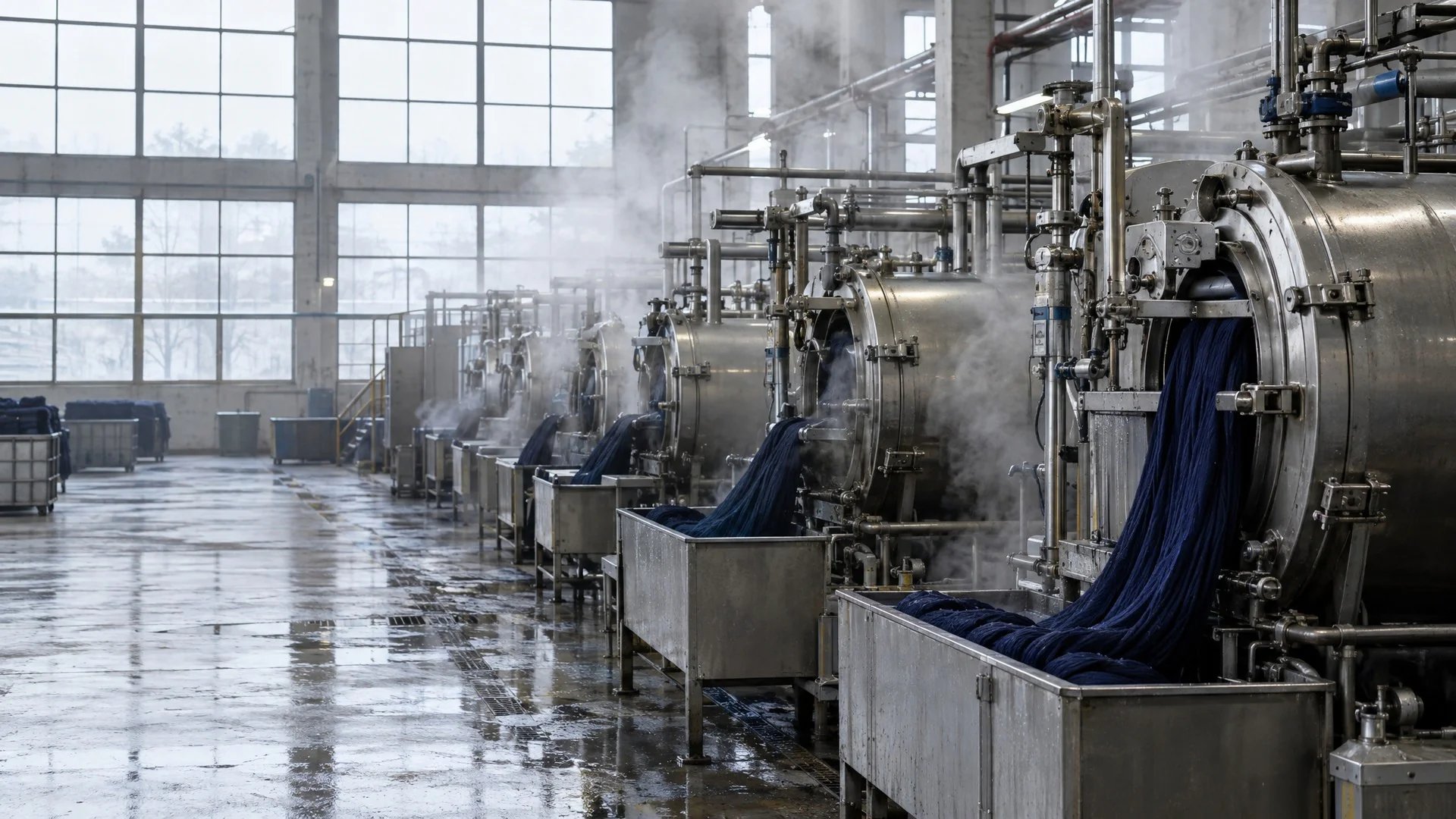
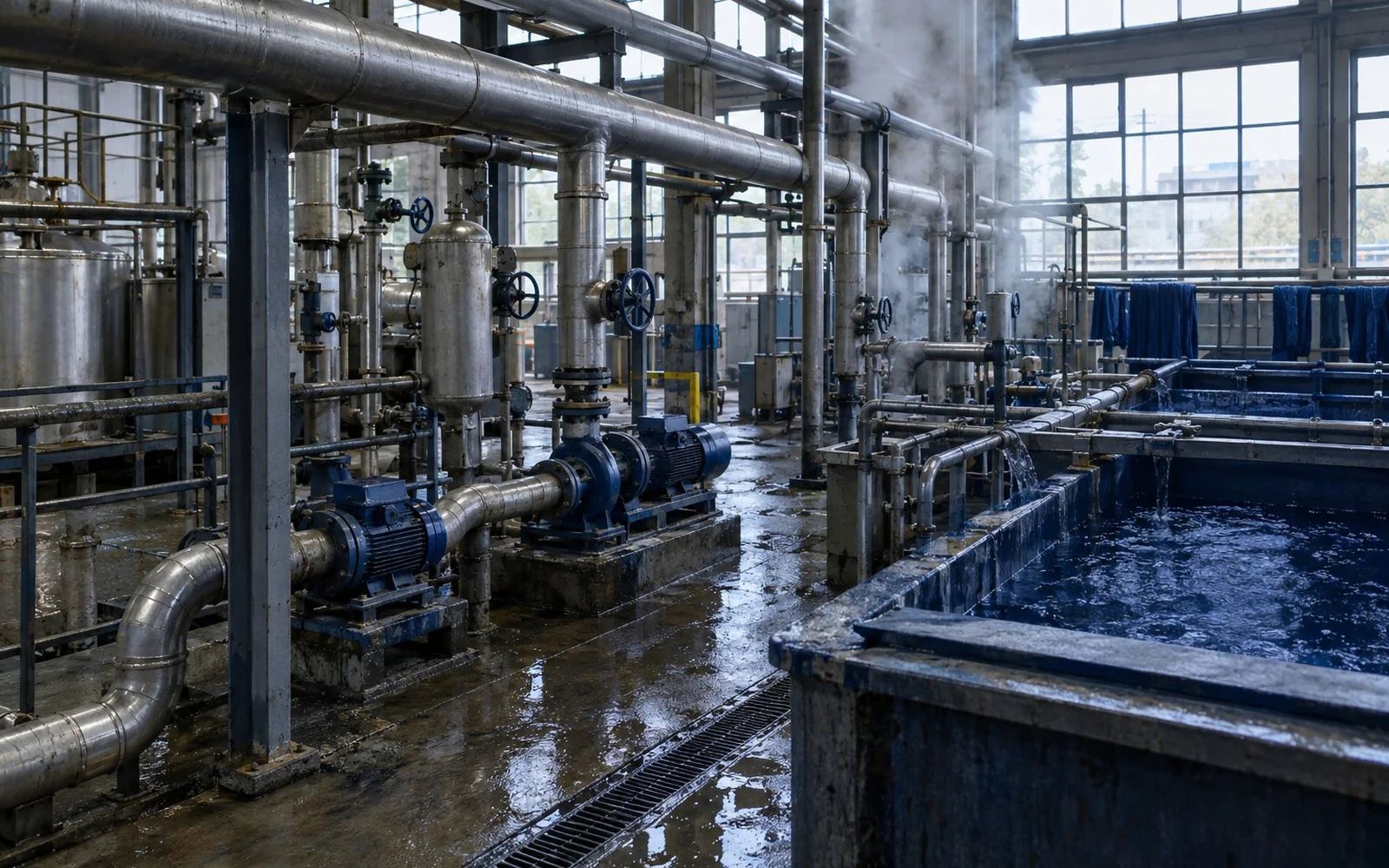
Industrial water and utility systems of the kind used in textile wet processingWet processing

Dyeing and finishing dominate water and heat

Bleaching, dyeing and finishing are water- and energy-intensive. Ellen MacArthur Foundation analysis attributes about 20% of global industrial water pollution to dyeing and treatment of textiles — while textile production overall uses on the order of 93 billion cubic metres of water a year.
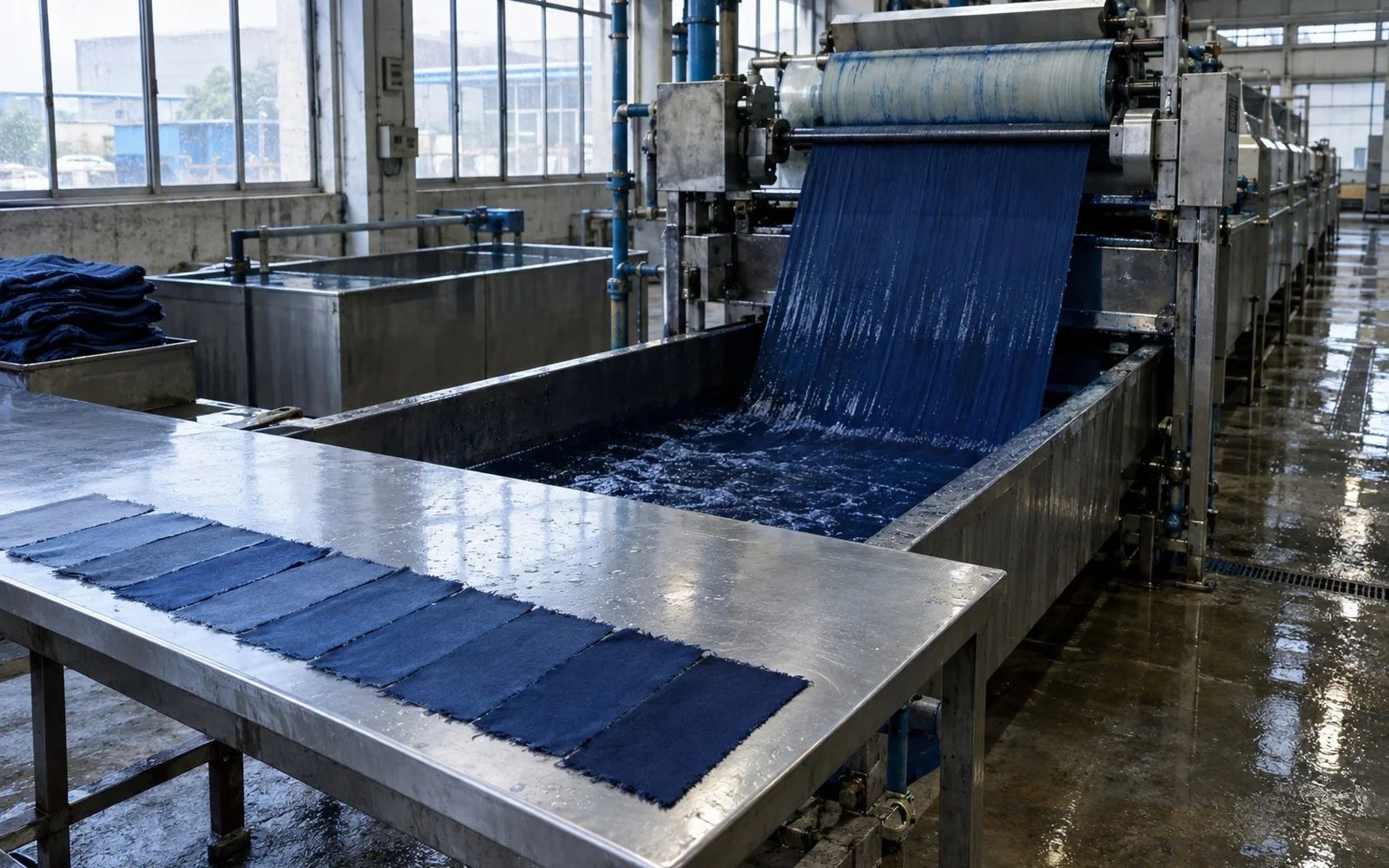
Quality and batch records being reviewed in textile productionThe batch

Shade is confirmed after the liquor has moved

Recipe, temperature and liquor ratio still often reconcile in the lab after the batch is committed. Off-shade or uneven dye then becomes remake, discount or scrap — not a correction that could still have helped.

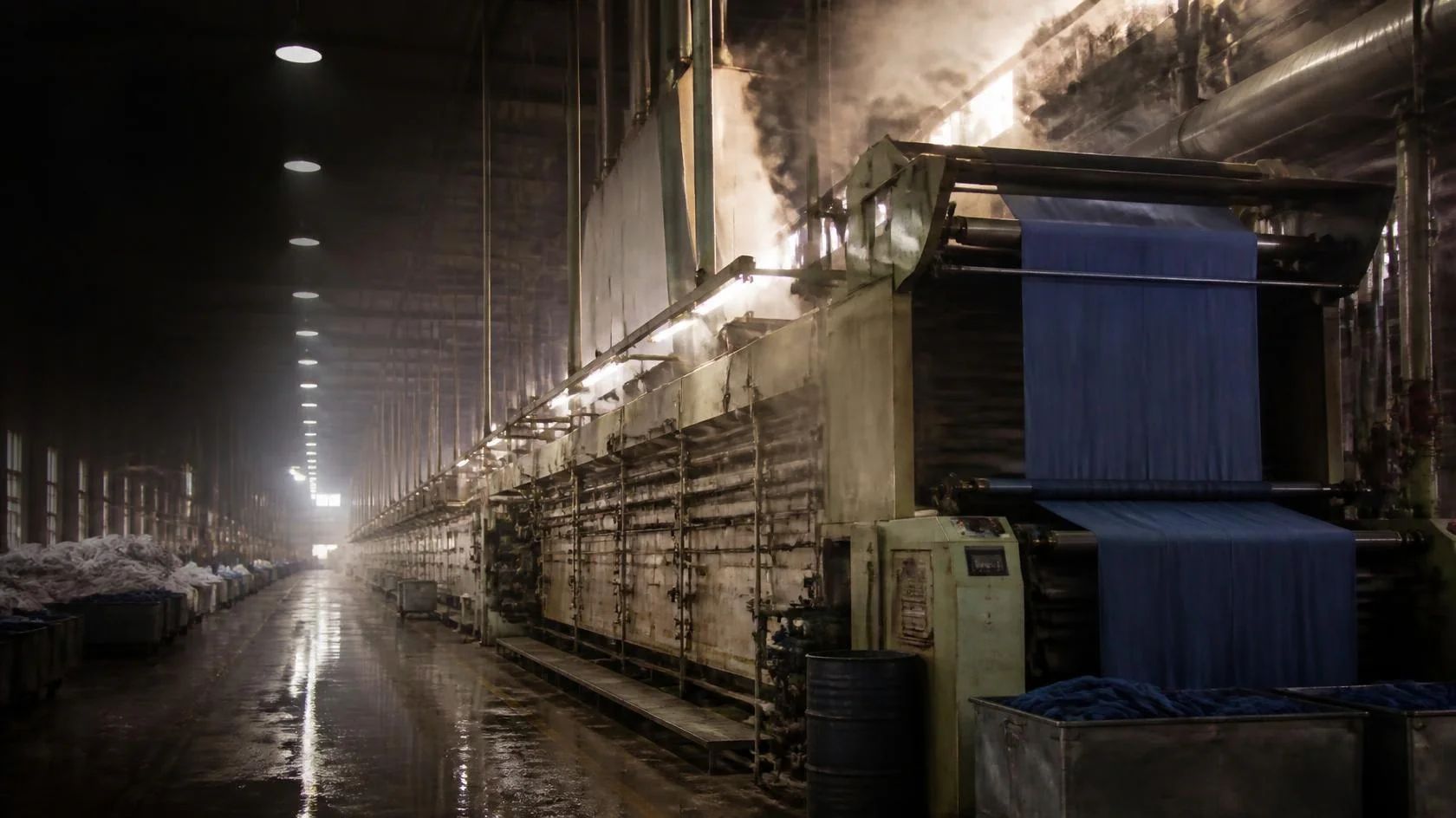
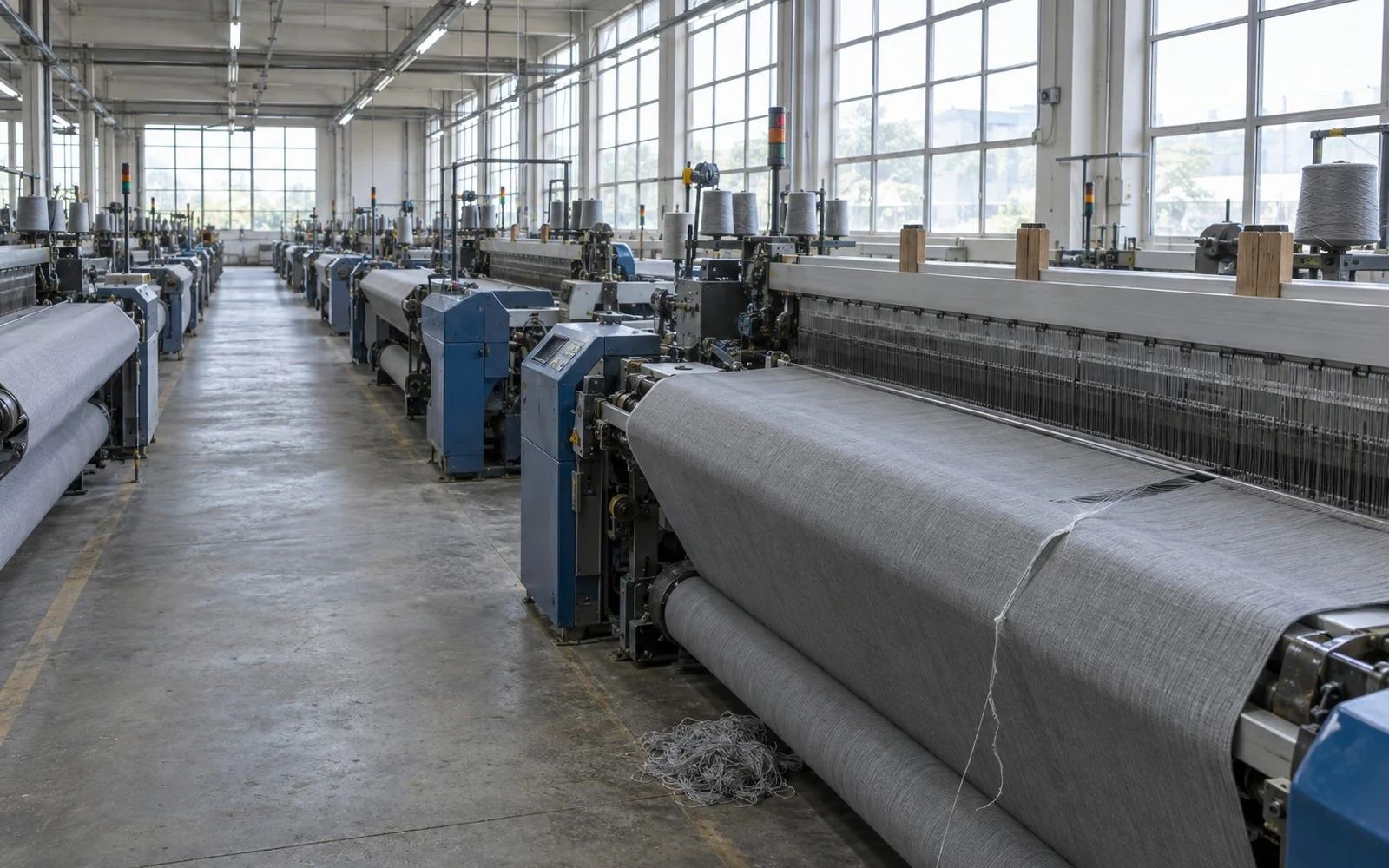
Textile mill spinning, weaving or finishing equipmentThe mill

Yarn and fabric breaks stop more than one machine

Ends down, loom stops and finishing faults cascade into lost metres. When condition and stop codes sit apart from the production ticket, the same failure mode repeats across shifts.

Turning the dryer harder is the easy correction. It is also how the campaign is spent.

INSUS works from dyehouse and mill tags, batch and shade tickets, utility meters and equipment logs a plant already keeps. If the gap is a rinse that never ended, a drifting dryer, or a shade file that never joined the lot number, that is what we will say. Recommendations stay advisory. Existing PLCs, recipe systems and quality gates stay in charge.

Explore the possibilities

Industry figures

The scale of what is being decided

Four external figures, each with its source. Nothing on this page is an estimate we made up. Where we cannot cite a number, we describe the situation in words instead.

Waste

~92Mt/yr

of textile waste is produced globally each year, according to UNEP ahead of International Day of Zero Waste 2025 — while only about 8% of textile fibres in 2023 were made from recycled sources.

Source: UNEP, Unsustainable fashion and textiles (March 2025)

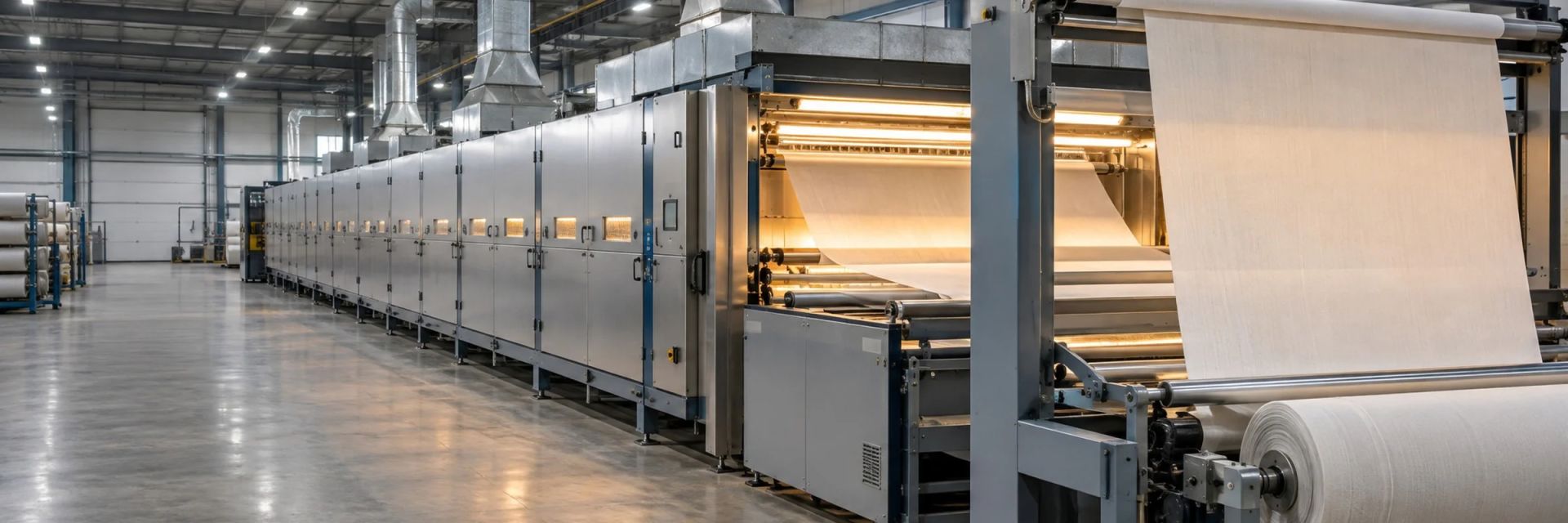
Textile spinning, weaving, dyeing and finishing operations

Common problems

Problems that cost you before you notice

None of these show up as a single alarm. They show up in the remade dye lot, the wet-process energy bill, and the product file that is still incomplete for DPP.

  1. Dye recipes are still validated after the batch is dyed

    A recipe's actual exhaustion, fixation and color strength are often known only after laboratory results return. An off-target result can mean re-dyeing instead of a correction made before production.

    See: Textile Dyeing Recipe Prediction
  2. Wet-processing energy is still one aggregate number

    Thermal energy use is often tracked without a breakdown of wastewater, drying, equipment heat release or exhaust. Efficiency work then starts without a plant-specific view of which loss category dominates.

    See: Wet-Processing Thermal Energy Optimization
  3. Product data for the Digital Product Passport is still scattered

    Fiber composition, origin and traceability records sit across product systems and suppliers. There is often no single view of which DPP data categories are complete before the delegated act is finalized.

    See: Textile Digital Product Passport & ESPR Compliance

Use cases

Places worth a closer look

Each is a specific starting point — this dye recipe family, this wet-processing line, this product range — and a next conversation if it is worth your time.

Cotton fabric dyeing process with recipe outcome prediction
Dyehouse quality

Textile Dyeing Recipe Prediction

Predict dye exhaustion, fixation and color strength from dyeing process parameters before a cotton fabric batch runs. Advisory only. Existing recipe and lab systems stay in charge.

See the full use case
Textile wet-processing line with thermal energy loss analytics
Energy

Wet-Processing Thermal Energy Optimization

Identify thermal energy loss patterns in textile wet processing across wastewater, drying, equipment heat and exhaust, and prioritize efficiency measures from existing plant data. Advisory only.

See the full use case
Textile product data organized for Digital Product Passport readiness
Regulatory compliance

Textile Digital Product Passport & ESPR Compliance

Consolidate textile fiber composition, origin, traceability and product data into a structured EU Digital Product Passport readiness view. Advisory only. Exact ESPR requirements are still being finalized.

See the full use case

FAQ

Questions that come up in every first call

A practical look at what INSUS needs, where it fits and what your team can expect.

The work that fits is the data a textile mill already produces: dye recipe and laboratory results, wet-processing process and utility metering, and product, fiber, origin and traceability records. Dyeing recipe prediction, wet-processing thermal energy optimization and Digital Product Passport readiness can start from records you already keep. Closed-loop dyeing control, automatic shade pass on every lot, guaranteed energy savings and self-certifying DPP filings are not promises we will make on day one.

Packaging focuses on high-speed filling and sealing lines. Machinery focuses on building machines in a machine shop. Textile focuses on fibre-to-fabric mills — spinning, weaving or knitting, dyeing, finishing — where wet-process water, heat, shade and mill stops dominate.

Usually not for recipe systems, utility meters and machine logs. Most mills already have PLCs, some lab colour measurement and a CMMS. If a flow meter has been drifting or a stop-reason code is unused, that comes before any model.

No. The person who knows this substrate, this shade and this machine stays responsible. The aim is to validate a candidate recipe before the batch runs, and to flag a developing equipment issue before it stops the line.

No. It advises the supervisor or the process engineer. Existing recipe controllers, PLCs and safety interlocks stay in charge of the loop.

No. Water, energy and shade depend on substrate, chemistry, equipment condition and operating practice. We will not invent a litres-per-kg or remake target for your mill.

It is an Ellen MacArthur Foundation estimate for global textiles production including cotton farming — not a measurement of your mill. Your water and steam meters are the numbers that matter.

Yes. One fabric type and recipe family, one jet or continuous range, or one spinning frame is usually the practical start. Measure that, then decide whether to widen.

Contact

Talk to a textile expert

  • 30 minA focused conversation about the textile manufacturing problem you are trying to solve. No sales deck.
  • OutcomeA practical view of whether INSUS can help, what data would be needed and where it makes sense to start.
  • We will first understand your current process, what information you have and where the biggest gap is.
  • If the right answer is a meter check, a recipe update, a maintenance action or an existing system, that is what we will tell you.

Request a call

We reply within one working day, from a person, with a proposed time.