Get your textile product dataready for the Digital Product Passport.

INSUS consolidates product, fiber-composition, origin, traceability and end-of-life information into a structured readiness view, helping textile manufacturers prepare for the EU Digital Product Passport while ESPR requirements continue to be finalized. Compliance teams keep sign-off.

  • 01

    DPP readiness across product and supplier data.

  • 02

    Confirmed framework now; exact rules still in delegated acts.

  • 03

    Advisory. Compliance teams review before sign-off.

The problem

The regulation is taking shape.Your product data is already scattered.

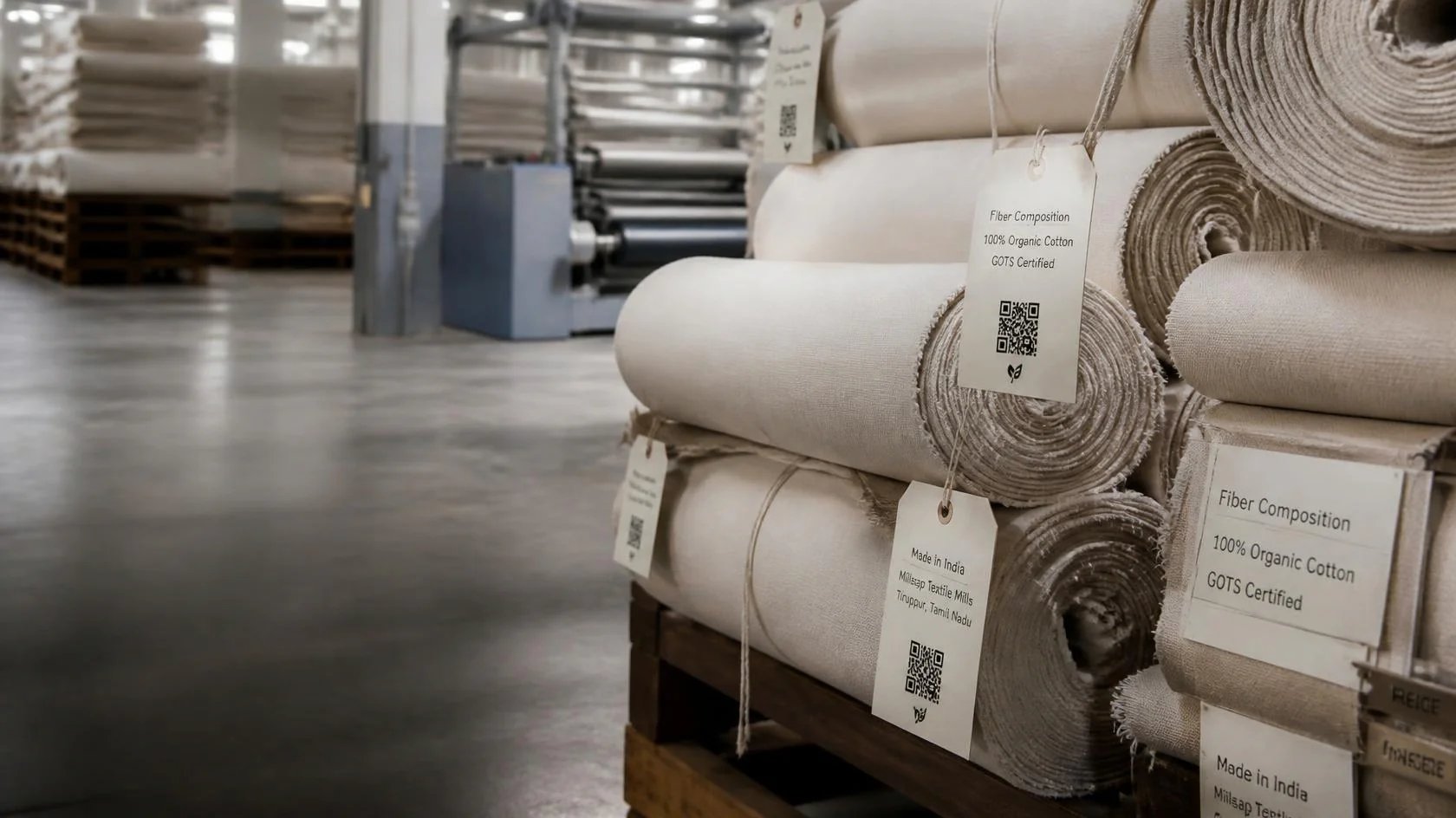
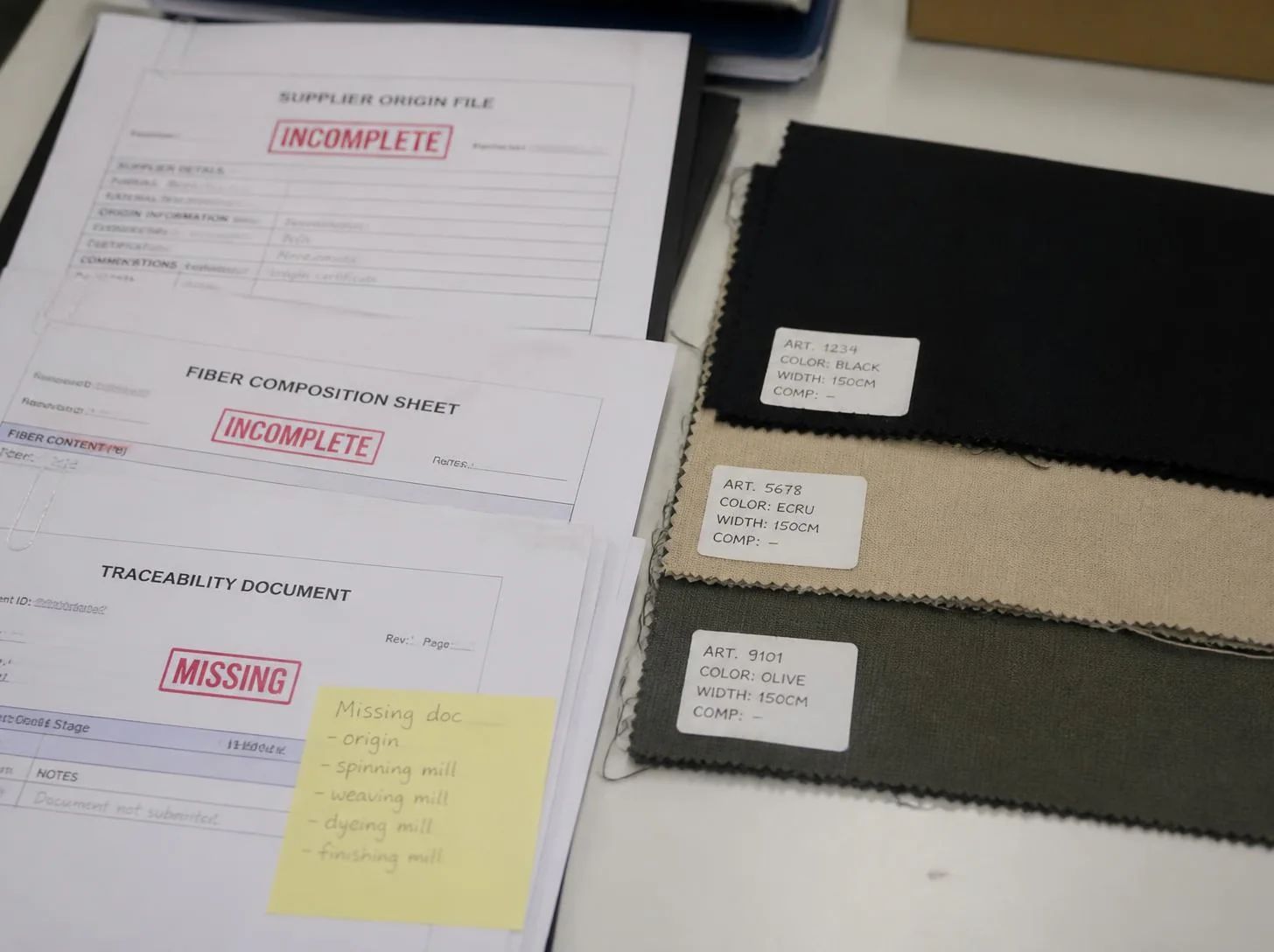
The EU Digital Product Passport framework for textile apparel covers product information, fiber composition, origin, traceability and end-of-life data. Those records often sit across product systems, suppliers and technical documentation rather than in one structured, DPP-ready record. Exact information requirements will be defined through delegated acts. A published Commission target for the relevant delegated act is the fourth quarter of 2027. That is a regulatory timeline, not a certification date this system can meet on its own.

Textile product data and Digital Product Passport readiness analysis
01
02
03
  • 01Fiber composition
  • 02Origin data
  • 03Traceability

The shift

From scattered product recordsto DPP data readiness.

Compliance and product teams stay responsible for interpretation and sign-off. What changes is whether confirmed DPP data categories already have a structured readiness view that can evolve as delegated acts are published.

Today

Preparing from scratch

  • Fiber composition, origin and traceability information are distributed across systems and suppliers.
  • There is no single readiness view showing which DPP data categories are complete or missing.
  • Supplier and partner data dependencies are difficult to track systematically.

With INSUS

A living DPP readiness record

  • Relevant product and supplier information is consolidated into a structured record.
  • Data gaps are identified and prioritized at product or SKU level.
  • The readiness framework can evolve as the ESPR delegated act and technical specifications are published.

How it works

From existing product datato a DPP-ready record.

Delivered through ExpertFlow AI as document and data intelligence over product, supplier and traceability records. It organizes the data. It does not perform fiber testing, origin verification or regulatory certification.

  1. Connect

    Bring product and supplier data together

    Connect product master data, fiber-composition records, testing documentation, supplier information, origin records and available traceability data.

  2. Understand

    Map data against DPP categories

    Identify which confirmed DPP data categories are already available for each product or SKU and where information remains fragmented or missing.

  3. Identify

    Find the largest data gaps

    Surface products and SKUs with significant gaps so compliance teams can focus preparation where it is most needed.

  4. Advise

    Organize supplier data requests

    Help identify which supplier or partner information would close the most important outstanding gaps, giving teams a structured basis for data collection.

  5. Verify

    Keep the readiness view current

    Compliance teams review the readiness map. As regulatory guidance and technical specifications develop, the framework can be updated and checked again.

Structured textile product and supplier data for DPP compliance readiness

Getting started

Start with one product rangeand the records you already keep.

For textile manufacturers that already hold product, fiber, supplier and traceability records. Delivered through ExpertFlow AI as document and data intelligence. Expert Services can help with discovery and validation. Advisory only. No new plant hardware.

  • What we need. Product and material master data, fiber-composition and testing records, supplier and origin information, and available traceability records for a defined product range. No new sensors.
  • What you see first. One product range: existing records mapped against the DPP categories currently confirmed by the EU framework, with gaps prioritized for the compliance team to review.
  • Where the limits are. Does not perform fiber testing, verify origin, contact suppliers automatically or certify DPP compliance. Exact information requirements remain subject to delegated acts and technical specifications.
Explore ExpertFlow AI

Questions textile compliance teams ask us

Textile product, fiber, origin and traceability data are often scattered across systems. This use case consolidates those records into a DPP readiness view and flags gaps for compliance-team review.

No. Exact information requirements will be defined through delegated acts and technical specifications. This use case focuses on readiness against the confirmed framework, not claimed compliance with finalized thresholds.

Existing product and material master data, fiber-composition and testing records, supplier and origin information, and available traceability records. No new sensors.

No. It organizes information from existing testing and documentation processes. Compliance teams remain responsible for review and for determining whether obligations have been satisfied.

No. The system can help identify and prioritize supplier data gaps. The compliance or product team remains responsible for approving and sending requests.

Through ExpertFlow AI as document and data intelligence over product and supplier records. Expert Services can support discovery, integration and validation with your compliance team.

Usefulness depends on accessible underlying product and supplier records. Exact DPP information requirements remain provisional until delegated acts are published. The system does not make a binding regulatory determination.

Textile · EU regulatory readiness

Build your DPP data foundation before the requirements are finalized.

Consolidate the product and supply-chain information already available today, identify the largest data gaps, and create a structured readiness workflow that can evolve with the ESPR framework.