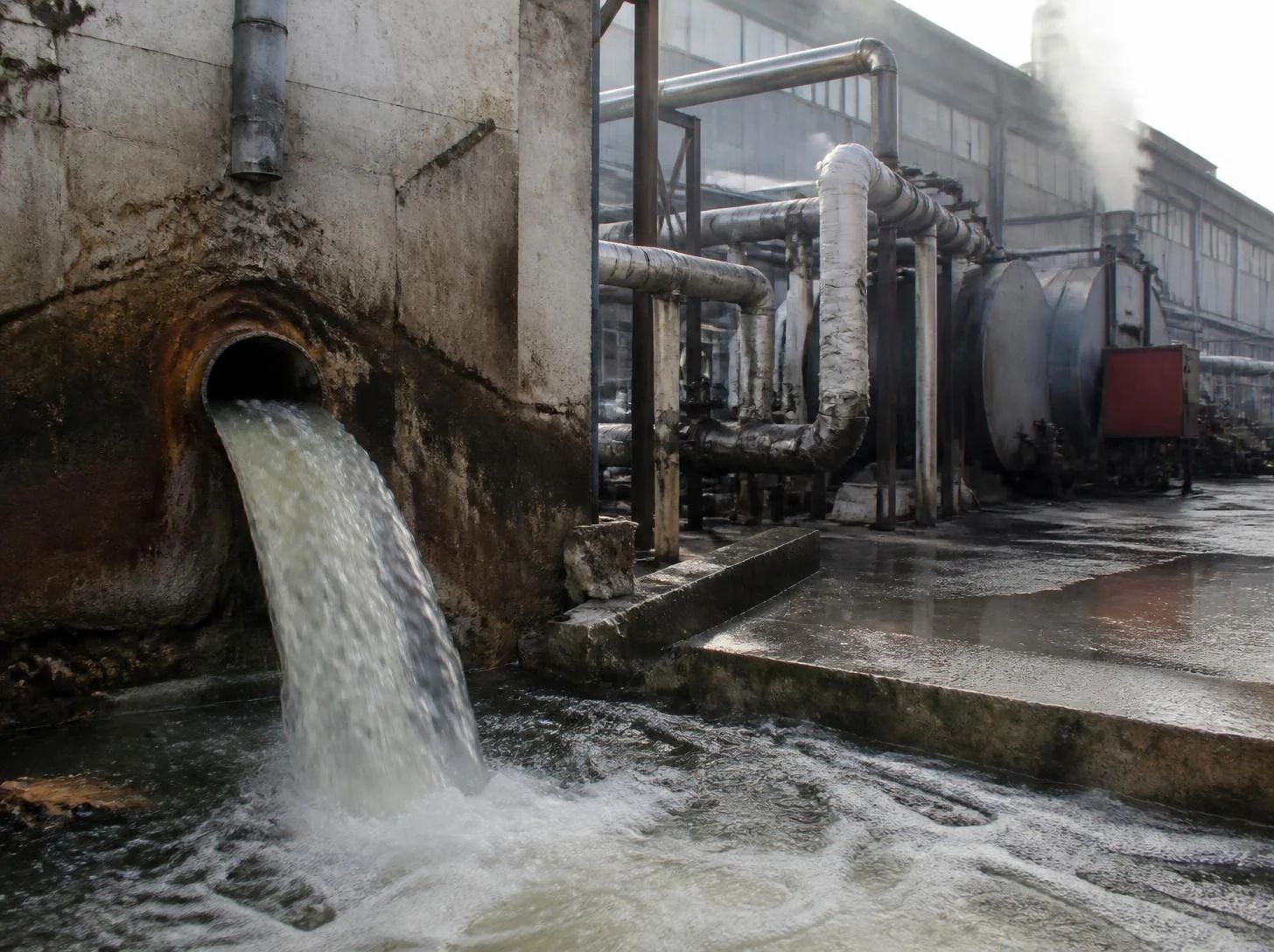
Know where your thermal energyis being lost.

INSUS analyzes wet-processing process and utility data to identify thermal energy loss patterns across wastewater, drying, equipment heat release and exhaust, helping textile mills prioritize where efficiency measures could deliver the most value. Energy teams keep the decision.

  • 01

    Loss categories: wastewater, drying, equipment heat, exhaust.

  • 02

    Plant-specific profile from existing process and utility data.

  • 03

    Advisory. Energy teams decide which measures to implement.

The problem

Thermal energy loss is notone number.

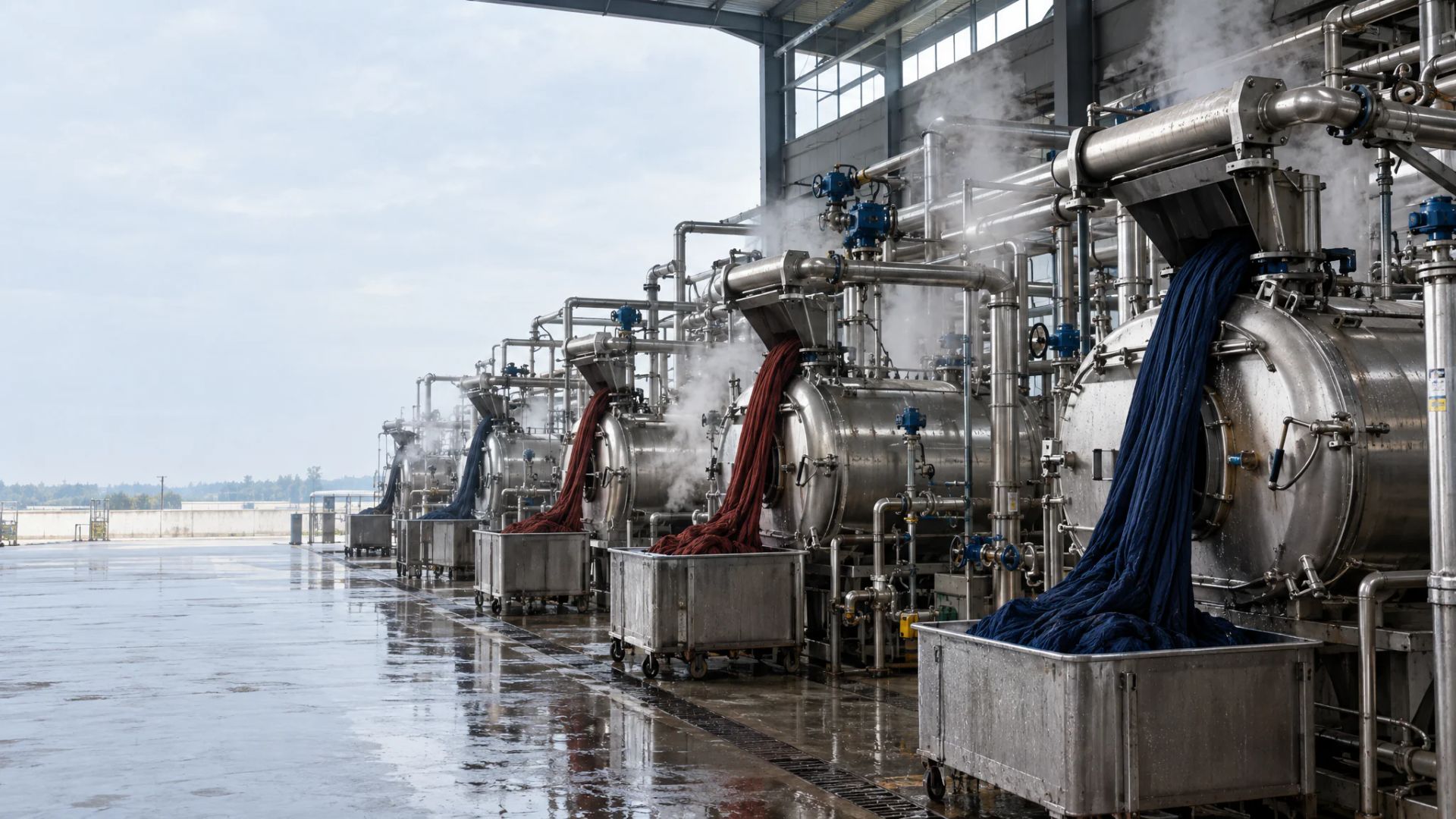
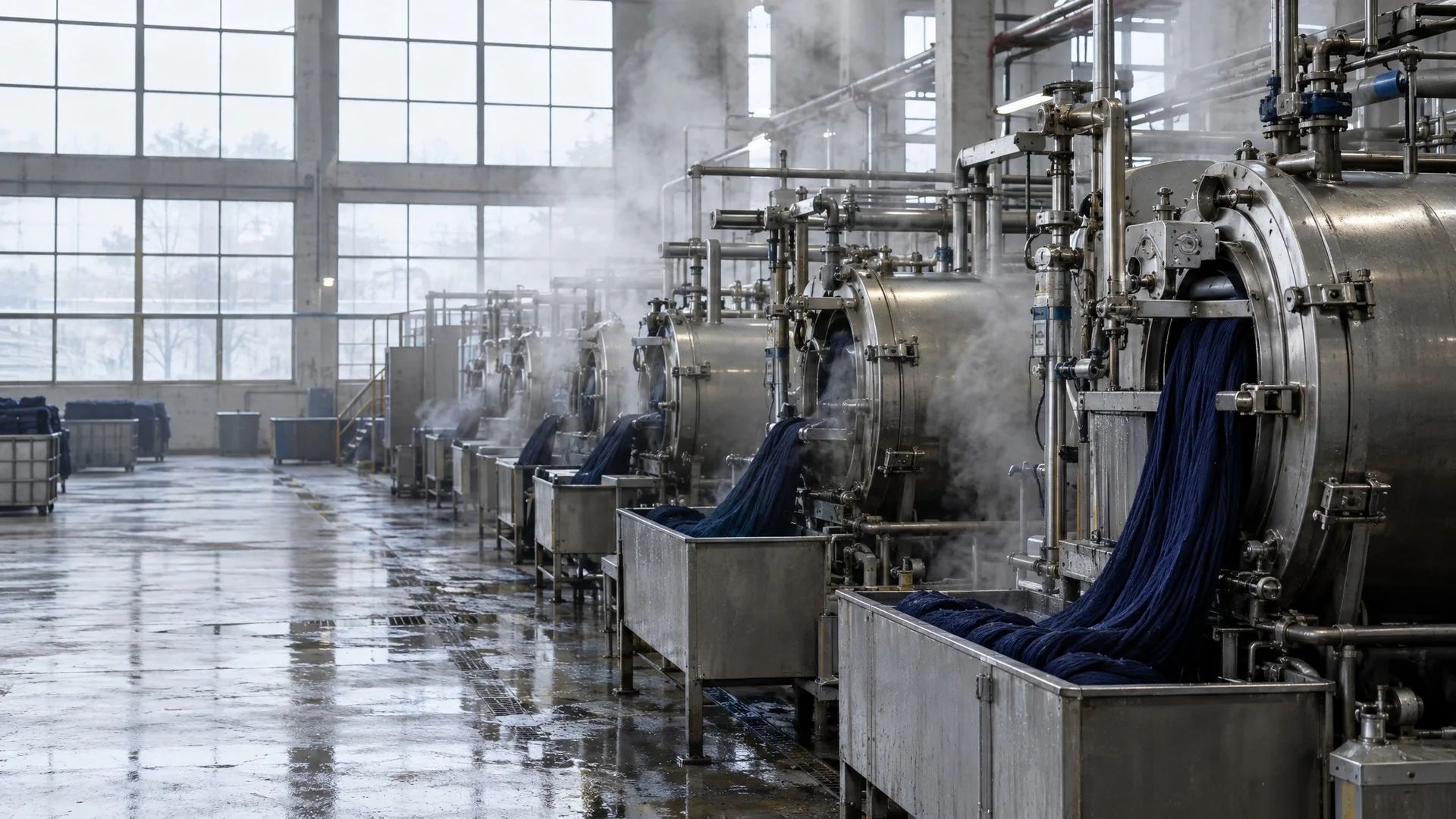
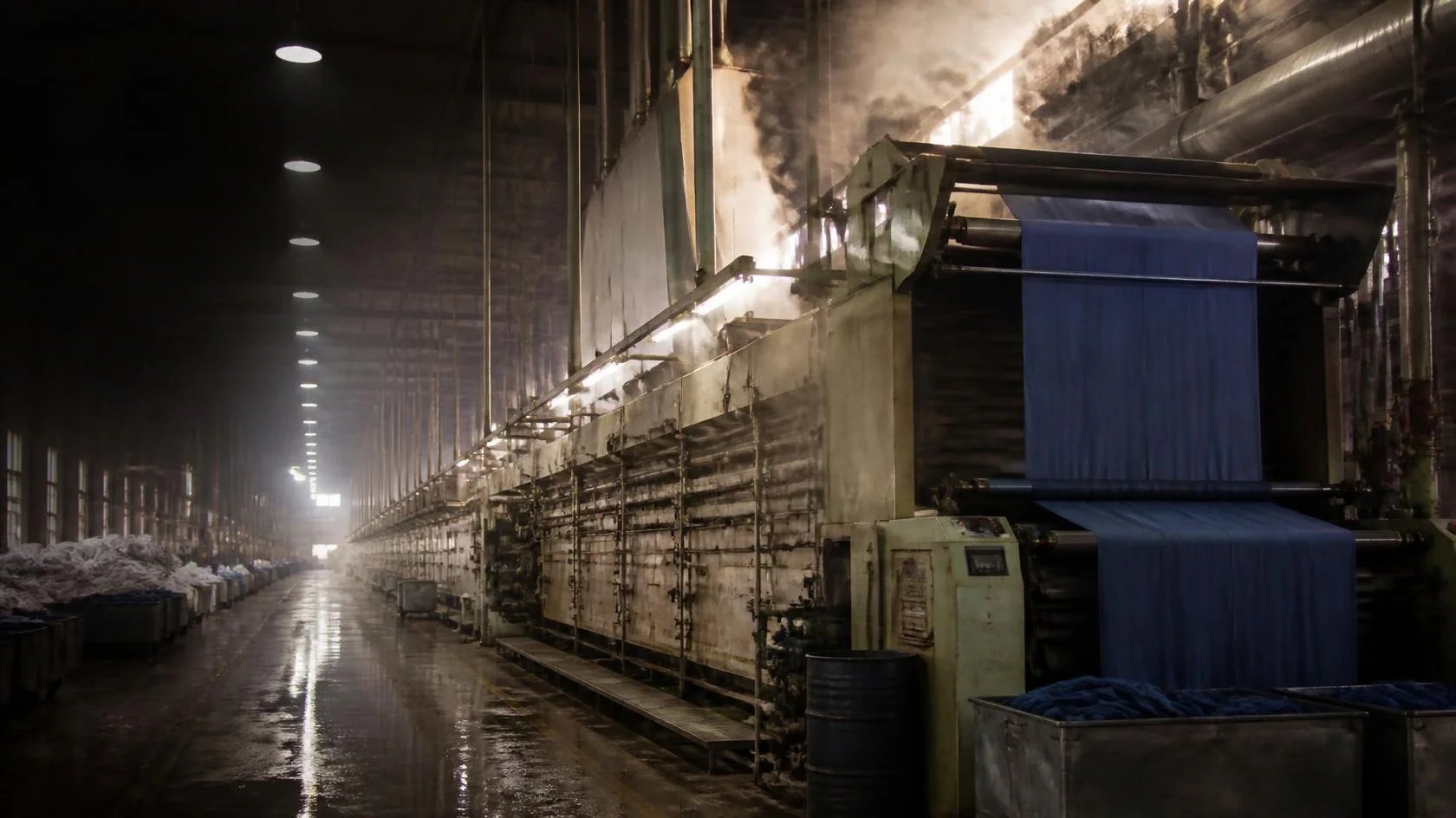
Wet processing, including dyeing and finishing, is a major thermal-energy consumer in textile manufacturing. Aggregate energy figures do not tell an energy team where the loss is occurring. ENERGY STAR textile guidance names specific loss categories such as wastewater, drying, equipment heat release and exhaust gas. The challenge is connecting that structure to a plant's own process and utility data. Published ENERGY STAR figures describe industry patterns; they are not a savings guarantee for this mill.

Textile wet-processing thermal energy loss breakdown
01
02
03
  • 01Wastewater heat
  • 02Product drying
  • 03Exhaust gas

The shift

From aggregate energy trackingto loss-category targeting.

Energy and process teams stay responsible for every efficiency measure. What changes is whether wet-processing thermal performance is visible by loss category against the line's own baseline.

Today

Energy performance in aggregate

  • Thermal energy use is monitored without a clear breakdown of where losses occur.
  • Efficiency initiatives are evaluated without a plant-specific loss-category view.
  • Developing deviations may only become visible through utility reviews or audits.
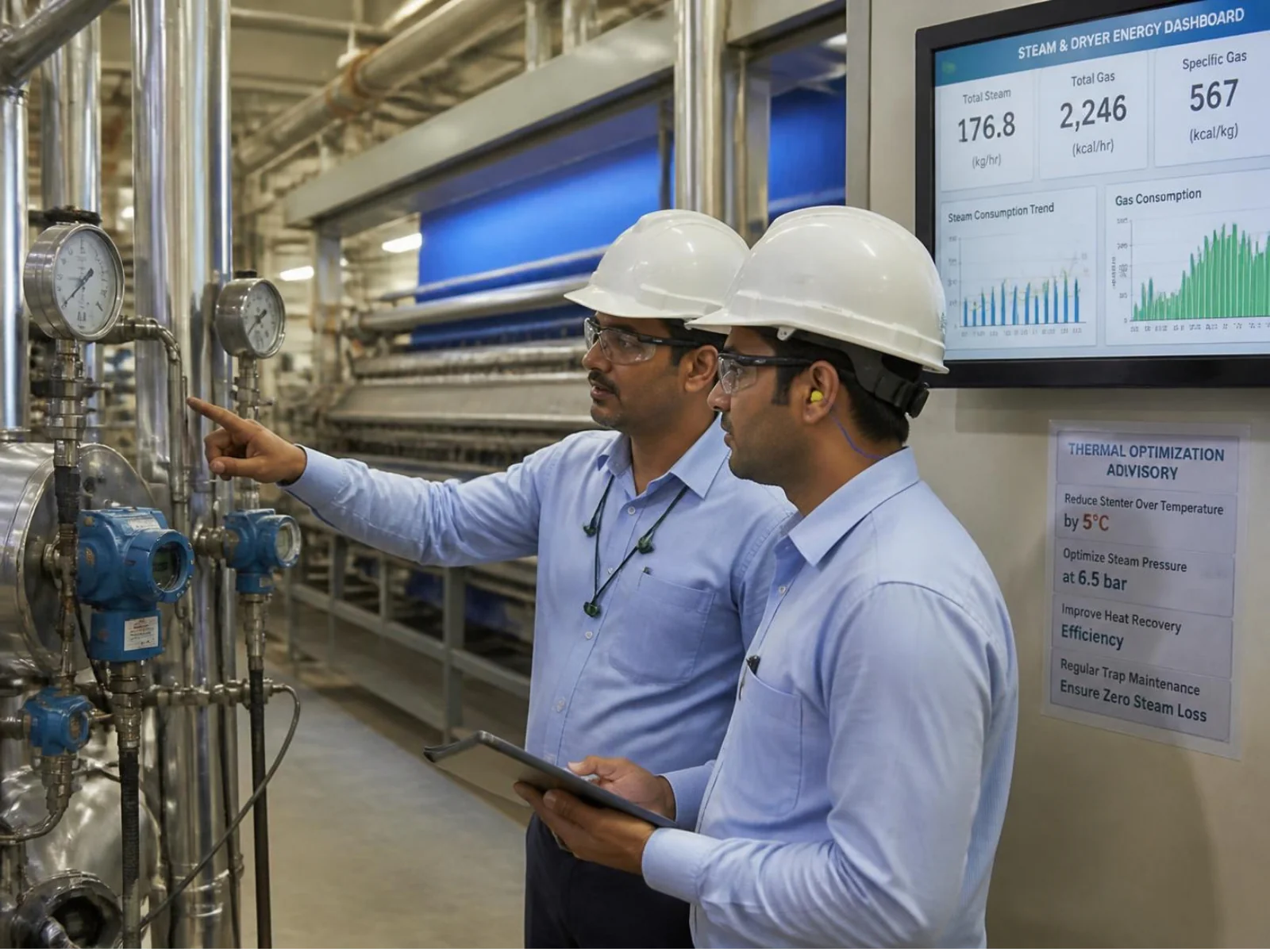
With INSUS

A plant-specific loss view

  • Thermal performance is analyzed against defined loss categories.
  • Developing deviations can be flagged against the line's own historical baseline.
  • Energy teams get evidence to prioritize the most relevant efficiency lever.

How it works

From plant datato thermal loss intelligence.

This fits OptiStudio as energy and process decision support beside existing wet-processing controls. Access is read-only. It does not control dyeing or finishing machines.

  1. Connect

    Bring process and energy data together

    Connect read-only to wet-processing line controls, energy or utility metering, EMS/BMS systems and process historians where available.

  2. Understand

    Build the thermal loss profile

    Analyze temperature, throughput, machine type, energy consumption and available wastewater data to build a plant-specific view of thermal performance across relevant loss categories.

  3. Detect

    Flag developing loss deviations

    Compare current performance with the line's historical baseline and flag when thermal performance trends toward higher-than-expected loss in a specific category.

  4. Advise

    Prioritize where to focus

    Indicate which loss category is contributing most to the line's thermal-energy profile and help the energy team prioritize relevant measures such as heat recovery, humidification control or process consolidation.

  5. Verify

    Validate against actual plant data

    Energy teams review flagged patterns against actual utility and metering data so the model can be refined around the plant's own process mix and equipment behavior.

Existing textile wet-processing and energy data used for analysis

Getting started

Start with one wet-processing lineand the meters you already have.

For textile energy and process teams that already collect digital process and energy data. Delivered through OptiStudio as thermal-energy decision support. Expert Services can help with data assessment and validation. Advisory and read-only. No new physical infrastructure where line-level metering already exists.

  • What we need. Wet-processing process data such as temperature, throughput, machine type and dwell or drying time, together with thermal or utility energy metering, ideally at line level. Wastewater temperature and flow can strengthen wastewater-loss analysis where those measurements already exist.
  • What you see first. One wet-processing line: a loss-category profile from historical process and energy data, then developing deviations flagged against that line's own baseline before any efficiency measure is recommended.
  • Where the limits are. Does not automatically change machine settings or replace control systems. Plants without suitable line-level metering need that data source first. ENERGY STAR savings figures for specific measures are not INSUS results or a guaranteed outcome.
Explore OptiStudio

Questions textile energy teams ask us

Wet-processing thermal energy is often tracked as one aggregate figure. This use case identifies loss patterns across wastewater, drying, equipment heat and exhaust and helps prioritize efficiency measures for energy-team review.

Historical wet-processing process data such as temperature, throughput and machine type, together with thermal or utility energy metering, ideally at line level. New hardware is not required where that metering and digital process data already exist.

No. It is decision support. The energy and process team decides which efficiency measures to implement. Integration with controllers is read-only.

No. Documented figures in ENERGY STAR guidance apply to specific textile energy-efficiency measures. They are not INSUS results or guaranteed savings from this use case.

A primary measure is thermal energy use per unit of wet-processed output, such as GJ per tonne against the plant's own baseline. Detection time for deviations is another measure used during a pilot.

Through OptiStudio as energy and process decision support. Expert Services can support data assessment, integration and validation with your energy team.

Usefulness depends on accessible line-level process and energy data. Recommendations are plant- and line-specific. The system flags and prioritizes; it does not implement heat recovery or process changes on its own.

Textile · Wet-processing thermal energy

Know where your thermal energy is going before you invest.

Use your existing process and utility data to identify thermal-loss patterns, detect developing deviations and give your energy team a clearer basis for prioritizing efficiency measures.