Today
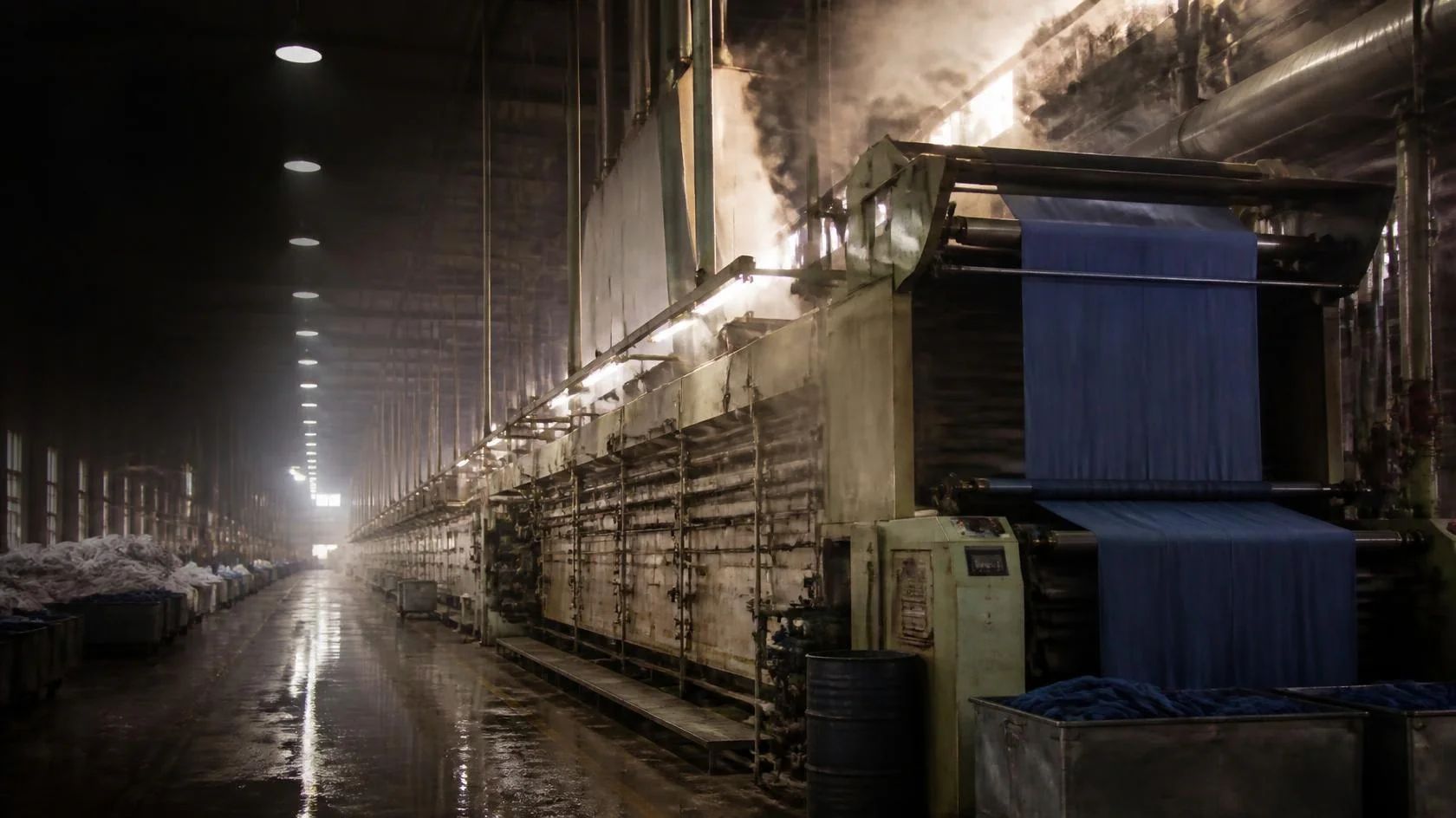
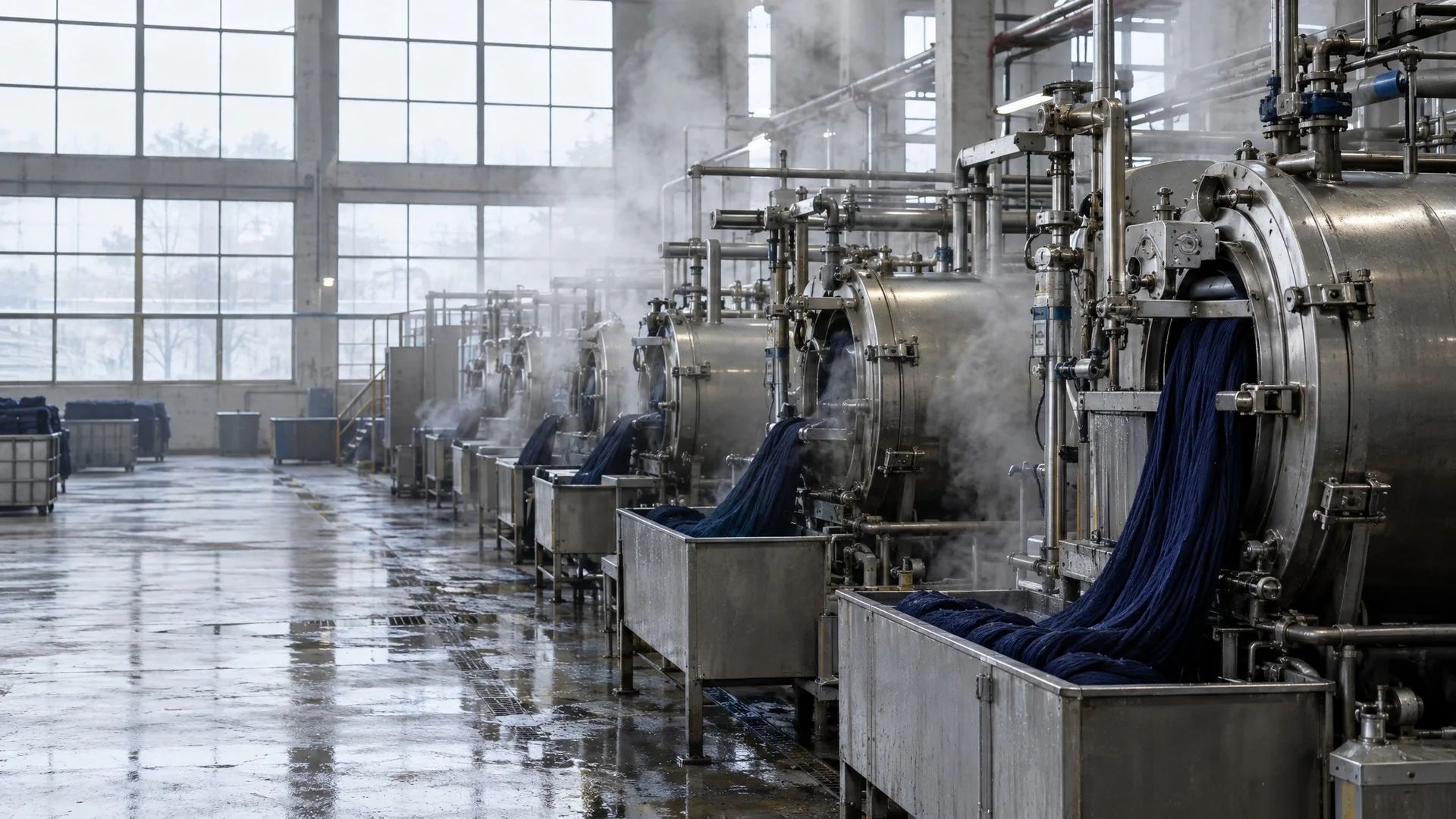
Trial-and-correction dyeing
- A recipe's actual outcome is only known after the batch is dyed and tested.
- An off-target result can require re-dyeing and additional process time.
- New color or fabric combinations may need iterative trial batches.

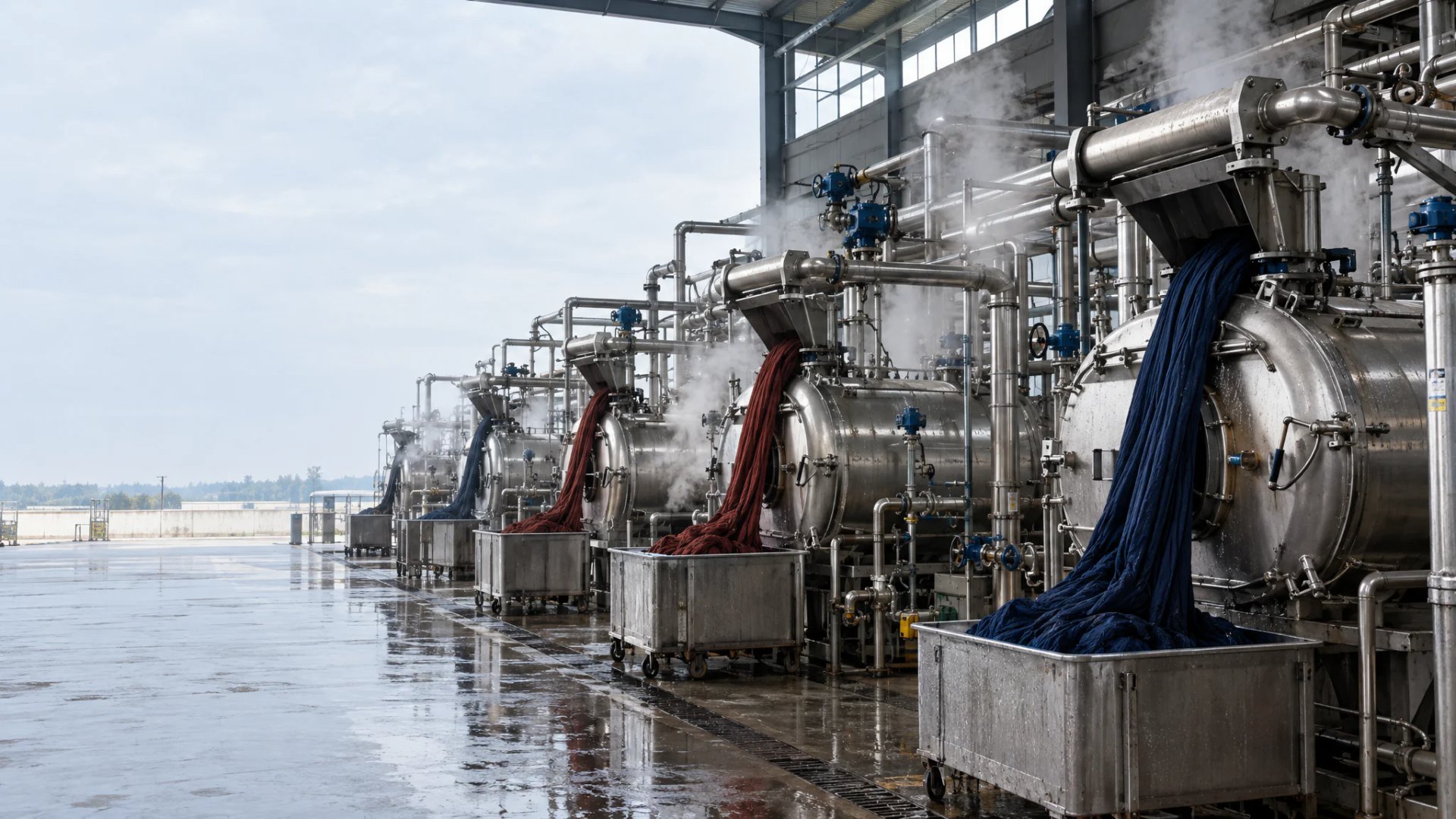
INSUS predicts dye exhaustion, fixation and color-strength outcomes from your recipe and process history, giving dyehouse teams a data-driven way to validate recipes before committing a batch. Process teams keep the decision.
01
Dye-outcome prediction before the batch is dyed.
02
Recipe parameters optimized against shade targets.
03
Existing process data. No new dyeing hardware.
The problem
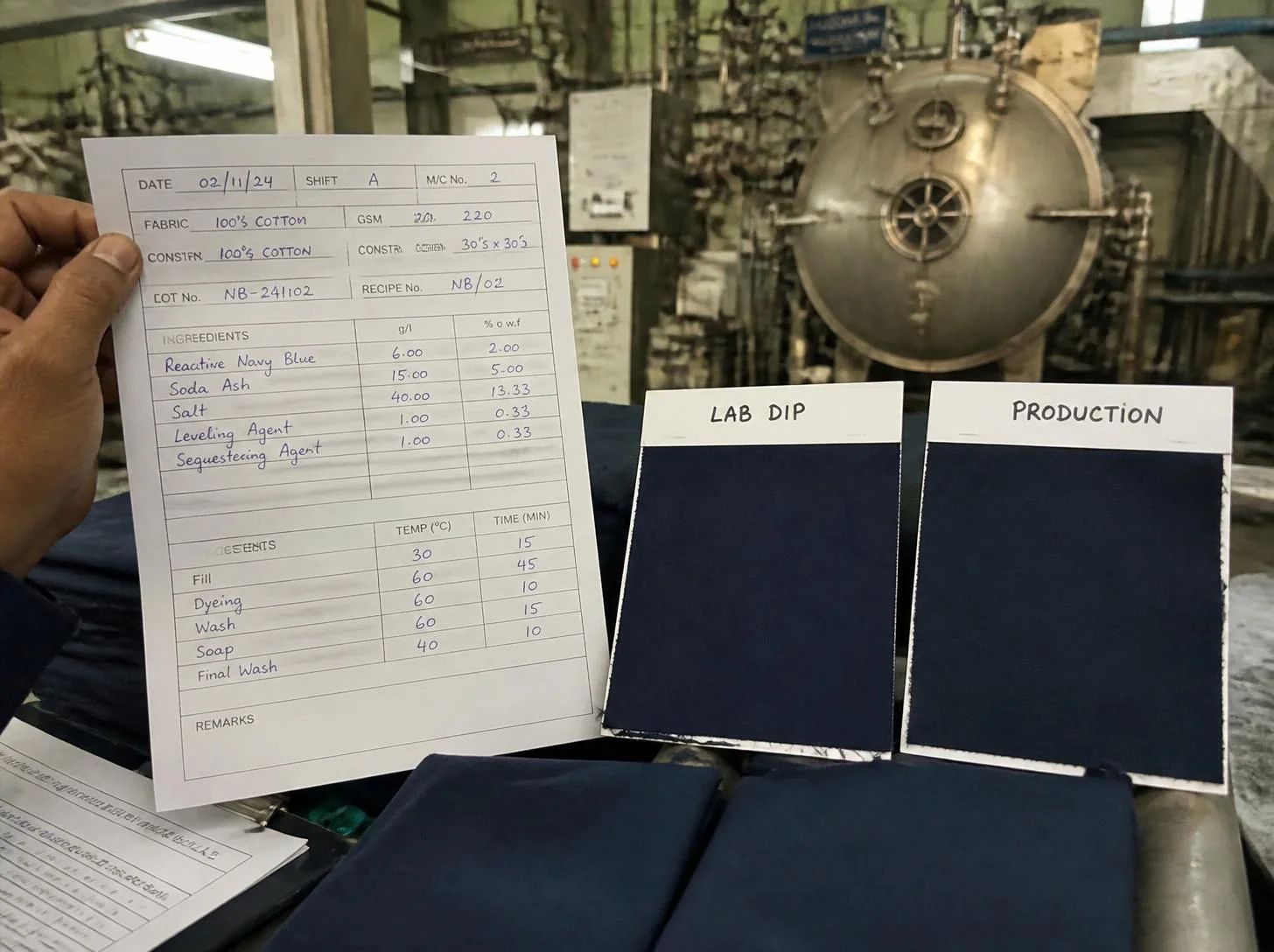
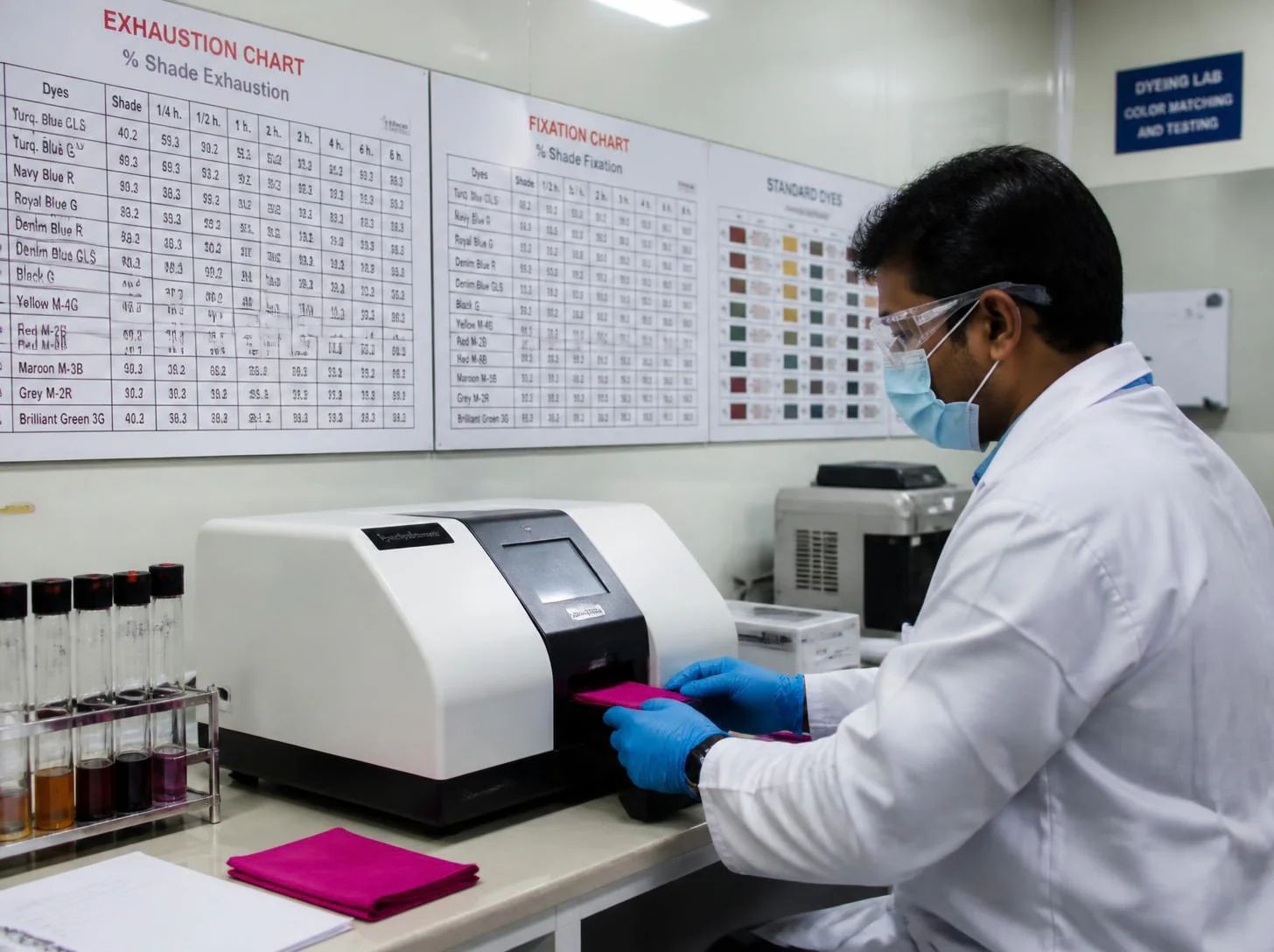
A dye recipe has to balance multiple interacting process parameters to hit the intended exhaustion, fixation and color strength. When validation happens only after a batch is dyed and tested, an off-target result can mean another dyeing cycle instead of a correction made before production.
The shift
Dyehouse process and laboratory teams stay responsible for every recipe decision. What changes is whether a candidate recipe's likely exhaustion, fixation and color strength are visible before the batch runs.
Today
With INSUS
How it works
This fits OptiStudio as process and quality decision support beside existing recipe and laboratory systems. Access is read-only. It does not automatically change dye-machine settings.
Connect
Connect recipe-management data with dye process parameters and corresponding laboratory or QC results for exhaustion, fixation and color strength.
Understand
Analyze how dye dosage, temperature, time, pH, liquor ratio and salt concentration relate to measured dyeing outcomes for the dyehouse's own fabrics and recipes.
Predict
Given a candidate recipe, predict the likely exhaustion, fixation and color-strength outcome before the batch is committed to the dye machine.
Advise
Recommend parameter adjustments expected to move the recipe toward its target color and fixation specification, based on the dyehouse's own historical data.
Verify
Compare predicted outcomes with actual laboratory results after dyeing so the model can be validated and refined for the dyehouse's fabrics, equipment and recipe families.
Getting started
For cotton and fabric dyeing operations that already collect recipe parameters and corresponding laboratory or QC results. Delivered through OptiStudio as dyeing process decision support. Expert Services can help with data assessment and validation. Advisory and read-only. No new dyeing hardware.
Related for textile
Dyeing recipe prediction sits beside wet-processing thermal energy optimization and Digital Product Passport readiness on the same mill.
Dye recipes are often validated only after a batch is dyed. This use case predicts likely exhaustion, fixation and color strength so teams can review a candidate recipe before production.
Historical dye recipe process parameters and corresponding laboratory or QC results for exhaustion, fixation and color strength. No new sensors when a modern dyehouse already logs those data.
No. It is decision support. The dyehouse process and laboratory team reviews every recommendation. Integration with controllers is read-only.
Yes. Historical recipe and test data can provide a data-driven starting point for new colors or fabric combinations, subject to the dyehouse's normal qualification process.
The intended mechanism is to flag potentially off-target recipes before a batch runs. Actual improvement depends on the dyehouse baseline and would need to be measured during a pilot.
Through OptiStudio as process and quality decision support. Expert Services can support data assessment, integration and validation with your dyehouse team.
Performance depends on reliable recipe and laboratory records. Recommendations are dyehouse-, fabric- and recipe-family-specific; published modeling research is not a guarantee of the same accuracy on your mill.
Textile · Dyeing recipe prediction
Use your own recipe and laboratory history to predict dyeing outcomes, support recipe adjustments and give process teams a data-driven validation step before production.