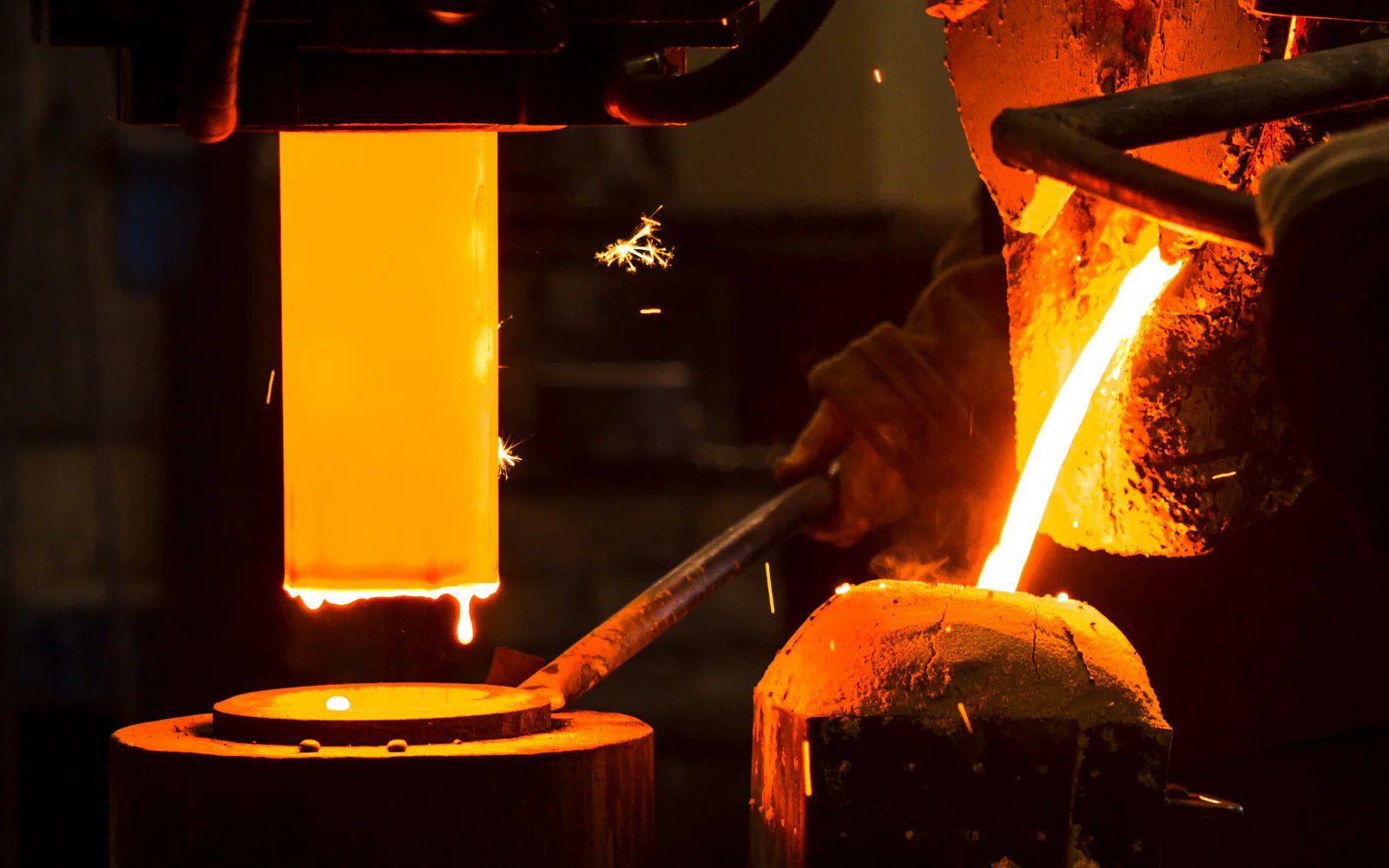
Steel industry

Where the heatis spent twice

The furnace is already hot. Chemistry is confirmed after the heat has moved on. The mill is set from the last good grade, not this one. The tonnes still have to ship.

  • 01

    Energy spent on this heat, not the last one

    Read furnace, ladle and reheat tags the plant already logs, so extra energy is not the only answer when chemistry or scrap mix changes.

  • 02

    Casting and rolling that stay on target

    Keep temperature, speed and gauge with the quality record you already keep — not after the coil has left the mill.

  • 03

    The stop while the line can still be planned

    Read drives, gearboxes, pumps and fans already in the historian, so wear is flagged while maintenance can still be scheduled.

On the melt shop and the mill

Quality is decided in the heat

Steel plants lose money in places that rarely share one screen: a furnace burning more energy than the heat needs, a grade change that resets the mill, and a defect found after the coil has cooled. Most of that is already in Level-2 tags, lab tickets and maintenance logs — after the fact.

Industrial energy and high-temperature process systems under loadThe furnace

The heat does not wait. The energy bill does not either.

Steelmaking and reheating dominate plant energy use. A conservative setpoint protects chemistry when the better operating point is not visible in time — and that is how extra megawatt-hours are spent across every shift.

Control room operators reviewing melt-shop and mill process dataThe grade

Changeovers reset more than a recipe

Different grades need specific furnace, casting and rolling procedures. When those steps live with experienced crews rather than in a shared record, the next shift rebuilds the setup from memory and the last good coil.

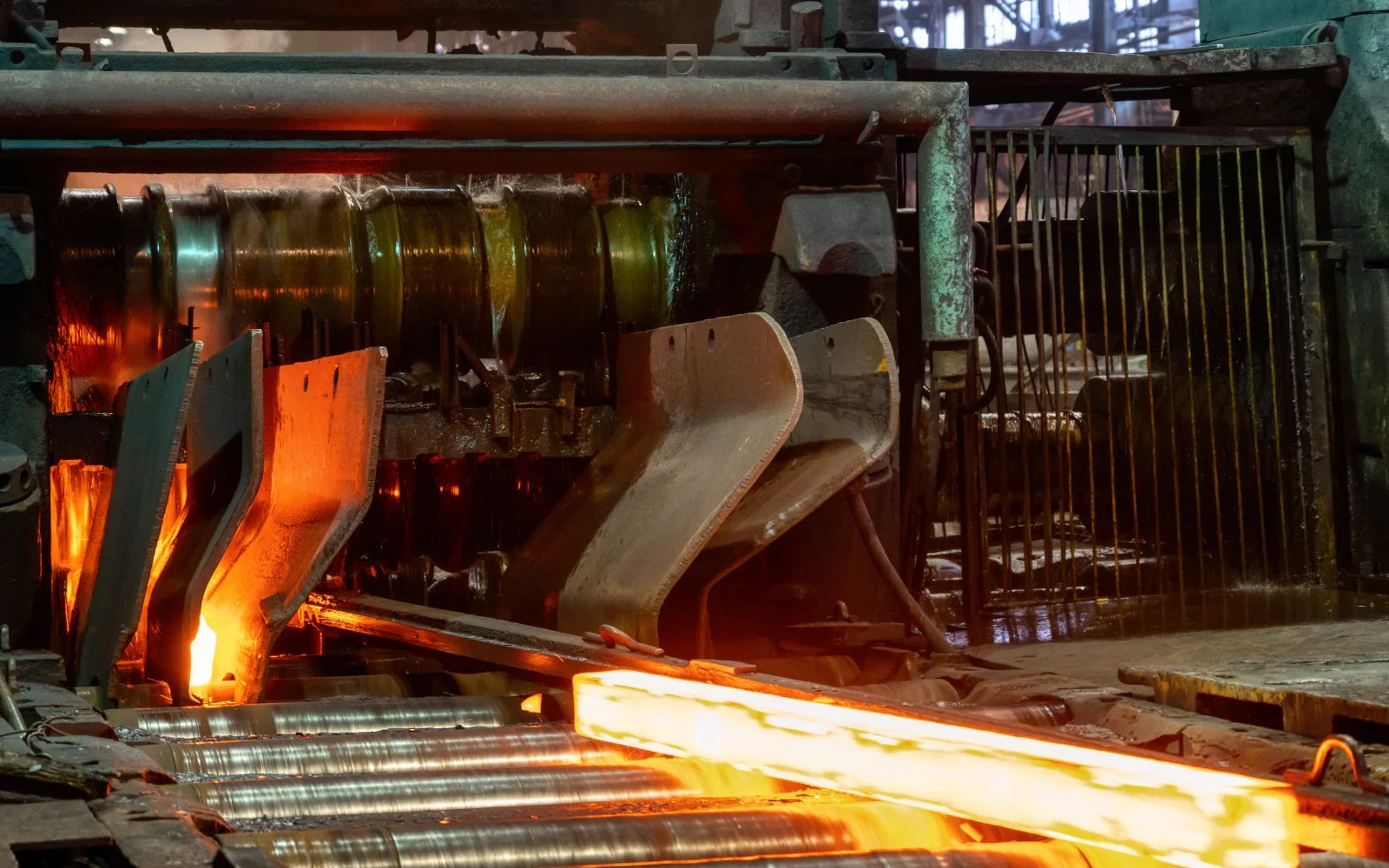
Hot rolling and steel finishing operationsThe mill

The defect is found after the steel has already left

Temperature drift, gauge error and surface quality are still often confirmed on the cold end or in the warehouse. The tonnes that produced them are already cast, rolled or packed.

Turning the furnace up is the easy correction. It is also how the campaign is spent.

INSUS works from the furnace tags, lab tickets, casting records and mill signals a plant already keeps. If the gap is a drifting sensor, a missing grade procedure or a gearbox already in the historian, that is what we will say.

Explore the possibilities

Industry figures

The scale of what is being decided

Four external figures, each with its source. Nothing on this page is an estimate we made up. Where we cannot cite a number, we describe the situation in words instead.

CO₂

~8%

of global energy-related CO₂ emissions come from iron and steel. Energy and process intensity sit at the centre of every melt-shop decision.

Source: IEA, Iron and Steel Technology Roadmap

Energy

~20%

of industrial final energy demand is used by iron and steel. Furnace, ladle and reheat efficiency are not side topics — they are the cost structure.

Source: IEA, Iron and Steel

Scrap

~32%

of global crude steel was produced via the scrap-based electric arc furnace route in recent World Steel Association data. Scrap mix and power set the heat before chemistry is confirmed.

Source: World Steel Association, world steel in figures

Steel melt shop and rolling mill equipment under continuous production

Common problems

Problems that cost you before you notice

None of these show up as a single alarm. They show up in the heat log, the late lab result, and the emissions reading that arrives after the hour has closed.

  1. Slag behavior is judged after the heat has already moved

    Basicity, FeO, foaming and carryover are still often confirmed from lab results or visual assessment after the process has changed. Metal loss, refractory wear and energy consequences arrive with the correction.

    See: Predictive slag management
  2. Chemistry is confirmed after the heat has moved on

    Lab results often arrive after the ladle has left or the next heat is already charged. Corrections arrive late, so yield and alloy additions absorb the gap.

    See: Steel yield loss prediction
  3. The exceedance is explained after the hour has already closed

    CEMS shows the number. The furnace, fuel and process conditions that produced it still sit in another system. By the time the cause is joined to the reading, that compliance hour has already been reported.

    See: Steel Emissions Monitoring & Compliance

Use cases

Places worth a closer look

Each is a specific starting point — this furnace, this caster, this rolling line — and a next conversation if it is worth your time.

Steelmaking furnace and molten steel operation
Process

Predictive Slag Management

Predict slag chemistry and behaviour in BOF, EAF and ladle refining from existing process and LIMS data so metallurgists can act before foaming, slopping or carryover escalates.

See the full use case
Steel production line from melting and casting through rolling
Quality

Steel Yield Loss Prediction

Predict steel yield-loss risk across melting, casting and rolling from existing process, quality and material data so teams can intervene before scrap and rework accumulate.

See the full use case
Steelmaking and industrial emissions monitoring operations
Energy

Steel Emissions Monitoring & Compliance

Connect CEMS and plant process data to predict emission risks, identify contributing operating conditions and support earlier compliance review for steelmaking teams.

See the full use case

FAQ

Questions that come up in every first call

A practical look at what INSUS needs, where it fits and what your team can expect.

The work that fits is the data a melt shop and mill already produce: furnace and ladle tags, lab tickets, casting and rolling records, and equipment logs. OptiStudio can advise on furnace, casting and rolling within approved limits. Predictive Maintenance can start from signals you already log. Closed-loop furnace control and automatic defect classification on every coil are not promises we will make.

Usually not for furnace records, lab tickets and maintenance. Most plants already have Level-2, historians, laboratory systems and mill instrumentation. If a thermocouple has been drifting or a drive signal is unread, that comes before any model.

No. The person who knows this furnace, this grade and this mill stays responsible. The aim is to stop the next shift running extra energy from habit, and to flag a drifting mill condition before it is a coil claim.

No. It advises the operator or the process engineer. Existing DCS, Level-2 systems and any APC stay in charge of the loop. Safety interlocks are not touched.

No. Energy and quality depend on scrap mix, chemistry, equipment condition and operating practice. We will not invent a savings percentage or a reject-rate target for your plant.

Yes. The approach is built around the systems you already run. Integration is defined during the assessment. Statutory recipes, tickets and safety reporting remain yours.

Yes. One EAF or BOF, one caster, or one rolling line is usually the practical start. Measure that, then decide whether to widen.

Contact

Talk to a steel expert

  • 30 minA focused conversation about the steel problem you are trying to solve. No sales deck.
  • OutcomeA practical view of whether INSUS can help, what data would be needed and where it makes sense to start.
  • We will first understand your current process, what information you have and where the biggest gap is.
  • If the right answer is a sensor check, a grade procedure, a maintenance action or an existing system, that is what we will tell you.

Request a call

We reply within one working day, from a person, with a proposed time.