Predict slag behaviourbefore it disrupts the heat.

Slag basicity, FeO, foaming and carryover move through the heat while lab results arrive late. INSUS predicts slag condition from process and quality data the plant already records and puts recommendations in front of operators and metallurgists. Day one is advisory.

  • 01

    Slag conditions change throughout the heat.

  • 02

    Lab results arrive after the process has moved.

  • 03

    Recommendations stay with the metallurgical team.

The problem

Slag changes throughout the heatwhile critical decisions cannot wait.

In BOF, EAF and ladle refining, slag removes impurities and shapes steel chemistry. Basicity, FeO, MgO saturation, viscosity, foaming and carryover affect metal yield, refractory wear, energy use and quality. Teams still lean on periodic lab analysis, visual assessment and experience, so foaming, slopping or chemistry problems are often seen only after the heat has already moved.

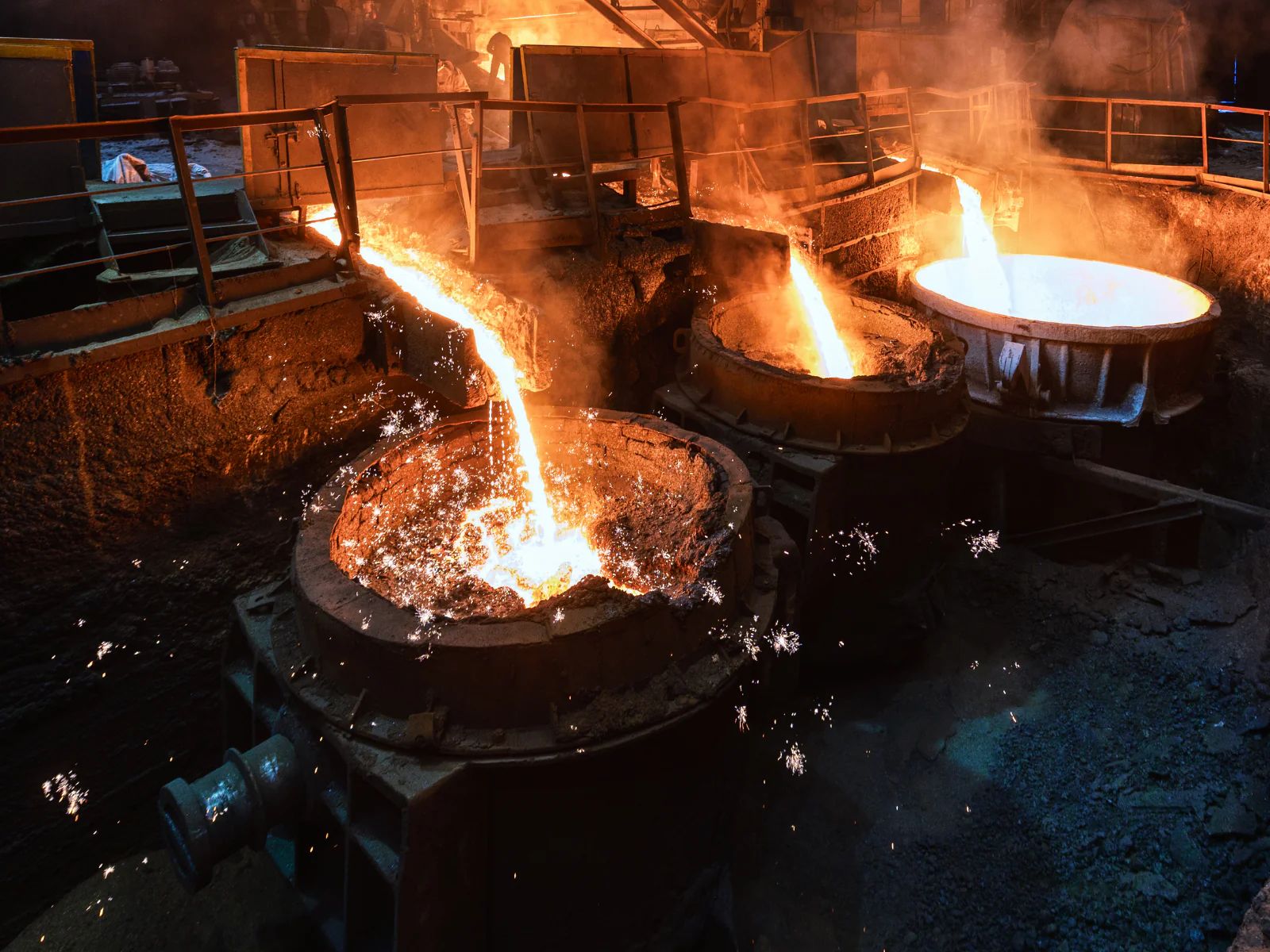
Steelmaking furnace and molten slag operations
01
02
03
  • 01Slag chemistry shifts through the heat
  • 02Lab and visual checks arrive late
  • 03Foaming, slopping and carryover raise loss

The shift

From reactive slag controlto predictive heat guidance.

Operators and metallurgists stay responsible for every process change. What changes is whether slag condition is estimated from live process data before problems become visible.

Today

React when slag problems appear

  • Assessment relies on process readings, visual checks, lab analysis and experience.
  • Foaming, slopping or carryover often become clear after the process has moved.
  • Corrective actions can arrive with metal loss, refractory wear or quality impact.

With INSUS

See the likely slag condition earlier

  • Process and quality data model slag chemistry and behaviour for this plant.
  • Conditions linked to foaming, slopping, carryover and unfavourable chemistry are flagged.
  • Operators and metallurgists review recommended adjustments before acting.

How it works

From steelmaking datato a reviewed slag prediction.

This fits OptiStudio as process and quality decision support beside existing furnace controls. Day one is advisory and read-only. Existing control systems stay in charge.

  1. Connect

    Bring furnace, material and LIMS data together

    Read-only links to DCS/SCADA, historian, LIMS and material records covering temperatures, gas flows, oxygen, power input, flux additions, raw-material chemistry, and steel and slag analyses.

  2. Understand

    Learn how slag behaves on this furnace

    Learn relationships between process conditions, material inputs and slag properties such as basicity, FeO, viscosity and foaming behaviour for this plant's own heats.

  3. Predict

    Flag slag risks before they escalate

    Predict key slag properties and discrete outcomes such as foaming risk, slopping risk or carryover, so teams can anticipate process changes during the heat.

  4. Advise

    Support furnace and process decisions

    Surface predictions and recommended process adjustments for operator and metallurgist review. No automatic writes to furnace control on day one.

  5. Verify

    Compare every prediction with actual outcomes

    Log predictions against actual slag and steel results. Track accuracy openly and refine the furnace-specific model as operating conditions change.

Steelmaking team reviewing predictive slag intelligence

Getting started

Start with one furnaceand the heats you already log.

For BOF, EAF or ladle refining shops that already hold process historian and LIMS data. Delivered through OptiStudio as slag prediction and operator decision support. Expert Services can help with data assessment and validation. Advisory first. Closed-loop control is only a later question after validation and plant approval.

  • What we need. Furnace and process data, material and flux additions, gas and power parameters, raw-material chemistry, and available steel and slag laboratory results. Existing process-image data can be used where already available. No new sensors by default.
  • What you see first. Predictions for key slag properties and risks on one furnace, running beside existing practice, with predicted versus actual outcomes for validation.
  • How it grows. After validation, models can expand to additional slag properties or furnaces. Any deeper control integration keeps operator override and existing plant safeguards intact.
Explore OptiStudio

Questions steel plants ask us

Slag chemistry and behaviour change through the heat while lab results arrive late. This use case predicts slag condition from process and LIMS data so operators and metallurgists can review adjustments earlier.

BOF, EAF and ladle refining, depending on available plant data and the slag objectives defined for that furnace.

DCS/SCADA and historian signals, temperatures, gas flows, oxygen, power input, flux additions, raw-material chemistry, and historical steel and slag laboratory analyses. No new sensors by default.

No. Day one is advisory. Operators and metallurgists validate predictions and recommendations against actual process outcomes.

Not on day one. Any later path toward selected control actions, such as flux or oxygen adjustments, requires validated model performance, safety constraints and deliberate plant approval. Existing control systems remain in charge until then.

Through OptiStudio as process and quality decision support. Expert Services can support data assessment, integration and validation with your metallurgical team.

Models are calibrated to each furnace and plant history. Prediction quality depends on data completeness and how current lab and process inputs are. Outcomes are measured against your own baseline, not promised industry percentages.

Steel · Predictive slag management

Turn slag behaviour into a decision you can act on.

Use the process and quality data you already record to see slag risk earlier in the heat. Operators and metallurgists keep the decision.