
Predict where steel yieldwill be lost before it happens.

Yield loss is spread across melting, casting and rolling, and the cause is often clear only after the scrap or rework figure appears. INSUS connects process, material, quality and equipment data to flag yield-loss risk earlier so operators and engineers can review interventions while material is still recoverable.

  • 01

    Yield loss is spread across the production line.

  • 02

    The cause is often visible only after the loss.

  • 03

    Recommendations stay with operators and engineers.

The problem

Steel yield is lostin many places across the line.

The gap between material entering a steel plant and saleable steel leaving it comes from many interacting causes: raw-material variation, chemistry, casting conditions, rolling defects, equipment problems and rework. Monitoring often relies on zone checks, periodic sampling and reactive adjustments. By the time final yield or scrap is visible, the conditions that caused the loss may already be several process steps behind the team.

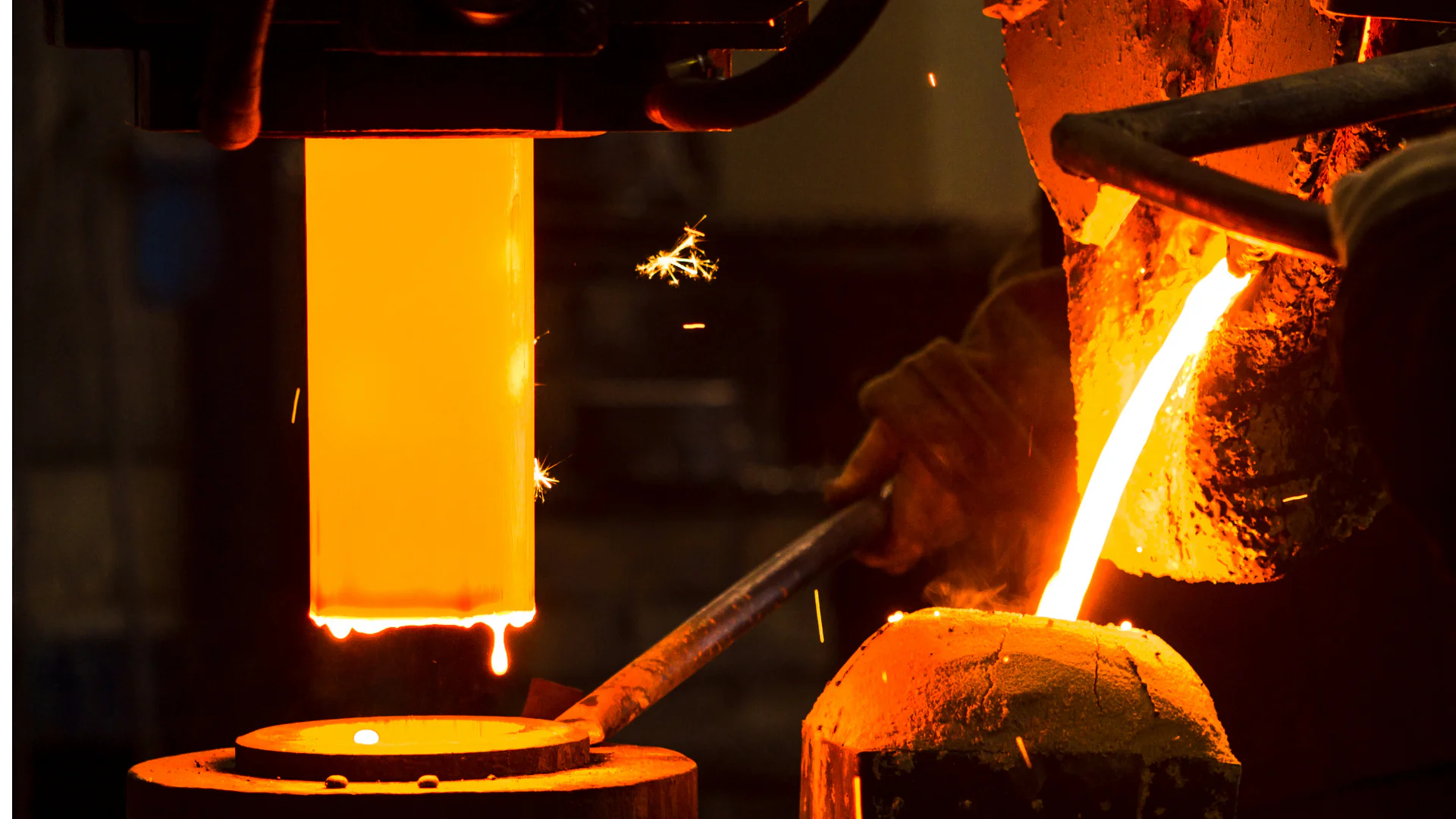
Steel manufacturing process with melting, casting, and rolling operations
01
02
03
  • 01Material and chemistry variation
  • 02Casting and rolling defects
  • 03Rework and downgraded product

The shift

From measuring yield lossto predicting where it will occur.

Operators and engineers stay responsible for every process change. What changes is whether yield-loss risk is visible from production and quality data before material becomes scrap.

Today

Find the loss after production

  • Yield, scrap and rework are measured after material has moved through the process.
  • Investigations pull separate production, quality and equipment records.
  • Corrective actions often address the visible defect rather than upstream conditions.

With INSUS

See the loss risk while production is running

  • Process, material, quality and equipment signals identify patterns linked to yield loss.
  • Models estimate the likelihood of scrap, defect or rework risk for review.
  • Contributing factors and recommended adjustments support earlier intervention.

How it works

From production datato earlier yield-loss intervention.

This fits OptiStudio as quality and process decision support across selected melting, casting or rolling stages. Day one is advisory. Existing control systems stay in charge.

  1. Connect

    Bring production and quality data together

    Read-only links to DCS/SCADA, historians, MES, LIMS and available quality or equipment records across the selected melting, casting or rolling stages.

  2. Understand

    Learn which conditions precede yield loss

    Analyse process variables, material conditions, quality results and equipment signals to identify combinations historically associated with scrap, defects or rework on this plant.

  3. Predict

    Predict yield-loss risk

    Estimate the likelihood of yield-loss events such as defect-related waste, scrap or rework based on current and recent production conditions.

  4. Advise

    Surface causes and recommended actions

    Show contributing factors and recommended operating adjustments for operator and engineer review. No automatic writes to process control on day one.

  5. Verify

    Compare predictions with actual yield outcomes

    Log predictions against actual scrap, rework and quality results. Track accuracy openly and refine the model for the selected line or yield-loss mechanism.

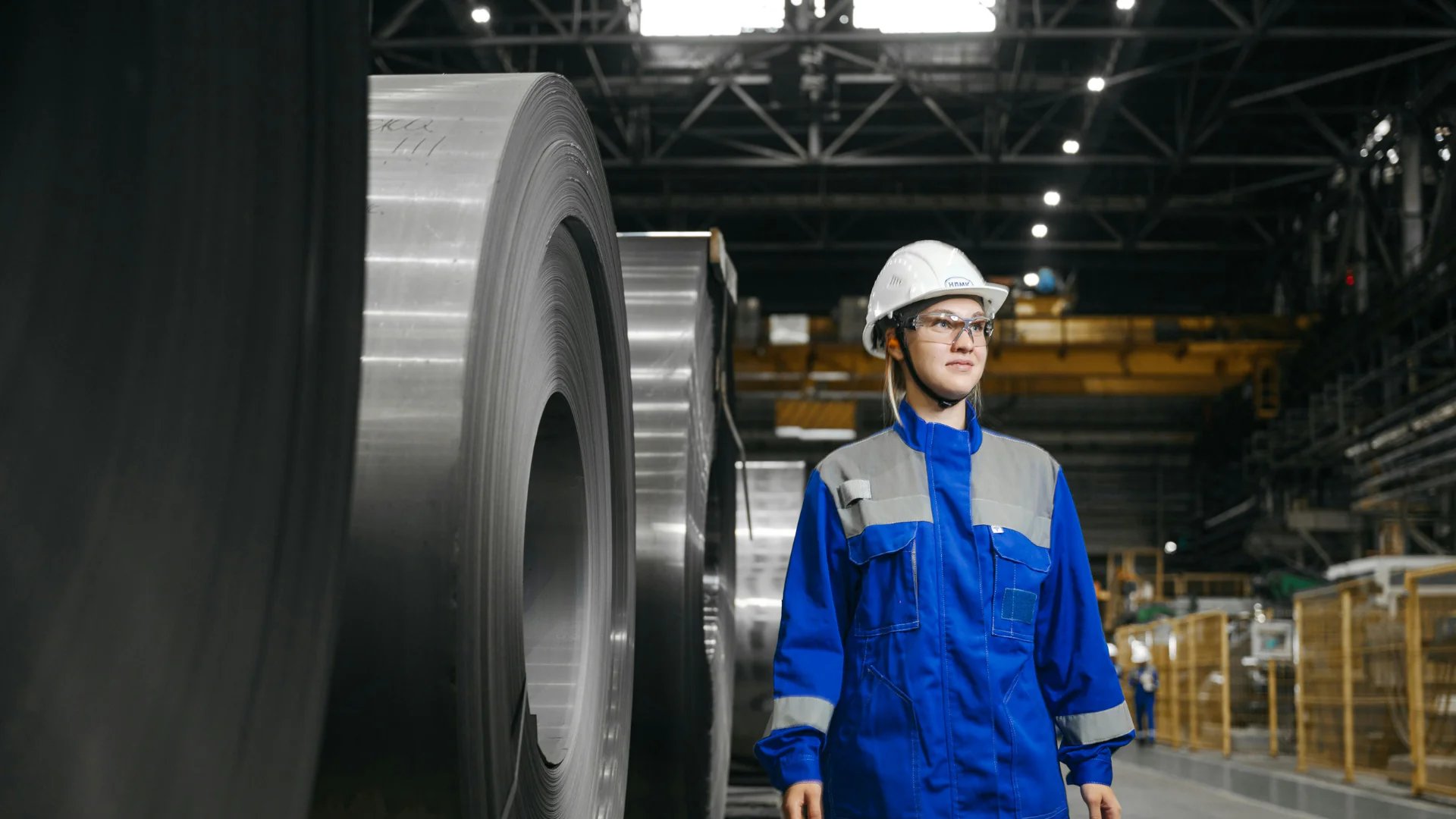
Steel production team reviewing yield-loss predictions and process data

Getting started

Start with one production areaand the yield records you already keep.

For steel plants that already hold process historian, MES and quality data for a selected line or yield-loss problem. Delivered through OptiStudio as yield-risk prediction and decision support. Expert Services can help with data assessment and validation. Advisory first. Computer vision is used only where suitable image data already exists.

  • What we need. Process and production data from DCS/SCADA, historians, MES and LIMS, together with yield, scrap, rework, quality, material and equipment information for the selected process area.
  • What you see first. Predicted yield-loss risk for the selected area, contributing conditions, and early warnings for scrap or rework scenarios, validated against actual production outcomes.
  • How it grows. After validation, the approach can expand across additional lines or yield-loss mechanisms. Any deeper optimisation keeps operator override and existing plant safeguards intact.
Explore OptiStudio

Questions steel plants ask us

Yield, scrap and rework are often understood only after material has moved through the line. This use case predicts yield-loss risk from process, quality and material data so teams can review interventions earlier.

Across melting, steelmaking, continuous casting, rolling and finishing. A pilot usually focuses on one line or mechanism where business impact and data availability are strongest.

DCS/SCADA, historians, MES, LIMS, material tracking, quality records and available equipment information for the selected process area. No new sensors by default.

No. Day one is advisory. AI provides risk flags, contributing factors and recommendations. Operators and engineers retain decision-making authority.

Only where suitable digital image or video data already exists, for example for surface-defect detection on rolling lines. It is not assumed for every pilot.

Through OptiStudio as quality and process decision support. Expert Services can support data assessment, integration and validation with your production and quality teams.

Models are plant- and line-specific. Prediction quality depends on historical coverage of scrap, rework and quality outcomes. Results are measured against your own baseline, not promised industry percentages.

Steel · Yield loss prediction

Find the steel you are losing before it becomes scrap.

Use the production and quality data you already record to see yield-loss risk earlier. Operators and engineers keep the decision.